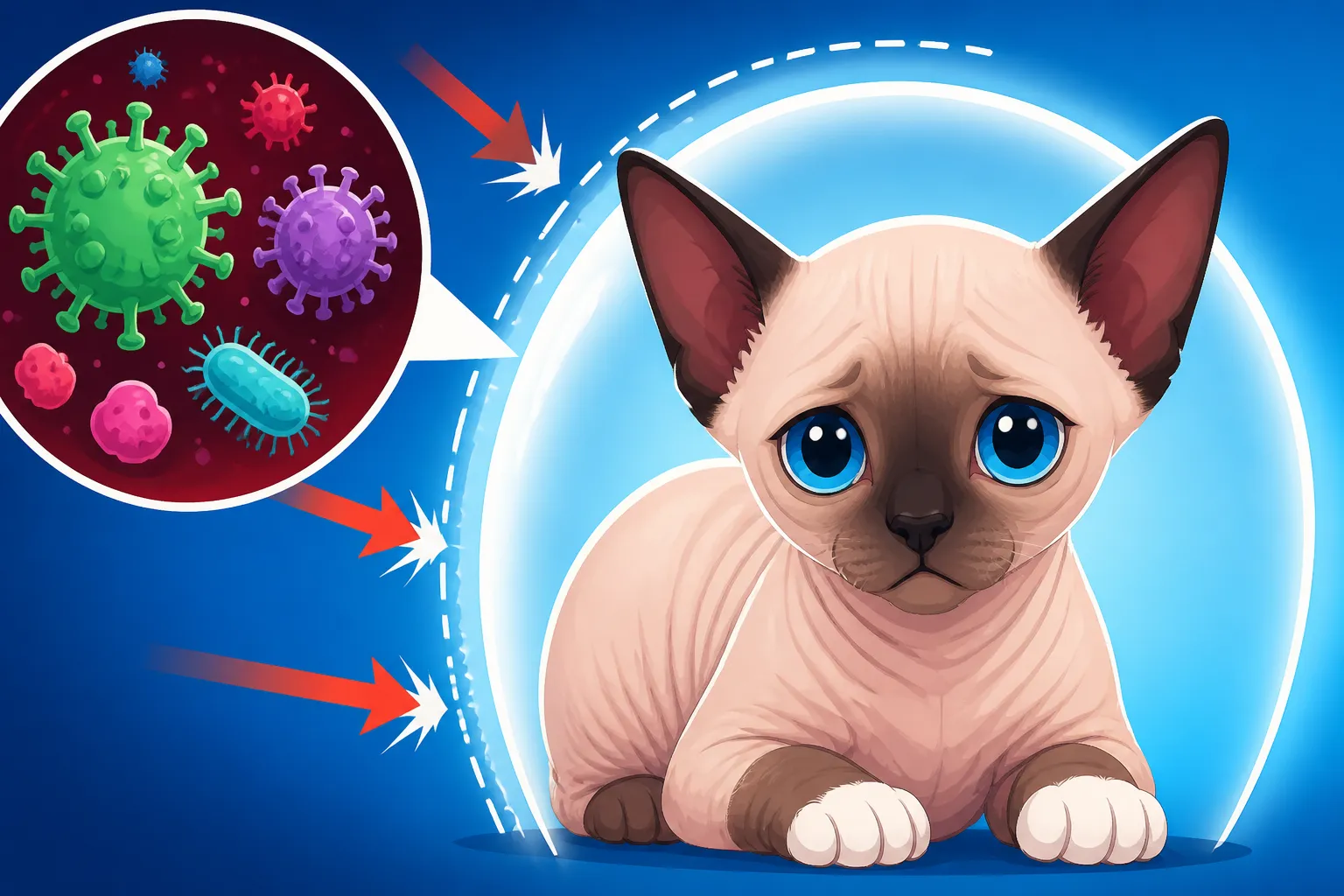
Why a Bald Birman Kitten Catches Every Infection
It’s an absolutely heartbreaking scenario for any cat lover: seeing a tiny, vulnerable Birman kitten born without a proper coat. While the lack of their beautiful, silky fur is immediately noticeable, the far more devastating reality for these little ones is their profound susceptibility to illness. This guide will delve into the intricate reasons why a bald Birman kitten faces an uphill battle against virtually every infection, explaining the genetic fault lines that lead to such a fragile existence.
The Genetic Culprit Behind Birman Hypotrichosis
When we talk about a bald Birman kitten, we're not just describing a cosmetic difference; we're talking about a serious underlying genetic condition that impacts their entire immune system. The official name for this condition is Birman Hypotrichosis, and it’s a direct result of a specific genetic flaw that, unfortunately, leaves these kittens incredibly vulnerable.
Understanding FOXN1 and Its Role
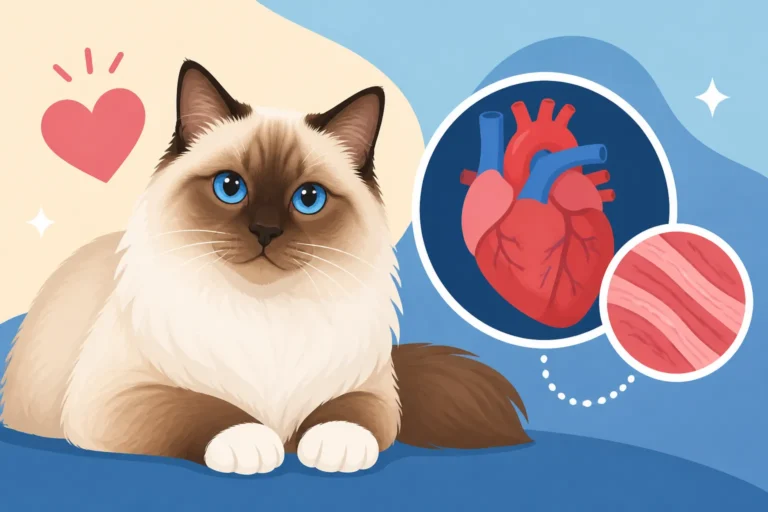
The primary genetic driver behind Birman Hypotrichosis is a mutation in the FOXN1 gene. Now, you might be wondering, what exactly is FOXN1 and why is it so important? Well, the FOXN1 gene plays a absolutely critical role in the development of both hair follicles and, even more significantly, the thymus gland. Think of the thymus as a specialized "training camp" for a very important type of immune cell called T-lymphocytes, or T-cells. These T-cells are the elite soldiers of the immune system, responsible for recognizing and destroying invaders like viruses, bacteria, and even cancerous cells.
In affected Birman kittens, the FOXN1 gene isn't working correctly due to a specific deletion. This genetic flaw means that the instructions for building hair follicles and, crucially, a fully functional thymus gland are either missing or severely compromised. Without those proper instructions, the kitten's body simply cannot develop these vital components as it should. The visual symptom of "Why a Birman Kitten Born Bald Will Not Reach Eight Months" is just the tip of the iceberg; the real danger lies much deeper within their undeveloped immune system.
The Inherited Condition and Breeding Implications
Birman Hypotrichosis is inherited in an autosomal recessive pattern. What this means in plain language is that a kitten needs to inherit two copies of the faulty gene – one from its mother and one from its father – to develop the condition. If a kitten only inherits one copy, it becomes a "carrier." A carrier Birman looks perfectly healthy, sporting a gorgeous coat and exhibiting no symptoms of the disease itself. However, they silently carry the potential to pass that faulty gene on to their offspring.
This is why genetic testing is absolutely paramount for responsible Birman breeders. Breeders need to know if their breeding cats are carriers to prevent inadvertently producing affected kittens. The guideline "Why two Birman carriers should never be mated" is foundational to ethical breeding practices. Imagine the heartbreak of breeding two beautiful, healthy Birmans, only to have a litter of bald, sickly kittens because both parents were asymptomatic carriers. Thankfully, labs like the one mentioned in "Which lab runs the Birman FOXN1 test" provide reliable DNA tests, often using a simple cheek swab, to identify carriers. Understanding "How to read a Birman's carrier result" is crucial for breeders to make informed decisions about pairings, and to avoid these devastating outcomes.
The Missing Link: Thymic Aplasia
While the hairlessness is the most visually striking characteristic of a Birman kitten with hypotrichosis, the true peril lies in the condition of their thymus gland. This tiny organ, often overlooked, is a powerhouse of immune development, and its absence or severe underdevelopment is directly responsible for the kitten's extreme susceptibility to infection.
The Thymus Gland's Crucial Function
Let's talk a bit more about the thymus. It's a small gland located in the chest, behind the breastbone, and it's incredibly active during a cat's early life. Its primary job is to take immature T-cells, which are produced in the bone marrow, and help them mature and specialize. This maturation process is like putting raw recruits through an intense training program, teaching them to identify friend from foe and arming them with the tools to fight off specific pathogens. Without a properly functioning thymus, these T-cell recruits never get their training. They remain immature, unable to mount an effective immune response against the myriad of bacteria, viruses, and fungi they encounter daily.
For a bald Birman kitten, the FOXN1 gene mutation directly leads to a condition called thymic aplasia (or severe hypoplasia), meaning the thymus gland is either completely absent or severely underdeveloped. This is the heart of "FOXN1 Is the Birman's Own Genetic Disease" – it’s not just about hair, it’s about the very core of their defense system. "How a vet confirms a Birman's thymic aplasia" usually involves clinical signs, imaging, and sometimes post-mortem examination, but the genetic test for FOXN1 allows for prevention before such tragic confirmation is needed.
The Dire Consequences of a Compromised Immune System
When a kitten's thymus is aplastic, it simply doesn't have the mature T-cells necessary to protect itself. This leaves them with a severely compromised immune system, making them, essentially, defenseless against even the most common pathogens that a healthy kitten would easily brush off. Imagine trying to defend a castle with no soldiers; that's the grim reality for these kittens.
Every sniffle, every minor bacterial exposure, every virus floating in the air becomes a life-threatening challenge. They lack the cellular immunity to fight infections internally, leading to systemic illnesses that quickly overwhelm their tiny bodies. This is precisely "Why a missing thymus leaves a Birman defenseless." They don't just get sick more often; when they do get sick, they get critically sick, often failing to respond to treatments that would be effective for other kittens. Even with the best veterinary care, the odds are stacked against them, as their inherent ability to combat illness is severely lacking.
The Vulnerability of a Bald Birman Kitten
Beyond the internal immune system failure, the physical manifestation of Birman Hypotrichosis – the lack of a proper coat – adds another layer of vulnerability, leaving these kittens exposed in ways healthy felines are not.
The Skin: A Compromised Barrier
Our skin, and a cat's fur-covered skin, acts as the body's largest organ and its first line of defense. It's a physical barrier, a protective shield against environmental elements, harmful microorganisms, and minor injuries. For a healthy Birman, their luxurious, silky coat provides insulation, protects against abrasions, and helps regulate body temperature. But for a bald Birman kitten, this vital protection is absent.
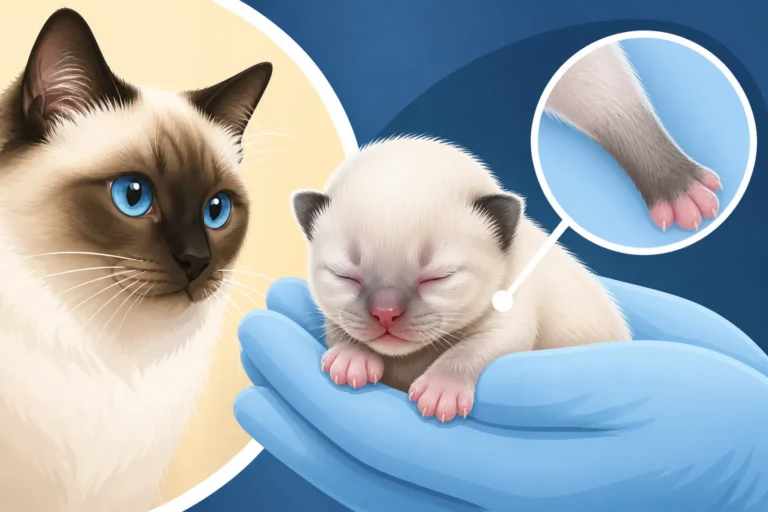
Their delicate skin is directly exposed to the environment, making it far more susceptible to drying, irritation, and minor scrapes or cuts. "What a hairless Birman kitten's skin looks like" is often thin, sometimes wrinkled, and crucially, it's not designed to be exposed. This means that even tiny breaks in the skin, which would be harmless on a furred cat, can become open invitations for bacteria and fungi to enter, leading to painful skin infections. Furthermore, some affected kittens might have skin that appears "Why an affected Birman kitten's skin looks greasy", predisposing them to seborrhea and secondary infections. This constant battle against external threats drains their already weak immune system, making them even less capable of fighting off internal diseases.
Systemic Weakness and Susceptibility
The cascade effect of thymic aplasia combined with a compromised skin barrier means these kittens are constantly fighting on multiple fronts. Their systemic weakness is profound. They can't regulate their body temperature effectively, making them prone to chilling and requiring constant warmth. Their undeveloped immune system simply cannot produce the T-cells needed to identify and destroy pathogens efficiently.
This leads to a horrific cycle where respiratory infections, often starting as simple colds, quickly escalate into severe pneumonia. Gastrointestinal infections, which might cause a day or two of upset in a healthy kitten, can lead to intractable diarrhea, dehydration, and overwhelming sepsis in a bald Birman kitten. Even routine vaccinations, designed to build immunity, may not elicit a strong enough response from their struggling system. "Which infections kill an affected Birman kitten" are often the most common ones that healthy kittens overcome, but for these little fighters, they are devastating. Every day is a struggle against the unseen world of microbes, a battle they are genetically predisposed to lose.
The Tragic Prognosis and Ethical Considerations
The reality of Birman Hypotrichosis is grim, leading to difficult decisions and underscoring the profound importance of responsible breeding practices. Understanding the prognosis is essential for both breeders and potential owners.
The Short, Challenging Life of an Affected Kitten
For a bald Birman kitten born with thymic aplasia, life is often a series of health crises. From the moment they arrive, usually tiny and struggling, they face an almost insurmountable battle. They fail to thrive, meaning they don't grow at the expected rate, often remain undersized, and lack the robust energy of their healthy littermates. Recurrent infections are a constant, leading to frequent veterinary visits, courses of antibiotics, and often, hospitalization. This continuous struggle takes an immense emotional and financial toll on anyone caring for them.
Despite intensive care, these kittens rarely survive beyond a few months. "How many months an affected Birman kitten survives" is typically a very short period, often not exceeding eight months, before their overwhelmed immune system succumbs to an infection that cannot be controlled. This tragic outcome means that "Why an affected Birman kitten is usually put to sleep" becomes a compassionate decision to spare them further suffering, rather than a failure of care. The condition is ultimately fatal, and prolonging their struggle often causes more distress than peace.
The Role of Responsible Breeding and Testing
Given the devastating outcome for affected kittens, the absolute cornerstone of preventing Birman Hypotrichosis lies in diligent, responsible breeding. Breeders have an ethical imperative to understand the genetics of their lines and to utilize available genetic testing. Pre-breeding genetic testing for FOXN1 is a straightforward process, often done via a simple cheek swab, which identifies if a cat is clear, a carrier, or affected. "Why a Birman breeder still tests for PKD" alongside FOXN1 highlights the commitment to comprehensive health screening within the breed.
By knowing the genetic status of their breeding cats, breeders can make informed decisions to avoid mating two carriers, thus preventing the birth of any affected kittens. If a breeding cat is identified as a carrier, they can still be bred carefully, but only with a cat that has tested clear for the FOXN1 mutation. This ensures that no kitten will inherit two copies of the faulty gene. Organizations like Healthy Paws, a well-known pet insurance provider, can offer some financial peace of mind for unexpected veterinary costs, but proactive genetic testing is the first and best line of defense against preventable genetic diseases like FOXN1. Transparency in sharing test results is also vital, allowing prospective kitten owners to make educated choices and support breeders who prioritize the health and longevity of their beloved Birmans. This commitment ensures that fewer families will experience the profound sadness of a kitten born with this debilitating condition.
Birman Kitten Health Profile: Healthy vs. Affected
To further illustrate the stark differences, here’s a comparison of what you might observe in a healthy Birman kitten versus one affected by FOXN1-related hypotrichosis:
| Feature | Healthy Birman Kitten | FOXN1 Affected Birman Kitten |
|---|---|---|
| Coat | Soft, fluffy, well-formed coat with defining points | Sparse to completely bald, often with very fine, wispy hairs |
| Skin | Smooth, supple, protected by fur | Thin, often wrinkled, easily irritated, sometimes greasy |
| Immune System | Robust, capable of fighting off common infections | Severely compromised due to thymic aplasia |
| Growth & Vigor | Active, playful, consistent weight gain and development | Lethargic, failure to thrive, stunted growth, frequent illness |
| Susceptibility | Resilient to most environmental pathogens | Highly vulnerable to common bacteria, viruses, and fungi |
| Prognosis | Excellent, with proper care and preventative medicine | Poor, typically fatal within months |
| Vet Visits | Routine vaccinations, wellness checks | Frequent, often urgent care for recurring severe infections |
Disclaimer
The information provided in this article is for educational purposes only and should not be considered a substitute for professional veterinary advice. Always consult with a qualified veterinarian for any health concerns or before making any decisions about your pet's medical care.