The Last Signs Before a Birman’s Thickened Heart Fails
It's heartbreaking to imagine your beloved Birman struggling with a hidden health issue, especially something as serious as heart disease. One of the most terrifying aspects of Feline Hypertrophic Cardiomyopathy (HCM) in Birmans is how subtly it can progress, often without obvious signs until the very late stages. This guide aims to shed light on those critical, often overlooked, last signs before a Birman's thickened heart unfortunately begins to fail, helping you recognize them and understand the urgency required.
The Silent Threat: Understanding HCM in Birmans
Feline Hypertrophic Cardiomyopathy, or HCM, is the most common heart disease in cats, and certain breeds, including our beautiful Birmans, are predisposed. In essence, HCM causes the muscular walls of the heart, particularly the left ventricle, to thicken abnormally. This thickening reduces the heart's ability to pump blood effectively and relax properly between beats. Imagine a small room with walls that keep getting thicker; there's less and less space for anything inside. That's what happens to your Birman's heart – the thickened muscle leaves less room for blood, and the heart has to work much harder.
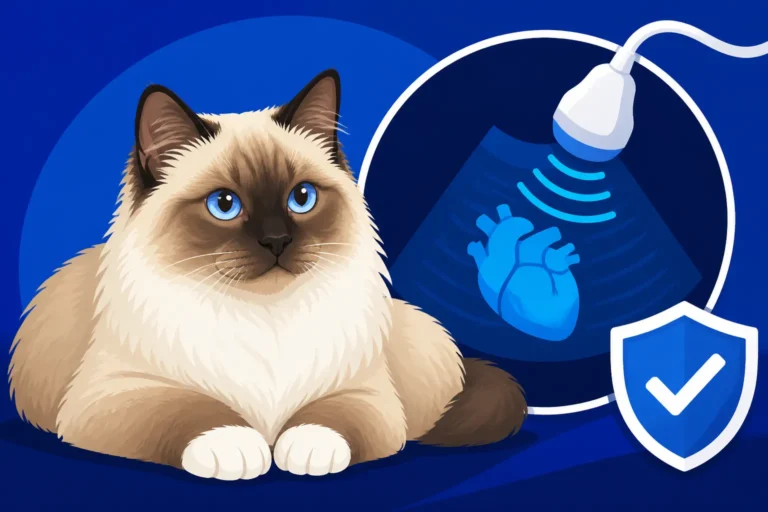
What makes HCM so insidious in Birmans is their naturally placid and tolerant temperament. These gentle cats are masters at hiding discomfort and illness, often continuing to purr and seek affection even when they're not feeling their best. This stoicism means that by the time you notice clear symptoms, the disease might already be quite advanced. Many owners are utterly blindsided because their Birman seemed perfectly fine just days before a crisis. Early detection through regular veterinary check-ups, including listening for heart murmurs, is crucial, but even then, a murmur doesn't always indicate advanced disease, and some cats with HCM never develop one. It’s also important to remember that for HCM in a Birman Has No DNA Test, Only an Echo, making regular screening by a veterinary cardiologist essential for at-risk breeds.
Subtle Shifts: Early Indicators of Worsening Heart Health
Before a full-blown crisis hits, there are often subtle changes in your Birman's behavior and physical presentation that, in hindsight, might have been whispers of a worsening heart condition. These signs are often vague, easily dismissed as "just getting older" or a temporary off day, which is why paying close attention to your Birman's routine and personality is paramount. They’re not necessarily screaming for help, but they are asking for a closer look.
One of the first things you might notice is a slight decrease in activity. Your Birman might still play, but perhaps for shorter durations, or they might seem to tire more quickly than before. Maybe they used to effortlessly scale the cat tree to its highest perch, but now they stop halfway up, or prefer to lounge on lower furniture. You might also notice a subtle reluctance to jump onto higher surfaces, or they might take a moment longer to gather themselves before making a leap. It’s not that they can’t do it, but that it seems to require more effort. This subtle shift is often missed because Birmans are not typically high-energy, boisterous cats to begin with; they're more inclined to be near you than on you, so a drop in activity can blend into their already calm demeanor. Recognizing Why a Birman With HCM Stops Jumping can be a critical early warning.
Another indicator can be a change in appetite or weight. While a complete refusal to eat is a serious red flag, a more gradual decline in interest in food, or a slight, unexplained weight loss over weeks, can point to underlying issues. Conversely, some cats might gain weight due to reduced activity. Look for changes in grooming habits too; an unwell Birman might neglect its luxurious coat, especially areas that are hard to reach, leading to mats or a dull appearance. Your Birman might also seem less responsive or engaged, perhaps spending more time sleeping or simply observing rather than participating in household activities. This isn't just about their playful side; it's about their overall zest for life. Because a Birman Hides Illness Behind a Placid Temperament, you really have to be a detective for these minor changes.
| Sign Category | Subtle Indicators (Early) | Urgent Indicators (Late/Crisis) | Action Required |
|---|---|---|---|
| Activity | Reduced play, reluctance to jump, increased napping | Collapse, weakness, immobility | Immediate vet visit |
| Breathing | Slightly faster breathing, panting after mild exertion | Rapid, open-mouthed breathing, gasping, distress | Emergency vet immediately |
| Appetite | Gradual decrease, unexplained weight loss | Complete refusal to eat, rapid weight loss | Vet appointment |
| Behavior | More withdrawn, less engaged, hiding | Profound lethargy, unresponsive, signs of pain | Emergency vet |
| Physical | Dull coat, minor matting, pale gums | Bluish gums/tongue, cold paws, swollen abdomen, paralysis | Emergency vet immediately |
The Urgent Crisis: Recognizing Imminent Heart Failure
When a Birman's heart disease progresses to the point of imminent failure, the signs become far more dramatic and demand immediate veterinary attention. These aren't subtle hints; they are glaring red flags that indicate a life-threatening emergency. Knowing these symptoms can mean the difference between life and death for your beloved companion.
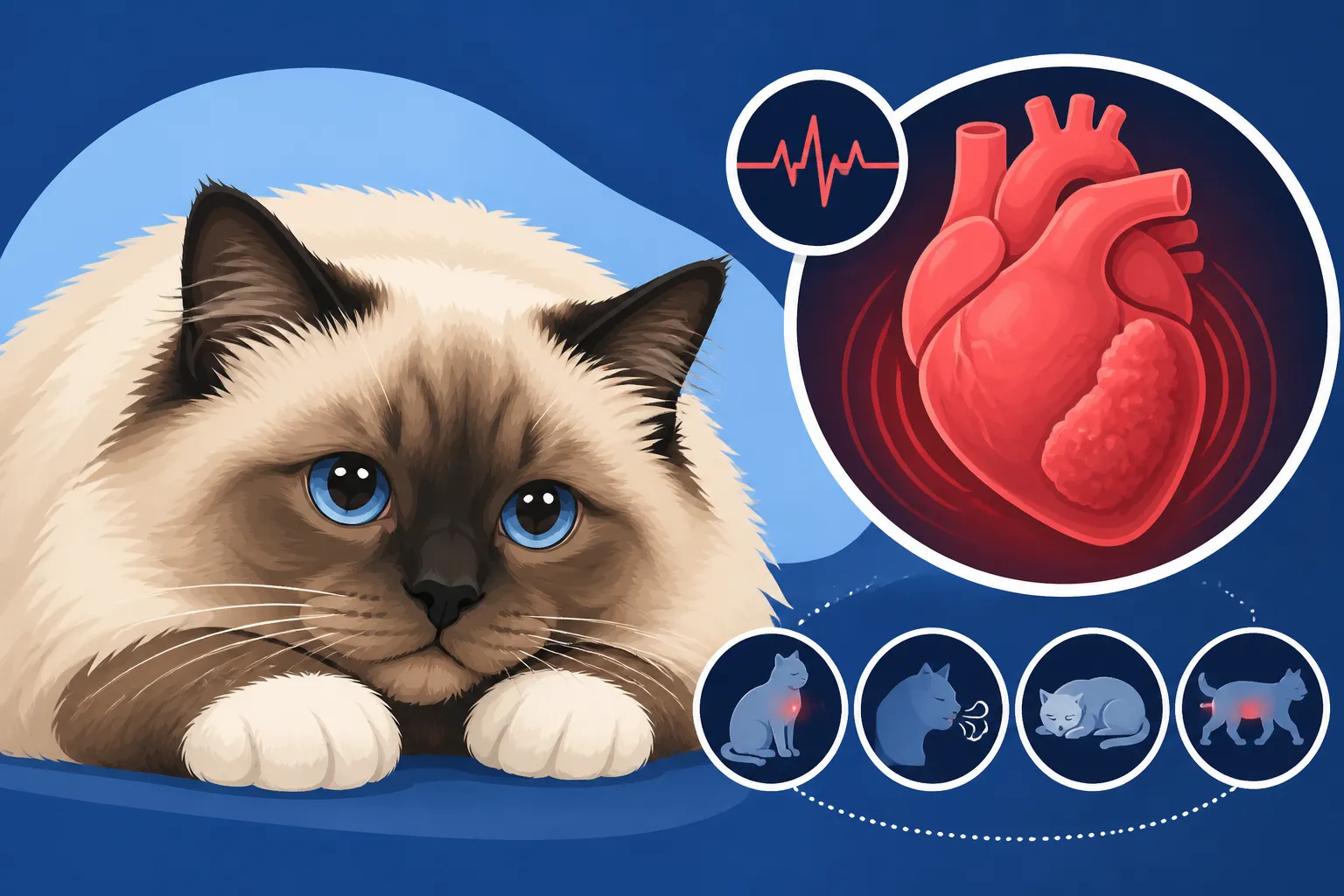
One of the most alarming signs is profound difficulty breathing. This isn't just a slightly faster respiratory rate; it's labored breathing, often characterized by rapid, shallow breaths, panting (which is highly unusual for a cat, especially at rest), or even open-mouthed breathing. Your Birman's sides might heave, and you might notice their abdomen moving excessively with each breath. They might adopt a peculiar crouched position with their neck extended, trying desperately to get enough air. This struggle for breath often means that fluid is building up in their lungs (pulmonary edema) or around their lungs (pleural effusion) because the weakened heart can't effectively pump blood, leading to a backup. This is a terrifying sight for any pet owner, and it means you need to get to an emergency vet right now.
Another critical sign of advanced heart failure, particularly common in HCM, is arterial thromboembolism, often referred to as "saddle thrombus." This occurs when a blood clot forms in the heart due to turbulent blood flow and then dislodges, traveling down the aorta until it gets stuck, most commonly where the aorta branches to supply the hind legs. The result is sudden, excruciating pain and paralysis in one or both back legs. Your Birman might suddenly cry out, collapse, drag its hind legs, or be unable to move them at all. The affected legs will feel cold to the touch, and the paw pads might appear pale or even bluish due to lack of blood flow. This is an incredibly painful and devastating complication, requiring immediate emergency care. If you see your Birman suddenly unable to use its back legs, do not delay—seek emergency veterinary attention immediately. Prompt action can sometimes save the limb and provide comfort, though the prognosis for these events can be guarded.
Beyond breathing difficulties and sudden paralysis, other urgent signs include extreme lethargy, collapse, or a complete lack of responsiveness. Your Birman might become very weak, unable to stand or walk, or simply lie down and be unresponsive to your calls or touch. They might refuse all food and water. Vomiting, diarrhea, or a distended abdomen (due to fluid accumulation) can also be present. While these signs can be indicative of many serious conditions, in a Birman with a known or suspected heart condition, they point directly to a critical cardiac event. When you see such severe symptoms, it’s not a moment for "wait and see." This is when having an emergency fund or a good pet insurance plan, like one from Healthy Paws, can take some financial stress off an already incredibly difficult situation. Knowing How Long a Birman Lives After Its Heart Is Diagnosed can be grim, making these urgent signs particularly critical.
When Every Second Counts: Emergency Response and Ongoing Support
Discovering your Birman in acute heart failure is a terrifying experience, and your immediate actions are crucial. The first, and most important step, is to remain calm. Panicking will only add to your cat's stress. Gently place your Birman in a well-ventilated carrier and transport them to the nearest emergency veterinary clinic without delay. Call ahead if possible to let them know you're coming and describe your cat's symptoms, so they can prepare for your arrival. Every second genuinely counts in these situations.
At the veterinary clinic, the team will work quickly to stabilize your Birman. This typically involves providing oxygen therapy to help with breathing, administering diuretics to reduce fluid buildup in the lungs, and potentially pain medication if a blood clot is suspected. They might also use medications to support heart function. Diagnosing the exact nature of the crisis often involves X-rays to check for fluid in the chest, blood tests, and potentially an urgent ultrasound of the heart (echocardiogram) to assess the severity of the HCM.
For Birmans diagnosed with HCM, even if they've had a thickened heart for some time, managing the condition is an ongoing journey. This involves regular check-ups with a veterinary cardiologist, often including repeat echocardiograms to monitor the heart's progression. Medications might be prescribed to help the heart function more efficiently, reduce fluid retention, prevent blood clots, and control heart rate. It’s vital to adhere strictly to your vet's prescribed treatment plan, even if your Birman appears to be doing well. Think of it as a marathon, not a sprint. Remember, How a Vet Manages a Birman Whose Echo Came Back Thickened involves a tailored approach to maximize their quality of life.
Beyond medical management, supportive home care plays a significant role. This includes monitoring their breathing rate at home, especially while they're resting or sleeping. A normal resting respiratory rate for a cat is typically between 20-30 breaths per minute; anything consistently higher could be a concern. Ensure your Birman has a calm, quiet environment, fresh water always available, and a consistent feeding schedule. Maintaining a healthy weight is also essential to reduce strain on the heart. Your vet will advise on any dietary changes, which might include low-sodium food. While these cats are typically docile, the importance of consistent monitoring and care cannot be overstated. Comprehensive pet insurance from a provider like Healthy Paws can be invaluable in these situations, helping cover the costs of emergency visits, ongoing specialist consultations, and long-term medications, giving you peace of mind to focus on your Birman's health. Regularly checking The Age a Birman Starts Needing Yearly Heart Checks can help stay ahead of potential issues.
Disclaimer
This article is intended for informational purposes only and does not constitute veterinary advice. Always consult a qualified veterinarian for any health concerns or before making any decisions about your Birman's care.