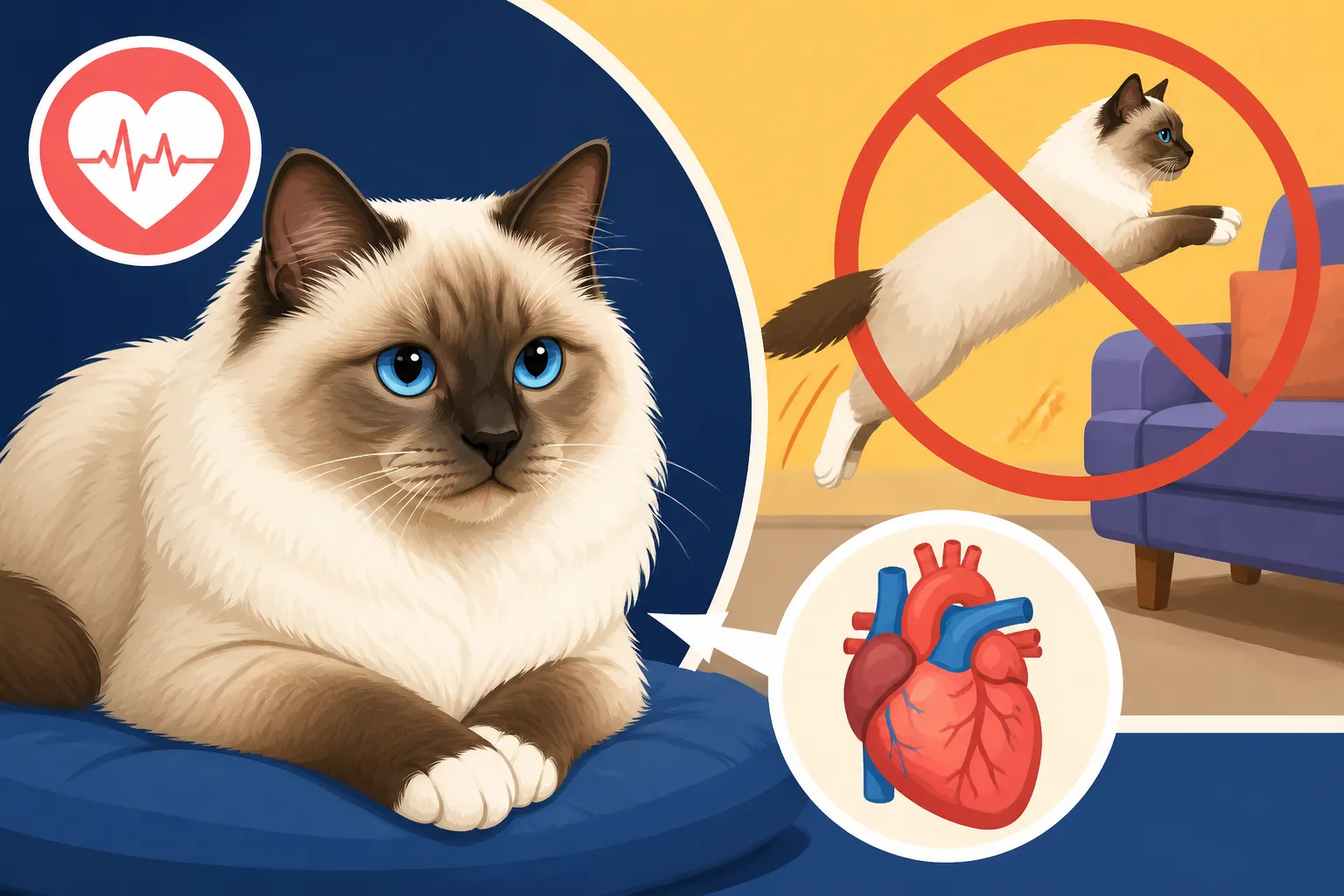
Why a Birman With HCM Stops Jumping
It’s heartbreaking to see a once agile and playful Birman suddenly struggle with activities they used to adore, like gracefully leaping onto a favorite sun-drenched windowsill or joining you on the sofa. If your beloved Birman has started to shy away from jumping, or simply can't manage it anymore, it's a significant red flag that warrants immediate attention. This comprehensive guide will explore Hypertrophic Cardiomyopathy (HCM) in Birmans, delving into why this heart condition can severely impact their ability to jump and what other subtle signs you should be looking out for.
Understanding HCM and Its Impact on Feline Movement
Hypertrophic Cardiomyopathy (HCM) is the most common heart disease in cats, and unfortunately, Birmans are among the breeds with a predisposition. It's a progressive condition that causes the muscular walls of a cat's heart to thicken abnormally, particularly the left ventricle. This thickening makes the heart less efficient at pumping blood, leading to a cascade of problems that profoundly affect a cat's overall energy and mobility.
How HCM Affects the Heart Muscle
Imagine your heart as a powerful pump designed to move blood efficiently throughout your body. In a Birman with HCM, the walls of this pump become stiff and less pliable. This means the heart can't fill with as much blood as it should with each beat, and it struggles to eject blood effectively. The abnormal muscle thickening can also obstruct blood flow, forcing the heart to work even harder to compensate. Over time, this constant overwork can lead to congestive heart failure, where fluid builds up in the lungs or around them, making breathing difficult.
This thickening also reduces the volume of the heart chambers and compromises the valve function, sometimes leading to murmurs that a vet might detect during a routine check-up. However, it's crucial to remember that a murmur doesn't always indicate HCM, and some Birmans with severe HCM may not even have an audible murmur. This is precisely why an echocardiogram is the definitive diagnostic tool. As we explain in HCM in a Birman Has No DNA Test, Only an Echo, DNA tests aren't available for HCM in Birmans, making imaging critical.
The Connection Between Heart Health and Physical Exertion
When a Birman's heart is compromised by HCM, its ability to supply oxygen-rich blood to the muscles throughout the body is severely limited. Think about how you feel after a strenuous workout if you're out of shape – tired, breathless, and your muscles might ache. Now imagine your cat's heart operating under a constant state of strain. Even simple actions that once required minimal effort, like a short sprint across the room or a hop onto a chair, become physically taxing.
The muscles, including those in the legs, require a steady supply of oxygen to function properly during exertion. If the heart can't deliver this oxygen efficiently, those muscles quickly fatigue. This isn't just about feeling a bit tired; it's about a fundamental physiological limitation that prevents the cat from performing movements requiring explosive power or sustained effort, such as jumping or climbing. This becomes particularly noticeable in Birmans, who are typically known for their quiet but affectionate nature, often content to follow you from room to room but still capable of agile movements when they choose.
Why Jumping Becomes Difficult for a Birman with HCM
The visible decline in a Birman's jumping ability is one of the most common and concerning signs of advancing HCM. It's often the first subtle change an attentive owner might notice, even before other more obvious symptoms manifest. This isn't just about a change in mood; it's a direct consequence of the physical toll the heart condition takes on their body.
Reduced Stamina and Rapid Fatigue
A Birman with HCM simply doesn't have the cardiac reserve to sustain the bursts of energy needed for jumping. The thickened heart muscle can't pump blood fast enough to meet the increased oxygen demands of the leg muscles. What happens? Your Birman might initiate a jump, only to hesitate halfway, or attempt it and fall short. They might land awkwardly, or choose to find a ramp or a stepping stool instead of leaping directly.
For instance, your Birman might have always loved to perch on the top of a tall cat tree, observing their domain. As HCM progresses, you might notice them only making it to the first level, or choosing to lie on the floor nearby instead. They might look up at their favorite high spot with a wistful gaze, but simply lack the energy. This isn't laziness; it's a genuine physical limitation. They might try a jump, realize the effort is too much, and then quickly retreat, looking for an easier path or simply giving up on the idea altogether. This can be especially frustrating for them if they still have the mental drive to explore heights but their body won't cooperate.
Pain, Discomfort, and Reluctance to Move
Beyond pure fatigue, the underlying heart condition can also cause a general sense of discomfort or even pain. The increased pressure within the heart chambers and vessels can be uncomfortable. In some cases, as the heart struggles, there's a risk of complications like a saddle thrombus, where a blood clot forms in the heart and then travels, often lodging at the base of the hind legs. This is an acute and extremely painful condition that causes sudden paralysis and extreme distress in the back legs, making any movement, let alone jumping, impossible. If you see your Birman suddenly unable to use its back legs, it's an emergency requiring immediate veterinary attention. We touch on this in more detail in How a Birman's Thickened Heart Throws a Clot to Its Legs.
Even without a full-blown thrombus, the general feeling of being unwell, coupled with the difficulty in breathing that can accompany fluid buildup in the lungs, makes a Birman reluctant to exert itself. Jumping requires coordination and confidence, and a cat that feels unwell or unstable will naturally avoid activities that might cause them further discomfort or a fall. A once-sure-footed Birman might become hesitant, appearing clumsy or less graceful, simply because their internal systems are no longer working optimally. Owners often describe their cats "slowing down" or "not being themselves," and this includes a marked decrease in physical activity and playful interactions.
Recognizing Other Subtle Signs of HCM in Birmans
Because Birmans are known for their placid and gentle temperaments, they are incredibly adept at hiding signs of illness until a condition is quite advanced. This makes it particularly challenging for owners to spot problems early. You might think your cat is just getting older or becoming lazier, when in reality, they could be silently battling a serious heart condition. It’s important to remember that Why a Birman Hides Illness Behind a Placid Temperament means you need to be extra vigilant.
Changes in Breathing and Appetite
One of the most critical indicators of worsening heart disease, especially if it's leading to congestive heart failure, is a change in breathing patterns. Look for:
- Increased Respiratory Rate: A healthy, relaxed cat breathes around 15-30 breaths per minute while resting or sleeping. If your Birman's resting breathing rate is consistently higher than this, or if you notice any visible effort in their breathing (e.g., abdominal movement, open-mouth breathing), it's a serious concern. Count their breaths when they are completely relaxed and asleep.
- Open-Mouth Breathing: Cats rarely breathe with an open mouth unless they are severely stressed, overheated, or in respiratory distress. This is an emergency and warrants immediate veterinary care.
- Coughing: While less common in cats with heart disease than in dogs, a persistent cough can sometimes indicate fluid in the lungs (pulmonary edema), a complication of heart failure.
- Appetite Changes: A Birman that feels unwell, especially if it's struggling to breathe, will often show a decreased interest in food. They might eat less, refuse certain foods, or even stop eating altogether. Sometimes, you might notice they eat smaller, more frequent meals, or struggle to get comfortable while eating. This lack of appetite, coupled with weight loss, can quickly lead to further health complications.
These signs can be subtle, especially in a calm breed like the Birman. You might notice them sleeping more deeply, or taking longer naps, seemingly without explanation. Pay attention to any shifts in their daily routine or preferences.
Altered Behavior and Decreased Engagement
Beyond physical symptoms, HCM can manifest in significant behavioral changes. A Birman who is in the early or advanced stages of heart failure will likely feel lethargic and generally unwell.
- Withdrawal and Less Interaction: Your affectionate Birman might start spending more time alone, hiding in quieter parts of the house, or becoming less interested in cuddles and play. They might still seek out your presence but prefer to lie near you rather than on your lap. They might not greet you at the door with the same enthusiasm.
- Reduced Playfulness: If your Birman suddenly shows little interest in their favorite toys, or quickly tires during playtime, this is a significant indicator. A younger Birman especially should maintain a decent level of playfulness.
- Lethargy and Increased Sleep: While Birmans enjoy their naps, an excessive increase in sleep duration or a general listlessness throughout the day is cause for concern. They might be less inclined to follow you from room to room or engage in their usual quiet supervision.
- Restlessness at Night: Conversely, some cats with heart issues might become restless, struggling to find a comfortable position, especially if breathing is difficult.
These behavioral shifts are often dismissed as "just aging" or "a phase," but with a Birman, whose normal temperament is already quite reserved, it’s even harder to differentiate. This is why knowing How to Tell a Quiet Birman From an Unwell One is so crucial for early intervention. Always remember, any significant or sustained change in your Birman's routine or personality warrants a veterinary visit.
Importance of Early Diagnosis and Management
Catching HCM early is paramount for managing the disease and preserving your Birman's quality of life for as long as possible. While there's no cure for HCM, early diagnosis allows for timely intervention, potentially slowing its progression and mitigating serious complications.
The Role of Regular Vet Checks and Echo Scans
A thorough veterinary examination is the first step. Your vet will listen to your Birman's heart for any murmurs or abnormal rhythms. As we noted, not all Birmans with HCM will have a murmur, and some murmurs are benign, but Why a Murmur in a Birman Sends You Straight to an Echo cannot be overstated. An echocardiogram, essentially an ultrasound of the heart, is the gold standard for diagnosing HCM. It allows a veterinary cardiologist to visualize the heart's structure, measure the thickness of the heart walls, assess blood flow, and identify any abnormalities.
For breeding Birmans, regular echo screenings are absolutely essential to prevent passing on this genetic predisposition. How Often a Breeding Birman Needs Scanning should be discussed with a specialist. Even for pet Birmans, discussing a baseline echo scan with your vet, especially if your cat is exhibiting any symptoms or comes from a line with a history of HCM, is a wise decision. Many Birmans start needing yearly heart checks around the age of eight, but if there's any concern, testing should begin earlier. Organizations like the Cat Fanciers' Association (CFA) or The International Cat Association (TICA) provide resources for finding reputable breeders who prioritize health screenings.
Management Strategies to Improve Quality of Life
Once HCM is diagnosed, your vet, possibly in consultation with a veterinary cardiologist, will develop a treatment plan tailored to your Birman's specific condition. The goal of treatment is to manage symptoms, reduce the workload on the heart, prevent complications, and ultimately enhance your cat's quality of life. Common medications may include:
- Beta-blockers or Calcium Channel Blockers: These can help relax the heart muscle, improve blood flow, and slow the heart rate.
- Diuretics: If fluid buildup (pulmonary edema) is present, diuretics help remove excess fluid from the body, making breathing easier.
- Anticoagulants: To prevent the formation of blood clots, which are a serious and often fatal complication of advanced HCM.
Beyond medication, supportive care is vital. This includes ensuring a calm, stress-free environment, monitoring their breathing rate at home, and providing a high-quality, kidney-friendly diet, as Which Blood Values a Birman's Kidney History Makes Important is a common concern as they age. Your vet will guide you on how to monitor your Birman at home and How a Vet Manages a Birman Whose Echo Came Back Thickened. While a diagnosis of HCM is serious, many Birmans can live comfortably for years with proper management. Investing in pet insurance, such as a comprehensive plan from Healthy Paws, can be a huge relief, covering a significant portion of the ongoing diagnostic tests, specialist visits, and medications required for managing a chronic condition like HCM. It's a pragmatic step that ensures you can always prioritize your Birman's health without undue financial stress.
The lifestyle adjustments for a Birman with HCM might include limiting strenuous play but ensuring they still have opportunities for gentle interaction. Provide easy access to their favorite elevated spots with ramps or steps to reduce the need for jumping. The key is to keep them comfortable, loved, and under consistent veterinary care. Knowing How Long a Birman Lives After Its Heart Is Diagnosed can vary greatly, but proactive management offers the best chance for a longer, happier life.
Here's a quick overview of HCM symptoms and their potential impact:
| Symptom | Description | Impact on Activity & Jumping |
|---|---|---|
| Reduced Jumping/Climbing | Reluctance or inability to jump onto surfaces they once easily reached. | Direct effect: heart can't supply enough oxygen to muscles for explosive movements. Cat avoids strenuous activity due to fatigue and discomfort. |
| Increased Respiratory Rate | Faster breathing at rest (>30 breaths/min), panting, open-mouth breathing. | Makes any physical exertion, including jumping, extremely difficult and uncomfortable. Indicative of fluid in lungs. |
| Lethargy/Increased Sleep | Spending more time resting, less engagement in play or interaction. | General feeling of unwellness and fatigue due to poor circulation and heart strain. Reduces motivation and physical capacity for all activities. |
| Decreased Appetite/Weight Loss | Eating less, refusing food, unexplained weight loss. | A cat feeling unwell or struggling to breathe will lose interest in food. Weakness from undernourishment further reduces energy for jumping and other activities. |
| Behavioral Changes | Withdrawal, hiding, less affectionate, restless. | General malaise and discomfort cause a change in personality. A once social cat may retreat, avoiding situations that require movement or interaction. Why a Quiet Birman Is Easy to Misread emphasizes how subtle these changes can be. |
| Weakness/Collapse | Sudden inability to use hind legs (saddle thrombus) or general weakness. | Emergency situation for saddle thrombus, causing paralysis and extreme pain. General weakness means a total lack of ability for strenuous movement. |
Disclaimer
This article is intended for informational purposes only and does not constitute professional veterinary advice. Always consult with a qualified veterinarian or veterinary cardiologist for any health concerns regarding your Birman cat. Early and accurate diagnosis, alongside a tailored treatment plan, is crucial for managing Hypertrophic Cardiomyopathy effectively.