HCM in a Birman Has No DNA Test, Only an Echo
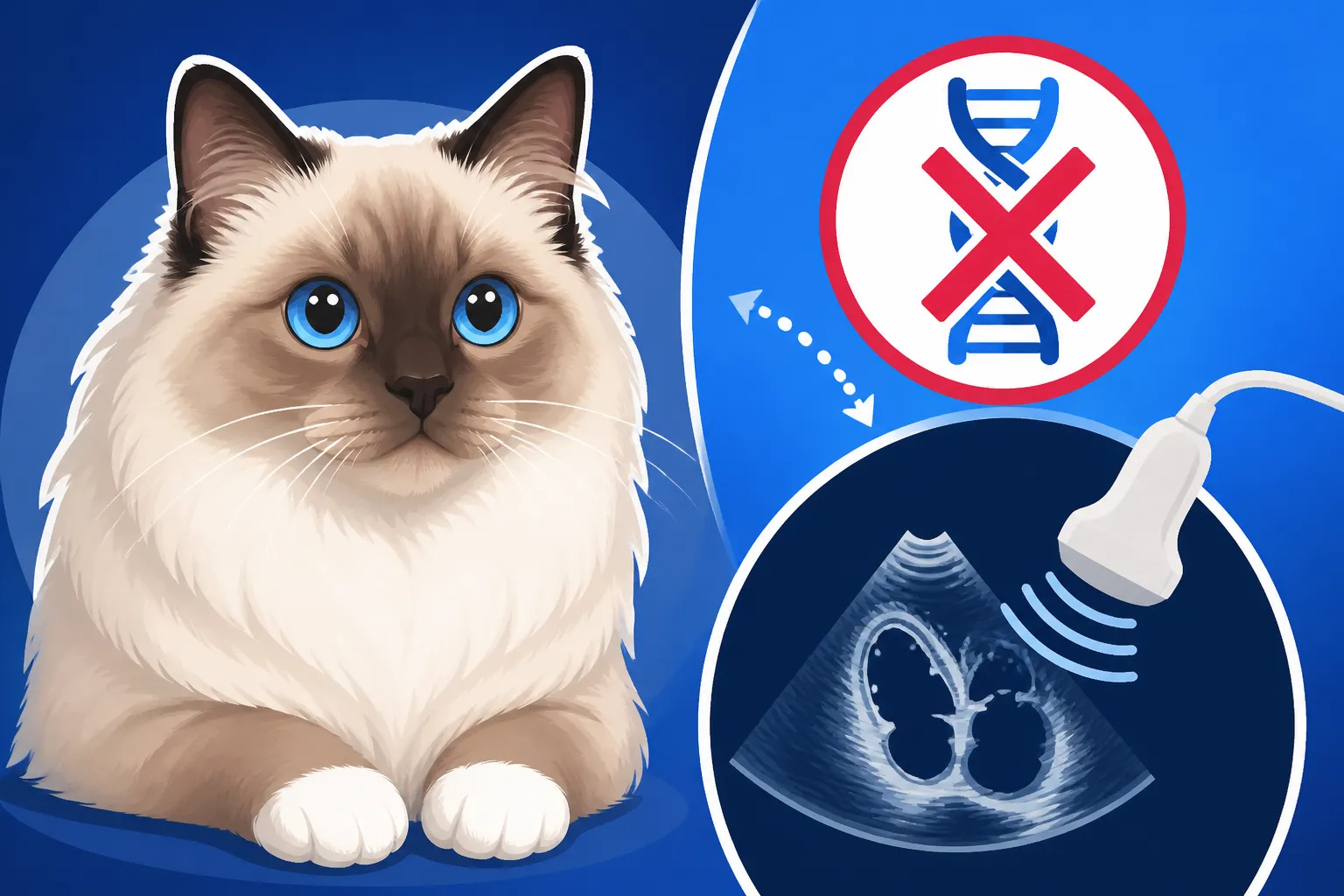
Finding out your beloved Birman might have a heart condition is one of the most terrifying things a cat parent can face. It’s a gut punch, especially when you consider how subtle and placid these beautiful cats can be, often hiding their discomfort until things are quite advanced. This guide is dedicated to shedding light on Hypertrophic Cardiomyopathy (HCM) in Birmans, explaining why, despite our hopes for a simple genetic fix, the gold standard for diagnosis remains a comprehensive echocardiogram.
The Heartbreaking Reality of HCM in Birmans
When we talk about health issues in our Birmans, few things can strike fear into our hearts quite like the mention of HCM. It's a condition that affects many purebred cats, and unfortunately, our lovely, quiet Birmans aren't exempt. The challenge is compounded by their stoic nature, which often means they're silently battling this serious disease without us even knowing until it's reached a critical stage.
What is Hypertrophic Cardiomyopathy?
At its core, Hypertrophic Cardiomyopathy is a primary disease of the heart muscle, meaning it's not caused by other underlying conditions like high blood pressure or hyperthyroidism. Instead, the walls of the heart, particularly the left ventricle, become abnormally thick – "hypertrophied." Imagine trying to pump water through a hose that’s suddenly much narrower on the inside; the pump has to work much harder. That's essentially what happens to your Birman's heart. This thickening reduces the heart's ability to fill with blood properly and effectively pump it out to the body.
This persistent overwork and inefficient pumping can lead to a cascade of problems. Over time, the thickened muscle stiffens, making the heart less elastic and reducing its overall capacity. Blood can back up into the lungs, causing fluid accumulation known as pulmonary edema, which leads to breathing difficulties. In some cases, the turbulent blood flow within the enlarged chambers can also lead to the formation of blood clots, particularly in the left atrium, which can then travel and cause blockages in other parts of the body, leading to paralysis or other severe complications like a saddle thrombus, where a clot lodges at the bifurcation of the aorta, cutting off blood supply to the hind legs. It's a truly devastating progression that we all hope to avoid.
Why the Birman is Prone to Heart Conditions
While not as statistically prevalent as in some other breeds like the Maine Coon or Ragdoll, HCM is still a significant concern within the Birman population. The breed's journey through history, particularly What a Narrow Founder Base Left in the Birman after World War II when the breed was almost entirely lost and rebuilt from a very small genetic pool, means that certain genetic predispositions can become more concentrated. This bottleneck effect can inadvertently amplify the prevalence of certain inherited conditions, even if the specific gene isn't a simple dominant or recessive trait.
Breeders committed to the long-term health of Birmans have been diligently working to screen their cats for decades, but the nature of HCM makes this a continuous battle. Unlike some other diseases that have clear-cut genetic markers, HCM is often polygenic, meaning multiple genes, along with environmental factors, might contribute to its development. This complexity makes it incredibly difficult to breed entirely clear of the disease without a definitive genetic test, necessitating constant vigilance through physical examinations and, crucially, regular cardiac imaging.
The Absence of a Reliable DNA Test for Birman HCM
It's a common wish among Birman owners and breeders alike: a simple cheek swab, a quick DNA test, and peace of mind. Unfortunately, when it comes to HCM in our beloved Birmans, that simple solution just isn't available yet. I know, it's frustrating, especially when you hear about DNA tests for other breeds. It leaves us feeling a bit in the dark, doesn't it?
Why Genetic Testing is So Desired
The appeal of a DNA test for a serious genetic disease like HCM is immense. Imagine the relief of knowing your kitten is genetically clear from birth, or that a breeding cat can't pass on a specific problematic gene. It would revolutionize breeding programs, allowing breeders to confidently select mates and phase out lines known to carry the risk. For pet owners, it offers a level of certainty and a roadmap for their cat's future health, potentially allowing for early intervention or at least preparation.
A DNA test is non-invasive, requiring just a simple cheek swab, and it can be done at any age. This ease of testing is why we all hope for one to be developed for every genetic condition. It removes the need for repeated, often expensive, veterinary procedures and reduces the stress on the animals themselves. The ability to identify carriers, not just affected individuals, is also a huge advantage, enabling breeders to make informed decisions and maintain genetic diversity while reducing disease prevalence.
The Complex Genetics of HCM
So, why don't Birmans have a definitive DNA test for HCM? The answer lies in the frustratingly complex genetics of the disease itself. While a few specific mutations have been identified in other breeds—notably the A31P mutation in Maine Coons and the R820W mutation in Ragdolls—these specific genes are not the primary cause of HCM in Birmans. This means that a test for those mutations would be irrelevant for a Birman; a "clear" result wouldn't actually tell you anything about their HCM risk.
For Birmans, and indeed for many cat breeds, HCM appears to be a polygenic disease, meaning it's influenced by multiple genes working together, sometimes in combination with environmental factors. Think of it like a complex recipe where many ingredients contribute to the final flavor, rather than a single ingredient being the be-all and end-all. Pinpointing all these contributing genes and understanding their interactions is an enormous scientific challenge. Researchers are actively working on it, but it's a slow, painstaking process. Until those specific Birman-related genetic markers are identified, characterized, and validated, we simply don't have a reliable DNA test that can tell us if a Birman carries or is predisposed to HCM.
Lessons from Other Breeds and Their DNA Tests
It's natural to look at other breeds, like the Maine Coon and the Ragdoll, and feel a pang of envy that they have widely available DNA tests for HCM. For example, the Maine Coon's A31P mutation, discovered in 2007, and the Ragdoll's R820W mutation allow breeders to screen potential parents and avoid breeding two carriers, which significantly reduces the incidence of this specific form of HCM in those lines. This has been a game-changer for those breeds.
However, even with these tests, it's important to understand they don't cover all forms of HCM within those breeds. Some Maine Coons and Ragdolls can still develop HCM despite being genetically clear for the known mutations, indicating that other, as yet undiscovered, genetic factors or environmental influences are at play. This reinforces the idea that HCM is a multifaceted disease. For Birmans, the absence of any identified specific genetic mutation means that breeders and owners must rely entirely on regular, diligent cardiac screening, typically through echocardiograms, to monitor their cats' heart health. It means the responsibility falls even more heavily on consistent veterinary care.
The Echocardiogram as the Gold Standard
Given the lack of a definitive DNA test, the echocardiogram stands as the undisputed champion for diagnosing HCM in Birmans. It’s a bit more involved than a cheek swab, but it offers a real-time, comprehensive look at your cat’s heart, giving us the crucial information we need.
What an Echocardiogram Reveals
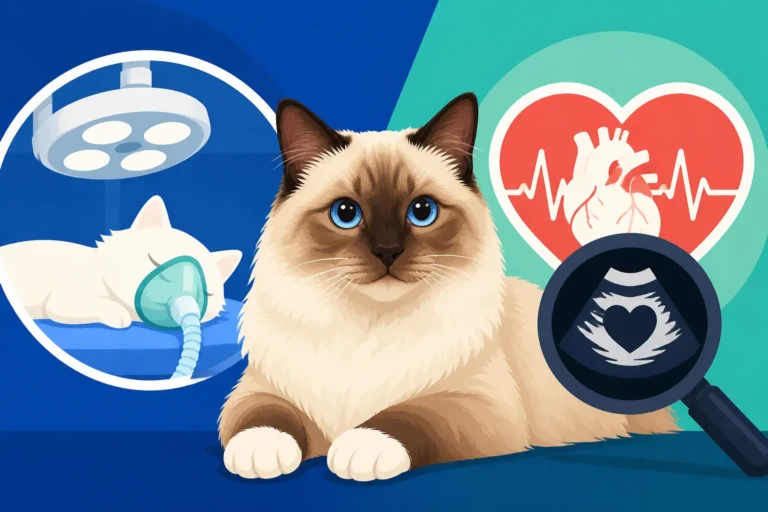
An echocardiogram is essentially an ultrasound of the heart. It uses sound waves to create a moving image of your Birman's heart in action. For a cat that struggles to breathe, the vet might want to perform an Whether a Birman Needs a Heart Scan Before Anesthetic before sedating your cat for a more thorough examination. During the procedure, the veterinary cardiologist can measure the thickness of the heart muscle walls, particularly the left ventricular wall and the interventricular septum. They can assess the size of the heart chambers, looking for any dilation or enlargement that might indicate inefficient pumping or blood backup.
Beyond simple measurements, the echo also allows the specialist to evaluate how well the heart valves are functioning, check for any abnormal blood flow (which can be a sign of obstruction or leakage), and observe the overall contractility of the heart muscle. They'll also look for signs of left atrial enlargement, a common indicator of significant HCM progression and an increased risk for blood clot formation. This detailed, dynamic view provides far more information than just listening with a stethoscope or taking an X-ray could ever hope to. It truly gives us a window into the inner workings of your cat's most vital organ.
The Importance of a Board-Certified Cardiologist
While your regular veterinarian might be able to detect a heart murmur or an arrhythmia during a routine check-up, diagnosing HCM accurately requires the expertise of a board-certified veterinary cardiologist. These specialists have undergone extensive additional training beyond veterinary school, focusing specifically on animal cardiology. They possess the nuanced knowledge to interpret complex echocardiogram images, differentiate between normal variations and early disease, and track subtle changes over time.
Their specialized equipment is also often more advanced, providing clearer, more precise images and measurements. Crucially, a cardiologist follows standardized protocols for measurements and interpretations, which allows for consistent screening results, especially important for breeding programs. If you're told Why a Murmur in a Birman Sends You Straight to an Echo, seeking out a specialist is the absolute best course of action. This consistency is vital, particularly when comparing results from different scans or different cats, and contributes to the integrity of health databases maintained by organizations like the Orthopedic Foundation for Animals (OFA) or PawPeds.
Understanding the OFA/PawPeds Grading System
For breeders and anyone serious about understanding the health of their Birman's lineage, the OFA (Orthopedic Foundation for Animals) and PawPeds databases are invaluable. After a board-certified cardiologist performs an echocardiogram, they will grade the results according to a standardized protocol. These results are then submitted to organizations like the OFA, which maintains a public database of health clearances.
Typically, a cat will be graded as "Normal" if no evidence of HCM is found, "Equivocal" if there are some borderline changes that warrant re-evaluation, or "Affected" if clear signs of HCM are present. This transparent system allows prospective kitten buyers to verify the cardiac health of a kitten's parents and grandparents, offering a layer of assurance. Reputable breeders will always share these official certifications with you, demonstrating their commitment to the health of their lines. This rigorous screening and transparent reporting is our best defense against the spread of HCM in Birmans in the absence of a DNA test.
| HCM Echocardiogram Result | Interpretation | Recommendation |
|---|---|---|
| Normal | Heart structure and function are within normal limits for the breed. No evidence of hypertrophic cardiomyopathy. | Continue regular screening, especially for breeding animals. For pets, annual check-ups are sufficient unless symptoms appear. |
| Equivocal | Mild, ambiguous changes are noted that do not definitively meet criteria for HCM, but are not entirely normal. These might be early signs or normal variations. | Re-evaluation by a board-certified cardiologist in 6-12 months is strongly recommended. Breeding is generally discouraged until a definitive "Normal" status is achieved. |
| Affected | Clear and measurable thickening of the heart walls, consistent with a diagnosis of hypertrophic cardiomyopathy. Degree of severity may vary (mild, moderate, severe). | Immediate consultation with a cardiologist for treatment options and ongoing management. Breeding is strictly contraindicated. |
| Probable | Often used in a clinical context when symptoms are present, and initial findings suggest HCM, but further diagnostics (e.g., full echo) are needed for confirmation. | Urgent referral to a board-certified cardiologist for comprehensive evaluation and definitive diagnosis. |
When to Start Screening and How Often
Navigating the world of cardiac screening can feel like a maze, especially with no DNA test to guide us. But understanding the typical recommendations for Birmans can help you feel more in control and ensure your furry family member gets the best possible care.
Ideal Age for First Screening
For Birmans destined for breeding programs, the general consensus among veterinary cardiologists and responsible breeders is to perform the first echocardiogram around one year of age. This initial scan establishes a baseline. While HCM can develop at any age, early onset is a serious concern, and screening at this age helps identify overtly affected individuals before they are bred. However, it's important to remember that a "clear" scan at one year doesn't guarantee a cat will remain clear for life. The disease can have a later onset.
For pet Birmans, if there are no signs of a heart murmur or other clinical symptoms, your regular veterinarian will typically listen to their heart during annual check-ups. If a murmur is detected at any point, that's when a referral for an echocardiogram becomes crucial, regardless of age. Early detection gives us the best chance to manage the condition and maintain a good quality of life. Even without a murmur, if you’re concerned, it’s always okay to discuss a baseline scan with your vet, especially if you know there’s a history of HCM in the cat’s family tree.
Frequency of Echo Scans for Breeding Cats
This is where things get serious for breeders. Because HCM can develop later in life, and because there's no DNA test for Birmans, breeding cats need regular, ongoing cardiac evaluations. The recommended frequency is generally an annual echocardiogram for all breeding Birmans, performed by a board-certified cardiologist. This rigorous schedule helps breeders stay vigilant and quickly identify any cat that develops HCM, removing them from the breeding program immediately.
Skipping these annual scans is a significant risk, as a cat that was clear at one or two years old could develop HCM by three or four, potentially passing on the predisposition if still being bred. This commitment to annual screening is a huge investment of time and resources for breeders, but it's a non-negotiable part of ethical breeding and paramount to improving the health of the breed. Reputable breeders will proudly show you the most recent echo results for their breeding cats, often registered with OFA or PawPeds, proving their dedication to this critical screening process. Remember, How Often a Breeding Birman Needs Scanning is a key question to ask any potential breeder.
Screening for Pet Birmans
For our cherished pet Birmans, the screening schedule is a bit different, but no less important. If your Birman has a clear heart history and no murmurs, routine annual veterinary check-ups are usually sufficient. During these visits, your vet will listen carefully to your cat's heart. Whether Annual Listening Is Enough for a Pet Birman often depends on individual risk factors and findings.
If your vet detects a heart murmur, an irregular heartbeat, or any other cardiac anomaly, a referral for an echocardiogram with a cardiologist is strongly recommended, regardless of your cat's age. This is the first step in finding out what's going on. Additionally, as Birmans age, perhaps around The Age a Birman Starts Needing Yearly Heart Checks after eight years old, some vets might suggest a baseline echo, especially if you're keen to be proactive. If you notice any changes in your cat's behavior, like reduced energy, faster breathing, or coughing, don't wait for the annual check-up – get them to the vet immediately, as these could be signs of developing heart issues. Pet insurance providers like Healthy Paws can be incredibly helpful here, as they often cover the costs of these diagnostic tests and subsequent treatments, easing the financial burden during a stressful time.
Signs and Symptoms of HCM in Your Birman
One of the biggest challenges with HCM, particularly in Birmans, is that our cats are masters of disguise. Their calm, tolerant nature means they often hide signs of illness until they are quite unwell. This makes it crucial for us, as their human companions, to be observant and know what subtle changes to look out for.
Subtle Early Indicators
HCM doesn't usually announce itself with dramatic symptoms in its early stages. Instead, you might notice very subtle shifts in your Birman's behavior or routine. Perhaps they're not quite as playful as they once were, choosing to nap more often or showing less interest in their favorite wand toy. You might find them seeking out quieter, more isolated spots in the house, away from the hustle and bustle. They might seem a little more tired after a short play session, or perhaps less enthusiastic about their usual evening chase. These aren't always definitive signs of heart disease, of course, but taken together, they can be a quiet whisper that something isn't quite right.
Another early indicator can be a slight decrease in appetite or a subtle change in their breathing pattern, although this can be incredibly hard to spot. You might notice they're breathing a little faster when at rest, or that their breathing seems a bit more labored than usual. These are things you might only pick up if you're really paying attention to your cat's normal habits. It’s worth reading Why a Birman Hides Illness Behind a Placid Temperament to better understand their inherent tendency to mask discomfort.
More Obvious Clinical Signs
As HCM progresses, the symptoms tend to become more pronounced and alarming. This is often when owners realize something is seriously wrong and seek urgent veterinary care. One of the most common and concerning signs of advanced HCM is difficulty breathing (dyspnea) or rapid breathing (tachypnea). Your Birman might start breathing with an open mouth, which is a significant emergency in cats, or you might notice their belly moving excessively with each breath. They might also develop a cough, although this is less common in cats with heart disease than in dogs.
Another devastating, and unfortunately, often the first obvious sign of HCM for many owners, is sudden hind leg weakness or paralysis. This is typically caused by a saddle thrombus, a blood clot that has formed in the heart, traveled down the aorta, and lodged at the point where it splits to supply the hind legs. This is an extremely painful and critical emergency, often causing a cat's back legs to become cold, stiff, and useless in a very short amount of time. If you see any of these more severe signs, do not wait – get your Birman to an emergency vet immediately. Recognizing How HCM Shows Up in a Birman can truly be life-saving.
Why a Quiet Birman Is Easy to Misread
The Birman's calm and gentle disposition, which we all adore, can ironically be a detriment when it comes to detecting illness. Unlike some more vocal or overtly dramatic cat breeds, a Birman often internalizes pain or discomfort. They might not cry out, pace restlessly, or refuse food in an obvious way. Instead, they might simply become a little more withdrawn, a little less interactive, or sleep a bit more deeply.
For a cat that naturally enjoys quiet companionship rather than boisterous play, these subtle changes can be incredibly easy to miss or dismiss as simply "getting older" or "being a Birman." It's not always clear How to Tell a Quiet Birman From an Unwell One. This is why vigilance and knowing your individual cat's baseline behavior are so important. Even a slight alteration in their routine, their favorite sleeping spot, or their interaction with you should prompt closer observation. If you suspect anything is off, trust your gut. A visit to the vet for a thorough check-up is always better safe than sorry, especially with a condition as serious and silent as HCM.
Managing a Birman Diagnosed with HCM
Receiving an HCM diagnosis for your Birman is devastating. It's a moment when your heart drops, and a million questions race through your mind. But it's important to remember that a diagnosis is not an immediate death sentence. While HCM is not curable, it is manageable, and with the right care, many Birmans can go on to live a comfortable life for years.
Treatment Options and Medications
Once HCM is diagnosed, your veterinary cardiologist will develop a tailored treatment plan, which almost always includes medication. The specific drugs chosen depend on the severity of the disease, the presence of clinical signs, and any secondary complications. Common medications include beta-blockers, such as atenolol or sotalol, which help slow the heart rate and improve its ability to fill. ACE inhibitors, like enalapril or benazepril, might be prescribed to help relax blood vessels and reduce the workload on the heart.
Diuretics, such as furosemide, are crucial if there's any fluid buildup in the lungs (pulmonary edema), helping to clear the fluid and ease breathing. Perhaps most critical for advanced cases, especially if there's evidence of left atrial enlargement, are anti-coagulant medications, like clopidogrel (Plavix). These drugs are vital for preventing the formation of dangerous blood clots that can lead to a saddle thrombus. It’s a complex regimen, and your vet will explain Which Drugs a Birman Goes On After an HCM Diagnosis in detail, but it’s all aimed at easing the heart’s burden and improving your cat's quality of life.
Lifestyle Adjustments for a Heart Cat
Beyond medication, there are several lifestyle adjustments you can make to support your Birman with HCM. Reducing stress is paramount. Birmans are generally calm, but any sudden changes, loud noises, or unfamiliar visitors can be unsettling. Creating a predictable, quiet environment, with plenty of safe, comfortable resting spots, will go a long way. Gentle, short play sessions are fine, but strenuous activity should be avoided. Don't push them to play if they're showing signs of fatigue.
Dietary considerations are also important. Your cardiologist might recommend a low-sodium diet, especially if your cat is retaining fluid. High-quality wet food is generally preferred over dry kibble to ensure adequate hydration. Maintaining a healthy weight is also critical; obesity puts extra strain on the heart. Regular, quiet monitoring of their breathing rate at rest can also be very helpful. If you notice a significant increase, it's a red flag. Your vet might advise How a Vet Manages a Birman Whose Echo Came Back Thickened, including these practical home care tips.
Prognosis and Quality of Life
It's natural to wonder about the prognosis after an HCM diagnosis. While there's no way to predict exactly How Long a Birman Lives After Its Heart Is Diagnosed, diligent management can often significantly extend a Birman's life and maintain a good quality of life. Some cats can live for several years comfortably with medication, while others may progress more rapidly. Regular follow-up appointments with your cardiologist, typically every 3-6 months, are essential to monitor the disease progression and adjust medications as needed.
The key is focusing on their comfort and happiness. If your Birman is still eating, interacting, and free from severe breathing difficulties or pain, then the treatment is working. It can be a long journey, filled with ups and downs, but remember you're not alone. Many owners of Birmans with HCM successfully manage the condition, giving their beloved companions many more happy, purring years. Pet insurance plans, such as those offered by Healthy Paws, can be invaluable during this time, helping to cover the ongoing costs of medications, specialist visits, and any emergency care, allowing you to focus on your cat's well-being without added financial stress.
Breeding Responsibly and Preventing HCM Transmission
The responsibility of a Birman breeder goes far beyond producing beautiful kittens with perfect gloves. It encompasses a deep commitment to the health and longevity of the breed, especially when facing conditions like HCM that lack a simple genetic test. Ethical breeding practices are the cornerstone of preventing the spread of this devastating disease.
The Breeder's Role in Health Screening
Responsible Birman breeders are at the forefront of the fight against HCM. Their primary tool, as we've discussed, is the regular echocardiogram performed by a board-certified veterinary cardiologist. These breeders will screen all their breeding cats annually, meticulously tracking the health of their lines. They understand that even a "clear" scan at one year isn't a lifetime guarantee, and ongoing vigilance is paramount.
Beyond just screening, ethical breeders are transparent. They should be willing to provide documentation of their cats' OFA or PawPeds certifications, showing "Normal" results. They're not just scanning; they're sharing the results publicly or readily with prospective kitten buyers. This transparency helps maintain the integrity of the breed and allows informed decisions to be made by those looking to welcome a Birman into their home. This commitment is often reflected in the price of a kitten, as these health checks are a significant investment, but one that is absolutely essential for the future health of the breed. You should expect a breeder to be open about Why a Birman Breeder Publishes Echo Results.
Why Carriers and Affected Cats Should Not Be Bred
While we don't have a DNA test to identify carriers of HCM in Birmans, the principle remains the same: any cat diagnosed with HCM, regardless of severity or age of onset, should be immediately removed from a breeding program. Breeding an affected cat, even if they have a mild form of the disease, risks passing on the genetic predisposition to future generations, increasing the prevalence of HCM within the breed.
Similarly, if a cat's parents, siblings, or other close relatives have developed HCM, even if the individual cat remains clear, a responsible breeder will exercise extreme caution. In some cases, cats from lines with a high incidence of HCM may be retired from breeding even if they themselves test clear, to avoid propagating a potentially problematic lineage. This strict adherence to health protocols, while sometimes difficult for breeders who are emotionally invested in their cats, is absolutely critical for the long-term health and reputation of the Birman breed.
Asking the Right Questions When Choosing a Birman Kitten
As a prospective Birman owner, you have a vital role to play in supporting responsible breeding practices and protecting the health of your future companion. Don't be afraid to ask direct, thorough questions of any breeder you consider. This isn't being pushy; it's being a responsible pet parent.
Here are some key questions to ask:
- "Can I see the echocardiogram results for both parents of the kitten?" Look for official OFA or PawPeds certifications stating "Normal" and verify the date of the most recent scan. They should be current within the last 12-18 months.
- "Are you using a board-certified veterinary cardiologist for your screenings?" This is crucial for accurate interpretation.
- "What is the history of HCM in your lines and the pedigree?" A reputable breeder will be honest and transparent about any known cases, even if they're generations back, and explain how they've managed those risks.
- "Do your breeding contracts include health guarantees for HCM?" Understand what this guarantee entails and for how long it is valid.
A good breeder will welcome these questions and be eager to educate you. They understand that informed buyers contribute to a healthier breed. Choosing a kitten from a breeder who prioritizes and proves their health screening is your best defense against the heartbreak of HCM.
Disclaimer
The information provided in this article is for general informational purposes only and does not constitute veterinary advice. Always consult with a qualified veterinarian or a board-certified veterinary cardiologist regarding any health concerns or before making any decisions about your Birman's medical care or breeding program. Individual situations may vary, and only a veterinary professional can provide an accurate diagnosis and appropriate treatment plan.