Which Drugs a Birman Goes On After an HCM Diagnosis
Getting the news that your beloved Birman has been diagnosed with Hypertrophic Cardiomyopathy (HCM) can feel like a punch to the gut. It's a scary time, full of uncertainty about what comes next and how you can best support your furry family member. This guide aims to demystify the medical side of things, walking you through the common medications your vet might prescribe and why they're so vital for managing your Birman's heart health.
Understanding Hypertrophic Cardiomyopathy in Birmans
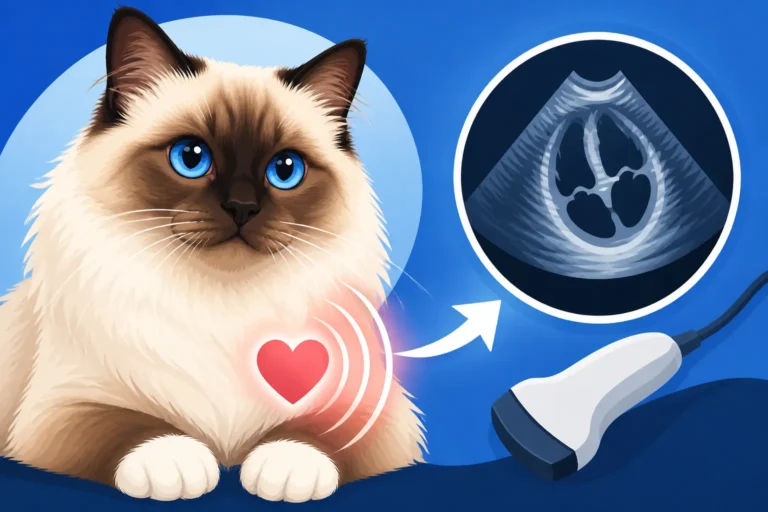
Hypertrophic Cardiomyopathy, or HCM, is the most common heart disease in cats, and unfortunately, Birmans are among the breeds with a predisposition to it. This condition causes the muscular walls of the heart's main pumping chamber, the left ventricle, to thicken abnormally. This thickening makes it harder for the heart to pump blood effectively and relax properly to fill with blood between beats. It’s a progressive disease, meaning it tends to worsen over time, and sadly, HCM in a Birman Has No DNA Test, Only an Echo to confirm its presence.
The frustration for many Birman owners is that symptoms often don't appear until the disease is quite advanced. Your placid Birman might mask discomfort, as Why a Quiet Birman Is Easy to Misread. They might slow down, have less energy, or even stop jumping as much, which could be subtle indicators. This is why regular veterinary check-ups, especially The Age a Birman Starts Needing Yearly Heart Checks, are so crucial, even if your Birman seems perfectly fine. Catching HCM early, through regular screenings like Why an Echo Is the Only Way to Screen a Birman, can be life-changing, as it allows for earlier intervention and better management of symptoms.
Core Medications for Managing Heart Thickening and Function
Once your Birman receives an HCM diagnosis, typically through an echocardiogram, your veterinarian will develop a treatment plan. This plan is almost always centered around medication designed to improve heart function, reduce strain on the heart, and prevent complications. It’s important to remember that these medications don't cure HCM; they manage the symptoms and slow its progression.
Beta-Blockers to Slow Heart Rate
One of the most frequently prescribed classes of drugs for Birmans with HCM is beta-blockers. These medications work by blocking the effects of adrenaline on the heart, which in turn slows the heart rate and allows the left ventricle more time to fill with blood between beats. A slower, more controlled heart rate also reduces the heart's workload and can decrease the dynamic outflow tract obstruction that sometimes occurs with a thickened septum.
Common beta-blockers used in veterinary medicine include atenolol and propranolol. Your vet will carefully calculate the dosage based on your Birman's weight and the severity of their condition. It’s not uncommon to start with a lower dose and gradually increase it, monitoring your cat for side effects like lethargy or a significantly reduced appetite. Atenolol, for instance, is often favored due to its once-daily dosing, which can make administration easier for owners and less stressful for the cat. While the idea of your cat being on lifelong medication can be daunting, these drugs are often the first line of defense in making your Birman's heart work more efficiently and comfortably.
Calcium Channel Blockers for Relaxation
Calcium channel blockers are another vital tool in the HCM management arsenal, often used either alone or in conjunction with beta-blockers. Drugs like diltiazem work by relaxing the heart muscle, particularly the thickened walls of the ventricle. This helps the heart fill more easily with blood, improving overall cardiac function. They also help to reduce the resistance the heart has to pump against, thereby reducing blood pressure.
Diltiazem is commonly prescribed for cats, available in different formulations, including extended-release capsules, which can simplify daily dosing. This relaxation effect is crucial because a thickened heart muscle doesn't just struggle to pump; it also struggles to relax and allow blood in. By improving this relaxation phase, calcium channel blockers can significantly enhance your Birman's quality of life and reduce the symptoms associated with inadequate blood flow. Discussing any potential side effects, such as mild gastrointestinal upset or a temporary decrease in activity, with your vet is important so you know what to look out for.
ACE Inhibitors to Reduce Strain
Angiotensin-Converting Enzyme (ACE) inhibitors are another cornerstone of therapy for cats with HCM, particularly when signs of congestive heart failure are present. Medications like benazepril or enalapril work by blocking a hormone system in the body that can lead to blood vessel constriction and fluid retention. By inhibiting this system, ACE inhibitors cause blood vessels to relax and widen, reducing the pressure the heart has to pump against. This "afterload reduction" lessens the strain on the already compromised heart.
Furthermore, ACE inhibitors can help prevent or reduce the remodeling of the heart muscle that often occurs in HCM, which is the heart trying to compensate for its inefficiency by changing its structure. They are often added to a regimen that already includes beta-blockers or calcium channel blockers, especially as the disease progresses. While your vet will closely monitor your Birman's kidney function, as these drugs can sometimes affect the kidneys, their benefits in managing heart failure symptoms are often substantial. A comprehensive pet insurance plan, such as one from Healthy Paws, can be incredibly helpful in covering the ongoing costs of these essential medications and diagnostic tests.
Addressing Potential Complications with Additional Drugs
Beyond directly managing heart muscle thickening and function, a Birman with HCM is also at risk for several serious complications, which often require their own set of medications. These can include fluid buildup in the lungs or abdomen (congestive heart failure) and the formation of blood clots.
Diuretics for Fluid Management
If your Birman develops congestive heart failure, which means fluid is accumulating in their lungs (pulmonary edema) or around other organs, diuretics become a critical part of their treatment plan. Furosemide, often called Lasix, is the most commonly used diuretic in cats. It works by increasing the production of urine, which helps to remove excess fluid from the body. This directly alleviates symptoms like difficulty breathing, coughing, or abdominal swelling, making your Birman much more comfortable.
The dosage of furosemide is typically adjusted based on your Birman's response and their hydration status, with close monitoring of kidney values. It’s important to ensure your cat has constant access to fresh water as they will be urinating more frequently. While effective at removing fluid, diuretics can also lead to dehydration and electrolyte imbalances if not managed carefully. Your vet will explain How a Vet Manages a Birman Whose Echo Came Back Thickened and has started showing signs of fluid retention, emphasizing the importance of balancing fluid removal with maintaining overall well-being.
Anti-Clotting Agents to Prevent Thromboembolism
One of the most devastating complications of HCM in cats is arterial thromboembolism, often referred to as "saddle thrombus." This occurs when a blood clot forms in the heart, breaks off, and travels through the bloodstream, usually lodging in the femoral arteries that supply blood to the back legs. This results in sudden paralysis and severe pain in the hind limbs, and How a Birman's Thickened Heart Throws a Clot to Its Legs is a terrifying reality for many owners.
To prevent this, veterinarians often prescribe anti-clotting medications, such as clopidogrel (Plavix). Clopidogrel works by making platelets in the blood less sticky, thereby reducing the likelihood of clot formation. This is a crucial preventative measure for Birmans at high risk of clot formation, based on the severity of their HCM and certain echocardiographic findings. Regular administration of this medication can significantly lower the risk of this often-fatal complication. It's a long-term commitment, but one that can dramatically improve How Many Years a Birman Lives After Its Heart Is Diagnosed. Again, for these long-term medications, a robust pet insurance like Healthy Paws can provide much-needed support for the continuous costs.
Living with HCM: Long-Term Care and Monitoring
Receiving an HCM diagnosis for your Birman changes the landscape of their care, but it doesn't mean an end to their happy life. With consistent medication and diligent monitoring, many Birmans can continue to live comfortably for years. The goal is always to maintain their quality of life.
Regular Veterinary Check-ups and Adjustments
Living with an HCM diagnosis means becoming a very attentive cat parent. Regular veterinary check-ups are non-negotiable. These visits allow your vet to reassess your Birman's heart function, listen for any changes, and perform repeat echocardiograms as needed. Blood tests will also be crucial to monitor kidney function, especially if your Birman is on ACE inhibitors or diuretics, and to check electrolyte levels. Your vet will adjust medication dosages as necessary based on these findings and your Birman's overall condition. Remember that What an Ageing Birman Slows Down From could be related to worsening HCM, so reporting any changes in behavior or energy levels is vital.
It's a dynamic process, and there will be times when medication regimens need to be tweaked. Always follow your vet's instructions precisely, and never stop or change medication without consulting them. Keeping a detailed log of your Birman's appetite, water intake, activity levels, and breathing patterns can be incredibly helpful for your vet in making informed decisions.
Home Monitoring and Supportive Care
Beyond vet visits, a lot of effective HCM management happens at home. You'll become adept at observing your Birman for subtle signs of distress. Monitoring their breathing rate while they sleep (counting breaths per minute) can be an early indicator of fluid buildup. A normal sleeping respiratory rate is typically less than 30 breaths per minute. Any sustained increase warrants a call to your vet. Also, pay attention to their appetite and activity levels. If your Birman seems unusually lethargic or reluctant to engage in activities they once enjoyed, it could be a sign that their condition is worsening or that their medication needs adjustment.
Ensuring your Birman has a calm, stable environment is also important. Stress can impact heart health, so minimizing sudden changes and providing plenty of quiet, comfortable resting spots will be beneficial. While Caring for a Birman Once Its Points Have Gone Dark usually relates to cosmetic changes of aging, it's also a reminder that older Birmans may have underlying health issues, including HCM, that require extra vigilance. The emotional toll of caring for a pet with chronic illness is real, so don't hesitate to reach out to your vet for support or to connect with online communities of other Birman owners managing HCM. This journey, while challenging, allows for many more cherished moments with your beloved companion.
| Medication Type | Common Examples | Primary Action | Goal in HCM Management |
|---|---|---|---|
| Beta-Blockers | Atenolol, Propranolol | Slows heart rate, reduces contractility. | Allows more time for ventricular filling, reduces oxygen demand of the heart, decreases dynamic outflow obstruction. |
| Calcium Channel Blockers | Diltiazem | Relaxes heart muscle, reduces blood pressure. | Improves ventricular relaxation and filling, reduces resistance to blood flow. |
| ACE Inhibitors | Benazepril, Enalapril | Dilates blood vessels, reduces fluid retention. | Lowers blood pressure, reduces strain on the heart, helps prevent cardiac remodeling, useful in heart failure. |
| Diuretics | Furosemide | Increases urine output to remove excess fluid. | Alleviates fluid buildup in lungs (pulmonary edema) or abdomen due to congestive heart failure, improves breathing. |
| Anti-Clotting Agents | Clopidogrel (Plavix) | Prevents blood platelets from clumping together. | Reduces the risk of blood clot formation in the heart and subsequent arterial thromboembolism (saddle thrombus). |
Disclaimer
This article is intended for informational purposes only and does not constitute veterinary advice. Always consult with a qualified veterinarian for any health concerns or before making any decisions about your Birman's medical care or treatment plan.