How a Vet Manages a Birman Whose Echo Came Back Thickened
The moment you hear the words "your Birman's heart scan came back thickened," it can feel like your world stops. That overwhelming fear and uncertainty about what comes next, what it truly means for your beloved companion, and how you’re possibly going to manage it all is a heavy burden. This comprehensive guide is here to walk you through understanding a hypertrophic cardiomyopathy (HCM) diagnosis in your Birman, the crucial steps a veterinary team will take, and how you can support your cat every step of the way to ensure the best possible quality of life.
Understanding a Thickened Heart in Your Birman
It’s natural to feel utterly blindsided by a diagnosis like this, especially if your Birman has seemed outwardly healthy. The reality is that heart conditions, particularly Hypertrophic Cardiomyopathy, can be notoriously silent until they’re quite advanced. Getting a clear understanding of what's happening inside your cat's chest is the first step toward managing it.
What Hypertrophic Cardiomyopathy (HCM) Actually Means
Hypertrophic Cardiomyopathy, or HCM, is the most common heart disease in cats, and unfortunately, Birmans are among the breeds genetically predisposed to it. In simple terms, HCM means the muscular walls of your cat’s heart, particularly the left ventricle, become abnormally thick. Imagine a normal heart muscle as a finely tuned, elastic pump. With HCM, this muscle becomes stiff and bulky. This thickening reduces the chamber's ability to hold enough blood and makes it harder for the heart to relax and fill properly between beats. The heart tries to compensate by working harder, which paradoxically can lead to even more thickening over time.
This isn't just a minor issue; the heart’s efficiency is compromised. It can lead to a buildup of pressure in the heart, backing up into the lungs, and other serious complications. Unlike some genetic conditions, there’s a critical piece of information many Birman owners might be looking for: HCM in a Birman Has No DNA Test, Only an Echo. This means that while genetic predisposition exists, there isn't a simple blood test to definitively identify the disease or carriers, making regular physical screening even more important for the breed. Knowing this can help you understand why your vet relies so heavily on specialized imaging.
Why the Echo Scan Is the Gold Standard for Diagnosis
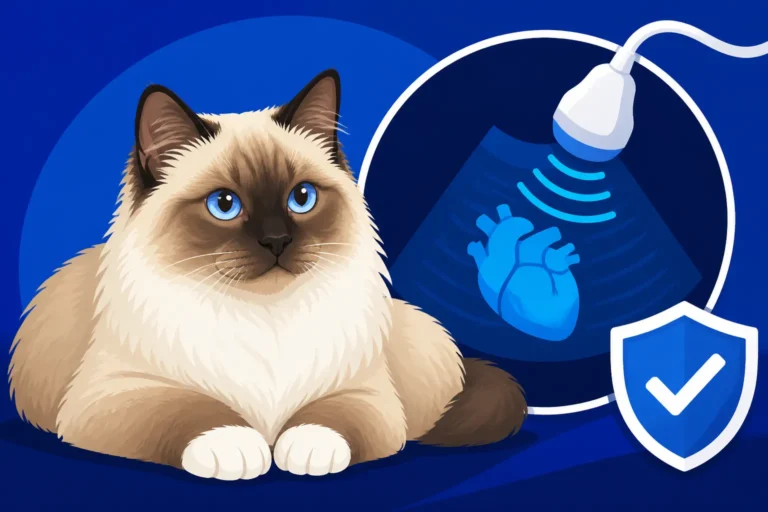
You might be wondering how a vet even detects such a hidden condition. This is where the echocardiogram, often just called an "echo," comes in. An echo is essentially an ultrasound of the heart. It’s non-invasive, meaning it doesn't require surgery, and it provides real-time images of your Birman's heart in motion. This powerful diagnostic tool allows a veterinary cardiologist to visualize the heart's structures, measure the thickness of the ventricular walls, assess the size of the heart chambers, and observe how blood flows through the valves. They can see if the thickening is uniform or patchy, if there's any abnormal movement of the mitral valve (which can obstruct blood flow), and if there's any fluid buildup around the heart or in the lungs.
While your regular vet might pick up a heart murmur or an abnormal rhythm during a routine check-up, these are often just indicators that something might be wrong. A murmur is merely the sound of turbulent blood flow, and it doesn't tell you the underlying cause. In fact, Why a Murmur in a Birman Sends You Straight to an Echo is a question many owners ask. The answer is simple: an echo provides the definitive answers that a stethoscope simply cannot. It can differentiate HCM from other heart conditions, determine the severity, and help stage the disease, which is crucial for guiding treatment decisions. Without an echo, you’re essentially guessing, and when it comes to heart health, precise information is everything.
Initial Steps After a Thickened Heart Diagnosis
Receiving an HCM diagnosis is a lot to process. It’s a moment when you realize that your cat’s health journey has taken a serious turn. But it’s also the start of a proactive phase where you and your veterinary team can work together to give your Birman the best possible outcome. Don't feel like you have to navigate this alone.
Working Closely With Your Veterinary Cardiologist
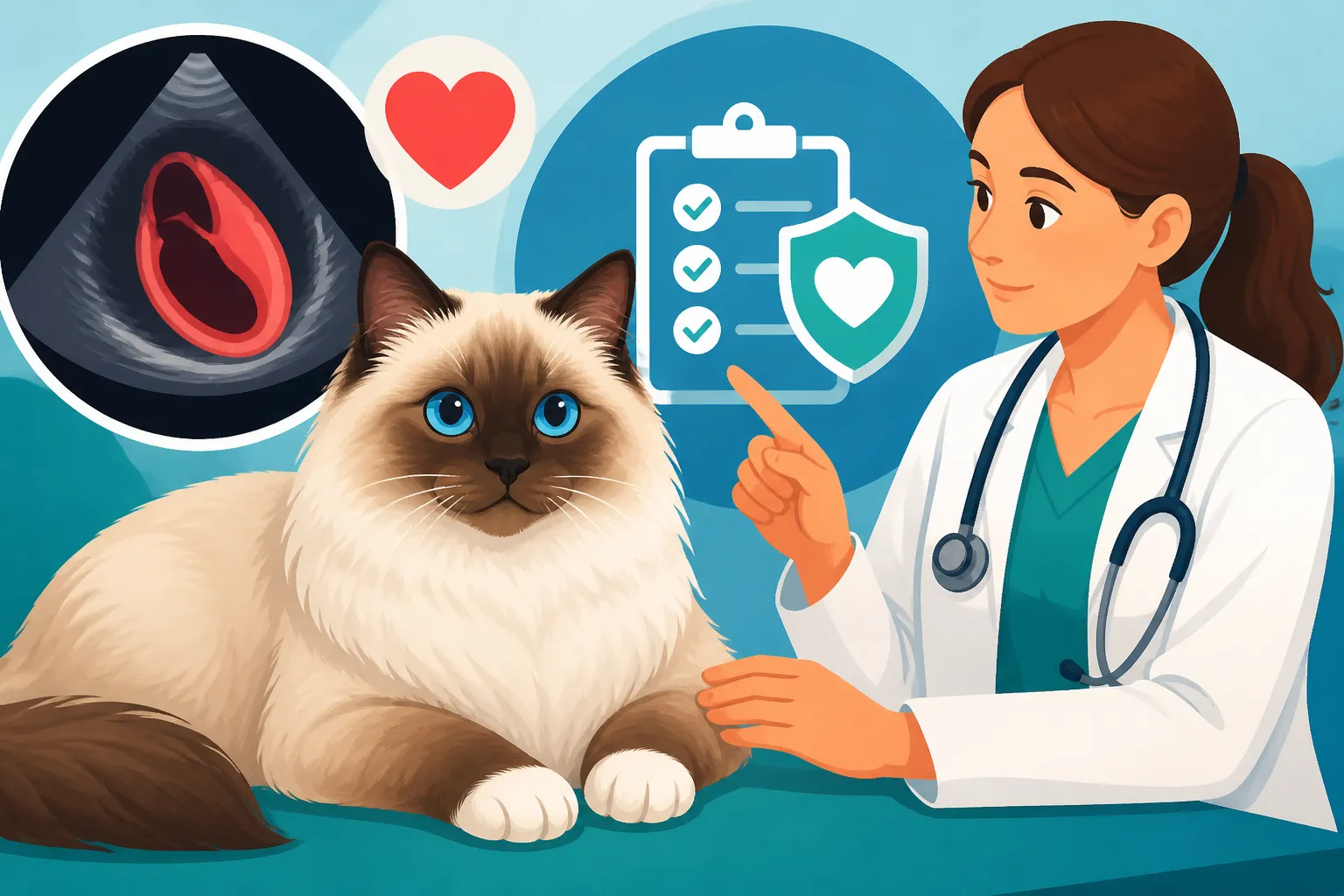
The first and most important step after a thickened heart diagnosis is to establish a strong working relationship with a board-certified veterinary cardiologist. While your regular veterinarian is wonderful for general care, a cardiologist specializes in heart conditions and has the advanced training and equipment to manage complex cases like feline HCM. They will be the one interpreting those echo results, prescribing specific medications, and adjusting treatment plans as needed. Don't hesitate to ask for a referral if your primary vet doesn't have an in-house cardiologist.
When you meet with the cardiologist, come prepared with questions. Ask about the specific measurements they took, what stage of HCM your Birman is in, what the prognosis looks like, and what their proposed treatment plan entails. Don't be afraid to ask for explanations in plain language; medical jargon can be overwhelming. They can detail How HCM Shows Up in a Birman specifically in your cat's case. Understanding the "why" behind each medication and recommendation will empower you to be a better advocate for your cat. This partnership is vital for long-term management and can truly make a difference in your Birman's quality of life and longevity.
Lifestyle Adjustments to Support Heart Health
While medication plays a central role in managing HCM, there are significant lifestyle adjustments you can make at home to support your Birman’s heart health. Think of these as complementary therapies that create the optimal environment for your cat to thrive despite their condition. One primary area is diet. Your cardiologist might recommend a diet that is lower in sodium, as excess sodium can contribute to fluid retention and put extra strain on the heart. Some specialized cardiac diets are formulated with appropriate levels of nutrients like taurine, an amino acid essential for heart function, though taurine deficiency is less common with modern commercial cat foods.
Beyond diet, reducing stress is paramount. Cats, and especially Birmans with their generally placid nature, can be sensitive to environmental changes. Maintaining a calm, predictable home environment, sticking to a consistent routine, and providing quiet, safe spaces can minimize stress. Avoid sudden loud noises or overly boisterous activities. Gentle, low-impact play is fine, but strenuous running or jumping should be discouraged. Observe your Birman's energy levels and let them dictate the pace. Remember, the goal isn't to stop them from being a cat, but to protect their heart from undue exertion. It’s also important to acknowledge that The Age a Birman Starts Needing Yearly Heart Checks can vary, but once diagnosed, these checks become much more frequent and critical.
Medical Management and Treatment Options
Once your Birman has a confirmed HCM diagnosis with a thickened heart, medical management becomes the cornerstone of their care. This isn't a one-size-fits-all approach; your veterinary cardiologist will tailor a medication regimen specifically for your cat's needs, often adjusting it over time based on their response.
Medications Commonly Prescribed for Birman HCM
The primary goal of HCM medication is to improve heart function, reduce symptoms, and prevent complications. You can expect your Birman to be on a combination of drugs. Beta-blockers, like atenolol, are often prescribed to slow the heart rate, allow the heart more time to fill with blood, and help the thickened muscle relax more effectively. They can also reduce myocardial oxygen demand, essentially making the heart work more efficiently.
Another class of drugs you might encounter are ACE inhibitors, such as benazepril. These medications help to lower blood pressure, reduce the workload on the heart, and can also offer some protective benefits for the kidneys, which can be affected by chronic heart disease. If your Birman starts to show signs of fluid accumulation, typically in or around the lungs, diuretics like furosemide will be added to the regimen. These drugs help the body excrete excess fluid, making breathing easier and reducing discomfort.
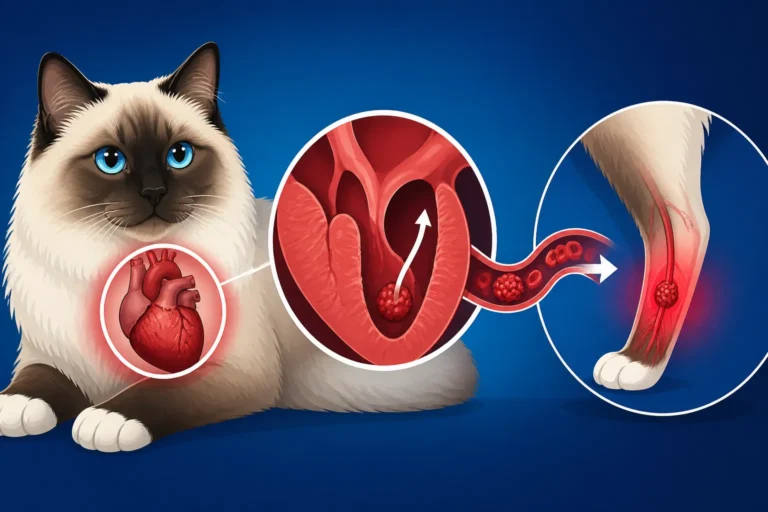
Perhaps one of the most critical medications for Birmans with HCM is an anti-coagulant, often clopidogrel. Due to the turbulent blood flow and potential for an enlarged left atrium in HCM cats, there's a significant risk of blood clot formation. These clots can break off and travel to other parts of the body, most commonly to the hind legs, causing a devastating condition known as feline aortic thromboembolism (FATE). You absolutely need to understand How a Birman's Thickened Heart Throws a Clot to Its Legs, as it's one of the most acute and painful complications. Preventing this is a major focus of medication.
Here's a quick overview of common medications:
| Medication Class | Example Drug | Primary Role | Key Benefits |
|---|---|---|---|
| Beta-Blockers | Atenolol | Slows heart rate, improves ventricular relaxation | Reduces heart's workload, allows better filling, eases chest pain |
| ACE Inhibitors | Benazepril | Lowers blood pressure, reduces heart's afterload | Improves blood flow, protects kidneys, reduces fluid retention |
| Diuretics | Furosemide | Removes excess fluid from the body | Relieves fluid in lungs (pulmonary edema) and body, eases breathing |
| Anti-coagulants | Clopidogrel | Prevents blood clot formation | Crucial for preventing arterial thromboembolism (FATE) |
| Calcium Channel Blocker | Diltiazem | Controls heart rate, improves relaxation, reduces obstruction (if present) | Similar to beta-blockers, chosen based on individual cat response |
Monitoring Your Birman's Response to Treatment
Putting your Birman on medication is just the beginning; diligent monitoring is essential to ensure the treatment is effective and to make adjustments as needed. Your veterinary cardiologist will schedule regular follow-up appointments, which will likely include repeat echocardiograms. These subsequent echoes are vital for determining What a Cardiologist Measures on a Birman's Heart Wall to track changes in thickness, chamber size, and overall heart function. These measurements help them see if the heart is stabilizing, worsening, or even occasionally improving. The frequency of these scans might depend on the severity of the HCM and your Birman's response, but often they are recommended every 6-12 months.
Beyond echo scans, regular blood tests will be necessary to monitor kidney function, especially since some heart medications can affect the kidneys. Your vet might also want to check blood pressure to ensure medications are working optimally without causing hypotension. At home, you play a critical role in daily monitoring. Keep an eye on your Birman’s breathing rate – a resting respiratory rate consistently above 30 breaths per minute can be a red flag for fluid in the lungs. Note any changes in appetite, energy levels, coughing, or hiding behavior. Given that Why a Birman Hides Illness Behind a Placid Temperament is a known characteristic, you need to be extra vigilant for subtle signs that something isn't quite right. Your observations are invaluable to your vet.
Navigating Potential Complications
While medications and lifestyle adjustments can significantly improve a Birman's quality of life with HCM, it's also important to be aware of potential complications. Being prepared and knowing what to look for can mean the difference between life and death in an emergency.
Understanding the Risk of Thromboembolism Blood Clots
One of the most devastating complications of HCM in cats is feline aortic thromboembolism (FATE), or saddle thrombus. This happens when a blood clot, which often forms in the enlarged left atrium due to sluggish or turbulent blood flow, breaks off and travels through the bloodstream. It most commonly lodges at the end of the aorta, where the artery splits to supply blood to the hind legs. The result is a sudden and extremely painful blockage of blood flow to the legs.
The signs of a saddle thrombus are dramatic and frightening: sudden onset lameness, paralysis of one or both hind legs, intense vocalization due to pain, cold hind paws, and often a lack of pulse in the femoral arteries (in the groin). This is a true veterinary emergency. As devastating as it sounds, understanding Why a Birman's Back Legs Go Cold and Useless in an Hour is crucial for immediate action. If you ever suspect your Birman is experiencing a blood clot, get them to an emergency vet immediately. Time is of the essence for pain management and attempting to restore blood flow, though the prognosis can be guarded. This is why anti-coagulant medications are so vital in cats diagnosed with HCM.
Managing Congestive Heart Failure CHF
Another serious complication is congestive heart failure (CHF). This occurs when the heart's pumping ability becomes so impaired that fluid starts to back up into the body. In cats, this fluid most commonly accumulates in and around the lungs (pulmonary edema or pleural effusion), making it difficult for them to breathe. Signs of CHF include increased respiratory rate, labored breathing (mouth breathing, panting, or abdominal effort), coughing (though less common in cats than dogs), lethargy, and a reduced appetite. You might also notice a decreased tolerance for activity.
If your Birman develops CHF, their treatment plan will likely be intensified, particularly with diuretics to help remove the excess fluid. Oxygen therapy might be needed in severe cases, and they may require hospitalization to stabilize. While managing CHF is challenging, it's not a definitive endpoint. With careful medication adjustments and vigilant monitoring, many Birmans can still enjoy a good quality of life for a period. However, it does signify a more advanced stage of heart disease, and discussions about long-term prognosis and quality of life with your cardiologist become even more critical.
Long-Term Care and Quality of Life
Living with a Birman diagnosed with a thickened heart is a journey, not a sprint. It requires dedication, patience, and a deep commitment to their ongoing well-being. The focus always remains on maintaining the highest possible quality of life for your cherished companion.
The Importance of Consistent Veterinary Care and Records
Consistency is key when managing a chronic condition like HCM. Sticking to your veterinary cardiologist's recommended schedule for check-ups, follow-up echo scans, and blood work is non-negotiable. These regular visits allow the team to monitor your Birman's progress, adjust medications as needed, and catch any potential issues before they become emergencies. Think of it as a proactive defense strategy for their heart.
It's incredibly helpful to keep a detailed health journal for your Birman. This journal can track medication dosages and administration times, daily resting respiratory rates, any changes in appetite or activity, and notes from your vet visits. This comprehensive record provides invaluable data for your cardiologist and helps you keep track of everything. Many owners wonder How Long a Birman Lives After Its Heart Is Diagnosed, and while this varies greatly depending on the severity and individual response, consistent, high-quality care is undeniably the biggest factor in extending their comfortable years. When you're dealing with ongoing care and potentially expensive diagnostic tests and medications, having pet insurance can be a huge relief. Providers like Healthy Paws are known for covering chronic conditions, which can help alleviate the financial stress and allow you to focus on your Birman's health without worrying as much about the cost.
Emotional Support for You and Your Birman
Let’s be honest: receiving and managing an HCM diagnosis is emotionally taxing for you as well as your cat. It's okay to feel sad, stressed, or overwhelmed. You're dealing with a serious health challenge for a beloved family member. Allow yourself to feel these emotions, but also remember to lean on your support network, whether that’s your family, friends, or even online communities of other Birman owners. Connecting with others who understand what you're going through can be incredibly validating and helpful.
For your Birman, the best emotional support comes from maintaining a stable, loving environment. Cats thrive on routine and feeling secure. Continue to provide them with comfort, gentle interaction, and plenty of love. While their energy levels might be lower, they still cherish your presence. Create cozy, accessible resting spots. Ensure their food, water, and litter boxes are easy to reach. The goal is to minimize any physical or emotional strain. Even if they're a little quieter or less playful than before, your gentle Birman will still appreciate your companionship. After all, their placid temperament is what makes them such wonderful companions, and your understanding and care will mean the world to them during this challenging time.
Disclaimer
The information provided in this article is intended for general knowledge and informational purposes only, and does not constitute medical advice. It is essential to consult with a qualified veterinary professional for any health concerns or before making any decisions related to your Birman's care.