The Age a Birman Starts Needing Yearly Heart Checks
It's incredibly frustrating when you know your beloved Birman is prone to certain health conditions, like heart disease, but aren't entirely sure when to actually start screening for them. You want to be proactive, to give them the best chance at a long, healthy life, but the sheer volume of information (and sometimes conflicting advice) can be overwhelming. This guide is here to cut through that noise, clarifying exactly when your Birman cat should begin getting yearly heart checks and why these regular screenings are so crucial.
The Unique Heart Health Landscape of the Birman
Birmans are, without a doubt, one of the most enchanting and gentle cat breeds out there. Their placid demeanor and stunning looks make them wonderful companions, but beneath that calm exterior lies a breed with a known predisposition to certain health concerns, particularly involving their heart. Understanding these risks is the first step toward safeguarding your feline friend.
Understanding Hypertrophic Cardiomyopathy (HCM) in Birmans
When we talk about heart disease in Birmans, the primary concern is almost always Hypertrophic Cardiomyopathy, or HCM. This is a condition where the muscular walls of the heart, particularly the left ventricle, become abnormally thick. This thickening makes it harder for the heart to pump blood effectively, reducing its overall capacity and function. Over time, it can lead to various complications, including blood clots, congestive heart failure, and tragically, sudden death.
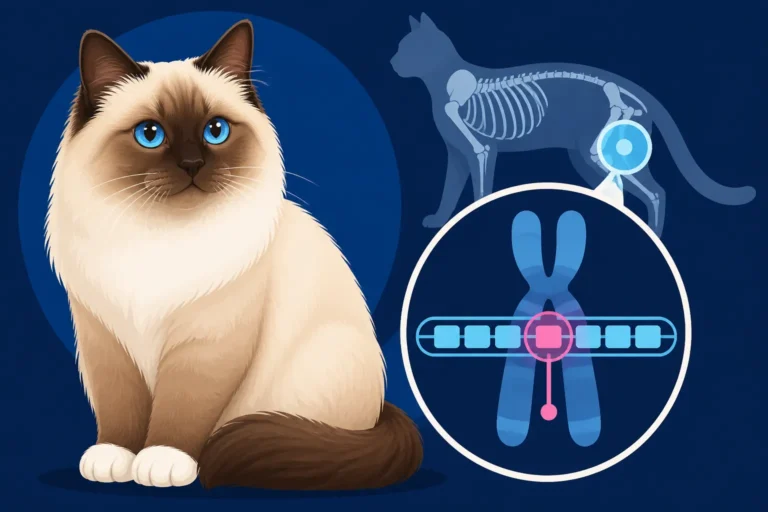
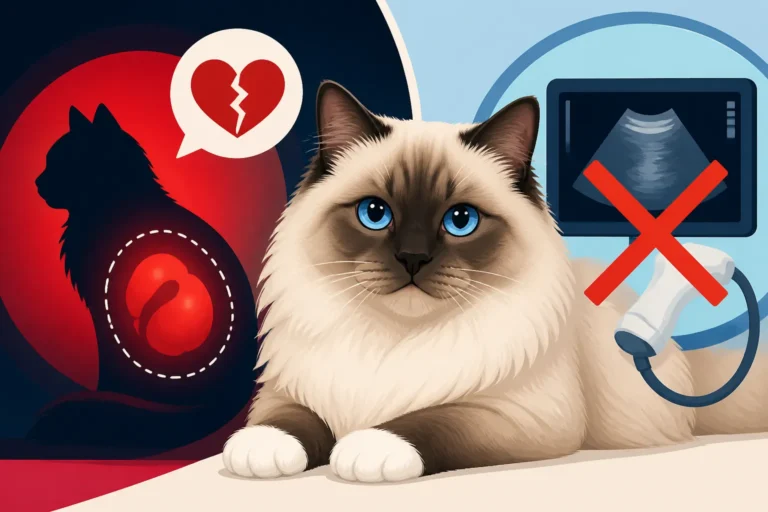
The frustrating truth about HCM in Birmans is that it's often a silent killer. Cats are masters at hiding illness, and a Birman, with its naturally calm disposition, can be even more adept at masking symptoms until the disease is quite advanced. This makes proactive screening absolutely vital. While some breeds have genetic tests available for specific mutations linked to HCM, it's important to remember that HCM in a Birman Has No DNA Test, Only an Echo. This means a physical exam alone, or even genetic tests for other breeds, won't tell you if your Birman is developing HCM. It requires a dedicated cardiac ultrasound, known as an echocardiogram.
Why Birmans Mask Illness So Well
Anyone who has lived with a Birman knows they are not the dramatic type. Unlike some more vocal or overtly expressive breeds, Birmans tend to be quiet, observant, and incredibly tolerant. This wonderful trait, however, can be a double-edged sword when it comes to their health. A Birman might be experiencing significant discomfort or even pain, yet only exhibit very subtle changes in behavior that can be easily missed if you're not paying close attention. This is why it's often said that Why a Quiet Birman Is Easy to Misread when they're unwell.
With HCM, symptoms can be incredibly vague at first. You might notice your Birman is slightly less active, maybe not jumping to their favorite perch as readily, or seems a little more tired than usual. These are easy to dismiss as "just getting older" or a temporary mood. But because their compensatory mechanisms are so good, these seemingly minor changes can often indicate a significant progression of the disease. By the time obvious signs like labored breathing, lethargy, or loss of appetite appear, the condition is usually quite advanced and requires immediate veterinary intervention. This silent progression underscores the absolute necessity of regular, proactive heart screenings, regardless of how healthy your Birman appears.
Pinpointing the Right Time for Initial Screening
Given the silent nature of HCM, many Birman owners are left wondering, "When should I actually start these heart checks?" There's a widely accepted recommendation within the veterinary and breeding communities, but individual circumstances can certainly influence the best approach for your particular cat.
The General Recommendation for Birman Heart Checks
For Birmans, the consensus among veterinary cardiologists and responsible breeders is to begin echocardiogram screenings around one year of age. This initial scan serves as a baseline, establishing the normal parameters of your cat's heart before any significant changes typically manifest.
The reason for this age recommendation is rooted in the typical progression of HCM. While the disease can, rarely, show up earlier, it most commonly develops and progresses in young to middle-aged adult cats. Starting at one year allows for detection of early signs of thickening before they become severe, giving you and your vet a crucial advantage in monitoring and managing the condition. Think of it as preventative maintenance; you wouldn't wait for your car engine to seize before checking the oil, and the same principle applies to your Birman's heart. Establishing a clear baseline early on means that subsequent annual scans will have something concrete to compare against, making even subtle changes much easier to spot.
Factors That Might Expedite or Delay Screening
While the one-year mark is a great general guideline, several factors might lead your vet or breeder to recommend starting screenings earlier or adjusting the frequency.
Firstly, if you've adopted a Birman kitten from a reputable breeder, they should be transparent about the health history of the kitten's parents and lineage. If there's a known history of HCM in the immediate family, especially if the parents were not cleared annually, your vet might suggest an earlier initial scan, perhaps around 6-9 months, just to be extra cautious. Conversely, if both parents and multiple generations of their line have annual clear echocardiograms, your vet might feel comfortable sticking strictly to the one-year mark.
Secondly, the presence of a heart murmur in a kitten or young adult Birman is a significant red flag. A heart murmur is an abnormal sound heard through a stethoscope, indicating turbulent blood flow. While not all murmurs are indicative of serious heart disease, especially in young kittens, any murmur in a Birman warrants prompt investigation. If your vet detects a murmur during a routine check-up, they will almost certainly recommend an echocardiogram sooner rather than later, regardless of age. Remember, Why a Murmur in a Birman Sends You Straight to an Echo is a critical piece of advice; don't wait for the scheduled annual check if a new murmur is heard. This diagnostic step is crucial to determine the cause and severity of the murmur.
Finally, if your Birman exhibits any concerning symptoms, even if they're young, don't delay. While we know Birmans hide illness well, any noticeable changes like increased lethargy, reduced appetite, difficulty breathing, or even just a general "off" feeling should prompt a vet visit. These symptoms could be indicative of various health issues, including advanced HCM, and require immediate professional assessment, which would likely include a cardiac workup.
What a Yearly Birman Heart Check Entails
When your Birman reaches that crucial age for heart checks, it's important to understand what these appointments involve. It’s far more than just a quick listen with a stethoscope; a comprehensive heart check for a Birman means an echocardiogram.
Beyond the Stethoscope: The Echocardiogram
For a breed like the Birman, with its known predisposition to HCM, relying solely on a vet listening to their heart with a stethoscope is simply not enough. While a veterinarian's trained ear can detect a heart murmur, and Whether Annual Listening Is Enough for a Pet Birman is a common question, a murmur doesn't always indicate HCM, and more importantly, a Birman can have significant HCM without any detectable murmur. This is a key reason Why an Echo Is the Only Way to Screen a Birman effectively for this condition.
An echocardiogram is essentially an ultrasound of the heart. It’s a non-invasive procedure that uses sound waves to create real-time images of your Birman’s heart. During the procedure, your Birman will typically lie on their side, often in a comfortable, padded trough, while a trained veterinarian or a board-certified veterinary cardiologist uses a transducer (a small probe) to scan their chest. The process allows the vet to:
- Measure the thickness of the heart muscle walls, particularly the left ventricle.
- Assess the size of the heart chambers.
- Observe the motion of the heart valves.
- Measure blood flow through the heart.
- Identify any abnormalities, such as clots or fluid accumulation.
The information gathered from an echocardiogram is incredibly detailed and provides a complete picture of your Birman's cardiac health. It's the gold standard for diagnosing HCM and monitoring its progression. The entire process usually takes about 20-40 minutes, depending on the cat's cooperation and the complexity of the findings. Most Birmans tolerate the procedure well due to their calm nature, often just needing a quiet room and gentle handling.
Preparing Your Birman for a Stress-Free Exam
Preparing your Birman for their yearly heart check can significantly reduce stress for both you and your cat, making the procedure smoother and potentially yielding more accurate results.
Firstly, familiarize your Birman with their carrier well in advance. Leave it out in the living area as a regular part of the furniture, maybe with a soft blanket or some treats inside. This helps them associate it with comfort rather than just vet visits. On the day of the appointment, spray a feline pheromone like Feliway in the carrier about 15-30 minutes before departure. These pheromones mimic natural calming scents and can help reduce anxiety during travel and at the clinic.
When you arrive at the vet, ask if you can wait in a quiet area away from barking dogs or other stressed animals. Many clinics have "cat-only" waiting areas or offer the option to wait in your car until it's time for your appointment. For the echocardiogram itself, the environment is typically quiet and calm. Most Birmans, being naturally docile, will lie still with gentle restraint. However, if your Birman is particularly anxious, or if the vet anticipates they might not cooperate fully, a very light sedative might be recommended. This is usually a mild oral medication given before the appointment or a quick injection at the clinic. The goal is to ensure the cat is relaxed enough for clear images to be taken, without causing undue stress or affecting heart function readings significantly. Discuss this option with your vet beforehand if you have concerns about your cat's temperament.
Ensuring your Birman is calm also helps the cardiologist get the best readings. A stressed cat's heart rate can be elevated, which might complicate the assessment of heart function. By making the experience as positive and low-stress as possible, you’re contributing directly to the accuracy and success of the heart check.
Interpreting Results and Ongoing Management
Once your Birman has had their echocardiogram, the next step is understanding the results and establishing a plan for ongoing care. This can range from celebrating a clear bill of health to developing a detailed management strategy if HCM is detected.
Understanding Normal vs. Early HCM Findings
When the cardiologist reviews your Birman's echocardiogram, they'll be looking for specific measurements and visual indicators of heart health. A "normal" or "clear" echo means that all measurements, such as ventricular wall thickness and chamber size, fall within the healthy range for a cat of your Birman's age and size. This is fantastic news, but it's not a lifetime pass. It simply means that at that moment, there's no evidence of HCM. It’s important to remember How Many Years a Clear Echo Covers a Birman. Typically, a clear echo provides a snapshot for about 12-18 months, which is why annual screenings are so crucial.
However, sometimes the results aren't perfectly clear. The cardiologist might identify "early HCM" or "borderline HCM." This often means there's some mild thickening of the heart walls, but it might not yet be severe enough to cause symptoms or warrant immediate medication. These subtle changes are precisely How HCM Shows Up in a Birman in its initial stages, often years before it becomes advanced. In these cases, the recommendation will almost certainly be to continue with annual (or even more frequent) monitoring, perhaps every six months, to track the progression of the thickening. The goal is to catch any significant changes early so interventions can be made before the disease severely impacts your cat's quality of life.
Living with a Birman Diagnosed with HCM
Receiving an HCM diagnosis for your Birman can be incredibly upsetting, but it's not a death sentence. Many cats with HCM can live comfortably for years with proper management. The approach to living with a Birman diagnosed with HCM is proactive and collaborative, involving close work with your veterinarian and potentially a veterinary cardiologist.
The management plan will be highly individualized, depending on the severity of the disease and whether your Birman is showing symptoms. How a Vet Manages a Birman Whose Echo Came Back Thickened often involves a combination of strategies:
- Medication: While there's no cure for HCM, certain medications can help manage its effects. Beta-blockers or calcium channel blockers might be prescribed to slow the heart rate and improve the heart's ability to relax and fill with blood. Diuretics might be used if fluid accumulation (congestive heart failure) becomes a concern. Blood thinners, such as Clopidogrel, are often crucial to prevent the formation of dangerous blood clots, a common and severe complication of HCM.
- Regular Monitoring: Beyond the annual echo, your vet may recommend more frequent check-ups to monitor your Birman's overall health, listen to their heart and lungs, and check blood pressure. Blood tests might also be performed to assess kidney function, especially if medications are prescribed.
- Lifestyle Adjustments: While Birmans are generally calm, ensuring a low-stress environment is key. Avoid sudden changes, loud noises, or anything that might cause your cat undue anxiety. A calm, predictable routine is beneficial.
- Dietary Considerations: While specific "heart diets" aren't as common for HCM in cats as they are for dogs, your vet might recommend a diet that is appropriate for your cat's overall health, especially if other conditions (like kidney disease) are present. Ensuring adequate hydration is always important.
It's vital to maintain open communication with your vet and to stick to the recommended medication schedule and follow-up appointments. Observing your Birman closely at home for any changes in appetite, activity level, or breathing patterns is also crucial. Early detection through regular screening, followed by diligent management, gives your Birman the best possible quality of life despite an HCM diagnosis.
The Long-Term Commitment to Birman Heart Health
Caring for a Birman means committing to their health for their entire lifespan, which for this lovely breed can often be a respectable The Twelve to Sixteen Years a Birman Usually Gets. When it comes to heart health, this commitment extends far beyond a single screening.
The Lifelong Screening Schedule
The initial echocardiogram at one year of age is just the beginning of a lifelong journey of proactive heart health monitoring for your Birman. Even if the first few scans come back completely clear, yearly echocardiograms are generally recommended throughout your Birman's life. This consistent monitoring is essential because HCM can develop at any age, even if previous scans were normal. It’s not uncommon for a Birman’s heart to start showing subtle changes as they mature, and At What Age a Birman's Heart Starts to Thicken can vary widely from cat to cat. Some might show signs in their middle years, while others might not exhibit any changes until they are much older.
By maintaining a yearly screening schedule, you and your veterinary team can establish a comprehensive history of your Birman's heart health. This longitudinal data allows for the earliest possible detection of any changes, even slight thickening that might not be clinically significant on its own but could indicate a trend. Early detection means earlier intervention, which can significantly impact the long-term prognosis and quality of life. For instance, if a Birman’s heart walls are gradually thickening over several years, your vet can implement a management plan before the heart becomes severely compromised or before symptoms even appear. This proactive approach helps extend your Birman's healthy years and ensures that if HCM does develop, it is managed as effectively as possible from the outset.
The Role of Owner Observation and Early Intervention
While regular veterinary screenings are paramount, your role as an observant Birman owner is equally critical. You spend the most time with your cat, know their routines, and are often the first to notice subtle changes that a vet might miss during a brief examination. This acute awareness can make all the difference in catching potential health issues, including heart problems, early.
Pay close attention to changes in their energy levels. Are they playing less? Are they sleeping more than usual, even for a placid Birman? Do they hesitate before jumping onto furniture they used to scale with ease? A Birman with progressive HCM might become less active or show reluctance to engage in strenuous play as their heart struggles to keep up. Also, monitor their breathing. While rapid breathing can be normal after play or during hot weather, consistently rapid or labored breathing at rest is a serious sign of distress and could indicate fluid in the lungs (a complication of heart failure). Any coughing, which is less common in cats than dogs but can occur, should also be investigated.
Another subtle sign is a change in appetite or weight. While Why a Birman's Weight Should Be Recorded Every Visit is a good general practice, you might notice gradual weight loss even if they seem to be eating normally, or conversely, an increase in abdominal size due to fluid retention. Don't dismiss these changes. Your Birman’s naturally quiet and undemanding nature means they won't loudly complain, so you need to be their advocate. If you notice anything out of the ordinary, even if it seems minor, contact your vet. Early intervention based on your observations, combined with regular professional screenings, provides the most robust safety net for your Birman's heart health.
Practical Steps for Birman Owners
Navigating the world of specialized veterinary care for your Birman's heart health can feel a bit daunting, but with the right approach and resources, it becomes a manageable part of responsible pet ownership.
Choosing a Vet and Cardiologist
The first and most important practical step is to ensure your Birman has access to excellent veterinary care. This means finding a general practice veterinarian who is not only knowledgeable about cats but also specifically understands breed-specific predispositions like HCM in Birmans. They should be familiar with the typical screening protocols and be willing to discuss your Birman's unique needs.
For the echocardiogram itself, while some general practitioners may have the equipment and training to perform basic cardiac ultrasounds, the gold standard is to have the scan performed by a board-certified veterinary cardiologist. These specialists have undergone extensive additional training in heart disease in animals and possess the expertise to accurately interpret subtle findings, measure precise parameters, and provide the most informed diagnosis and treatment recommendations. Your regular vet can usually provide a referral to a local veterinary cardiologist. It's worth traveling a bit further if necessary to get your Birman seen by a specialist for these critical annual scans. The peace of mind and the accuracy of the assessment are invaluable.
When choosing a vet, don't be afraid to ask questions:
- "Are you familiar with HCM in Birman cats?"
- "Do you recommend yearly echocardiograms for Birmans?"
- "Do you have a veterinary cardiologist you regularly refer to?"
Their answers will give you a good indication of their experience and approach to managing your Birman's breed-specific health needs.
Financial Planning for Lifetime Care
Regular heart screenings and potential treatment for HCM can be a significant financial commitment, and it's something every Birman owner should factor into their long-term budget. An echocardiogram, especially one performed by a specialist, can range from a few hundred dollars to upwards of $500 or more, depending on your location and the clinic. If HCM is diagnosed, the ongoing cost of medications, more frequent follow-up scans, and potential emergency care can quickly add up.
This is where pet insurance becomes a truly valuable asset. Companies like Healthy Paws offer comprehensive coverage that can help mitigate the financial burden of unexpected illnesses, including chronic conditions like HCM. Having a robust insurance plan, especially one that doesn't exclude hereditary or congenital conditions once your pet is enrolled and clear of pre-existing conditions, can provide immense relief. For example, Healthy Paws coverage, once active, could reimburse a significant portion of the costs associated with diagnostic tests, specialist consultations, medications, and even emergency treatments for heart-related issues. It’s crucial to enroll your Birman in pet insurance when they are young and healthy, ideally before their first cardiac screening, to avoid any potential pre-existing condition clauses related to heart disease.
Beyond insurance, simply setting aside a dedicated "pet health" savings fund each month can also help. Even putting away $50-$100 can build up a substantial buffer over a year, covering routine check-ups, vaccinations, and contributing towards specialized care like those all-important yearly echocardiograms. Planning ahead financially means you can always make health decisions for your Birman based on their best interest, rather than being constrained by cost.
Birman Heart Health Screening Schedule
Here’s a general guideline for annual heart checks for your Birman cat. Always consult with your veterinarian or a veterinary cardiologist for personalized recommendations based on your individual cat's health, genetic background, and any symptoms they may present.
| Age of Birman Cat | Recommended Screening | Purpose of Screening | Potential Findings |
|---|---|---|---|
| Up to 12 months | General Vet Check (Auscultation) | Establish baseline health, listen for murmurs. | Murmurs may be benign or indicative of early issues. |
| 1 year | First Echocardiogram | Establish cardiac baseline, screen for early HCM. | Clear (normal), Borderline HCM, Early HCM. |
| 1-7 years (Adult) | Annual Echocardiogram | Monitor for HCM development, track changes. | Progression of thickening, new onset HCM. |
| 8+ years (Senior) | Annual Echocardiogram | Continued monitoring, assess for age-related changes, manage existing HCM. | Further progression, complications (e.g., blood clots). |
| Any age (if symptoms) | Immediate Echocardiogram | Diagnose cause of symptoms (e.g., lethargy, rapid breathing, murmur). | HCM, other cardiac issues, or non-cardiac problems. |
Disclaimer
This article is intended for informational purposes only and does not constitute veterinary advice. Always consult with a qualified veterinarian or a board-certified veterinary cardiologist regarding any health concerns or before making any decisions about your Birman's medical care.