What Kills a Birman Whose Line Was Never Echo Scanned
It's heartbreaking to imagine a beloved Birman cat succumbing to an illness that could have been prevented or managed, simply because its lineage was never properly screened. Many prospective owners don't realize the silent, insidious threats that lurk in breeding lines without diligent health testing, particularly when it comes to cardiac health. This guide will walk you through the critical importance of echo scanning in Birman cats, what diseases it helps prevent, and how to ensure your future companion comes from a responsible, health-conscious background.
The Hidden Threat of HCM in Unscanned Birman Lines
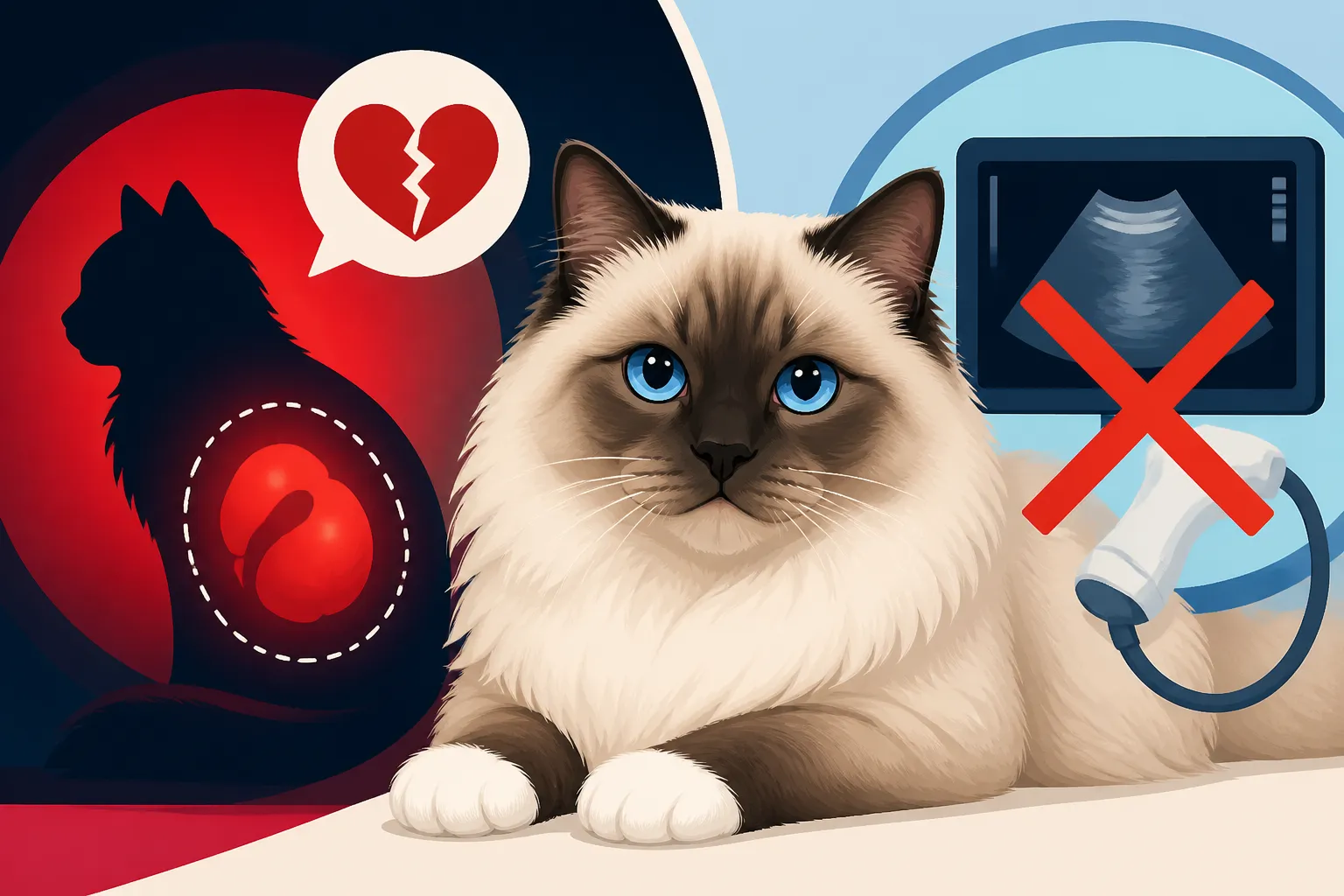
One of the most devastating health conditions that can afflict a Birman cat, and tragically shorten its beautiful life, is Hypertrophic Cardiomyopathy (HCM). What makes HCM particularly heartbreaking is its often silent nature. Without proper screening, a Birman can appear perfectly healthy right up until the point of severe cardiac distress or even sudden death. This isn't just a random occurrence; it's a genetic predisposition that has unfortunately woven its way into many pedigreed cat breeds, including our lovely Birmans.
What is HCM and Why is it So Prevalent?
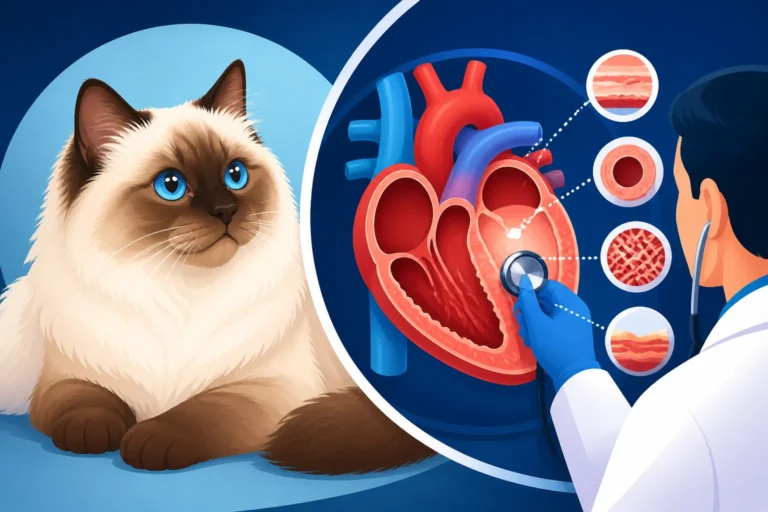
Hypertrophic Cardiomyopathy is a primary disease of the heart muscle, characterized by a thickening of the heart walls, particularly the left ventricle. This thickening makes the heart less efficient at pumping blood, leading to a cascade of problems like fluid in the lungs (congestive heart failure) or dangerous blood clots. For breeds like the Birman, the genetic mechanisms behind HCM are complex, and unlike some other breeds where specific DNA tests exist, HCM in a Birman Has No DNA Test, Only an Echo. This lack of a simple cheek swab test means that the only reliable way to screen for the condition is through regular echocardiograms performed by a veterinary cardiologist. The prevalence of HCM in Birmans, even without a clear genetic marker, underscores why diligent screening is absolutely non-negotiable for responsible breeders. It’s a frustrating reality for breeders and owners alike, as the absence of a simple DNA test means more specialized, and often more costly, veterinary intervention is required for screening.
How HCM Progresses Undetected
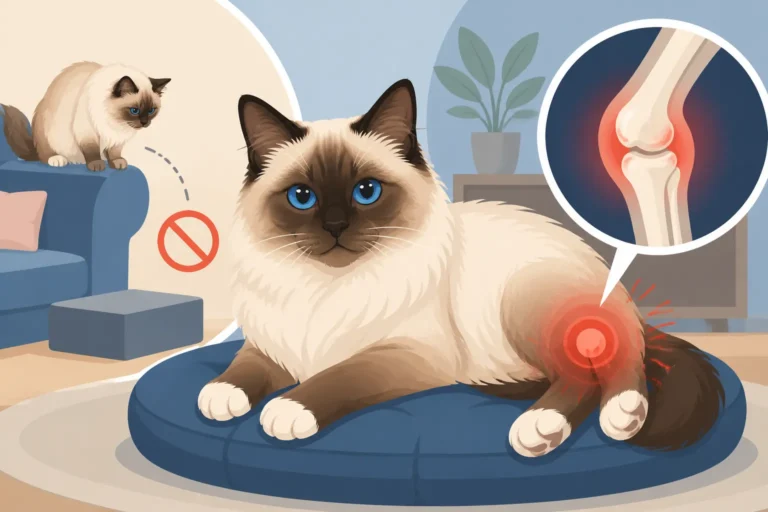
The insidious nature of HCM is that its early stages are often asymptomatic. Your Birman might seem completely fine, still playful, still following you from room to room with its characteristic gentle devotion. You might notice a slight decrease in energy, perhaps a little less jumping, but these signs are easily dismissed as "just getting older" or normal cat behavior. This is precisely why a quiet Birman Is Easy to Misread. They are naturally placid and tolerant, and they tend to hide pain or discomfort until it becomes severe. By the time clear symptoms like labored breathing, lethargy, or loss of appetite appear, the disease is often advanced, making treatment more challenging and the prognosis less favorable. In some tragic cases, the first sign is sudden collapse or even death due to a thrown blood clot (feline aortic thromboembolism), which can cause paralysis in the hind legs and immense pain.
The Grim Reality for Unscanned Birmans
When a Birman comes from a line that has never been echo scanned, you're essentially playing a game of chance with its heart health. There's no way to know if HCM is lurking in its genetics, passed down through generations. Kittens from unscanned parents are at a significantly higher risk of developing the condition, and their lives can be cut tragically short. We’re talking about beautiful cats that, with proper care and screening, could live The Twelve to Sixteen Years a Birman Usually Gets, but instead might succumb to heart failure at a fraction of that age. This lack of screening is not just a gamble with a single cat's life; it compromises the health of the entire breed lineage. Without breeders consistently echo scanning and making informed decisions, the prevalence of HCM can unfortunately increase, leading to more heartache for families.
The Critical Role of Echo Screening in Birman Health
Given the hidden dangers of HCM, regular echo screening becomes a cornerstone of responsible Birman ownership and breeding. This specialized cardiac ultrasound provides a detailed look at the heart's structure and function, allowing veterinarians to detect the subtle changes indicative of HCM long before clinical signs appear.
What an Echo Scan Reveals About Your Birman's Heart
During an echocardiogram, a veterinary cardiologist uses ultrasound waves to create a real-time image of your Birman's heart. They meticulously measure the thickness of the heart walls, assess the size of the chambers, and observe the blood flow through the valves. They're looking for any abnormalities, particularly the tell-tale thickening of the left ventricular wall that defines HCM. This non-invasive procedure is crucial for early detection. If a Birman's echo comes back with a thickened heart, the vet can then discuss management strategies, which might include medication to slow the progression of the disease or manage symptoms. While it’s not a cure, early diagnosis and management can significantly improve the quality and length of a Birman's life. This is why a Murmur in a Birman Sends You Straight to an Echo – it's a red flag that needs immediate investigation.
Establishing a Healthy Breeding Program
For breeders, echo screening is more than just a diagnostic tool; it's an ethical responsibility. Responsible Birman breeders meticulously track the cardiac health of their breeding cats through regular echocardiograms, often annually. This allows them to identify affected cats and make informed decisions about mating pairs, thereby reducing the risk of passing on the predisposition for HCM to future generations. They understand that transparency is key, and many will openly share the echo results of their breeding animals. This commitment to screening is how a healthy breeding program is maintained, focusing on the long-term vitality of the breed. Reputable breeders know that How Often a Breeding Birman Needs Scanning is crucial for maintaining healthy lines, typically recommending annual checks. They are not only ensuring the health of their own cattery but contributing to the overall health and longevity of the Birman breed.
Peace of Mind for Pet Owners
Even if you're not planning to breed, the knowledge that your Birman comes from echo-scanned parents provides immense peace of mind. It means your kitten has a reduced risk of inheriting this devastating condition. However, HCM can still develop spontaneously, so even a Birman from a clear line benefits from regular vet check-ups, including listening to its heart. Should a problem arise, having pet insurance like Healthy Paws can be an absolute lifesaver. Early diagnosis of HCM, while not cheap, can be made much more manageable with comprehensive pet insurance coverage. Imagine the relief of knowing you can pursue the best possible cardiac care for your beloved Birman without the added stress of overwhelming veterinary bills. It’s an investment in their future, allowing you to focus on their comfort and well-being. Knowing your Birman's heart health status, from puppyhood through its senior years, contributes significantly to a happier, less anxious household.
Beyond HCM: Other Health Concerns Exacerbated by Lack of Screening
While HCM is a significant concern, it's not the only health issue that highlights the importance of comprehensive health screening in Birman breeding lines. Other inherited conditions can also impact a Birman's lifespan and quality of life, and diligent breeders will screen for these as well.
Polycystic Kidney Disease (PKD) and Its Legacy
Polycystic Kidney Disease (PKD) is another inherited condition that can plague Birman cats. Unlike HCM, there is a specific DNA test for PKD, making screening much more straightforward. PKD is characterized by the development of multiple cysts in the kidneys, which grow over time, eventually impairing kidney function and leading to kidney failure. This disease reached the Birman through historical outcrossing, particularly with the Persian breed, which is known to carry the PKD1 gene. Why PKD Reached the Birman Through the Persian is a crucial part of the breed's history and explains why even today, responsible breeders must remain vigilant. What Kidney Cysts Do to a Birman is slowly but surely compromise their renal health, leading to symptoms like increased thirst, weight loss, and lethargy as the disease progresses. A simple DNA test, often done via a cheek swab, can definitively tell you if a Birman is clear, a carrier, or affected. Every Birman breeder should be able to provide clear PKD test results for both parents.
The Importance of Comprehensive Health Testing
A truly responsible Birman breeder doesn't stop at just HCM echoes and PKD DNA tests. They embrace a comprehensive approach to health screening, understanding that a multifaceted approach is best for the long-term health of the breed. This might include screening for other genetic conditions if they are known to appear in the breed (though less common than HCM or PKD in Birmans), and certainly blood typing for breeding queens. What Neonatal Isoerythrolysis Does to a Birman Litter is a tragic immune reaction if a Type B queen is mated to a Type A or AB stud, leading to severe illness or death in Type A or AB kittens. Ensuring that the Birman's blood type Is Tested before mating is paramount. Furthermore, eye examinations for conditions like corneal dermoids and regular dental checks are also important, as Why a Birman's Eyes Should Be Checked at Every Visit, and Why Gum Disease Creeps Up on a Birman are vital parts of preventative care. Understanding Which Tests Belong on a Birman Panel is essential for any prospective owner looking for a healthy kitten.
| Health Issue | Description | Screening Method | Impact of Lack of Screening |
|---|---|---|---|
| Hypertrophic Cardiomyopathy (HCM) | Thickening of the heart muscle, leading to impaired function. | Echocardiogram (Cardiac Ultrasound) | Shortened lifespan, sudden death, congestive heart failure, blood clots. |
| Polycystic Kidney Disease (PKD) | Cysts form in the kidneys, leading to kidney failure over time. | DNA Test (PKD1 gene) | Chronic kidney disease, reduced quality of life, shortened lifespan. |
| Feline Infectious Peritonitis (FIP) | Viral disease that can be fatal, often triggered by stress. | Blood Tests (for FCoV antibodies/antigens) | High mortality, rapid progression in some cases. |
| FOXN1 (Hypotrichosis/Thymic Aplasia) | Rare genetic condition causing hairlessness and immune deficiency. | DNA Test | Kittens born bald, severe infections, very short lifespan (under 8 months). |
| Blood Type Incompatibility | Immune reaction in kittens from incompatible parents (Neonatal Isoerythrolysis). | Blood Typing (for A, B, AB alleles) | Kitten fatalities due to immune response from mother's milk. |
Navigating the Purchase of a Birman: What to Ask Your Breeder
Finding a responsible Birman breeder is the single most important step in ensuring you bring home a healthy, well-socialized kitten. A good breeder will be transparent about their health testing protocols and eager to share information. Don't be shy about asking direct questions; a reputable breeder will welcome them.
Demanding Transparency in Health Records
When you're looking for a Birman kitten, your primary concern should always be health, not just appearance. This means asking detailed questions about the health testing performed on the parents. Specifically, you need to inquire about echocardiogram screenings for HCM. What to Ask About a Birman Line's Heart Scans includes the date of the last scan, the name of the veterinary cardiologist who performed it, and most importantly, the results. A breeder should be able to provide certificates for these scans. For PKD, they should show you DNA test results for both parents, indicating they are "clear" or "negative" for the PKD1 gene. Beware of breeders who are vague, make excuses, or claim testing is unnecessary. This is often a red flag, as Why a Cheap Birman Is Usually Untested. The initial savings on a cheaper kitten can quickly be overshadowed by devastating veterinary bills and emotional distress if it develops a preventable genetic disease. You should also verify Which Certificates a Birman Breeder Hands Over With the Kitten, as these document the comprehensive health screenings.
Understanding Guarantees and Insurance Options
A responsible breeder will typically offer a health guarantee for their kittens, often covering inherited conditions for a certain period. However, it’s crucial to understand the limitations of these guarantees. They may cover a replacement kitten or partial vet costs, but they rarely cover the full expense of lifelong treatment for a chronic condition like HCM. This is where pet insurance, such as a policy from Healthy Paws, becomes an invaluable safety net. Insuring your Birman kitten as early as possible, ideally before any pre-existing conditions could be noted, ensures that you have financial support for unexpected illnesses or accidents throughout its life. While a breeder’s guarantee is a good start, pet insurance provides comprehensive protection. You need to consider Whether a Birman Guarantee Covers HCM, and if not, how you plan to manage that risk. A good pet insurance plan offers peace of mind, allowing you to prioritize your Birman's health without financial hesitation. Even with the best breeding practices, life can throw curveballs, and knowing you have support for those unforeseen vet visits is incredibly reassuring.
Disclaimer
This article is for general informational purposes only and does not constitute professional advice. Laws, prices and regulations vary by location and change over time. Consult a qualified professional for guidance on your specific situation.