Why a Birman Line With No Echo History Is a Risk
Falling in love with a Birman's stunning blue eyes and silky coat is easy, but making sure you bring home a healthy companion requires understanding some important health considerations. One of the biggest concerns for this beloved breed is a genetic heart condition known as Hypertrophic Cardiomyopathy (HCM), and unfortunately, not all breeding lines are equally vigilant in screening for it. This guide will walk you through precisely why a Birman line with no documented echo history poses a substantial risk, helping you navigate the journey to finding a truly healthy kitten.
Understanding Hypertrophic Cardiomyopathy HCM in Birmans
Hypertrophic Cardiomyopathy, or HCM, is a serious and prevalent heart disease in cats, and our beautiful Birmans are unfortunately not immune. It's a condition where the muscular walls of the heart, particularly the left ventricle, thicken abnormally. This thickening reduces the heart's ability to pump blood effectively, leading to a cascade of problems that can severely impact a cat's quality of life and shorten its lifespan.
What is HCM and its Impact on Birman Cats
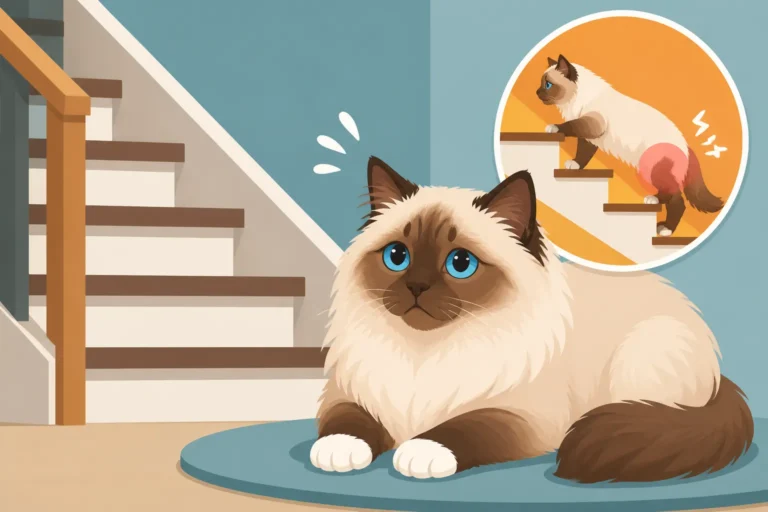
Imagine your cat's heart trying to work extra hard, pushing blood through a progressively narrower space. That's essentially what happens with HCM. The thickened muscle walls make the heart stiffer and less efficient. This can lead to blood clots, fluid accumulation in the lungs (congestive heart failure), and even sudden cardiac death. For a Birman, whose placid temperament often means they hide illness behind a placid temperament, the early signs can be incredibly subtle, making it even more insidious. A cat with HCM might simply seem a bit less energetic, perhaps not jumping as high or playing as vigorously as usual, which can easily be mistaken for normal behavior or just being a little older.
The impact on a Birman can range from asymptomatic for a period to rapidly progressive, leading to significant distress. It's a heartbreaking condition to witness, as your once playful companion might become lethargic, struggle to breathe, or experience hind leg paralysis due to a thrown blood clot. The thought of such an ordeal is terrifying for any cat owner, especially when it could potentially be avoided through careful breeding practices.
Why Birmans Are Particularly Susceptible to HCM
While HCM can affect any cat breed, some breeds, including the Birman, show a higher predisposition. This suggests a strong genetic component. While the specific genetic mutation isn't fully understood or reliably testable with a simple DNA swab for Birmans, the familial pattern is undeniable. If a cat's ancestors had HCM, there's a higher chance their offspring might develop it or carry the genes to pass it on. This is why a Birman line with no echo history is a risk. It's not just about the individual cat; it's about the entire family tree and the responsible stewardship of the breed's health.
The challenge is compounded by the fact that the disease can have variable expression, meaning some cats with the genetic predisposition might develop severe HCM, while others might have a milder form, or even remain asymptomatic carriers without ever showing significant thickening. This variability makes relying solely on visual health or anecdotal evidence incredibly risky when choosing a kitten.
How HCM Manifests and Progresses
The way HCM shows up in a Birman can vary wildly. Some cats might live for years without showing any outward symptoms, only for the condition to be discovered during a routine vet check or, tragically, after a sudden collapse. Others might develop symptoms earlier in life. Initial signs might include increased respiratory rate, especially after exertion, or a slight cough. As the disease progresses, you might notice your Birman is lethargier, has a decreased appetite, or struggles with routine activities like jumping onto furniture.
In more advanced stages, a Birman might develop congestive heart failure, leading to fluid in the lungs and visible labored breathing. Another acute, life-threatening complication is arterial thromboembolism, often called "saddle thrombus," where a blood clot from the heart travels down and blocks blood flow to the hind legs, causing sudden pain and paralysis. Understanding these possibilities underscores the importance of proactive screening and responsible breeding. Even with a diagnosis, appropriate veterinary care can manage symptoms, but prevention through careful breeding is always the best route. For more on the specific manifestations, you might want to read our article on How HCM Shows Up in a Birman.
The Critical Role of Echocardiogram Screening
Given the genetic predisposition and the severity of HCM, regular cardiac screening is not just a recommendation for Birman breeders; it's an absolute necessity. The primary tool for this screening is the echocardiogram, a non-invasive ultrasound of the heart that allows veterinarians to visualize the heart's structure and function in real-time.
The Importance of Regular Cardiac Screening
Think of regular cardiac screening as your Birman's best defense against the silent threat of HCM. Without it, the disease can progress undetected, potentially reaching a critical stage before any outward signs are apparent. Breeders who commit to regular screening for their breeding cats are actively working to identify and remove affected individuals from their breeding programs, thus striving to reduce the incidence of HCM in future generations. This diligence is a cornerstone of ethical breeding.
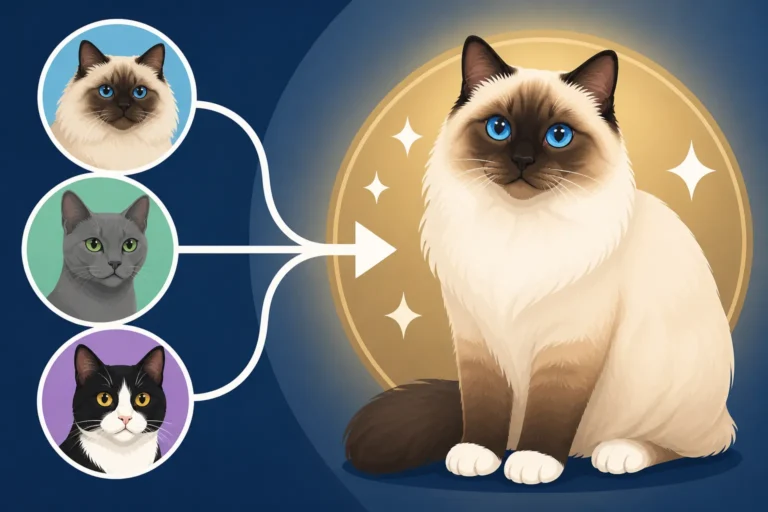
For a breeding Birman, annual echocardiogram scans are often recommended, especially for those actively contributing to the gene pool. These regular checks help catch any subtle changes in heart muscle thickness early, allowing breeders to make informed decisions and prevent the passing on of this devastating disease. A responsible breeder will have a history of these scans for their entire breeding line, not just the parents of your potential kitten.
How an Echocardiogram Works and What It Reveals
An echocardiogram is essentially an ultrasound specifically designed for the heart. A veterinary cardiologist uses a transducer to send sound waves into the chest, which bounce off the heart structures and create a live image on a monitor. This allows them to measure the thickness of the heart muscle walls, assess the size of the heart chambers, evaluate valve function, and observe blood flow.
What a cardiologist measures on a Birman's heart wall can tell them if there's any abnormal thickening characteristic of HCM. They're looking for subtle changes that indicate the early stages of the disease, even before symptoms appear. This diagnostic precision is why an echo is the only way to screen a Birman for HCM and why it's so invaluable in a responsible breeding program. The results provide objective, measurable data about the heart's health, guiding breeding decisions and offering peace of mind to prospective owners.
Why a DNA Test Isn't Sufficient for HCM in Birmans
This is a common point of confusion for many prospective cat owners. While some breeds, like the Maine Coon and Ragdoll, have identified specific genetic mutations for HCM that can be tested via a DNA swab, the Birman breed does not currently have such a reliable test. This means that a breeder who claims their Birmans are "DNA clear" for HCM is either misinformed or misleading, as no such test exists for the Birman specifically. You might want to refer to our article, HCM in a Birman Has No DNA Test, Only an Echo, for more details.
For Birmans, the complex genetics of HCM mean that a physical echocardiogram performed by a board-certified veterinary cardiologist remains the gold standard and the only definitive screening method. Relying on a non-existent DNA test can give a false sense of security and leave owners vulnerable to inheriting a kitten from an untested, and therefore risky, line. This distinction is crucial when evaluating breeders and their claims.
The Risks Associated with Unscreened Birman Lines
Choosing a Birman kitten from a line without a clear, documented echo history isn't just a gamble; it's a significant risk that can lead to immense heartache and financial strain. It's easy to be charmed by cute kittens, but looking beyond that initial cuteness at the health history is paramount.
The Hidden Costs and Heartache of an Affected Kitten
Imagine bringing home your precious Birman kitten, full of joy and anticipation, only to discover later that it carries a ticking time bomb in its heart. The emotional toll of caring for a cat with a chronic, progressive illness like HCM is immense. Watching your beloved companion struggle with breathing, lose its playful spirit, or face acute crises is devastating. Beyond the emotional burden, the financial costs can be astronomical. Diagnostic tests, ongoing medications, specialized veterinary care, emergency visits, and potential cardiologist consultations all add up quickly.
Even with the best insurance, like what Healthy Paws might offer, a pre-existing condition could limit coverage, leaving you to bear a significant portion of these costs. This is why preventative measures, like choosing a kitten from an echo-scanned line, are far more valuable than simply hoping for the best. The initial savings from a cheaper kitten from an unscreened line often pale in comparison to the expenses incurred if HCM develops.
How Unchecked Lines Perpetuate the Disease
When breeders don't screen their cats for HCM, they unknowingly perpetuate the disease within the breed. A breeding cat that appears healthy but carries the genetic predisposition can pass those genes on to its offspring. If those offspring are also bred without screening, the cycle continues, increasing the prevalence of HCM in the Birman population. This lack of diligence not only harms individual kittens but undermines the overall health and integrity of the breed.
A Birman line with no echo history is a risk because it means no one has been monitoring the heart health of those cats. It's a blind spot in their breeding program, and it's a gamble for every kitten born from that line. Responsible breeders understand their ethical obligation to contribute to the health of the breed, not detract from it. This commitment often means having fewer litters, waiting for specific health clearances, and sometimes retiring cats from breeding if HCM is discovered.
The Challenges of Finding Insurance for a Cat From an Unknown Background
Pet insurance can be a lifesaver, helping to manage unexpected veterinary expenses. However, insurance companies like Healthy Paws operate with careful policies regarding pre-existing conditions. If you acquire a Birman kitten from a line with no documented heart screening history, and that kitten later develops HCM, it could be challenging or even impossible to get coverage for that condition. The insurance company might consider it a pre-existing condition, especially if symptoms were present before the policy started or if there's no clear documentation of a healthy heart from the breeder.
This situation puts you in a difficult position, potentially facing high medical bills without the safety net of insurance. It's a stark reminder that upfront transparency and due diligence from a breeder can save you significant financial stress down the line. To fully understand your options, you might explore whether insurers exclude HCM in a Birman and why it's wise to insure a Birman before its first echo.
What to Look For: Ensuring a Heart-Healthy Birman Kitten
So, how do you ensure you're bringing home a Birman from a responsible breeder committed to heart health? It comes down to asking the right questions, scrutinizing documentation, and understanding what transparency truly looks like in the breeding world.
Essential Questions to Ask a Potential Breeder
When you're speaking with a potential Birman breeder, don't be shy about asking direct questions about their health screening practices. A good breeder will welcome your inquiries and be happy to share information. Here are some key questions:
- "Do you screen your breeding cats for HCM using echocardiograms?" The answer should be an unequivocal "yes."
- "Can I see the echo results for both parents of this litter, and ideally, their ancestors?" They should be able to provide documentation from a board-certified veterinary cardiologist.
- "At what age were the parents last scanned, and how often are your breeding cats typically scanned?" Reputable breeders scan regularly, often annually, especially while the cats are actively breeding.
- "Do you publish your echo results, perhaps on your website or through a public database?" Many responsible breeders do this to maintain transparency and contribute to breed health databases. You might learn more by reading about why a Birman breeder publishes echo results.
- "What is your health guarantee regarding HCM?" Understand the terms of their guarantee, if any.
Remember, a breeder who hesitates or dismisses these questions is a red flag. Your questions are not an interrogation; they are a sign of a responsible prospective owner.
Verifying Health Certifications and Breeder Transparency
It's not enough to simply ask; you need to see the proof. A reputable Birman breeder will provide you with official documentation of their cats' echocardiogram results, signed by a veterinary cardiologist. These documents should clearly state the cat's name, birth date, the date of the scan, and the cardiologist's assessment. Don't accept vague assurances or "vet checked" claims without specific cardiac screening results.
A truly transparent breeder will be open about their entire breeding program, discussing both successes and challenges. They might share information about the broader health history of their lines, and be able to explain how often HCM turns up in echo scanned Birman lines. This level of openness builds trust and demonstrates a genuine commitment to the breed's well-being. Look for breeders affiliated with breed clubs that advocate for health screening and uphold ethical standards.
The Value of a Comprehensive Health Guarantee
A good health guarantee from a Birman breeder offers a layer of protection and demonstrates their confidence in the health of their kittens. While no guarantee can predict the future with 100% certainty, a strong one will usually outline what happens if a kitten develops a serious genetic health issue like HCM within a specified timeframe. This might include a replacement kitten or a refund.
However, it's crucial to read the fine print. Does the guarantee specifically cover HCM? What are the conditions for activating it? Does it require independent veterinary confirmation? A comprehensive guarantee reflects a breeder's responsibility and commitment, but it's still secondary to choosing a kitten from an extensively screened line in the first place. Think of it as a safety net, not a substitute for due diligence.
Table: Key Questions for Birman Breeders Regarding HCM Screening
| Question | What a Responsible Breeder Will Provide/Say | Red Flags to Watch For |
|---|---|---|
| "Do you screen for HCM?" | "Yes, all my breeding cats are regularly screened by a board-certified veterinary cardiologist via echocardiogram." | "No, I haven't had any issues." "My vet listens to their heart, and they're fine." "I only test if there's a problem." (Auditory checks are not sufficient for HCM screening.) |
| "Can I see documentation of echo results for the parents?" | Will readily provide copies of official echocardiogram reports from a cardiologist, clearly stating "HCM Negative" or "Normal." | "I don't have copies on hand." "My vet has them." "My cats are from clear lines, so I don't need to keep them." (Lack of verifiable documentation.) |
| "When were the parents last scanned?" | Will indicate recent scans (e.g., within the last 12-18 months) for breeding cats, often annually. | "Oh, a couple of years ago." "When they were younger." "I only scan them once." (HCM can develop later in life; ongoing screening is essential.) |
| "What is your health guarantee regarding HCM?" | Will explain a clear guarantee that covers genetic health issues, including HCM, with specific terms and conditions for notification and resolution (e.g., replacement kitten, partial refund). | "All sales are final." "We guarantee they'll be healthy when they leave." "It's a cat, things happen." (No clear commitment beyond the immediate sale.) |
| "Do you use a DNA test for HCM?" | "There isn't a reliable DNA test for HCM specifically for Birmans, so we rely solely on echocardiograms." (Demonstrates accurate knowledge of breed-specific health testing.) | "Yes, my cats are DNA clear for HCM." (This is incorrect for Birmans and indicates a lack of understanding or intent to mislead.) |
| "What about other health tests (PKD, FOXN1)?" | "Yes, we also screen for Polycystic Kidney Disease (PKD1) and Birman Hypotrichosis (FOXN1) with DNA tests, and can provide those results too." (Shows a comprehensive approach to breed health.) You can learn more about What Testing a Birman for FOXN1 and PKD1 Together Costs. | "We only test for what's required." "I haven't heard of those." (Suggests a limited understanding of breed-specific health concerns.) |
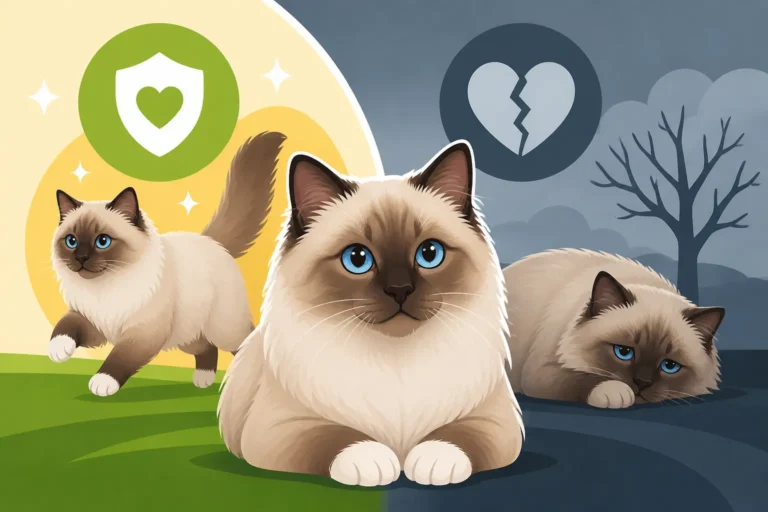
Ultimately, bringing a Birman into your home should be a joyous and exciting experience, not one clouded by the worry of preventable health issues. By understanding the critical importance of echocardiogram screening for HCM and diligently choosing a breeder who prioritizes heart health, you're not just protecting your future companion; you're contributing to the well-being of the entire Birman breed. Always remember that a truly healthy Birman starts with a healthy line, built on transparency and rigorous screening.
Disclaimer
This article is for general informational purposes only and does not constitute professional advice. Laws, prices and regulations vary by location and change over time. Consult a qualified professional for guidance on your specific situation.