What Testing a Birman for FOXN1 and PKD1 Together Costs
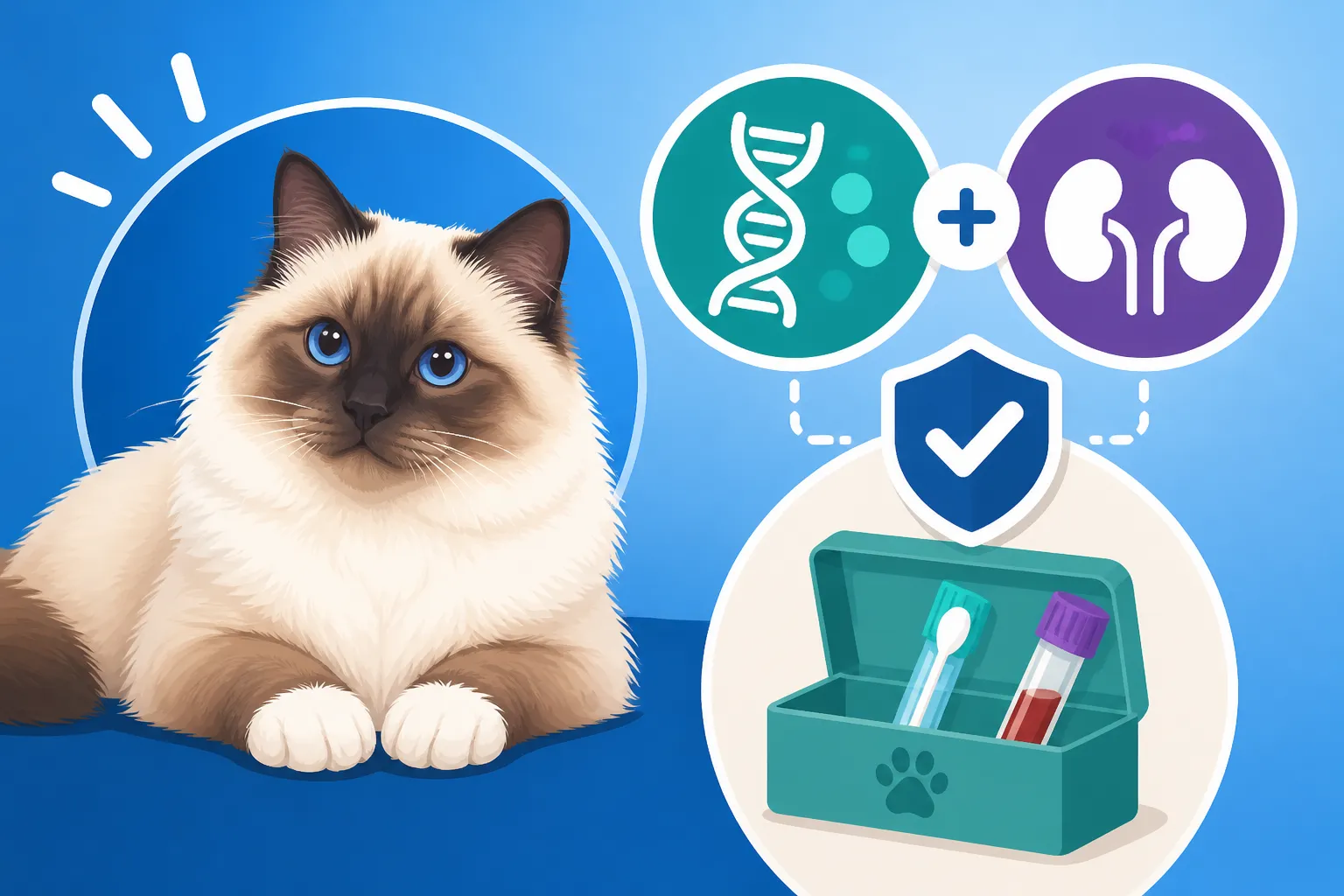
One of the most profound anxieties for any Birman owner or prospective buyer, especially those considering breeding, revolves around the potential for inherited health issues. It's a genuine worry to invest so much love, time, and resources into these beautiful cats, only to face devastating genetic diseases. Understanding the costs associated with critical genetic testing for conditions like Feline Ataxia (FOXN1) and Polycystic Kidney Disease (PKD1) is essential for peace of mind and responsible ownership, and this guide aims to demystify those expenses for you.
Understanding the Importance of FOXN1 and PKD1 Testing
It's natural to pause when faced with additional costs, but when it comes to the health of your beloved Birman, genetic testing for certain conditions isn't just a recommendation – it's a vital step. These tests aren't just fancy add-ons; they are crucial tools that can prevent immense heartbreak and significant veterinary expenses down the line. For the Birman breed specifically, FOXN1 and PKD1 are two inherited conditions that demand proactive screening.
Why FOXN1 Testing is Crucial for Birmans
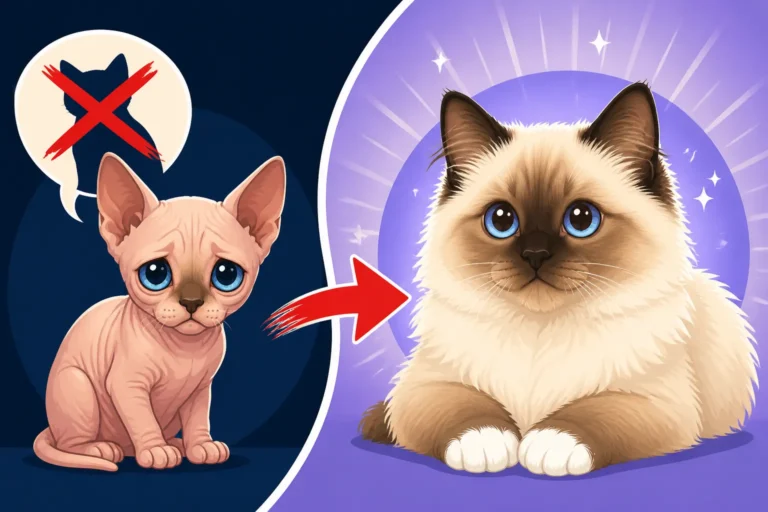
FOXN1, or Feline Ataxia, is a devastating autosomal recessive genetic condition that has a particular presence within the Birman breed. When a kitten inherits two copies of the affected gene – one from each parent – it results in what's clinically known as thymic aplasia and hypotrichosis. Simply put, these kittens are born either entirely bald or with extremely sparse, greasy coats, lacking a functional thymus gland. The thymus is absolutely vital for developing a healthy immune system.
Without a working thymus, these kittens are profoundly immunocompromised. They are unable to fight off even the most common infections that a normal kitten would brush off easily. Think about it: a tiny, vulnerable creature with no natural defenses. This leads to a tragic outcome, as these affected kittens rarely survive beyond eight months of age, often succumbing to infections like pneumonia or severe gastrointestinal issues. It’s an incredibly painful experience for breeders and owners alike. This is exactly Why a Birman Kitten Born Bald Will Not Reach Eight Months. Preventing such a tragedy is the primary reason why knowing the FOXN1 status of breeding cats is not just good practice but an ethical imperative.
The Significance of PKD1 Testing for Birman Health
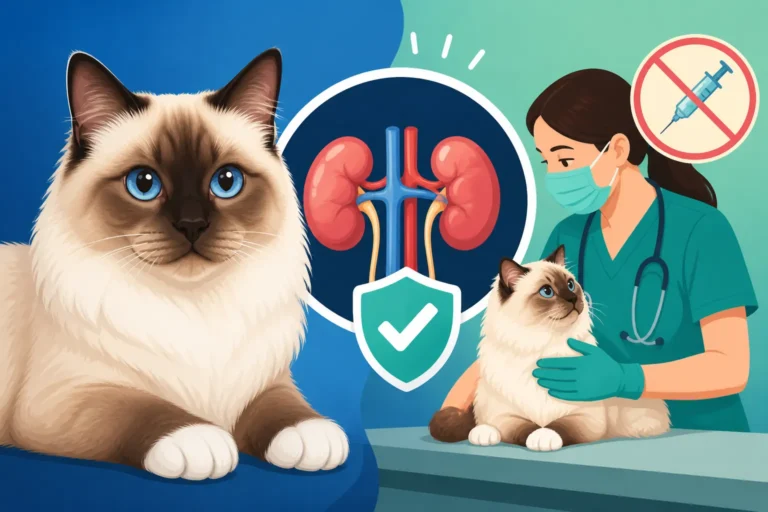
Polycystic Kidney Disease, or PKD1, is another inherited condition that Birman owners must be aware of. Unlike FOXN1, which has immediate and dramatic effects, PKD1 is a progressive disease that develops over time. It's characterized by the growth of fluid-filled cysts within the kidneys, gradually enlarging and multiplying, eventually compromising kidney function and leading to kidney failure. PKD1 is an autosomal dominant condition, meaning a cat only needs to inherit one copy of the affected gene from a parent to develop the disease.
The insidious nature of PKD1 is that its symptoms often don't manifest until later in a cat's life, sometimes not until middle age or even senior years. By then, significant damage may have already occurred. Cats with PKD1 might start showing signs like increased thirst, frequent urination, weight loss, and lethargy. While it can be managed with special diets and medication, it's a condition that will ultimately shorten a cat's life and require ongoing, often costly, veterinary care. This condition famously made its way into many longhaired breeds, including the Birman, through historical outcrossings with Persians, which is Why PKD Reached the Birman Through the Persian. Early detection through genetic testing allows breeders to make informed decisions and pet owners to prepare for potential future health challenges, ensuring their Birman has the best possible quality of life.
Breaking Down the Costs of Genetic Testing
When you're looking into genetic testing for your Birman, the immediate question is, "How much is this actually going to cost me?" It's a fair question, and the good news is that these tests are becoming increasingly accessible and cost-effective, especially when grouped together. The price can vary based on several factors, including the laboratory you choose, whether you opt for individual tests or a panel, and your geographical location.
Individual Test Costs for FOXN1 and PKD1
If you were to test for FOXN1 and PKD1 separately, you'd typically be looking at a range for each. For FOXN1, a standalone test usually runs anywhere from $40 to $80 USD. This involves sending a buccal swab (a simple cheek swab) to a specialized lab. Similarly, a standalone PKD1 genetic test might cost between $45 to $85 USD. These prices generally cover the lab analysis itself but might not include the cost of shipping the sample or any fees your veterinarian might charge for collecting the sample, if you choose not to do it yourself.
Many reputable laboratories offer these services. For example, labs like Optimal Selection (part of Wisdom Panel) or UC Davis often provide individual tests. In Europe, Langford Vets in the UK is another well-known facility. The exact pricing can fluctuate depending on current promotions or if you're ordering multiple tests. For instance, knowing Which Lab Runs the Birman FOXN1 Test can help you directly compare prices and ensure they specialize in feline genetics. Remember to check their websites directly for the most up-to-date pricing, as these figures are estimates.
The Advantage of Combined Testing Panels
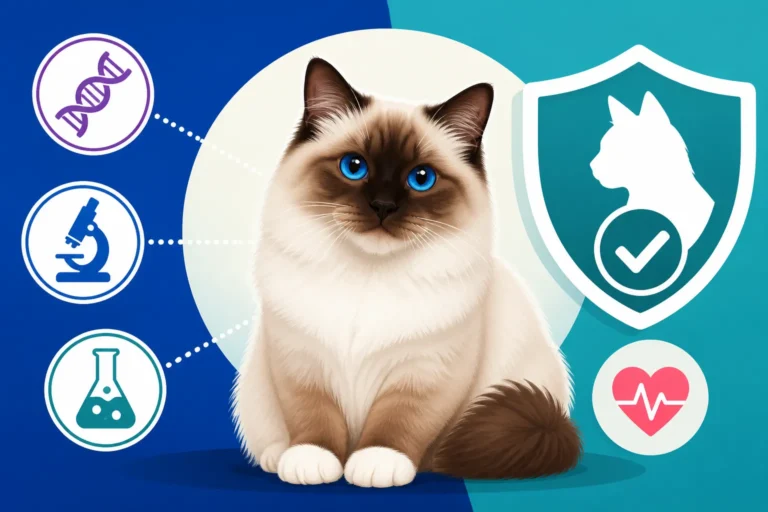
This is where you often find significant savings and convenience. Recognizing that many purebred cats benefit from screening for multiple genetic conditions, many laboratories offer comprehensive breed-specific health panels. These panels bundle together tests for several known genetic diseases prevalent in a particular breed, like the Birman, at a reduced rate compared to ordering each test individually.
For a Birman, a common panel would undoubtedly include FOXN1 and PKD1. Depending on the lab and the specific panel, it might also include tests for blood type, Progressive Retinal Atrophy (PRA), or other markers relevant to feline health. A Birman-specific genetic health panel that includes both FOXN1 and PKD1 could range from $90 to $150 USD or more, depending on how many other tests are included. This is a much more attractive price point than paying for two or more tests separately. Breeders often utilize these panels to get a full genetic health overview of their cats. It’s an efficient way to check for Which Tests Belong on a Birman Panel all at once, ensuring you're covering all your bases without breaking the bank. Always verify what's included in any panel to ensure it meets your specific needs.
Additional Related Expenses to Consider
While the lab fee for the genetic test itself is the primary cost, there are other small but noteworthy expenses that can add up.
- Veterinary Consultation/Sample Collection Fees: While many labs provide instructions for owners to collect buccal swabs at home (a relatively straightforward process of rubbing a sterile swab inside the cat's cheek), some owners prefer their veterinarian to do it. Your vet might charge a nominal fee for this service, typically a standard office visit fee or a specific "sample collection" charge, which could be anywhere from $25 to $75 USD. This ensures the sample is collected correctly and minimizes the chance of contamination.
- Shipping Costs: You'll need to send your samples to the lab, which usually involves standard postal or courier fees. These are typically modest, perhaps $5 to $20 USD, but they are an extra cost to factor in. Some labs provide a pre-paid shipping label, so always check what's included in your test kit.
- Re-testing Fees: In rare cases, a sample might be insufficient or contaminated, requiring a re-submission. While reputable labs often offer a free re-test if the issue was on their end or due to sample quality, it's a possibility to be aware of.
- Registration Documentation: If you are a breeder, you'll need to submit these test results to your breed registry (e.g., CFA, TICA, GCCF) as part of your cat's health records. There might be a small administrative fee associated with updating these records, though this is usually minor compared to the testing itself.
Making Testing Accessible and Budget-Friendly
Investing in genetic testing might seem like an extra step, but when you consider the well-being of your Birman and the potential costs associated with managing genetic diseases, it's truly an investment in their future. There are ways to approach this responsibly without feeling overwhelmed.
Choosing the Right Laboratory and Test Package
Research is your best friend here. Don't just pick the first lab you see. Take the time to compare services, pricing, and turnaround times from a few different, reputable feline genetic testing laboratories. Companies like Wisdom Panel (Optimal Selection Feline), UC Davis Veterinary Genetics Laboratory, and Neogen's GeneSeek often have varying prices and panel options. Look for specific Birman panels, as these are tailored to the breed's known genetic predispositions.
Sometimes, labs offer seasonal discounts or promotional codes, especially around major cat shows or holidays. It never hurts to sign up for their newsletters or follow their social media accounts to catch these deals. If you're a breeder with multiple cats, inquire about volume discounts, as many labs provide them. A simple buccal swab is usually sufficient for these tests, and knowing Why a Cheek Swab Clears a Birman for FOXN1 can simplify the collection process you do at home, potentially saving vet visit fees. Prioritizing labs that are well-regarded within the Birman breeding community can also give you confidence in the accuracy of the results.
Long-Term Savings and Peace of Mind
While there's an upfront cost for genetic testing, it truly pays dividends in the long run. For breeders, clear genetic health certificates for FOXN1 and PKD1 not only demonstrate responsible breeding practices but also increase the value and desirability of their kittens. Buyers are increasingly educated and want assurance that their kitten comes from genetically sound lines. Knowing How a Birman Carrier Is Identified allows breeders to make informed mating decisions, preventing affected kittens from being born. This means avoiding the emotional toll and financial burden of caring for a sick kitten, or the ethical decision to euthanize. It also significantly mitigates future veterinary bills related to managing these genetic diseases.
For pet owners, purchasing a Birman kitten from parents who have been tested and cleared of these conditions provides incredible peace of mind. While no guarantee covers every possible health issue, proactively eliminating the risk of these known genetic diseases is a massive step. It allows you to focus on the joys of companionship, knowing you've minimized the chances of inheriting these specific, severe conditions. Imagine the difference in your experience if you had a Birman from a line that was never echo scanned, versus one that was. A cat from lines that have been rigorously tested, and has a good history, is much more likely to have a healthy and long life, like How Many Years a Birman From Echo Scanned Lines Lives. This foresight might even positively influence the terms of pet insurance policies; companies like Healthy Paws are increasingly keen on preventative care and well-documented genetic health. Although Healthy Paws focuses on illness and accident coverage, starting with a genetically sound cat helps reduce the likelihood of claims for preventable hereditary conditions, making future premiums potentially more stable and your cat's health less of a gamble. Ultimately, this proactive approach can prevent situations where Why Two Birman Carriers Should Never Be Mated, protecting future generations of Birmans and ensuring they live full, happy lives.
Here's a quick look at estimated costs, which can help you budget:
| Test Type | Estimated Cost Range (USD) | Common Labs/Providers (Examples) | Notes |
|---|---|---|---|
| FOXN1 (Individual) | $40 – $80 | Optimal Selection, UC Davis | For thymic aplasia/hypotrichosis. |
| PKD1 (Individual) | $45 – $85 | Optimal Selection, UC Davis | For polycystic kidney disease. |
| Birman Health Panel | $90 – $150+ | Optimal Selection (Wisdom Panel), UC Davis, Langford Vets (UK) | Usually includes FOXN1, PKD1, blood type, and potentially other markers. Most cost-effective. |
| Vet Sample Collection Fee | $25 – $75 | Your Local Veterinarian | Optional, if you prefer vet to collect buccal swab. |
| Shipping Costs | $5 – $20 | Postal Service, Courier | Varies by location and chosen shipping method. Some kits include pre-paid labels. |
Remember, these are estimates, and prices can change. Always check directly with the genetic testing laboratories for their current pricing and available panels. For instance, knowing What an Affected Birman Kitten Looks Like at Birth underscores the urgency of preventing FOXN1, and understanding What Kidney Cysts Do to a Birman emphasizes the importance of PKD1 testing, regardless of the initial cost. Proactive testing is a small price to pay for a long, healthy life for your Birman, and a responsible choice for the breed as a whole. And remember, a good breeder will always have these results readily available, often detailed in the purchase agreement or guarantee, much like How the PKD1 Test Clears a Birman.
Disclaimer
Please note that this guide provides general information based on current knowledge and typical pricing. Genetic testing costs and availability can vary significantly by region, laboratory, and specific testing panels. It is always recommended to consult with your veterinarian and chosen genetic testing laboratory for the most accurate and up-to-date information regarding your Birman's specific needs.