What Pain Relief Suits an Old Birman With Kidney Values
It’s truly heartbreaking to see our beloved Birman companions slow down with age, especially when they start showing signs of discomfort or pain. What makes it even tougher is when you know they’re also dealing with kidney issues, which complicates everything. Finding safe and effective pain relief for an old Birman with compromised kidneys feels like walking a tightrope, but this guide is here to help you understand the options and work with your vet to give your cherished friend the best possible quality of life.
Understanding the Challenge: Pain Relief and Kidney Health in Older Birmans
When your sweet Birman reaches their senior years, it's natural for a few aches and pains to creep in. But unlike their younger, more boisterous selves, our gentle Birmans often hide their discomfort, making it difficult to spot. Adding kidney disease into the mix creates a really delicate situation when it comes to managing that pain.
The Delicate Balance: Why Pain Relief is Tricky with Kidney Disease
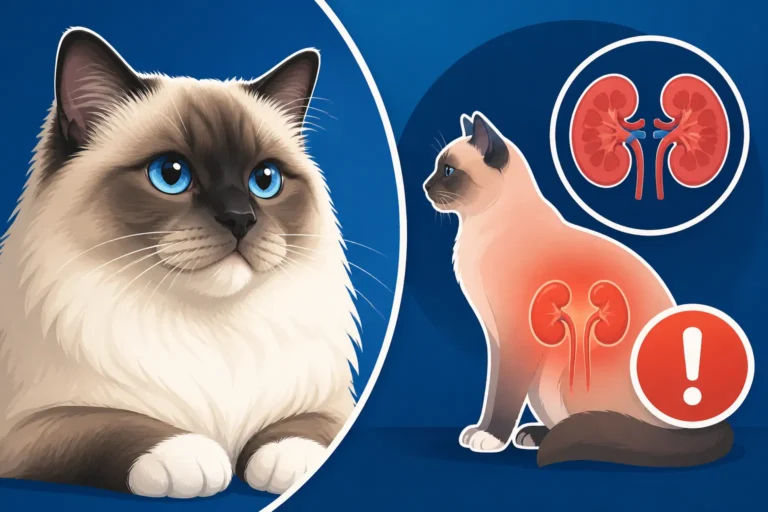
Our Birman’s kidneys are vital organs, working tirelessly to filter waste products from their blood and maintain a healthy balance of fluids and electrolytes. When kidney function declines, these organs can’t perform their job as efficiently. This means that any medication introduced into their system, including pain relief, has to be processed and eliminated by kidneys that are already struggling.
Many common pain medications, especially non-steroidal anti-inflammatory drugs (NSAIDs) like meloxicam, can be incredibly tough on the kidneys. They work by inhibiting certain enzymes that also play a role in maintaining kidney blood flow. For a cat with healthy kidneys, this might not be a huge issue, but for an older Birman whose kidneys are already compromised, an NSAID could push them over the edge, causing further damage or even acute kidney failure. It's a risk no loving pet parent wants to take, which is why your vet will be extremely cautious and explore alternatives. It’s not about withholding comfort, but about preventing a bigger problem.
Common Aches and Pains in an Aging Birman
Even though Birmans are known for their quiet, dignified demeanor, they’re not immune to the wear and tear of time. As they age, many Birmans develop conditions that cause chronic pain. The challenge, of course, is that a placid breed like ours is incredibly stoic. Why a Placid Birman Hides Pain is a common concern among Birman owners, as they might not cry out or limp noticeably until the pain is quite severe.
Osteoarthritis is a huge culprit, often manifesting as stiffness, reluctance to jump, or difficulty climbing stairs. You might notice your Birman taking longer to settle down or struggling to get comfortable. Sometimes, it's as subtle as them no longer leaping gracefully onto the sofa but instead using a small stool or finding an easier, lower perch. What an Old Birman Slows Down From First can often be these subtle changes in mobility. Dental disease is another major source of chronic pain that can go unnoticed. Imagine eating with a constant toothache! Our Birmans have relatively narrow jaws, and gum disease can creep up, causing significant discomfort that affects their appetite and overall well-being. Other issues might include old injuries acting up, or even spinal problems. Recognizing these signs early, despite their quiet nature, is crucial for improving their quality of life. Why a Birman Hides Illness Behind a Placid Temperament truly highlights this unique challenge.
Veterinary Approaches to Pain Management with Kidney Concerns
When you’re dealing with an older Birman experiencing pain alongside kidney values that aren't ideal, your veterinarian becomes your most invaluable partner. They understand the delicate balance and have a range of options to explore, prioritizing safety above all else. It's a collaborative effort to find what works best for your unique companion.
Safe Pharmaceutical Options: What Your Vet Might Consider
Because NSAIDs are often off the table for cats with kidney disease, your vet will look to other classes of pain medications that are metabolized differently and pose less risk to kidney function. These medications don't typically reduce inflammation as directly as NSAIDs, but they can be incredibly effective at managing pain itself.
One common choice is Gabapentin. This medication is often used to treat neuropathic pain (nerve pain) and can also have a mild sedative effect, which can be beneficial for anxious or restless cats. It's largely excreted by the kidneys, so your vet will likely start with a very low dose and monitor your Birman closely, adjusting as needed based on their kidney function. Another option might be Tramadol, an opioid-like pain reliever that works on different pain pathways in the brain. While it can be effective, some cats experience side effects like dysphoria or sedation. Again, careful dosing and monitoring are key. For chronic, low-grade pain, especially related to osteoarthritis, your vet might also discuss Amantadine. This drug works as an NMDA receptor antagonist, which can help reduce the "wind-up" pain phenomenon, where the nervous system becomes hypersensitized to pain signals. It's often used in combination with other pain relievers.
The critical takeaway here is that any pharmaceutical pain relief for a Birman with kidney issues must be prescribed and carefully monitored by a veterinarian. They will take into account your cat's specific kidney values, overall health, and response to the medication. Don't ever try to self-medicate with over-the-counter human pain relievers; many are toxic to cats. Regular vet check-ups are paramount to ensure the chosen medication is working effectively and not causing any adverse effects. These visits will often include blood work to track How a Birman's Kidney Numbers Are Tracked From Middle Age.
Alternative and Complementary Therapies
Beyond traditional medications, there's a growing understanding of how alternative and complementary therapies can significantly improve comfort for our feline friends, often with minimal systemic impact. These can be particularly appealing when kidney health is a concern.
Acupuncture is gaining recognition in veterinary medicine for its ability to relieve pain and improve mobility. Fine needles are inserted into specific points on the body, stimulating nerve endings and promoting the release of natural pain-relieving substances. Many cats tolerate it surprisingly well, especially placid Birmans. Therapeutic laser therapy (also known as cold laser therapy) uses specific wavelengths of light to reduce inflammation and promote healing at a cellular level. It's non-invasive, painless, and can be very effective for localized joint pain or muscle stiffness. Sessions are usually quick and relaxing for most cats.
When it comes to supplements, glucosamine and chondroitin are popular choices for supporting joint health. These nutraceuticals help maintain cartilage integrity and reduce inflammation. They are generally considered safe for cats with kidney disease, though it's always best to choose veterinary-specific formulations and discuss them with your vet to ensure they don't contain any ingredients that could be problematic. Omega-3 fatty acids, often found in fish oil supplements, also have anti-inflammatory properties and can benefit joint health, skin, and coat. What a Birman's Yearly Panel Should Include After Eight can help monitor their overall health as you introduce these.
Some owners explore CBD oil for their pets, hoping for pain relief and anti-inflammatory benefits. While research is ongoing, it's crucial to use products specifically formulated for pets, ensure they are third-party tested for purity and potency, and discuss it thoroughly with your vet. Not all products are created equal, and dosing can be tricky. Always err on the side of caution, especially with a cat whose system is already delicate.
Monitoring and Adjusting Treatment Plans
Managing chronic pain and kidney disease in an older Birman isn't a one-and-done solution; it's an ongoing process that requires diligent monitoring and flexibility. Your Birman's needs will change over time, and their treatment plan needs to evolve with them.
You, as their devoted owner, are the first line of defense. Pay close attention to subtle shifts in their behavior. Are they sleeping more? Less interested in play? Reluctant to use their favorite perch? Changes in appetite, litter box habits, or grooming can also be indicators of pain or worsening kidney function. Keeping a journal of these observations can be incredibly helpful for your vet. How Arthritis Shows in a Birman That Never Jumped Much may not be obvious until they stop doing things they once loved, like taking those little hops onto a chair.
Regular veterinary check-ups are non-negotiable. These visits will typically include a thorough physical examination, blood tests to assess kidney values and overall organ function, and sometimes urine tests. Your vet will ask about your observations at home and may adjust medication dosages, suggest new therapies, or recommend further diagnostics like X-rays to pinpoint the source of pain. Be honest and open about what you're seeing and any concerns you have. Financial considerations are also important, and having pet insurance like Healthy Paws can provide peace of mind, covering a significant portion of these ongoing treatments and diagnostic tests. It’s comforting to know you can make decisions based on your cat’s needs, not just your wallet.
Supportive Care and Lifestyle Adjustments at Home
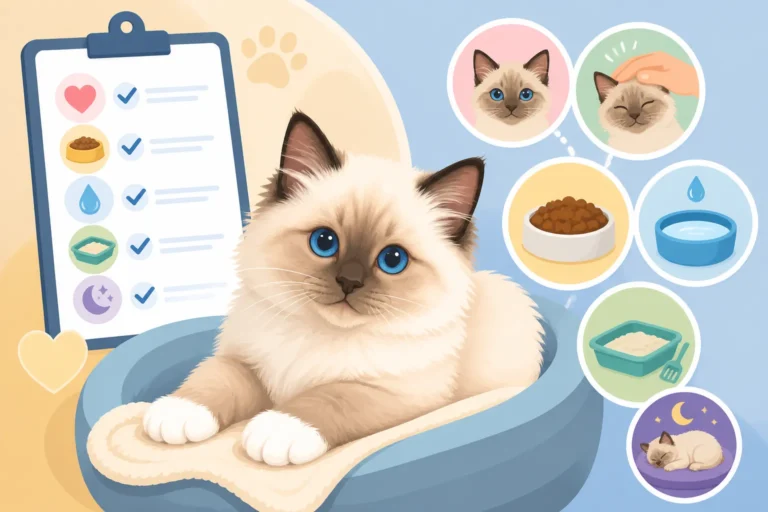
Beyond vet visits and medications, creating a supportive and comfortable home environment can make a world of difference for an aging Birman with kidney issues and pain. These everyday adjustments can alleviate stress, improve mobility, and contribute significantly to their overall well-being.
Creating a Comfortable Environment
Think about your Birman's daily routine and identify any areas where they might be struggling. Our Birmans have long, elegant bodies, and while they might not be extreme climbers like some breeds, even a small jump can become painful with age.
- Soft, Accessible Beds: Provide orthopedic beds or plush cushions in their favorite resting spots. Raised beds can also make it easier for them to get in and out without straining joints. Ensure their beds are in warm, draft-free areas, as older cats can be more sensitive to cold, especially with their single, silky coat.
- Ramps and Steps: If your Birman loves to be on the sofa or bed with you, consider placing small steps or ramps to help them access these elevated spots without jumping. This reduces impact on their joints. You might notice Why an Old Birman Stops Using the Stairs if they're having trouble with vertical movement.
- Elevated Food and Water Bowls: Bending down can be uncomfortable for cats with neck or back pain. Elevated bowls allow them to eat and drink in a more natural, comfortable posture.
- Easy-Access Litter Boxes: Choose litter boxes with lower sides to make entry and exit easier. A larger box can also be beneficial, allowing them to turn around without discomfort. Why a Birman Needs a Longer Box Than a Round Cat is a good thing to remember as they age and may move less fluidly. Keep them meticulously clean, as senior cats, especially those with kidney issues, might urinate more frequently and appreciate pristine conditions.
- Non-Slip Surfaces: If you have hardwood or tile floors, consider placing rugs or runners in areas where your Birman frequently walks. This provides better traction and reduces the risk of slips and falls, which can be painful and deter movement.
Nutritional Support and Hydration
Nutrition plays a crucial role in managing both kidney disease and joint pain. The right diet can slow the progression of kidney issues and provide vital nutrients for joint health.
- Kidney-Specific Diets: Your vet will likely recommend a prescription renal diet. These diets are carefully formulated with controlled protein, phosphorus, and sodium levels to reduce the workload on the kidneys and help manage the disease. While your Birman might be a quiet eater and not complain, consistency with this diet is key. Which Prescription Diet a PKD Positive Birman Ends Up On is a question many Birman owners face.
- Increased Water Intake: Hydration is paramount for cats with kidney disease. Encourage drinking by offering multiple water sources, including ceramic or stainless steel bowls, and consider a pet fountain. Many cats prefer fresh, moving water. Incorporating wet food into their diet is also an excellent way to boost water intake. How Much Wet Food a Birman's Kidneys Are Worth Paying For can be a significant amount, but it's an investment in their health.
- Joint-Supporting Supplements (with vet approval): As mentioned earlier, supplements like glucosamine, chondroitin, and omega-3 fatty acids can be incorporated into their diet to support joint health. Always discuss these with your vet to ensure they are appropriate and don't interact with any other medications or conditions. Some cat foods are even formulated with these ingredients, which can be a convenient option.
Gentle Exercise and Mental Stimulation
While your older Birman might not be tearing through the house like a kitten, gentle activity is still important for maintaining muscle mass, joint flexibility, and mental well-being.
- Short, Gentle Play Sessions: Instead of intense play, engage your Birman in shorter, less strenuous play sessions. A feather wand toy moved slowly along the floor or a soft toy they can bat around can provide stimulation without overexertion. Avoid high jumps or sudden twists.
- Brush Time and Massage: Regular, gentle grooming is a wonderful way to bond and check for any new lumps, bumps, or tender spots. Use a soft brush, especially around their ruff and britches, which can become tangled. As they age, What an Old Birman Needs Once Its Ruff Starts Matting may require a bit more attention from you. A gentle massage, especially around their joints, can improve circulation and ease stiffness. Pay attention to their cues – if they pull away, stop.
- Puzzle Feeders: While Birmans aren't always the most food-motivated, a simple puzzle feeder can offer a bit of mental enrichment without requiring much physical exertion. This can keep their minds sharp and engaged.
Managing an older Birman with kidney disease and pain is a journey, not a sprint. It requires patience, observation, and a close partnership with your veterinarian. With thoughtful care, you can help your beautiful Birman live out their golden years with as much comfort and joy as possible. And remember, the support of comprehensive pet insurance like Healthy Paws can ease the burden of unexpected veterinary costs, allowing you to focus on what truly matters: your cat's well-being.
Disclaimer
This article is for general informational purposes only and does not constitute professional advice. Laws, prices and regulations vary by location and change over time. Consult a qualified professional for guidance on your specific situation.