What to Check on a Birman Kitten in Its First Week Home
Bringing a new Birman kitten into your home is an incredibly exciting time, full of soft purrs and playful pounces. But amidst all the joy, it’s completely normal to feel a little overwhelmed and even anxious about ensuring your tiny new family member is settling in well and, most importantly, healthy. This comprehensive guide is here to walk you through all the crucial checks and observations you should make during your Birman kitten’s first week home, helping you feel confident that you’re providing the best possible start for your precious furball.
Preparing for Your Birman Kitten's Grand Entrance
Before your little Birman even sets a paw in your home, setting up a safe and welcoming environment is paramount. This isn't just about making them comfortable; it's about minimizing stress and potential hazards that can affect a kitten's delicate system during a big transition.
Setting Up a Cozy, Safe Space
Your Birman kitten will be coming from a familiar environment, likely with their mother and littermates. The sudden change can be a bit startling, so creating a dedicated "sanctuary" for them to acclimate is incredibly helpful. This should be a small, quiet room, like a spare bedroom or a bathroom, that can be easily kitten-proofed.
Start by looking at the room from a kitten's perspective. Are there any loose electrical cords they could chew on? Small objects they might swallow? Toxic plants that are within reach? Even seemingly innocuous items can pose a serious threat to a curious kitten. Secure window coverings, ensure toilet lids are down, and remove any fragile items. Remember, Birmans are curious and gentle, and even though they are generally not high climbers, they will explore every nook and cranny at ground level. This initial safe space gives them a manageable area to explore without feeling overwhelmed by an entire house, allowing them to slowly build confidence. Providing a warm, soft bed or a cozy cave where they can retreat if they feel shy is essential.
It’s often recommended that your Birman lives purely as an indoor cat, which can significantly contribute to their longevity. For more on this, consider reading about Why an Indoor Birman Reaches Sixteen More Often.
Gathering Essential Birman Supplies
Having everything ready before your kitten arrives eliminates last-minute stress for you and ensures a smoother transition for them.
First on the list is food. Ask your breeder exactly what food the kitten has been eating and try to stick with it for at least the first few weeks. Sudden dietary changes can cause stomach upset, which is the last thing you want when they're already adjusting. Provide ceramic or stainless steel water bowls, as plastic can harbor bacteria and sometimes cause chin acne. Place bowls away from the litter box.
Speaking of litter, choose a low-dust, unscented litter. Birman kittens, like all cats, are meticulous groomers, and dusty litter can irritate their respiratory system or eyes. Plus, with those beautiful white gloves, you’ll want a litter that minimizes staining. You might find our guide on Why a Birman Needs a Litter That Does Not Stain particularly useful. Ensure the litter box itself is appropriately sized for a kitten – not too high for them to easily climb in and out.
Next, think about play and comfort. A variety of safe, age-appropriate toys will stimulate their mind and encourage natural behaviors. Wand toys are fantastic for interactive play, while small, soft toys can provide comfort. Don’t forget a sturdy carrier for safe transport, especially for that first vet visit. Finally, for grooming, a fine-toothed metal comb is a must-have for their silky coat. We'll delve deeper into grooming, but knowing Which Comb Gets Through a Birman's Ruff Without Pulling is a great head start.
Your Birman Kitten's First At-Home Health Assessment
Once your little Birman is home, take some time to gently observe them. This isn't about being intrusive, but rather establishing a baseline of their normal health and behavior so you can quickly spot any deviations.
The Head-to-Tail Visual Inspection
In their safe space, once they're relaxed, gently get down to their level and perform a gentle visual check. You're essentially confirming what the breeder and vet should have already assessed, but it’s good practice for you to know what’s normal.
- Eyes: They should be bright, clear, and a beautiful blue, without any discharge, cloudiness, or excessive tearing. A little sleep crust is normal, but anything persistent could indicate an issue. Don't worry about their striking blue color; Why a Birman's Blue Eyes Are Not a Health Risk explains why this trait is perfectly healthy. If you notice any discharge, you can gently wipe it away with a damp, soft cloth. For more detailed advice, check out How to Clean a Birman's Eye Corners.
- Ears: The inside of their ears should be clean, free of excessive wax, redness, or any foul odor. A small amount of light brown wax is normal, but dark, crumbly discharge often points to ear mites. You can learn more about What a Birman's Ear Wax Should Look Like.
- Nose: It should be slightly damp and free of any colored discharge, sneezing, or congestion.
- Mouth and Gums: Gently lift their lips to check their gums. They should be a healthy pink color, and their breath should be neutral, not foul. Check for any missing teeth, redness along the gum line, or signs of discomfort. Birman kittens have small, narrow jaws, so getting them used to dental care early is important. Our guide on Getting a Toothbrush Into a Birman's Narrow Jaw offers some great tips.
- Coat: Run your hands over their silky fur. It should be clean, soft, and free of tangles or mats. You shouldn't see any bald patches, redness, or signs of fleas (tiny black specks that look like dirt). While extremely rare in Birmans, conditions like hypotrichosis cause baldness, so understanding What a Hairless Birman Kitten's Skin Looks Like can help distinguish any unusual hair loss from the normal development of their points.
- Paws and Gloves: Inspect their paw pads for cuts or tenderness, and their claws. The white "gloves" on a Birman are one of their most distinctive features, so check that they are clean and free of any discoloration. You’ll want to keep those claws trimmed; here’s a guide on Trimming the Claws Inside a Birman's White Gloves.
- Rear End: Ensure it’s clean and free of any fecal matter or redness, which could indicate diarrhea or irritation.
Observing Eating, Drinking, and Potty Habits
These are foundational indicators of a kitten's health. Monitor them closely without hovering.
- Eating: Is your kitten eating regularly? Are they finishing their meals or showing a good appetite? A sudden loss of appetite or refusal to eat for more than 24 hours is a significant concern for a kitten.
- Drinking: Are they finding and using their water bowls? Proper hydration is vital, especially for growing kittens.
- Litter Box: Keep a close eye on their litter box usage. You want to see regular urination and bowel movements. The stool should be formed and brown, not liquid or excessively soft. Diarrhea, constipation, or straining to use the litter box are all red flags. Birman kittens, due to their unique genetic history, can be vulnerable to infections if their immune system is compromised, so good digestive health is crucial. You might find it interesting to learn about Why a Birman Kitten Catches Every Infection and how it relates to overall health.
Energy Levels and Temperament
Birmans are known for their gentle and placid nature, but a healthy kitten should still be curious and playful.
- Playfulness: Observe if they are engaging with toys, exploring their new space, and showing bursts of playful energy. A healthy kitten will have periods of activity followed by deep sleep. You can tell a lot about a kitten’s health by how it approaches playtime; check out How Rough a Birman Kitten Plays for typical behaviors.
- Lethargy: Is your kitten overly sleepy, withdrawn, or unwilling to play? Lethargy is a serious sign of illness in kittens.
- Vocalizations: Birmans are generally quiet cats, using soft trills and gentle meows. Excessive crying, yowling, or an unusual silence can indicate distress.
- Response to Handling: While shy at first, your kitten should respond positively to gentle petting and handling. Signs of pain or discomfort when touched should be noted immediately.
Nurturing Your New Birman: Routines and Bonding
Beyond the initial health checks, the first week is all about building trust, establishing routines, and setting your Birman up for a lifetime of happy, healthy interactions.
Gentle Introductions and Socialization
The first week is crucial for helping your kitten feel secure. Keep introductions to family members calm and gentle, one at a time. Let the kitten approach people on their own terms. If you have other pets, keep them separate for the first few days, allowing them to acclimate to each other's scents under controlled conditions. Positive reinforcement with treats and soft praise goes a long way. This gentle approach sets the stage for a well-adjusted, confident adult cat. Learning How to Handle a Birman Kitten From Day One can make a huge difference in their comfort level.
Starting Good Grooming Habits Early
Birmans have that gorgeous, silky coat that requires regular, but not excessive, grooming due to their lack of an undercoat. Starting early makes a big difference.
- Combing: Introduce a fine-toothed comb daily for just a minute or two. Make it a positive experience with treats and praise. Focus on areas prone to tangles like behind the ears, under the "armpits," and their britches. For a comprehensive guide, see How to Start Combing a Birman Kitten.
- Paw Handling: Gently touch and massage their paws regularly. This makes future nail trims and paw inspections much easier.
- Tooth Brushing: Even at a young age, you can start introducing a soft kitten toothbrush and veterinary toothpaste. Just a few seconds of gentle brushing daily can prevent future dental issues. Check out Introducing a Toothbrush to a Birman Kitten at Twelve Weeks for a step-by-step approach.
Preparing for the Initial Vet Visit
Even if your kitten seems perfectly healthy, a vet visit within the first few days of bringing them home is non-negotiable.
- Choosing a Vet: If you don't already have one, find a veterinarian who is experienced with cats and ideally has good reviews from other Birman owners.
- Paperwork: Gather all the documentation provided by your breeder, including vaccination records, deworming history, and any health certificates or genetic test results for the parents. Your vet will need this to establish a complete medical history. Knowing Which Certificates a Birman Breeder Hands Over With the Kitten ensures you have everything you need.
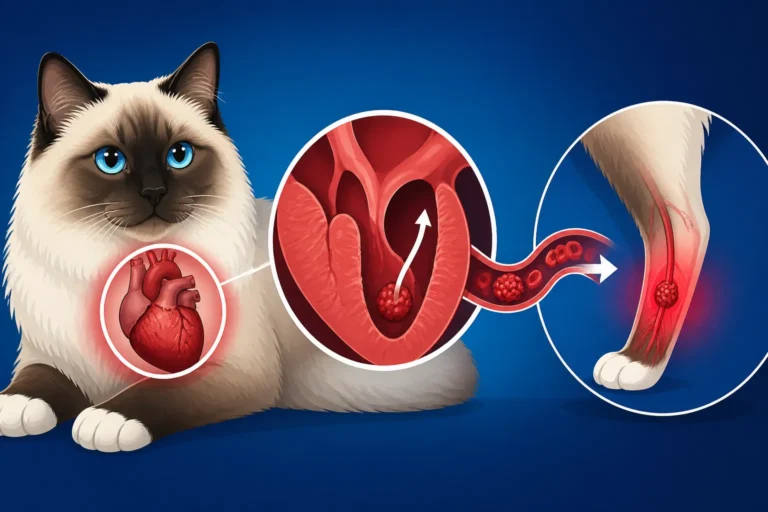
- What to Expect: The vet will perform a thorough physical exam, check for parasites, discuss vaccination boosters, and provide a deworming schedule. They'll also discuss diet, litter, and potential spay/neuter timing. It's particularly important that they listen to the kitten's heart. Understanding Why a Birman Kitten's First Exam Includes Its Heart highlights the importance of early cardiac screening in this breed. This is also a great time to discuss pet insurance options like Healthy Paws, which can offer peace of mind for unexpected health issues down the line.
Red Flags: When to Seek Veterinary Advice for Your Birman Kitten
Even with the best preparation and observation, kittens can sometimes develop health issues. Knowing when to call the vet is critical. Don't hesitate if you're concerned; it's always better to be safe than sorry, especially with a young kitten.
Concerning Digestive Symptoms
Digestive upsets are common in kittens but can quickly become serious due to their small size and rapid dehydration risk.
- Persistent Vomiting: If your kitten vomits more than once or twice, or if it's accompanied by other symptoms like lethargy, it's a cause for concern. Vomiting can be a sign of anything from dietary indiscretion to more serious issues like parasites, infections, or even obstructions.
- Severe or Bloody Diarrhea: While mild, stress-induced diarrhea might resolve on its own, severe, watery, or bloody diarrhea is an emergency. It can lead to rapid dehydration and could indicate serious infections like coccidia or giardia.
- Loss of Appetite: If your kitten refuses to eat for more than 24 hours, contact your vet. Kittens have low reserves and can quickly develop serious complications like fatty liver disease if they don't eat.
- Bloated Abdomen: A swollen or distended belly, especially if accompanied by pain or discomfort, could indicate parasites, fluid retention, or other internal problems.
Signs of Respiratory Distress or Lethargy
Respiratory issues can quickly escalate in kittens, and lethargy is a universal sign that something is seriously wrong.
- Persistent Sneezing, Coughing, Wheezing: While an occasional sneeze is normal, continuous sneezing, coughing, or any wheezing sounds indicate a respiratory infection, which can quickly become pneumonia in a kitten.
- Discharge from Nose or Eyes: Green or yellow discharge from the nose or eyes, particularly if accompanied by fever or lethargy, is a strong indicator of infection.
- Difficulty Breathing: Open-mouth breathing, labored breathing, or rapid, shallow breaths are veterinary emergencies.
- Extreme Lethargy: If your kitten is unusually quiet, doesn't want to play, hides constantly, or is unresponsive, it's a critical symptom. Kittens have a lot of energy, and a sudden drop is always alarming.
Other Urgent Symptoms
These symptoms might not fit into neat categories but warrant immediate veterinary attention.
- Limping or Pain: Any limping, reluctance to move, or vocalizing in pain when touched should be checked by a vet. Kittens can sometimes injure themselves playing, or it could indicate a more serious underlying issue.
- Frequent Scratching or Head Shaking: This could signal ear mites, fleas, or allergies. While not always an emergency, it's important to address discomfort quickly.
- Difficulty Urinating or Defecating: Straining to go to the litter box, crying in the litter box, or producing very little urine or stool can indicate serious urinary tract issues or severe constipation.
- Any Sudden, Drastic Change in Behavior: You know your kitten best. If something feels "off" and it's a stark contrast to their normal behavior, trust your gut and consult your vet.
Having a robust pet insurance plan, such as one from Healthy Paws, can be incredibly beneficial during these times, easing the financial burden of unexpected vet visits and emergency care. It allows you to focus on your kitten's health without added stress.
Daily Kitten Health Checklist for the First Week
To help you keep track, here's a quick checklist of things to observe daily during your Birman kitten's first week at home:
| Observation Area | What to Check For | Normal Signs | Warning Signs (Contact Vet) |
|---|---|---|---|
| Appetite | Eating frequency and amount | Eats several small meals, finishes food enthusiastically | Refuses food for >24 hours, lack of interest in food |
| Water Intake | Drinking frequency | Drinks small amounts regularly, seems hydrated | Not drinking, excessive drinking, sunken eyes |
| Litter Box | Urine and stool frequency, consistency, color | Regular urination, well-formed brown stool, no straining | Diarrhea (especially bloody/watery), straining, constipation, no urine for >12 hours |
| Energy & Play | Levels of activity, playfulness | Periods of energetic play, curious exploration, deep sleep | Lethargy, constant hiding, unresponsiveness, lack of play |
| Eyes | Clear, bright, discharge | Clear, bright blue, minimal sleep crust | Redness, swelling, yellow/green discharge, excessive tearing |
| Ears | Cleanliness, odor, scratching | Clean, no odor, minimal light wax | Dark, crumbly discharge, redness, foul odor, frequent head shaking |
| Nose | Dampness, discharge | Slightly damp, no discharge | Dry/crusty, clear/colored discharge, sneezing, congestion |
| Coat & Skin | Cleanliness, parasites, bald spots | Clean, soft, no fleas/ticks, no bald patches | Fleas/ticks, red spots, scabs, excessive itching, bald patches |
| Gums & Mouth | Color, breath, pain | Pink gums, neutral breath, no drooling | Pale/red gums, foul breath, drooling, difficulty eating |
| Overall Behavior | Vocalizations, response to handling, general demeanor | Gentle purrs, soft trills, accepts gentle handling, curious | Constant crying, hiding, aggression, pain when touched, sudden behavioral changes |
Bringing home a Birman kitten is a commitment to a beautiful and loving companion. By being vigilant during their first week and knowing what to look for, you're laying the foundation for a long, healthy, and happy life together. Enjoy every moment with your precious new family member!
Disclaimer
This article provides general information and recommendations. It is not a substitute for professional veterinary advice. Always consult with a qualified veterinarian for any health concerns or before making any decisions about your pet's care.