How to Start Combing a Birman Kitten
Bringing a brand-new Birman kitten home is such an exciting time! You’re likely captivated by their stunning blue eyes and incredibly soft fur. But as that little fluffball begins to settle in, one crucial aspect of their care often comes to mind: grooming. Even though Birmans are known for their relatively easy-care coats, getting your kitten accustomed to combing from an early age is absolutely vital for a lifetime of stress-free maintenance. This guide will walk you through everything you need to know about starting your Birman kitten's grooming journey, ensuring it's a positive and bonding experience for both of you.
Understanding Your Birman Kitten's Coat and Why Grooming Matters
Many new Birman parents are delighted to hear that this breed has a single coat, meaning no dense, woolly undercoat like a Persian. This is fantastic news because it significantly reduces the likelihood of matting. However, it's a mistake to think this means grooming isn't important. While you might not battle the same kind of extreme tangles, regular combing is still essential for maintaining that beautiful, silky texture and preventing any issues down the line.
The Myth of the "No-Mat" Birman Coat
It's true that a Birman's coat is less prone to matting than many other longhaired breeds, largely because there’s no thick undercoat to snag and felt together. Their fur feels wonderfully silky and tends to lie flat. You can literally run your fingers through it, and it feels like liquid silk. However, "less prone" doesn't mean "never mats." Tangles can still form, especially in areas where friction occurs, like behind the ears, in the armpits, and along the "britches" – the longer fur on their hind legs. Imagine your Birman kitten wrestling with a toy or dashing through the house; these actions can still create small knots. If left unchecked, these tiny knots can become larger, painful mats that pull on their skin. That silky coat, while gorgeous, can still trap loose hairs, and those loose hairs are the primary ingredient for mats. Remember, a clean, well-combed coat is a healthy coat, and it sheds less. For more on their specific coat type, you might find Why a Birman's Single Coat Never Developed a Woolly Layer interesting.
Starting Early: Building Positive Associations
The key to successful grooming throughout your Birman's life is to start early and make it a thoroughly positive experience. Your kitten is a sponge for new information and experiences right now, and their natural curiosity can be channeled into accepting grooming as a normal, even pleasant, part of their day. If you wait until they're older and already have a fear or dislike of being handled, it becomes a much harder battle. Think of it like teaching a child to brush their teeth; the earlier you start, the more natural it feels, and the less resistance you'll encounter. A kitten who learns that combing means gentle strokes, tasty treats, and loving praise will eagerly anticipate these sessions. This early conditioning is crucial, as Early Grooming Habits Decide a Birman's Life.
The Future Benefits of Consistent Grooming
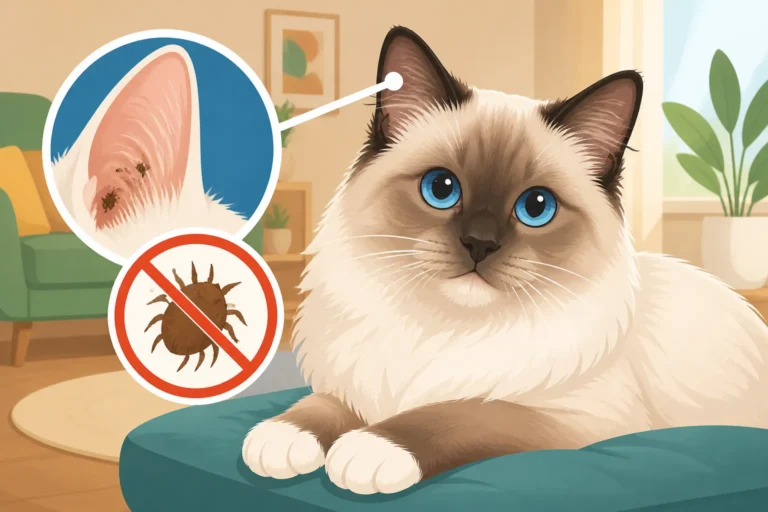
Beyond preventing mats, consistent grooming offers a host of other benefits for your Birman kitten. It helps distribute natural skin oils, keeping their coat shiny and healthy. It also gives you an opportunity to perform a mini health check each time – looking for any bumps, scratches, fleas, or changes in their skin or fur. This regular tactile interaction strengthens the bond between you and your kitten, as they learn to trust your touch. A Birman is already a very trusting and affectionate cat, so this really doubles down on that connection. Furthermore, by removing loose fur, you're not only preventing hairballs but also reducing the amount of cat hair that ends up on your furniture and clothes. Who doesn't want less cat hair around the house, especially with a stunning long-haired breed?
Essential Tools for Your Birman Kitten's First Grooming Sessions
Having the right tools is half the battle when it comes to grooming any cat, and especially a Birman with its delicate, yet long, coat. You don't need a huge arsenal, but selecting quality, appropriate items will make all the difference in keeping your kitten comfortable and safe during these early experiences.
Choosing the Right Comb: Gentle and Effective
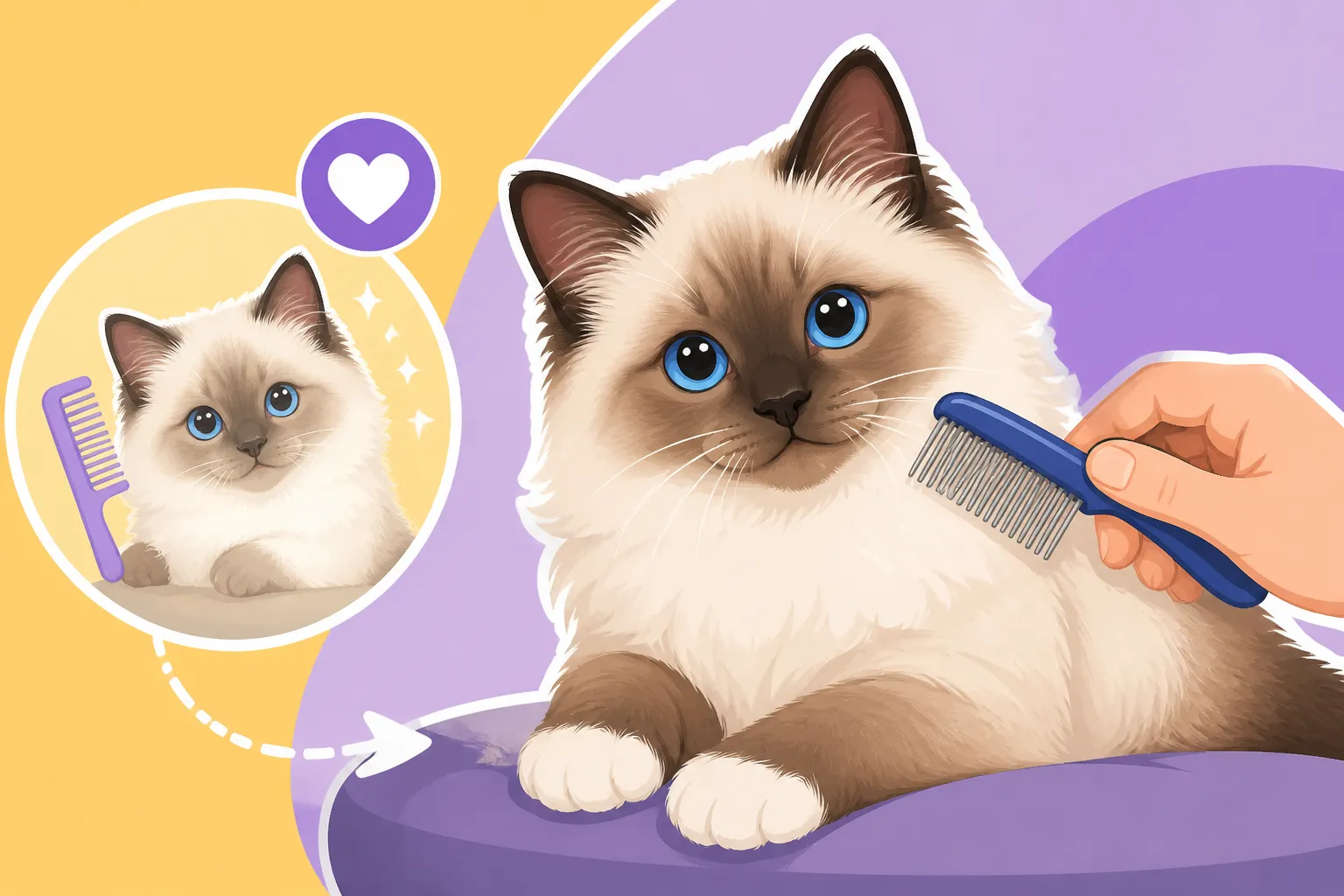
For a Birman kitten, your primary tool will be a good quality comb. Forget about brushes with stiff bristles or sharp pins – those are usually too harsh for a kitten's delicate skin and can actually damage their silky coat, leading to breakage or static. Instead, look for a metal comb with both wide and fine teeth. The teeth should be rounded, not sharp, to prevent scratching. A comb that feels smooth in your hand and glides easily through your own hair is a good indicator.
Start with the wider-toothed side for most of the body, then switch to the finer side for areas prone to tangles or for a more thorough finish. Many experienced Birman owners swear by a good quality greyhound-style comb. You can often find excellent options on sites like Amazon or specialized pet supply retailers like Chewy. The goal is to detangle gently and remove loose hair without pulling. Choosing the right comb is essential for a smooth experience; for more details, see Which Comb Gets Through a Birman's Ruff Without Pulling.
What to Avoid: Tools That Can Damage a Birman's Coat
Just as important as knowing what to use is knowing what not to use. Avoid slicker brushes, especially those with very stiff, sharp pins. While they might seem good for detangling, they can easily scratch your kitten's skin and pull out healthy fur, damaging the delicate guard hairs of the Birman's single coat. Deshedding tools, like certain blades designed for undercoats, are also generally unsuitable. Birmans don't have a thick undercoat to "deshed" in that manner, and these tools can cut or break their beautiful long guard hairs, potentially leading to a duller coat or even irritating the skin. Harsh rakes are another no-go. The key is gentle, consistent removal of loose hair and prevention of tangles, not aggressive stripping. Using the wrong tools can turn grooming into a traumatic experience, which is the last thing you want when building a positive foundation.
Setting Up Your Grooming Kit
Beyond the comb, a few other items will round out your essential Birman kitten grooming kit. You'll want a pair of small, blunt-nosed clippers for their claws. Start getting them used to having their paws handled and nails gently squeezed from day one. A soft cloth or pet wipe can be useful for keeping those pristine white gloves clean, especially if they get into something messy – though a full bath is rarely needed for a Birman's coat. A small container of cat-specific treats is absolutely crucial for positive reinforcement, as is a quiet, comfortable space where you can groom your kitten without distractions. Consider a non-slip mat if you plan to groom them on a table, as some Birmans find being slightly elevated makes them more cooperative. How to Get a Birman Used to a Comb offers more tips on this process.
| Tool Type | Recommended for Birman Kittens | Why It Works / What to Look For | What to Avoid / Why Not |
|---|---|---|---|
| Comb | Metal comb with rounded teeth, dual-sided (wide and fine) | Glides through silky coat, detangles gently, removes loose hair | Slicker brushes, combs with sharp teeth, de-shedding tools |
| Nail Clippers | Small, blunt-nosed cat-specific clippers | Safely trims claws, prevents accidental cuts | Human nail clippers (can split claws), large clippers |
| Treats | High-value, small, palatable cat treats | Positive reinforcement, distraction, reward | Any human food, overly large treats, low-value treats |
| Wipes/Cloth | Pet-safe grooming wipes, soft damp cloth | Cleans paws/face gently, good for spot cleaning | Human wipes (contain harsh chemicals), rough towels |
| Grooming Table Mat | Non-slip rubber mat or bath mat | Provides stability, security, and comfort | Slippery surfaces, wobbly tables |
Step-by-Step: Introducing the Comb to Your Birman Kitten
Now that you have your tools ready and understand the importance of early grooming, let's talk about the practical steps to introduce the comb to your Birman kitten. This isn't a race; it's about building trust and creating a pleasant routine.
The Initial Introductions: Scent and Sight
Before you even think about putting the comb to their fur, let your kitten investigate the grooming tools on their own terms. Place the comb on the floor near them during playtime or when they’re relaxed. Let them sniff it, bat at it, and explore it. The goal here is to remove any novelty or fear associated with the object itself. You can even rub the comb on your hands or a favorite blanket first, so it carries a familiar, comforting scent.
Speak to your kitten in a calm, soothing voice. Offer a treat when they interact positively with the comb, even if it's just a curious sniff. This initial stage might take a few days, and that's perfectly fine. Patience is truly a virtue here. You want them to view the comb as just another benign object in their environment, not some scary monster descending upon them. Remember, a Birman often approaches new things with a gentle curiosity, so let that lead the way.
Short, Sweet Sessions: Building Tolerance
Once your kitten seems comfortable with the comb's presence, you can start the actual combing – but keep it incredibly brief. Pick a time when your kitten is naturally relaxed, perhaps after a meal or a good play session when they're winding down. Start by gently petting them, then introduce the comb for just a few strokes. Focus on an area they enjoy being touched, like their back or shoulders, avoiding sensitive spots like their belly or tail for now.
The moment you put the comb down, immediately offer a treat and lots of verbal praise. Two or three gentle strokes are enough for the very first session. The idea is to stop before they get restless or annoyed. You want to leave them wanting more, or at least not dreading the next time. Gradually increase the number of strokes and the duration of the session over days or weeks. Don't push it. If they show any signs of discomfort – tail twitching, flattened ears, trying to squirm away – stop immediately, offer a treat, and try again later. It’s better to have many short, positive sessions than one long, stressful one. This method helps engrain that grooming means good things will happen.
Positive Reinforcement: Treats and Praise
Positive reinforcement is your best friend in grooming. Every time your Birman kitten tolerates a comb stroke, or stays still for a moment, offer a small, high-value treat and lavish them with praise. Use a happy, encouraging tone of voice. This creates a strong association: "Comb = yummy treat and cuddles!" For some Birmans, even just a gentle whisper of "Good kitty!" is a powerful motivator, as Why Praise Motivates a Birman More Than Food suggests.
You can also use play as a reward. After a short grooming session, engage them with a favorite wand toy or a feather teaser. This reinforces that grooming is followed by something fun and rewarding. Consider using different types of treats to keep their interest piqued. Whether it's a freeze-dried chicken bit or a tiny dollop of salmon paste, high-value rewards make a huge difference. Consistency is key here; make sure every grooming interaction, no matter how small, ends on a positive note. This builds a foundation of trust and cooperation that will serve you well for your Birman's entire life.
Overcoming Challenges and Making Grooming a Routine
Even with the most placid Birman kitten, you might encounter a few bumps in the road. It’s completely normal! The important thing is to approach these challenges with patience and a clear understanding of your kitten's temperament.
Handling a Wiggly Kitten: Patience and Persistence
Some kittens, despite your best efforts, are simply more energetic or less inclined to sit still. If your Birman kitten is a bit of a wiggle-worm, don't get discouraged. First, ensure you've timed your sessions correctly – after they've burned off some energy, not before. A quick play session can make them more amenable to settling down. If they start to get squirmy, try holding them gently but securely on your lap, or on a non-slip mat on a table, which often gives cats a sense of being "anchored." Why a Birman Behaves Better Combed on a Table can be a great resource here.
Keep your movements calm and deliberate, avoiding sudden jerks. If they truly resist, revert to even shorter sessions. One stroke, then a treat. Build up from there. You can also try a "grooming buddy" – someone else to gently hold and distract the kitten with treats while you comb. Remember to make sure your kitten is never in a position where they could fall or feel trapped, as this can create negative associations. A Birman is generally quite tolerant, and Why a Birman Plays Gently can give you confidence that they're unlikely to lash out aggressively.
Integrating Grooming into Daily Life
The best way to ensure consistent grooming is to make it a natural part of your daily or weekly routine. For a Birman, three short combing sessions a week are generally sufficient to keep their coat in top condition and prevent mats, as their single coat doesn't tangle as easily as some other longhairs. Choose a specific time, perhaps when you're watching TV in the evening, and make it a quiet, bonding ritual.
Consistency isn't just about frequency; it's also about where and how you groom. Try to use the same spot each time, so your kitten knows what to expect. Keep your grooming kit readily accessible. By making it a predictable and pleasant part of their life, rather than a special, dreaded event, you'll find much less resistance. As your kitten grows into an adult, these habits will be deeply ingrained, saving you from much more difficult grooming battles in the future. Regular grooming also allows you to keep an eye on other aspects of their health, like checking their teeth, which is a big deal for Birmans, as discussed in How Often a Birman's Teeth Come Off the Vet's List.
When to Seek Professional Advice (Though Rarely Needed for Birmans)
For Birmans, professional grooming is typically not necessary for basic coat care due to their easy-to-manage single coat. You'll likely be able to handle all their combing needs at home. However, there might be rare instances where professional help is valuable. If, despite your best efforts, your kitten develops a large, tight mat that you can't gently work out with your comb, a professional groomer or vet can safely remove it. Trying to cut out a mat yourself can be dangerous and lead to accidental cuts to their skin.
Similarly, if your kitten develops a strong aversion to grooming that you can't overcome, or if you notice skin issues, excessive shedding, or discomfort during combing, it’s always best to consult your veterinarian. They can rule out any underlying health problems that might be causing the issue and offer guidance on handling techniques or behavioral modifications. These instances are rare for the typically docile Birman, but it’s always good to know when to ask for an expert opinion. For tips on a kitten's overall development, consider What a Birman Kitten Should Learn by Twelve Weeks.
Disclaimer
This article is for general informational purposes only and does not constitute professional advice. Laws, prices and regulations vary by location and change over time. Consult a qualified professional for guidance on your specific situation.