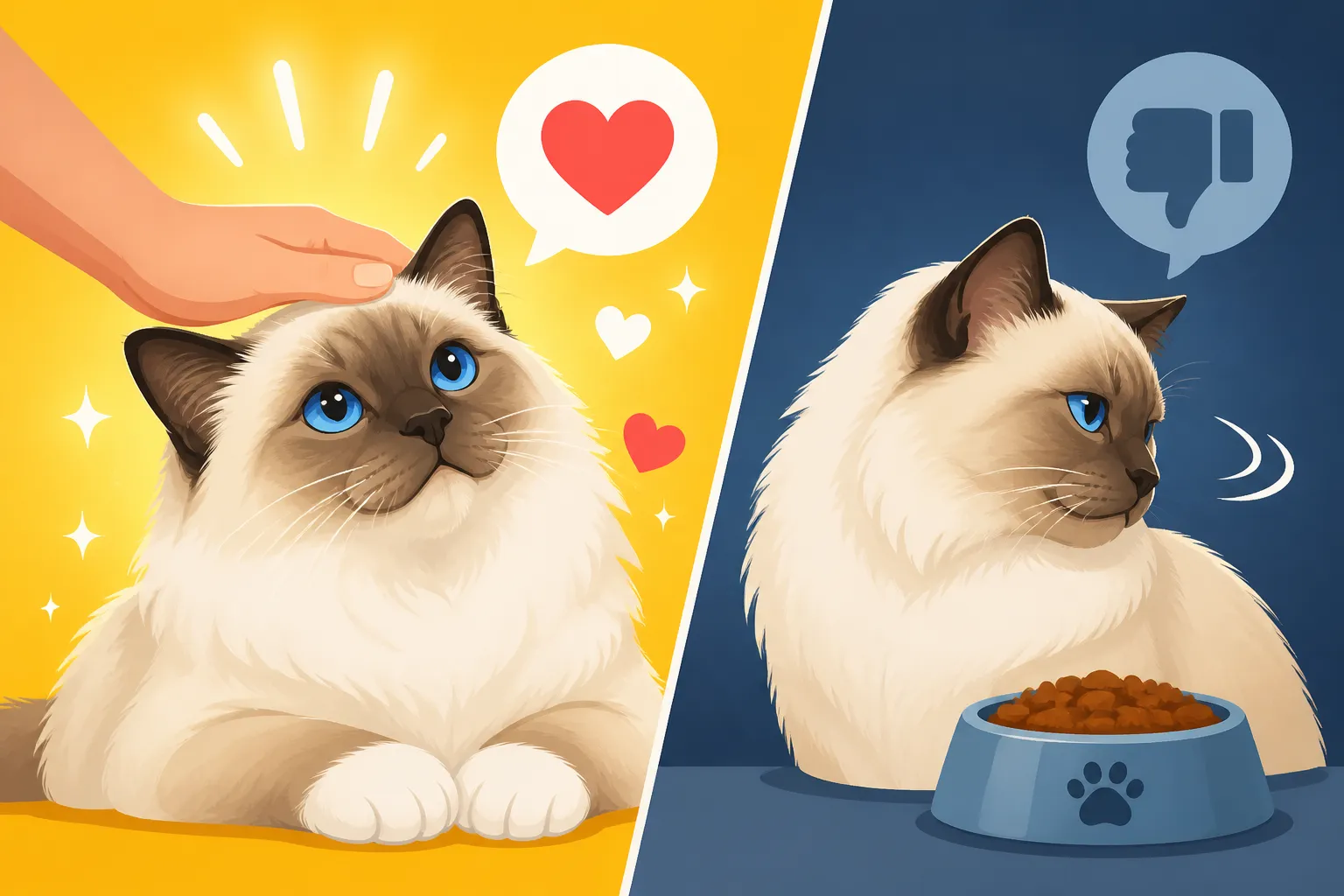
Why Praise Motivates a Birman More Than Food
It can be incredibly disheartening when you're trying to bond with your beloved Birman, perhaps teaching them a little trick or encouraging a new behavior, and your carefully selected, delectable treats just don't seem to cut it. You might wave a salmon-flavored morsel under their nose, only for them to give a casual sniff and walk away, leaving you wondering if your cat even likes food. This guide will dive deep into the beautiful Birman psyche, explaining why these magnificent felines often respond far better to your heartfelt praise and gentle affection than to even the most enticing treat, and how you can harness this unique trait for a stronger, more harmonious relationship.
Understanding the Birman's Unique Temperament
The Birman isn't your average cat. These are creatures steeped in legend and known for their incredibly placid, affectionate, and people-oriented nature. While every cat is an individual, the breed as a whole possesses characteristics that make them stand out, particularly when it comes to what truly motivates them. It’s not that they don't enjoy a good meal or a tasty snack; it’s just that their priorities often lie elsewhere.
The Birman's Affectionate and People-Oriented Nature
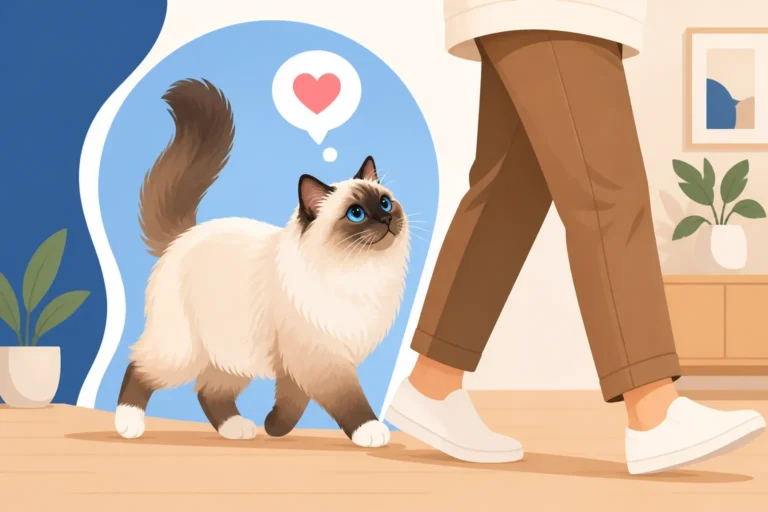
If you've spent any time with a Birman, you'll know they have a way of quietly inserting themselves into your life. They aren't usually demanding or overly vocal, preferring a gentle presence. You'll often find your Birman following you from room to room, settling near you, perhaps on the arm of the sofa or on the rug at your feet, content just to be in your orbit. This constant desire for proximity and connection is a huge clue to what truly makes them tick. They crave that companionship and validation from their human family above almost everything else.
Their loyalty runs deep, and they form incredibly strong bonds with their chosen people. This isn't a cat that just tolerates your presence; they actively seek it out. This innate drive for connection means that positive attention from you is a currency far more valuable than a mere treat. When you lavish them with praise, your Birman understands it as a direct acknowledgment of their good behavior from the person they adore most. It reinforces their place in your life and strengthens the emotional ties that are so vital to this breed's happiness. Think about how a Birman follows you without demanding anything – it's this quiet devotion that makes them so responsive to your emotional cues.
A Breed That Prefers Presence Over Inducement
Unlike some breeds that might be highly food-motivated or obsessed with chasing a particular toy, the Birman's primary desire is often just to be with you. They're often described as "velcro cats" not because they're constantly on your lap (though many are!), but because they maintain a close physical or visual connection. They enjoy being near you, watching what you do, and soaking up the calm energy of your home. A noisy, demanding cat might try to get your attention with insistent meows or by batting at your legs, but a Birman's approach is far more subtle. They might use the small trill a Birman uses instead of a meow or simply position themselves strategically to catch your eye.
This preference for shared presence means that inducements like treats often fall flat if they don't come bundled with attention. If you toss a treat and walk away, the Birman might pick it up, but the impact won't be as profound as if you offer the treat with a gentle stroke, a soft voice, and direct eye contact. It’s the entire interaction, the shared moment, that holds the most weight for them. This understanding is crucial when you consider training or reinforcing behaviors; it means your active involvement and positive engagement are far more powerful tools than simply offering a reward.
Low Prey Drive and Food Motivation
Compared to some of their more athletic or predatory feline cousins, Birmans generally exhibit a lower prey drive. While they certainly enjoy play and will chase a feather wand with gusto, their intensity often isn't on the same level as, say, a high-energy Siamese. This translates into a less intense focus on food as a primary motivator. Many Birmans are perfectly happy with their regular meals and don't necessarily view treats as a high-stakes reward. They might why a Birman will not tell you it is hungry, preferring to wait patiently for their dinner.
This isn't to say Birmans aren't foodies at all, but their priorities are different. If a cat's instinctual drive to hunt and eat is very strong, then food becomes an incredibly powerful incentive. For a Birman, that raw, primal drive is often tempered by their calm and companionable nature. They're more likely to engage with you for the sheer joy of interaction than for a morsel of chicken. This low food motivation is part of their charm, making them less prone to counter-surfing or begging, but it also means we need to adjust our expectations and methods when it comes to training.
The Power of Positive Reinforcement: Praise and Affection
Since food often takes a backseat in a Birman's motivational hierarchy, understanding and utilizing their love for praise and affection becomes paramount. These gentle giants thrive on your attention and validation, making positive reinforcement a wonderfully effective and bond-building approach.
Verbal Praise: More Than Just Words
For a Birman, your voice is a powerful tool. They tune into your tone, your cadence, and the positive energy you convey. A happy, encouraging "Good job, sweetie!" or a soft "You're such a clever cat!" delivered with genuine warmth can make their ears swivel forward, their eyes meet yours, and their purr rumble to life. It’s not just the sound, but the meaning they attach to it. They associate these sounds with your approval and affection, which is precisely what they crave.
When training a Birman, combining a desired action with immediate verbal praise is incredibly effective. For instance, if you're teaching them to come when called, a treat might get their attention initially, but the consistent, enthusiastic verbal praise when they arrive at your feet builds a lasting positive association with the act itself. This is why Praise Motivates a Birman More Than Food so profoundly. They are sensitive to your emotions and thrive on the positive feedback they receive from their trusted human. This makes them wonderfully rewarding cats to train, as their desire to please is often stronger than their desire for a snack.
The Importance of Physical Affection and Cuddles
Birmans are famously affectionate cats, though often in their own subtle way. They may not always be a classic lap cat, preferring to sit next to you rather than on you, as described in The Birman Sits Against Your Leg, Not on Your Lap. However, they absolutely adore gentle strokes, chin scratches, and the feeling of being close to you. This physical contact serves as a powerful reward. When your Birman does something you want to encourage, a few moments of petting, a gentle cuddle, or even just holding them close can be far more impactful than any treat.
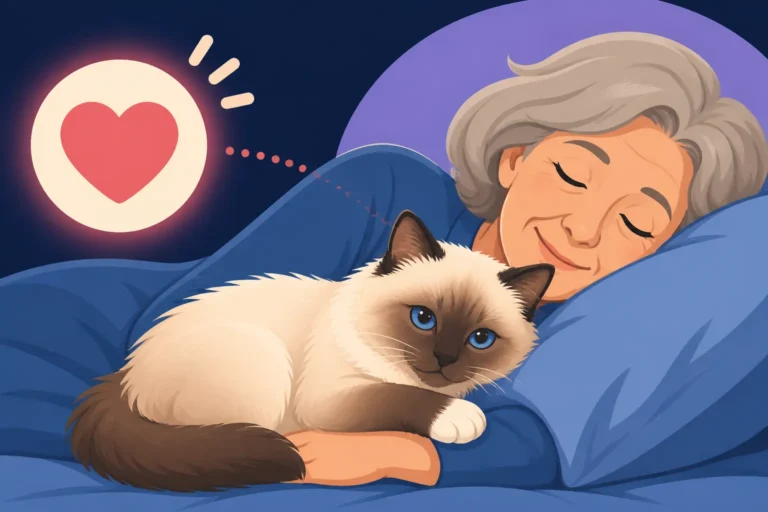
Think of it as filling their emotional cup. Each stroke, each soft word, deepens their sense of security and belonging. This direct, loving interaction reinforces the bond between you, making them more inclined to repeat behaviors that elicit such a desirable response. It’s a reciprocal relationship: your affection motivates them, and their happy purrs and soft gazes reinforce your own desire to give them more love. This makes physical affection an invaluable tool for everything from encouraging good behavior to simply strengthening your companionship.
Integrating Play and Attention as Rewards
Beyond verbal praise and cuddles, interactive play and focused attention are fantastic motivators for a Birman. These cats enjoy gentle play sessions, especially with wand toys that mimic the slow, deliberate movements of prey rather than fast, erratic flashes. A dedicated 10-15 minute play session can be an incredible reward for a Birman who has learned a new command or performed a desired action. It combines your undivided attention with physical engagement, hitting several of their core motivational buttons at once.
Consider a cat that successfully uses a scratching post instead of your sofa. Instead of just offering a treat, follow up with an immediate "Good kitty!" and then grab their favorite wand toy (perhaps one you found on Amazon with soft feathers) for a few rounds of engaging play. This reinforces the positive behavior with high-value attention and fun, making it much more likely they'll choose the scratching post again. For a breed that often plays gently and values company, shared play is a true gift.
When Food Rewards Do Have a Place (and How to Use Them)
While praise and affection often take precedence, it’s not to say that food rewards are entirely useless for Birmans. They absolutely can have a role, especially when used strategically and thoughtfully. The trick is understanding when and how to deploy them effectively, and to remember that they are usually a supplement to, rather than a replacement for, your loving attention.
Identifying High-Value Treats for Your Birman
Not all treats are created equal in the eyes of a Birman. That dry, crunchy kibble-like snack might get a polite sniff, but a truly high-value treat will spark genuine interest. For many Birmans, this often means something with a strong aroma and a different texture from their regular food. Small pieces of cooked chicken, salmon, or a high-quality freeze-dried meat treat can often hit the spot. Some Birmans even enjoy a tiny dab of plain yogurt or a lickable treat paste.
Experiment to find what your individual Birman considers a "jackpot" reward. Offer small quantities, observe their reaction, and keep a mental note of what gets the most enthusiastic response. Once you’ve identified their top-tier treats, reserve them only for specific training moments or particularly challenging situations. This keeps their value high and ensures they remain a special incentive, rather than just another snack. You might find a great selection of these on Amazon, offering a variety of flavors and textures to try.
Strategic Use in Training and Desensitization
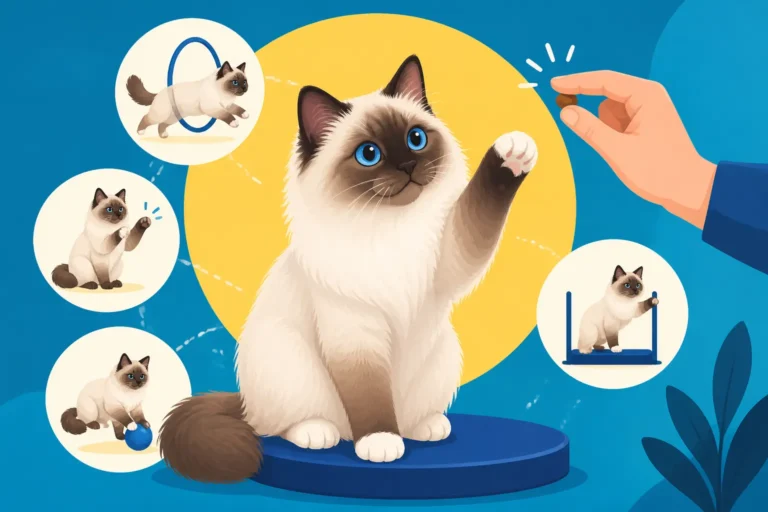
Food treats are particularly useful for initial lure-and-reward training, especially if you're trying to teach a new trick or behavior that isn't inherently exciting for your cat. For example, if you're clicker training your Birman to sit, using a small, high-value treat to lure them into the position, immediately followed by the click and verbal praise, can accelerate the learning process. Once they understand the behavior, you can gradually fade out the food reward, relying more on the click and praise.
They are also excellent for desensitization or counter-conditioning. If your Birman is nervous about something – perhaps a new carrier, or getting their nails trimmed – offering a stream of highly palatable treats while they are exposed to the scary thing (at a low intensity) can help them form a positive association. The food distracts them and helps create a good feeling, allowing their natural placid temperament to shine through. Just remember to keep the portions tiny to avoid overfeeding.
Avoiding Over-Reliance on Food
The biggest pitfall with food motivation in Birmans is becoming overly reliant on it. If every desired behavior is met with a treat, you risk creating a cat that only performs for food, rather than out of a desire for connection or to please you. This can undermine the very bond that Birmans thrive on. Moreover, Birmans, like all cats, need careful management of their weight, and excessive treats can quickly lead to an overweight feline, which carries its own health risks. How quickly treats show on a Birman's long frame can be surprising.
The goal should always be to transition away from constant food rewards as quickly as possible, moving towards intermittent rewards (sometimes a treat, sometimes just praise) and eventually, primarily praise and affection. This teaches your Birman that their good actions are inherently rewarding because they strengthen their bond with you, not just because they lead to a snack. It's about nurturing their intrinsic motivation rather than relying on external bribes.
| Motivation Type | Birman Effectiveness | Best Use Cases | Potential Drawbacks |
|---|---|---|---|
| Praise/Verbal | High | Daily interactions, reinforcing known behaviors, building confidence. | Less effective for initial luring of complex new tricks. |
| Affection/Petting | High | Reinforcing calm behavior, strengthening bond, comforting. | Some cats have areas they don't like touched; may not work for urgent action. |
| Interactive Play | Medium-High | Reinforcing active behaviors, burning energy, mental stimulation. | Requires your active participation; may not appeal to all Birmans equally. |
| High-Value Treats | Medium | Introducing new behaviors, desensitization, specific complex commands. | Risk of overfeeding, potential for "only for food" mentality, can lose value if overused. |
| Low-Value Treats | Low | Generally ineffective as a primary motivator for Birmans. | Often ignored, can be seen as less interesting than regular kibble. |
Tailoring Your Approach to a Birman's Personality
While Birmans share many wonderful breed traits, each cat is still an individual with their own quirks and preferences. To truly motivate your Birman effectively, you need to be a keen observer and adapt your methods to their unique personality.
Observing Your Birman's Individual Preferences
Spend time simply watching your Birman. What do they really enjoy? Does your Birman melt into your hand when you scratch behind their ears, or do they prefer a gentle stroke down their back? Do they get excited by a particular type of toy, or are they more interested in sitting quietly near you while you read? Some Birmans might be more vocal, using what a Birman is saying with that short trill to communicate, while others are incredibly quiet. Pay attention to how they show affection without making demands (How a Birman Shows Affection Without Making Demands). These observations are your roadmap to understanding what truly resonates with them.
For example, if your Birman is particularly fond of a soft blanket, making that blanket available in a favorite sun spot can be a quiet reward for calm behavior. If they love watching birds from a specific window, ensuring that spot is always accessible and clean can be a form of environmental enrichment that serves as its own reward. Don't be afraid to try different things – perhaps a new puzzle feeder from Amazon might pique their interest, even if food isn't their primary motivator for training. Every Birman is unique, and uncovering their individual joys will allow you to create tailored rewards that hit home.
Building a Strong Bond for Better Motivation
At the heart of motivating a Birman is the strength of your relationship. These cats thrive on connection and trust. A Birman who feels secure, loved, and understood is far more likely to respond positively to your guidance than one who feels neglected or confused. Spend quality time with your Birman daily, not just when you want them to do something. This includes gentle grooming sessions (they generally enjoy these thanks to their silky single coat), quiet cuddle times, and interactive play.
This consistent investment in your bond fosters a deep sense of loyalty and a desire to please. When your Birman looks at you, they see not just a provider of food, but a cherished companion. This emotional foundation is the most powerful motivator of all. It’s why a Birman would rather be near you than on you often, and why your presence is their greatest comfort. A strong bond means they're more attuned to your wishes and more willing to engage with you, even if the immediate reward isn't food.
Consistency is Key
Whatever methods you choose, consistency is absolutely vital. If you praise a behavior one day but ignore it the next, your Birman will become confused. Cats are creatures of habit and thrive on predictability. Establish a routine for your training and interaction, using your chosen motivators consistently. Whether it's verbal praise, a favorite toy, or a carefully selected treat, always deliver it immediately after the desired action.
This consistency helps your Birman understand the link between their behavior and your response, making the learning process smoother and more effective. It also builds trust, as they learn that your reactions are reliable. Over time, your Birman will not only understand what you want them to do, but they will also want to do it, because it leads to the invaluable reward of your attention, praise, and affection – the things they truly value most. Remember, even if you work all day, what a Birman does during a nine hour working day still revolves around the expectation of your return and the quality time you provide.
Disclaimer
This article is for general informational purposes only and does not constitute professional advice. Laws, prices and regulations vary by location and change over time. Consult a qualified professional for guidance on your specific situation.