Which Tricks a Birman Learns
It’s a common misconception that only dogs can be trained to do tricks, or that cats are too independent and aloof to bother. Many cat owners, especially those new to the feline world, feel a quiet frustration when their beloved pet seems to ignore every command, let alone perform a "sit" or a "stay." But for those of us who live with Birmans, we know there's a different story. These gentle, intelligent cats often have a hidden talent for learning, and with the right approach, they can absolutely master a delightful array of tricks. This guide will walk you through how to tap into your Birman's natural abilities and teach them some fun, engaging behaviors.
The Birman's Unique Aptitude for Learning Tricks
If you've ever spent time with a Birman, you know they're not your average house cat. They possess a remarkable blend of intelligence, curiosity, and a profound desire for companionship that sets them apart. This isn't a cat that will typically run off to hide for hours on end; instead, they often prefer to be right there with you, observing, interacting, and absorbing the rhythm of your home. This inherent nature makes them surprisingly eager and capable students when it comes to learning tricks.
Why the Birman is a Surprisingly Good Student
Birmans are often described as having a "middle-of-the-road" energy level – not as hyperactive as some Siamese, but certainly more engaged than the stereotypical lazy Persian. This balanced temperament is a huge advantage in training. They are intelligent enough to quickly grasp cause and effect, understanding that a certain action leads to a desirable reward. What truly makes them shine, though, is their deeply affectionate and people-oriented personality. They thrive on interaction and positive attention, viewing training not as a chore, but as another wonderful opportunity to spend quality time with their favorite human.
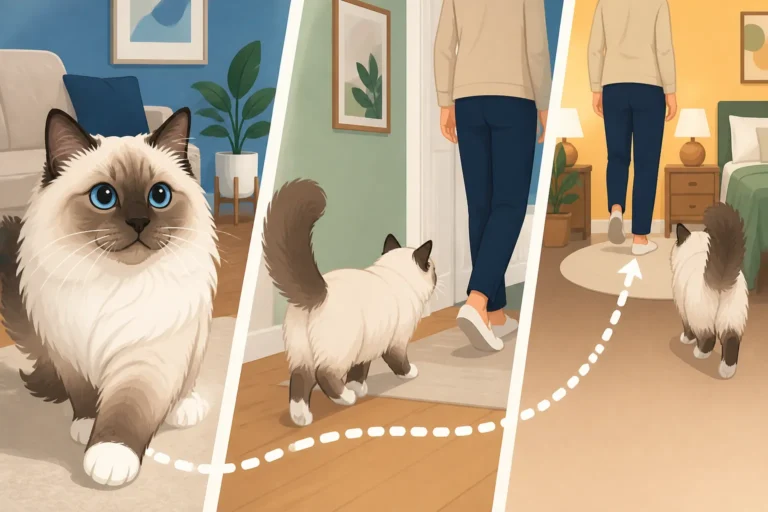
Think about how your Birman follows you from room to room, often settling quietly nearby. They are constantly tuned into your movements, your vocalizations, and your routines. This keen observation is a foundational skill for learning. They pick up on patterns, and when you introduce a consistent training routine, their innate intelligence helps them connect the dots. Their placid, patient nature means they're less likely to become overstimulated or frustrated during training sessions, allowing for a more relaxed and effective learning environment. This is why Praise Motivates a Birman More Than Food, making them particularly responsive to a gentle, encouraging approach.
Building Trust Through Positive Reinforcement
For any cat, but especially for a sensitive and gentle breed like the Birman, positive reinforcement is the only path to successful trick training. Forget harsh tones, scolding, or any form of punishment – these methods will not only fail to teach your Birman anything but will actively erode the trust and bond you share. Your Birman thrives on affection and feels safest when their environment is predictable and loving. Introducing negativity into training will only make them wary and unwilling to participate.
Instead, the key is to make every training session a positive, rewarding experience. This means using high-value treats, enthusiastic verbal praise, and gentle petting as soon as your Birman performs the desired action, even if it's just a small step in the right direction. If your Birman seems confused or reluctant, it’s not defiance; it’s usually a sign that they don’t understand what you’re asking. Simply end the session on a positive note with a small reward for any good behavior, and try again later with a different approach. Remember, the goal is to reinforce good behavior, not punish perceived "mistakes." A Birman responds beautifully to kindness, and their desire to please you, combined with the lure of a tasty morsel, will be your most powerful training tools.
A Birman's Repertoire: Tricks They Love to Learn
Once you understand how to communicate with your Birman through positive reinforcement, a world of tricks opens up! You'll be amazed at how quickly they can pick up new commands, transforming those quiet moments into interactive fun. From basic manners to more elaborate feats, Birmans truly enjoy the mental stimulation and the one-on-one attention that trick training provides.
Mastering the Basics: Name, Sit, and Stay
Starting with foundational tricks is crucial, as they build the framework for more complex behaviors. The most important trick of all, of course, is for your Birman to know their name. This isn't just a fun party trick; it's vital for safety and communication. To teach name recognition, simply say their name in a happy, clear voice and immediately offer a treat or praise when they look at you or respond. Repeat this many times throughout the day, in different rooms, and eventually, they'll associate their name with good things happening. This quick response will be invaluable when you need to get their attention, whether it's for a meal or a sudden warning. Teaching a Birman Its Name and Getting It to Answer explores this further.
"Sit" is another fantastic starting point. With your Birman standing in front of you, hold a high-value treat just above their head, slowly moving it backward over their ears. Their nose will follow the treat, and as their head tilts up, their rear end will naturally lower into a sit. The instant their bottom touches the ground, say "Sit!" enthusiastically and give them the treat. Repeat this a few times, then try it without the treat lure, using only your hand signal and verbal command. "Stay" is a bit more challenging and requires patience. Once your Birman is sitting, say "Stay" and take one tiny step back. If they remain, immediately step forward and reward them. Gradually increase the distance and duration, always rewarding them for staying put before they break the command. If they move, gently put them back in the "sit" position and start again, reducing the difficulty until they succeed.
Interactive Play: Fetch, High Five, and More
Many Birmans have a natural inclination to carry things around, making "fetch" a surprisingly easy trick to teach. Unlike some cats who bat at toys, Birmans often enjoy retrieving and even bringing items back to you. To teach fetch, start with a favorite soft toy – maybe a crinkle ball or a small plush mouse that's easy for them to pick up. Toss it a short distance. If your Birman goes after it, praise them. If they pick it up, even better! If they bring it back to you, offer huge praise and a treat. If they don't bring it all the way back, gently coax them closer with your voice, or even pick them up and carry them back with the toy, rewarding them as soon as they are near you. Over time, they'll understand the full sequence. Teaching a Birman to Bring Something Back goes into more detail on how to refine this fun game.
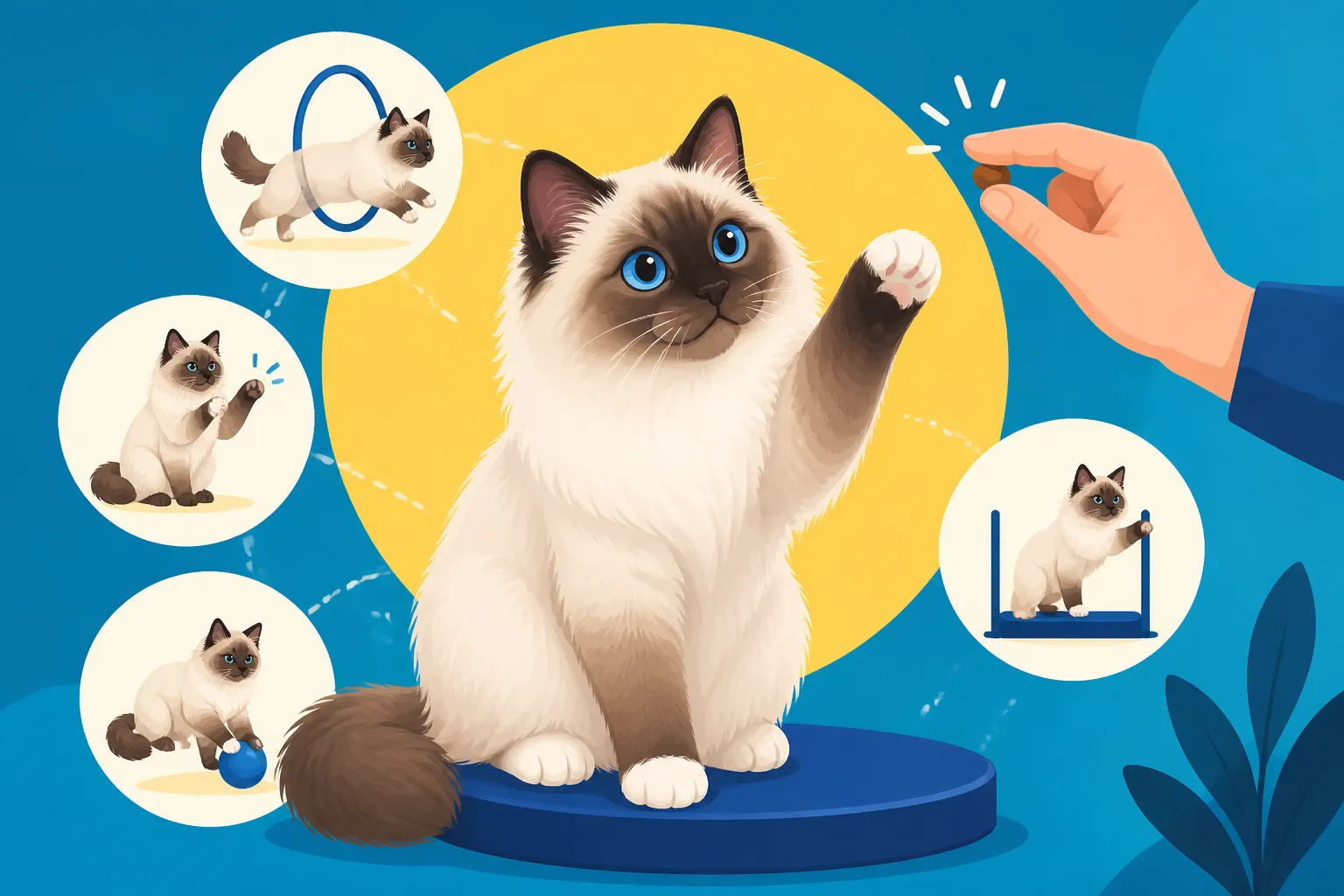
"High five" and "paws up" are charming tricks that build on your Birman's natural tendency to use their paws. For "high five," hold a treat in your closed fist. When your Birman inevitably bats at your hand to get the treat, the instant their paw touches your fist, say "High Five!" and open your hand to give them the treat. Repeat this, gradually moving your hand into the "high five" position. For "paws up," you can use a small, sturdy object like a book or a designated toy. Lure their paws onto the object with a treat, saying "Paws up!" as they comply, and then reward them. These tricks are wonderful for demonstrating your Birman's gentle nature and their willingness to engage.
Pushing the Envelope: From Spin to Hoops
Once your Birman has mastered the basics, you can move on to more dynamic tricks that showcase their grace and agility. "Spin" is a fantastic trick that utilizes luring. Hold a treat near your Birman's nose and slowly move your hand in a circle, encouraging them to follow their nose and turn their body. As they complete a full circle, say "Spin!" and give them the treat. Start with small circles and gradually make them larger, until you can simply gesture and say the command. This trick looks impressive and engages their natural curiosity.
Jumping through a hoop, while sounding circus-like, is completely achievable for a Birman. Start with a small hoop (an embroidery hoop or a child's toy hoop from Amazon works perfectly) held very low, just above the ground. Lure your Birman through the hoop with a treat on the other side. As they step through, say "Through!" or "Jump!" and reward them. Gradually raise the hoop a tiny bit each session. Don't push them to jump too high too soon; remember, a Birman prefers mid-height to the ceiling, so very high jumps aren't their natural preference. If they hesitate, lower the hoop again. This trick builds confidence and provides good physical exercise without putting undue strain on their elegant frame.
Essential Strategies for Successful Birman Training
Even with the most eager student, successful trick training isn't just about what you teach, but how you teach it. Employing the right strategies will make the process enjoyable for both you and your Birman, ensuring consistent progress and a stronger bond. Remember, patience is a virtue, especially when dealing with intelligent but sometimes subtly opinionated felines.
Optimizing Training Sessions for Engagement
The golden rule for cat training is short, frequent sessions. A Birman's attention span, while good for a cat, isn't endless. Aim for sessions that last no more than 5-10 minutes, perhaps two or three times a day. Trying to force a longer session will only lead to boredom, frustration, and a reluctant student. These short bursts keep your Birman engaged and excited, eager for the next opportunity to interact and earn a reward. Think of it as a fun game rather than a rigorous lesson.
Consistency is also paramount. Try to schedule training around predictable times, like before meals or when you've just come home and they're particularly happy to see you. A quiet environment with minimal distractions is ideal, especially when introducing new tricks. If your Birman seems distracted, uninterested, or simply walks away, don't chase them or get frustrated. Simply end the session on a positive note, perhaps with a quick reward for a simple behavior they already know, and try again later. Ending every session, even a challenging one, with success leaves your Birman feeling good about the experience.
The Art of Motivation: Finding Your Birman's Favorite Reward
Understanding what truly motivates your individual Birman is perhaps the most crucial element of successful training. While praise and attention are hugely important for this affectionate breed, a tangible reward often seals the deal, especially in the early stages of learning a new trick. High-value treats are your secret weapon. This isn't their regular kibble; it's something truly special and delicious that they don't get all the time. Small pieces of cooked chicken, salmon, or liver are often irresistible. There are also many commercial cat treats on the market that Birmans adore; just make sure they're small enough to be consumed quickly without interrupting the flow of the session. You can find a wide variety of options on platforms like Amazon.
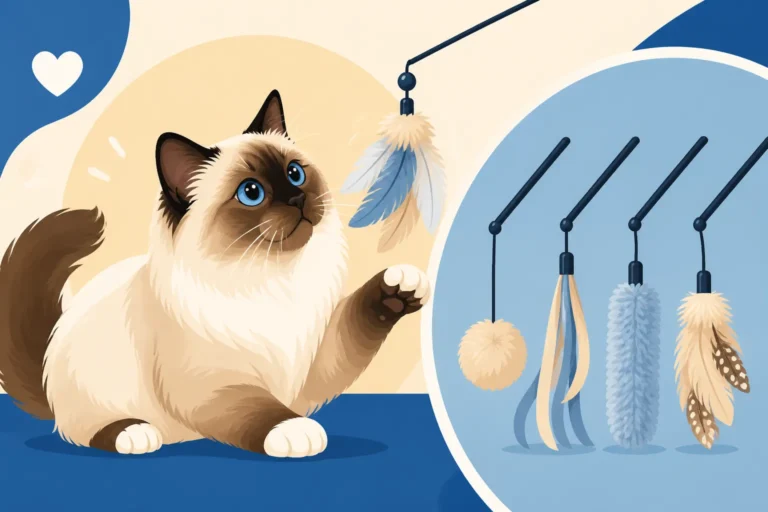
Beyond food, remember that Birmans are highly social. Enthusiastic verbal praise ("Good boy!", "Clever girl!"), gentle ear scratches, or a favorite chin rub can be just as powerful as a treat. Some Birmans are also highly motivated by play. If your cat loves a particular wand toy, a short play session after a successful trick can be an excellent reward. The key is to experiment and observe what makes your Birman's eyes light up. What a Birman will work for during grooming is often similar to what motivates them for tricks. Don't be afraid to mix it up, using different rewards to keep things exciting and to prevent your Birman from becoming complacent or losing interest.
Beyond the Trick: The Deeper Benefits of Training
While teaching your Birman to high-five or jump through a hoop is incredibly fun, the benefits of trick training extend far beyond the impressive display. Engaging in these activities with your Birman fosters a deeper connection and provides essential mental and physical enrichment, contributing significantly to their overall well-being. This is about more than just a trick; it's about building a language and a bond.
Training strengthens the unique relationship you share with your Birman. As you work together, you learn to understand each other's cues, patience, and communication styles. Your Birman learns to trust you even more deeply, seeing you as a source of positive experiences and rewards. This shared activity solidifies the companionship that Birmans crave, making them feel even more secure and loved in your home. It’s an investment in your bond, fostering mutual respect and understanding that translates into a happier, more well-adjusted feline friend. For a breed that thrives on connection, this shared endeavor is priceless.
Furthermore, trick training offers vital mental stimulation. For an intelligent cat like the Birman, a life without adequate mental challenges can lead to boredom, which sometimes manifests as undesirable behaviors. Learning new tricks keeps their minds sharp and engaged, providing an outlet for their intelligence. How Much Play a Birman Needs Daily highlights the importance of keeping them active and stimulated. Beyond the mental aspects, many tricks, like jumping or spinning, also provide gentle physical exercise, helping to keep your Birman agile and healthy. Even a puzzle feeder, readily available on Amazon, can serve as a mental enrichment tool, challenging your Birman to "work" for their food and solve a simple problem, proving that A Puzzle Feeder Interests a Birman at All sometimes. It's a holistic approach to care, ensuring both their minds and bodies are thriving.
Popular Birman Tricks and Their Motivators
Here's a quick overview of some popular tricks you can teach your Birman and the primary motivators that usually work best.
| Trick | Description | Primary Motivator | Notes |
|---|---|---|---|
| Name Recognition | Responding when their name is called. | Treats, praise, attention | Essential foundation for all training. |
| Sit | Lowering their hindquarters into a sitting position. | Treats, praise | Use a lure (treat over head) initially. |
| Stay | Remaining in a "sit" or "down" position for a duration. | Treats, praise | Gradually increase distance and time. |
| Come | Approaching you on command. | Treats, praise, attention | Practice from short distances first, then gradually increase. |
| Fetch | Retrieving and bringing back a tossed item. | Favorite toy, treats | Tap into their natural carrying instinct. |
| High Five | Gently touching your hand with a paw. | Treats, praise | Lure with a treat in a closed fist. |
| Paws Up | Placing front paws on a designated object. | Treats, praise | Good for photo opportunities or interacting with items. |
| Spin | Turning a full circle on command. | Treats, praise | Use luring technique (treat in hand making a circle). |
| Jump Through Hoop | Leaping through a hoop held by you. | Treats, praise | Start low, raise gradually. Avoid excessive height. |
| Targeting | Touching their nose to a specific object (e.g., stick). | Treats, praise | Can be a building block for many other complex tricks. |
Disclaimer
This article is for general informational purposes only and does not constitute professional advice. Laws, prices and regulations vary by location and change over time. Consult a qualified professional for guidance on your specific situation.