How Rough a Birman Kitten Plays
One of the most common worries for new cat parents, especially those bringing home a beloved Birman kitten, is wondering just how much roughhousing to expect. We often picture kittens as tiny tigers, all teeth and claws, pouncing on anything that moves. But if you've heard Birmans are generally gentle, you might be scratching your head, wondering if your little fluffball will be an exception. This guide is here to reassure you and explain exactly how Birman kittens typically engage in play, why their approach is often calmer, and how to encourage those lovely, gentle behaviors we adore.
The Birman's Innate Gentle Nature and Play Style
Birmans are famously known for their sweet, placid temperaments, and this characteristic often extends directly into their play. While all kittens are naturally playful and need to burn off energy, a Birman kitten typically exhibits a softer, more refined version of kitten antics. They might still chase and pounce, but the intensity and aggression are often significantly dialed down compared to some other breeds.
Early Socialization and Its Impact
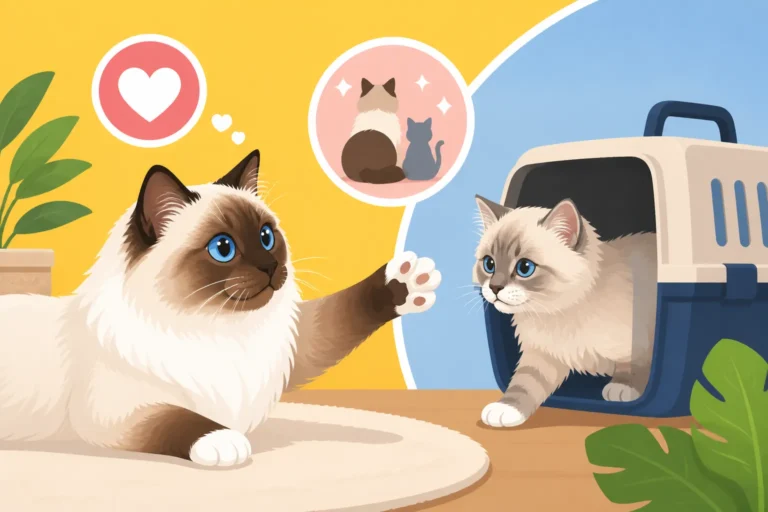
A huge part of a Birman kitten's gentle play style is molded during their crucial early weeks with their mother and littermates. A responsible breeder will ensure kittens remain with their family until they are at least 12 to 13 weeks old. During this time, the queen teaches them bite inhibition – how much pressure is too much – and their siblings provide constant feedback on appropriate play. If a kitten bites too hard, the bitten sibling will often yelp or stop playing, teaching a valuable lesson. This early training is vital. What a Birman Kitten Should Learn by Twelve Weeks includes these crucial social skills. Kittens who are removed from their litter too early can miss out on these essential lessons and may develop a rougher, less inhibited play style, regardless of their breed.
When you bring your Birman kitten home, you'll likely see the fruits of this early socialization. They’ll understand boundaries better and be less prone to truly aggressive behaviors. You might find them observing a new toy before diving in, or preferring a gentle batting game over an all-out wrestling match. It's a testament to both their breeding and their upbringing.
What "Rough Play" Means for a Birman Kitten
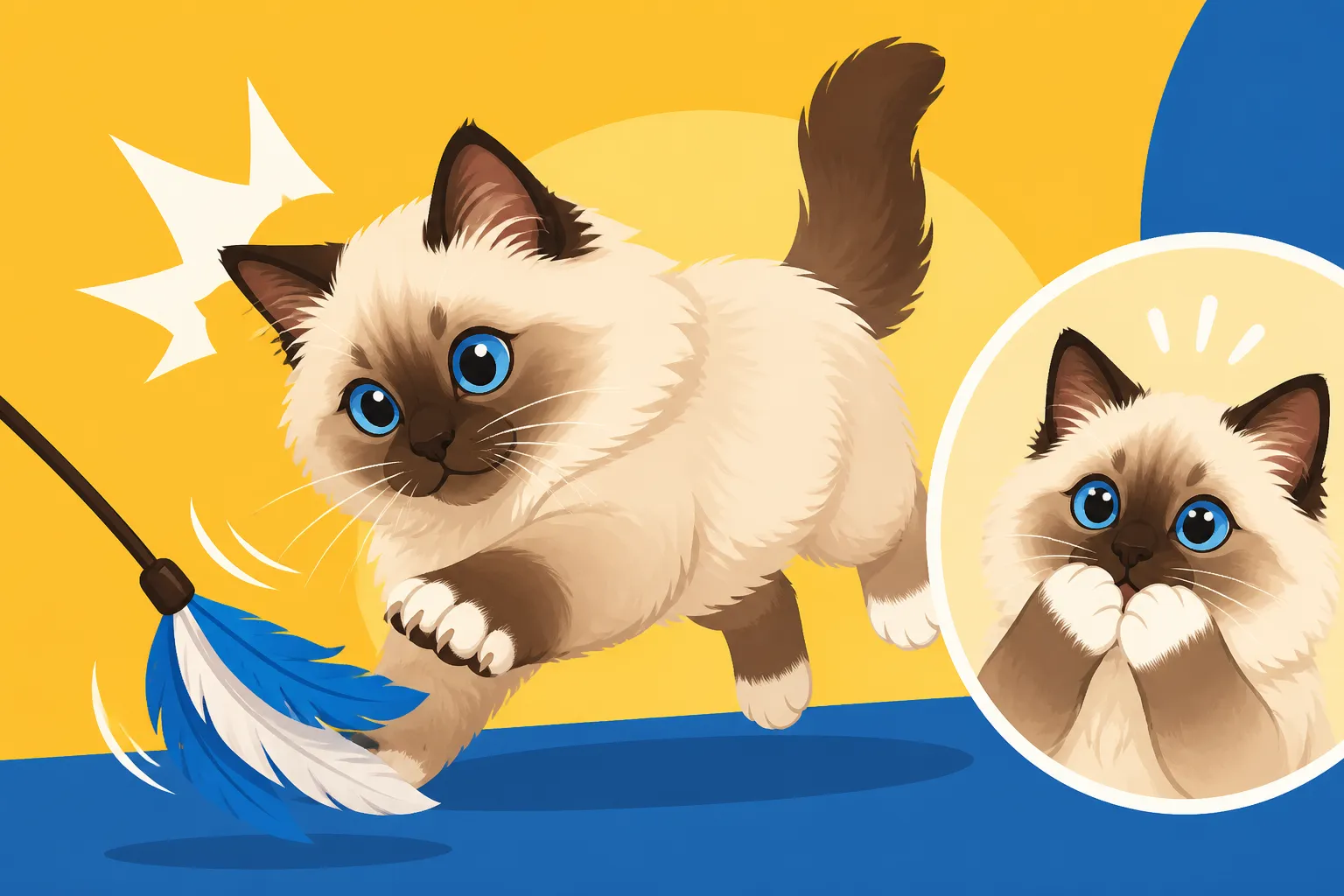
For a Birman kitten, "rough play" is often a far cry from the tooth-and-claw battles you might associate with some other breeds. Picture a tiny, fluffy ninja, rather than a wild lion cub. They'll pounce, certainly, but their landings are usually more controlled, their little "attack" more like a delicate tap than a full-body tackle. They enjoy chasing toys on a string, batting at crinkle balls, or playfully ambushing a dangling feather.
Instead of tearing a toy to shreds with fierce determination, a Birman kitten is more likely to carry it around proudly, or engage in a gentle "kill bite" that's more about mock-hunting than actual destruction. You’ll often notice that their playful nips are soft and their claws are often sheathed or only minimally extended, rarely drawing blood. This gentleness is a hallmark of the breed, a delightful contrast to the high-octane energy bursts seen in some other breeds.
Common Kitten Behaviors and How Birmans Adapt Them
All kittens share fundamental play behaviors rooted in their predatory instincts. They practice hunting, stalking, pouncing, and wrestling. However, the Birman cat has a unique way of expressing these natural urges, infusing them with their characteristic calm and grace.
Biting and Mouthing
When it comes to biting and mouthing, Birman kittens tend to be quite different from their more rambunctious counterparts. While all kittens will use their mouths during play – it's how they explore their world and practice hunting – a Birman kitten typically exhibits a very soft bite. They might gently "mouth" your fingers or toes during a play session, holding them softly without applying much pressure. It's usually more of an exploratory gesture or a mimicry of a "kill bite" on a toy, rather than an attempt to actually hurt you.
This behavior is a direct result of that crucial early lesson in bite inhibition. They've learned from their siblings and mother how hard is too hard. If a Birman kitten does apply too much pressure, a simple, firm "no" or withdrawing your hand, immediately stopping play, is usually enough to teach them the boundary. They are intelligent and eager to please, making them quick learners. As we discuss in How a Birman Kitten Bites Less Than Most, serious biting is quite rare for this breed.
Pouncing and Stalking
The classic kitten pounce is a sight to behold, but a Birman's version is often a little less… dramatic. They still love to stalk and pounce! You might see your little Birman crouched low, tail twitching, eyes fixed on a toy mouse or a feather wand. They'll creep forward with intense focus, embodying the hunter. But when the pounce finally comes, it's typically lighter, more agile, and less forceful than you might expect.
They might bat at the toy, roll around with it, or "capture" it gently between their paws. It’s an efficient, graceful movement rather than a clumsy, full-body tackle. This makes them ideal playmates for households where delicate items might be within reach, or for owners who prefer a less chaotic play style. Their stalking behavior is more about the thrill of the chase and the satisfaction of the "capture" rather than an aggressive takedown.
Claw Use During Play
One of the most appreciated aspects of Birman kitten play is their tendency to keep their claws mostly sheathed. While accidents can happen, and a sharp nail might occasionally emerge, it's not the default. They learn very early on to keep their claws retracted during play with their littermates. This is incredibly valuable for owners, as it means fewer scratches on skin, furniture, and clothing.
When they bat at toys or engage in a wrestling match with a sibling or a soft toy, their paws are often used with a soft "mitten" effect. They understand that claws are for climbing or for actual hunting, not for everyday play with their family members. This gentle use of paws is a key differentiator for the breed and a major reason why Birmans are often recommended for families with children. Why a Birman Plays With Its Claws In delves deeper into this fascinating behavioral trait.
| Play Behavior | Typical Kitten Play | Birman Kitten Play |
|---|---|---|
| Biting/Mouthing | Can be sharp, hard, may break skin; less inhibition. | Gentle mouthing, soft nips; rarely breaks skin. |
| Pouncing | Energetic, often forceful; full-body tackles. | Agile, lighter landings; more controlled "capture." |
| Claw Use | Claws often extended, can scratch. | Claws mostly sheathed; soft "mitten" paws. |
| Wrestling | Intense, vigorous, can involve loud yelps. | Softer, more gentle; focused on mock-hunting. |
| Energy Level | High bursts, frantic at times. | Moderate, sustained; more observant. |
| Toy Interaction | Tends to tear/destroy toys quickly. | More likely to carry, bat, or "capture" toys. |
Managing and Encouraging Appropriate Play
Even with a naturally gentle Birman kitten, consistent reinforcement of good play habits is important. You want to nurture their innate calm and ensure they understand what's acceptable in your home.
Redirecting Undesirable Play
If, by chance, your Birman kitten does get a little too enthusiastic and forgets their manners – perhaps a nip is a bit too hard, or they try to climb your leg with claws out – immediate redirection is key. The moment they cross a line, calmly but firmly say "no" or "ouch!" and immediately withdraw your attention. Stop playing, stand up, or even leave the room for a minute. Cats learn quickly that undesirable behavior leads to the end of fun.
Then, redirect their energy to an appropriate toy. A wand toy is excellent for this because it keeps your hands away from their teeth and claws while still allowing them to practice their hunting skills. You can easily find a wide variety of engaging wand toys on Amazon, perfect for keeping a Birman kitten entertained. This teaches them that toys are for rough play, not human body parts.
Choosing the Right Toys for a Gentle Birman
Birmans appreciate toys that allow them to express their natural hunting instincts in a non-aggressive way. Think about toys that mimic prey movement, encourage stalking, or allow for gentle batting. Which Toys Suit a Birman That Plays Quietly highlights many great options.
- Wand Toys: These are fantastic! They allow you to control the movement, encouraging your Birman to chase, pounce, and leap without ever getting too close to your hands. Look for wands with feathers, ribbons, or small soft animals on the end.
- Crinkle Balls & Soft Toys: Lightweight toys that make a satisfying crinkle sound or are soft enough to be carried are often a hit. Birmans enjoy batting these around and then carrying them to you as a "prize."
- Puzzle Feeders: While not strictly "rough play," these can engage a Birman's mind and satisfy their predatory drive by working for their food. This mental stimulation can also reduce boredom that sometimes leads to unwanted behaviors. Amazon offers many beginner-friendly puzzle feeders.
- Kick Toys: A larger, elongated toy that your kitten can "bunny kick" with their back legs. This is a safe way for them to express their wrestling instincts without involving your hands or feet.
Avoid using your hands or feet as toys, even if your Birman kitten is being gentle. This can inadvertently teach them that human body parts are fair game for play, which can lead to problems as they grow older and stronger.
The Importance of Human Interaction
Birmans thrive on human companionship, and gentle, interactive play is a wonderful way to bond with your kitten and reinforce appropriate behavior. Spend time each day playing with them using wand toys, laser pointers (but always end with a tangible toy to "catch"), or simply by rolling a ball for them to chase.
When they play gently, offer verbal praise and positive reinforcement. "Good kitty!" or a soft stroke can go a long way. Engage in slow, deliberate movements with toys, allowing them to stalk and pounce successfully. This builds their confidence and encourages their natural, graceful play style. How a Birman Plays Gently further explains why their demeanor makes them such a joy to play with.
When to Be Concerned About Play Aggression
While Birmans are known for their calm nature, every cat is an individual. Sometimes, even a Birman kitten might display behavior that seems unusually rough. It's important to differentiate between enthusiastic play and genuine aggression.
Identifying True Aggression vs. Enthusiastic Play
True aggression in a kitten, even a Birman, is usually accompanied by a host of other signals. Look for:
- Growling or Hissing: These are clear vocal warnings.
- Flattened or Pinned Ears: Ears pressed flat against the head.
- Dilated Pupils: Eyes wide with fear or aggression.
- Piloerection: Hair standing up along their spine or tail, making them look bigger.
- Rigid Body Language: A stiff posture, not the fluid movements of play.
- Consistent, Hard Bites: Bites that consistently break skin or cause pain, even when you try to disengage.
If your Birman kitten exhibits these signs regularly during play, it's more than just being "rough" – it might indicate an underlying issue.
Factors That Might Lead to Rougher Play
Several factors can contribute to a Birman kitten displaying rougher-than-typical play:
- Lack of Early Socialization: As mentioned, kittens separated from their mothers and littermates too early miss out on vital lessons in bite inhibition and appropriate social interaction.
- Being an "Only" Kitten: A kitten that grows up without siblings to play and wrestle with might not learn how to moderate its play intensity. They might direct all their play energy, including rougher components, towards their human companions. Why a Birman Does Badly as an Only Cat explains the importance of companionship for this breed.
- Boredom or Lack of Stimulation: A Birman kitten with pent-up energy and no appropriate outlets can resort to rougher play to release it. Ensure they have plenty of toys and interactive playtime. If they are left alone for long stretches, consider whether they stop eating from loneliness or stress. How Many Hours Alone Before a Birman Stops Eating.
- Stress or Fear: Sometimes, rough play can be a displacement behavior for a stressed or fearful kitten. Changes in environment, new pets, or loud noises can contribute. How to Tell a Quiet Birman From an Unwell One can help you recognize subtle signs of distress.
Seeking Professional Guidance
If you've tried redirection and providing appropriate toys, but your Birman kitten continues to display truly aggressive play behaviors, or if you're seeing those signs of true aggression (hissing, growling, rigid body language), it's time to seek professional help. Your veterinarian can rule out any underlying medical conditions that might be causing discomfort or irritability. If health issues are cleared, they might recommend a certified feline behaviorist. These experts can assess your kitten's specific situation and help you implement a tailored plan to modify their behavior, ensuring your Birman grows into the gentle, loving companion they are meant to be.
Remember, the Birman is a breed cherished for its sweet disposition, and their play style is generally a reflection of that. With understanding, patience, and consistent guidance, your Birman kitten will surely bring you years of joyful, gentle companionship. You can find many resources and products like durable toys and enrichment items on Amazon to support their healthy development and play habits.
Disclaimer
This article is for general informational purposes only and does not constitute professional advice. Laws, prices and regulations vary by location and change over time. Consult a qualified professional for guidance on your specific situation.