Why a Birman Does Badly as an Only Cat
It’s a heartbreaking scenario many cat lovers face: you've brought home a beautiful Birman, full of quiet charm and gentle purrs, only to find that over time, a subtle shift occurs. That once-content companion starts to seem a little withdrawn, a bit less engaged, or perhaps even develops some anxious habits. The truth is, while we often admire cats for their independent spirit, the Birman is a breed that truly struggles when left as the sole focus of a household, especially if left alone for extended periods. This guide will explore exactly why Birmans thrive on companionship and how you can ensure your beloved feline never feels the pangs of loneliness.
The Birman's Innate Need for Companionship
Many breeds are perfectly content to be the sole feline monarch of their castle, ruling their humans with a regal paw and enjoying long stretches of solitary contemplation. But the Birman? They're different. These are cats deeply wired for connection, for sharing space, and for having a constant, gentle presence. Their history and temperament both point to a cat that prefers company over solitude.
A Breed Bred for Connection
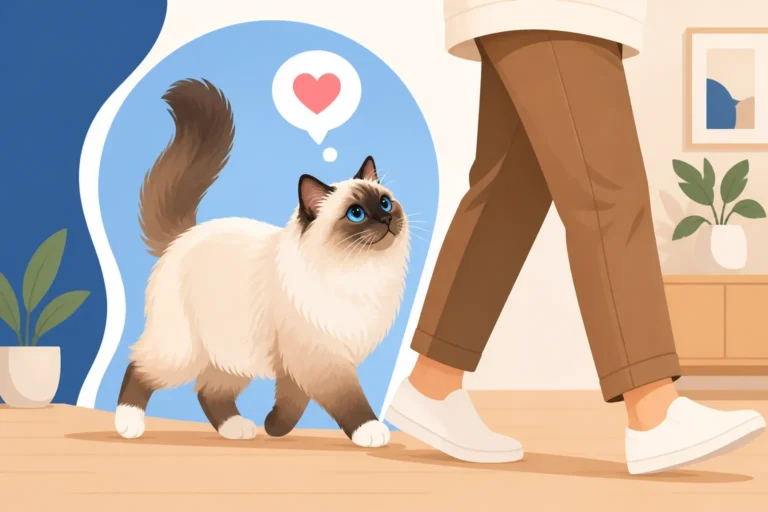
The Birman’s gentle, placid, and affectionate nature isn't just a happy coincidence; it's a fundamental part of their breed character, honed over generations. They are often described as being "between the Siamese and the Persian" in terms of their energy and vocalisation, meaning they're not as boisterous as a Siamese, nor as utterly sedentary as some Persians. This middle-ground temperament often means they enjoy observing and being part of family life rather than being the lone star. They have an almost dog-like devotion, often following their favorite humans from room to room, settling near them on the sofa, or even waiting outside the bathroom door. This isn't demanding behavior; it’s an expression of their deep desire to be an integrated part of the family unit. When that family unit is consistently absent, or if they are the only animal, that deep-seated need for connection goes unfulfilled.
Imagine a Birman watching you leave for work each day, and for them, it's not just a few hours; it's an eternity in cat time. They thrive on the gentle rhythm of a household, the background noise of life, and the reassuring presence of others. Why a Birman is the Cat Families Are Told to Get isn't just about their tolerance for children and dogs; it's about their inherent ability to integrate into a busy, loving environment. They genuinely love being part of a team, even if their contribution is simply offering a warm, purring body next to yours.
Not Your Independent Hunter
While all cats retain some ancestral hunting instincts, the Birman leans far more towards the "companion" end of the spectrum than the "fierce independent predator" end. They are not the kind of cat that will disappear into the garden for hours, content with their own hunting prowess and self-sufficiency. In fact, most Birmans are strictly indoor cats, and for good reason – their trusting nature and stunning looks make them vulnerable if allowed to roam. This means their entire world, their entire source of enrichment and interaction, is contained within your four walls.
Without another sentient being to interact with, whether human or animal, their world can shrink dramatically. They might spend their days waiting, watching the door, rather than actively engaging with toys or exploring their environment. A truly independent cat can make its own fun, but a Birman often prefers shared experiences, even if those experiences are simply napping in the same room as you or a feline companion. This is why you'll often hear that Why a Birman Is Wrong for Someone Away Every Week; their emotional well-being is heavily reliant on consistent presence and interaction. They might not complain loudly, but their quiet demeanor can easily mask a deep sense of longing.
Recognizing the Signs of a Lonely Birman
One of the challenges with Birmans is their famously placid and undemanding temperament. They rarely vocalize their distress loudly or engage in destructive behaviors that scream "I'm unhappy!" This means that signs of loneliness can be incredibly subtle, often misinterpreted as simply being "a quiet cat." As a Birman owner, it's crucial to become attuned to these nuanced cues.
Subtle Behavioral Changes
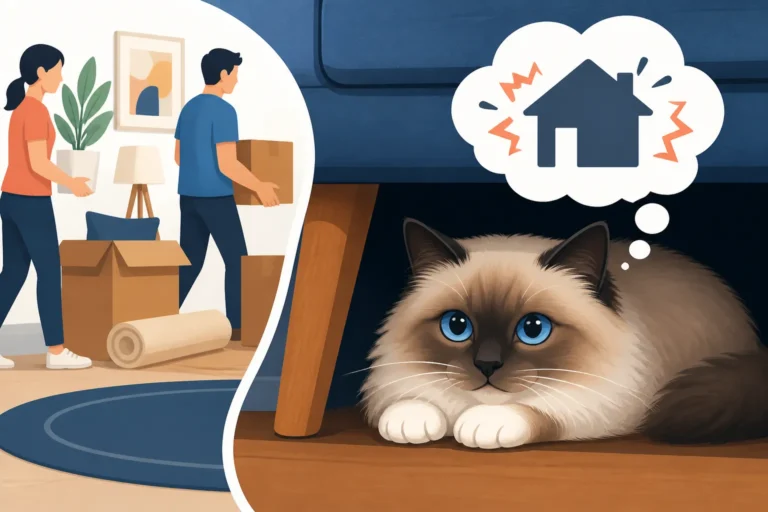
A Birman experiencing loneliness won't typically tear up your sofa or spray walls. Instead, their distress often manifests in more internal, quiet ways. You might notice they sleep more than usual, even for a cat, or that their play sessions become shorter and less enthusiastic. They might greet you with less fervor when you return home, or conversely, become overly attached, shadowing your every move to an extreme degree. This isn't just charming; it can be a desperate attempt to soak up every moment of interaction they can get.
Another sign can be a change in their eating habits. How Many Hours Alone Before a Birman Stops Eating can be an indicator of stress or loneliness. They might eat less, or even binge eat when you are present, as if trying to make up for lost time or using food as a comfort. They might stop playing with toys they once loved, or ignore puzzle feeders that previously engaged them. A cat who seems perpetually "bored" or lacks curiosity, particularly in a breed as intelligent and curious as the Birman, is often a lonely cat. What a Lonely Birman Does can vary, but it almost always involves a reduction in overall engagement with their environment.
Physical Manifestations of Stress
Loneliness isn't just an emotional state; it can have tangible physical impacts on your Birman. One of the most common signs of stress and anxiety in cats, including Birmans, is overgrooming. This is where they excessively lick, chew, or pull out their fur, often focusing on their belly, inner thighs, or flanks. You might start to see thinning patches or even bald spots where they’ve compulsively groomed themselves. This behavior is a coping mechanism, a way to self-soothe when they're feeling anxious or undersocialized. What Overgrooming Means in a Birman is rarely about cleanliness and almost always about emotional distress.
Another subtle but important indicator can be changes in their coat condition. Stress can sometimes lead to a duller coat, or if they are overgrooming, sections might look ragged. Their beautiful, silky fur might lose some of its luster. While Birmans are generally clean cats, an increase in urinary tract issues or inappropriate urination outside the litter box can also be linked to stress from loneliness, especially if other medical causes have been ruled out. These are serious signs that your Birman's emotional well-being is suffering and needs urgent attention.
The Benefits of a Companion for Your Birman
If you've recognized some of these subtle signs in your Birman, don't despair! The good news is that Birmans are incredibly adaptable and often blossom when provided with the right companionship. Introducing another animal, particularly another cat, can transform a lonely Birman into a thriving, happy member of the family.
Two Birmans Are Better Than One
There's a reason why many ethical Birman breeders will actually encourage you to consider adopting two kittens from the same litter, or at least two kittens close in age: Why Birman Breeders Often Sell Two Kittens Together. These cats genuinely do better with a companion. Another Birman, or a cat with a similar gentle disposition, provides constant social interaction, mutual grooming, and play. They'll chase each other through the house, curl up together for naps, and simply provide that reassuring presence that another human, no matter how loving, cannot always give.
Having a companion reduces boredom, offers a continuous source of gentle play, and helps to alleviate separation anxiety when you're away. Instead of waiting anxiously by the door, your Birman will have a buddy to share their day with. This leads to a more balanced, confident, and happier cat. When considering a companion, Whether a Birman Prefers Another Longhair is less about the fur length and more about temperament. A calm, gentle breed like another Birman, a Ragdoll, or even a very placid domestic longhair can be a perfect fit. They will often match the Birman's "middle-of-the-road pace," ensuring both cats feel comfortable and engaged without one overwhelming the other.
Other Species as Companions
While another cat is often the ideal choice for a Birman, they are also famously tolerant and can do very well with other species, particularly calm dogs. It’s not uncommon to see a Birman curled up next to a Labrador or Golden Retriever. Why a Birman Settles Next to a Dog Within a Week speaks volumes about their adaptable and friendly nature. If you already have a gentle, cat-friendly dog, your Birman might find a wonderful companion in them. The key is to ensure the dog is calm, respectful of feline space, and doesn't have an overly high prey drive. Proper introductions are always necessary, but a Birman's laid-back attitude often makes the process smoother than with other breeds.
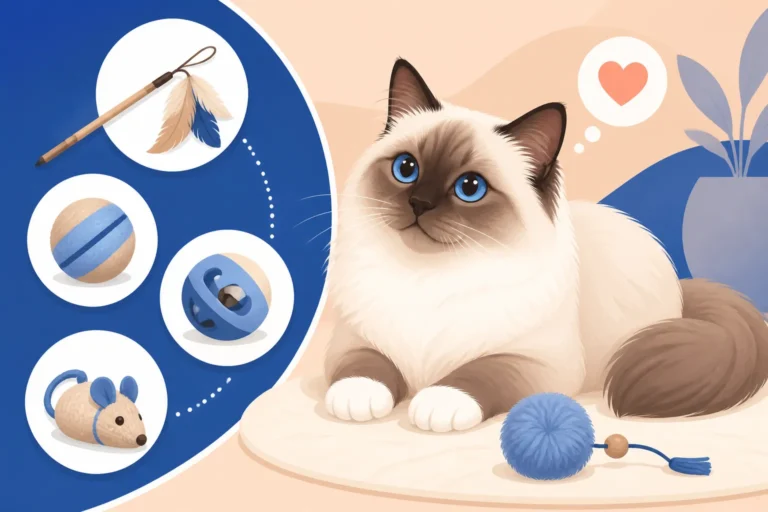
Even smaller pets, securely housed, can offer a degree of ambient companionship, though they won't replace the direct interaction a cat or dog provides. The overall goal is to break the cycle of solitude. Even with a companion, ensure your Birman has plenty of enrichment. Things like a sturdy cat tree (you can find many options on Amazon), interactive toys, and plenty of cozy sleeping spots are still essential for a rich indoor life. Remember, the goal is not just any company, but good company that contributes positively to their well-being.
Making the Transition to a Multi-Cat Household
Deciding to bring another cat into your home to alleviate your Birman's loneliness is a wonderful step, but it's important to approach the transition thoughtfully. A hasty introduction can create more stress, so patience and careful planning are key.
Careful Introductions are Key
Bringing home a new cat isn't about simply opening the carrier and letting them figure it out. Proper, gradual introductions are paramount to ensure a harmonious household. Start by giving the new cat their own "safe room" with food, water, litter, and a comfortable bed. This allows them to decompress and get used to the new smells and sounds without being overwhelmed. For the first few days, focus on scent swapping – exchange blankets or toys between your Birman and the new cat so they can get acquainted with each other's scent safely. You can also feed them on opposite sides of a closed door, creating a positive association with the other cat's presence.
Once they seem comfortable with each other's scent, you can move to supervised visual introductions through a baby gate or screen door. Keep these sessions short and positive, ending before any tension arises. Reward both cats with treats and praise for calm behavior. Slowly increase the duration of these meetings, always supervising closely. Bringing a Second Cat Home to a Birman That Wants One is a process, not an event, and it requires understanding feline body language and respect for each cat's individual pace. If you notice any signs of stress, such as hissing, growling, or flattened ears, simply separate them gently and try again later. Utilizing a pheromone diffuser (available on Amazon) can also help create a calmer environment during this sensitive period.
Ensuring Enough Resources for All
In a multi-cat household, resource guarding can become an issue if cats feel there isn't enough to go around. To prevent this, ensure you have more resources than cats. This means at least one litter box per cat, plus one extra, ideally in different locations around the house. For food and water, have multiple bowls, again in separate areas, to prevent one cat from dominating. Elevated food and water bowls, also easily found on Amazon, can be helpful if one cat prefers to eat up high, or if there's a size difference.
Providing vertical space is also incredibly important. Cat trees, shelves, or even just cozy spots on top of furniture allow cats to survey their territory and retreat if they feel overwhelmed. Each cat should have their own designated resting spots, where they can feel safe and undisturbed. While Birmans are generally placid and share well, ensuring ample resources reduces competition and helps foster a positive relationship between them. A long, rectangular cat bed, which you can browse on Amazon, that fits a Birman's body length is also a great idea for each cat.
| Behavior Trait | Lonely Birman | Content Birman |
|---|---|---|
| Activity Level | Sleeps excessively, lethargic, low play drive | Engages in play, explores, moderate naps |
| Vocalization | Quieter than usual, or anxious, repetitive meows | Gentle trills, soft purrs, quiet "chats" |
| Appetite | Reduced interest in food, or stress-eating | Consistent eating habits, eats measured meals |
| Grooming | Overgrooming, bald patches, dull coat | Healthy, silky coat, normal grooming |
| Interaction | Overly clingy, or withdrawn and distant | Seeks gentle affection, comfortable in proximity |
| Response to Owner | Anxious greeting, or indifferent | Calm, happy greeting, relaxed presence |
| Engagement | Ignores toys, lacks curiosity | Plays with toys, watches birds, explores |
| Body Language | Hiding, hunched posture, restless | Relaxed, open posture, stretches out comfortably |
In conclusion, while the idea of a single, cherished Birman might sound appealing, these deeply social cats truly thrive with companionship. Whether it's another Birman, a compatible cat, or even a calm dog, providing a friend can make all the difference to their emotional and physical well-being. Observing their subtle cues and proactively enriching their lives with company ensures your sacred Birman can live its fullest, happiest life.
Disclaimer
This article is for general informational purposes only and does not constitute professional advice. Laws, prices and regulations vary by location and change over time. Consult a qualified professional for guidance on your specific situation.