What Overgrooming Means in a Birman
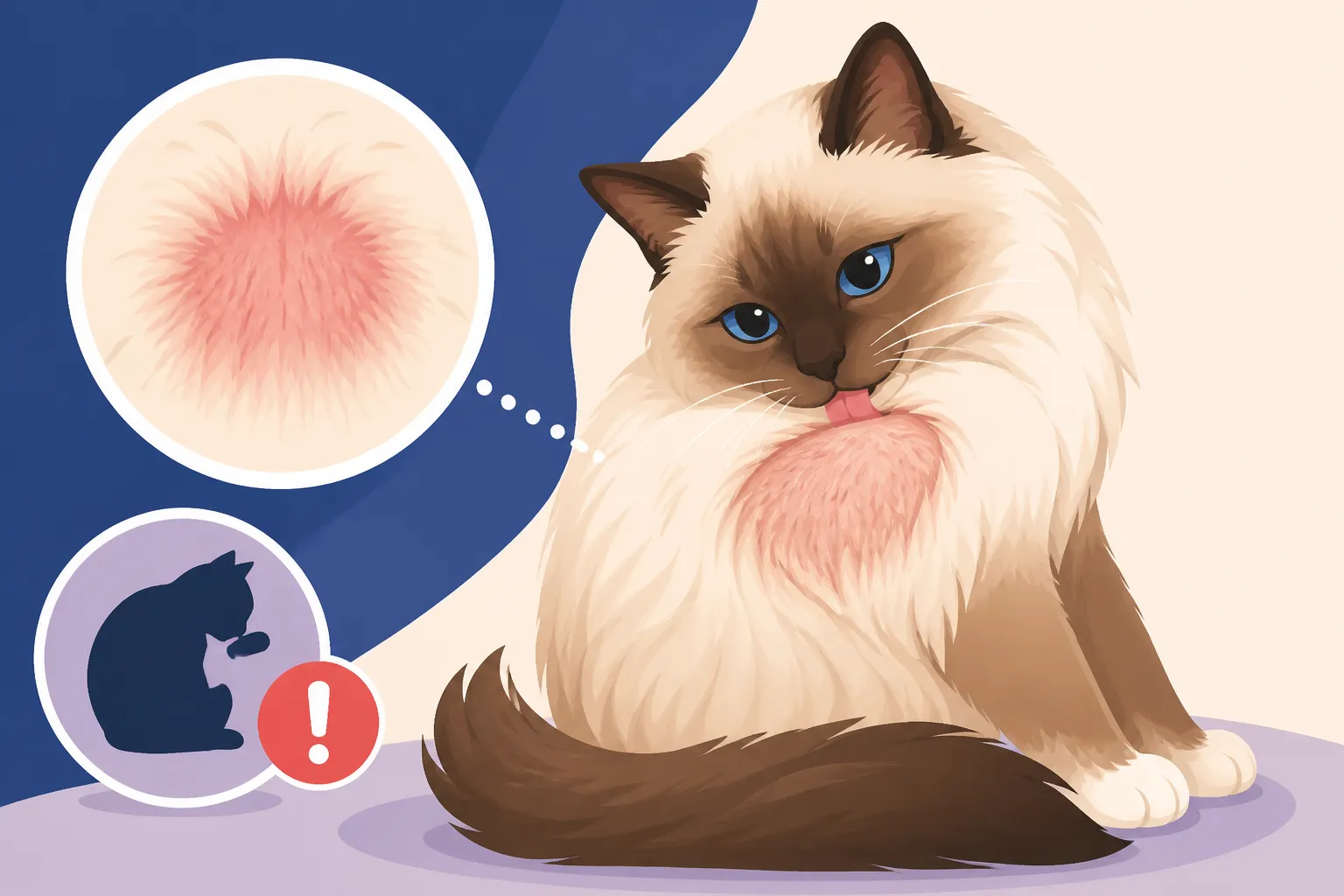
It can be truly heartbreaking to watch your beautiful Birman obsessively lick, chew, or pull at their fur, often leaving bald patches or irritated skin in their wake. What starts as a subtle nibble can quickly escalate into a constant, frantic grooming session that impacts their comfort and your peace of mind. This comprehensive guide will help you understand what overgrooming truly means in a Birman, explore the common reasons behind it, and equip you with actionable steps to help your beloved feline friend find relief.
The Subtle Signs of Overgrooming in a Birman
Birmans are known for their fastidious nature and gorgeous, silky coats, which they keep immaculately clean with regular grooming. This means it can be tricky for us, their devoted humans, to tell the difference between normal self-care and a problematic, compulsive habit. Often, the signs are much more subtle than a cat ripping out huge tufts of fur. Instead, you might notice a constant licking sound or find small changes in their coat texture before things get serious.
How Overgrooming Appears on a Birman's Silky Coat
A Birman's coat is distinctively silky and lacks an undercoat, which means it tends to mat far less than a Persian's or a Ragdoll's. This unique texture can, paradoxically, make the effects of overgrooming look a little different. Instead of dense mats forming from pulled fur, you might first see thinning patches where the fur appears sparser, almost like a barber has buzzed it too short. The individual hairs might look broken or frayed, especially around the areas your Birman can easily reach.
You might also notice a change in the color or sheen of the fur in affected areas. Excessive saliva can stain the fur, particularly on white gloves or lighter points, turning it a reddish-brown hue. The natural luminosity of their coat can also diminish, leaving it looking dull or greasy in spots from constant licking. It's not always baldness that signals a problem; sometimes, it's just that the fur doesn't quite look right anymore. Pay close attention to their belly, inner thighs, and the insides of their front legs – these are common areas for cats to overgroom discreetly.
Distinguishing Normal Grooming from Compulsive Behavior
Every Birman grooms, and they do it often. Normal grooming is a fluid, purposeful activity, usually interspersed with other behaviors like napping, playing, or observing their surroundings. They’ll clean themselves after eating, stretch, and then maybe have a quick tidy-up. Compulsive overgrooming, however, is repetitive, lacks a clear purpose, and often seems difficult for the cat to stop once it starts. It often appears frantic, almost anxious.
Think about the context: is your Birman suddenly grooming intensely when nothing has changed in their environment? Are they waking up from a nap just to start licking for an extended period? Is the grooming interfering with their eating, playing, or social interaction with you or other pets? If your Birman is spending an inordinate amount of time on a specific spot, especially if it's accompanied by skin irritation, scabs, or hair loss, it's likely gone beyond normal self-maintenance. A truly telling sign can be when you try to distract them, and they immediately return to the spot to lick again.
Why Birmans Overgroom: Unpacking the Root Causes
Understanding why your Birman might be overgrooming is the first critical step toward finding a solution. It's rarely "just a habit" and almost always stems from an underlying issue, whether it's medical discomfort or emotional distress. Because Birmans are generally so placid and undemanding, they tend to hide illness incredibly well, making it easy to misinterpret signs of discomfort. Why a Quiet Birman Is Easy to Misread
Medical Reasons for Overgrooming in Birmans
Medical problems are, by far, the most common culprits behind overgrooming. Your Birman might be trying to soothe an itch, alleviate pain, or cope with internal discomfort. Allergies are high on the list, whether environmental (pollen, dust mites), food-related, or due to fleas. Even if you don't see fleas, a single bite can trigger an intense, generalized itch in a sensitive cat, leading to widespread overgrooming. Skin infections, often secondary to an initial irritation, can also cause intense itching.
Beyond external irritants, pain from conditions like arthritis, dental disease, or even internal organ discomfort can prompt overgrooming. A Birman might repeatedly lick a painful joint or their belly if they're experiencing gastrointestinal upset. Urinary tract issues, for example, can lead to excessive licking of the genital area. Even less obvious conditions like hyperthyroidism can cause generalized itchiness and changes in coat quality, prompting constant grooming. It's why a vet visit is always the starting point when you notice overgrooming – we need to rule out anything physical first. Why a Birman That Hides Under the Bed Needs a Vet
Environmental and Psychological Stress Triggers
Once medical causes are ruled out, stress and anxiety become primary suspects. Birmans are famously gentle and affectionate, thriving on routine and companionship. They are also highly sensitive creatures, which means that even subtle changes in their environment can throw them off balance and lead to stress-related behaviors like overgrooming. A new pet, a change in your work schedule, a house move, or even new furniture can all be potential triggers. Why a Birman Dislikes a New Piece of Furniture
Loneliness is another significant factor. Birmans genuinely appreciate company, and a Birman left alone for extended periods, especially if you work long hours, might develop overgrooming as a coping mechanism. It's a self-soothing behavior, much like a child sucking their thumb. Loud noises, conflict within the household (human or animal), or a perceived lack of resources (like enough litter boxes or quiet resting spots) can also contribute to their anxiety. Remember, a Birman might follow you without demanding anything, but that doesn't mean they don't crave your presence. What a Lonely Birman Does
Dietary Factors and Their Role
While often linked to allergies, diet can play a broader role in skin and coat health, and consequently, overgrooming. A diet lacking essential fatty acids (Omegas 3 and 6) can lead to dry, flaky skin, which can become itchy and prompt excessive grooming. Some cats can develop sensitivities to certain ingredients, even if it's not a full-blown allergy, manifesting as skin irritation or dull fur.
It's not just about what they eat, but also about how they eat. For instance, if your Birman is gulping down kibble too quickly, it could lead to digestive upset that causes abdominal discomfort, which they might try to soothe by licking their belly. Ensuring adequate hydration is also key for overall skin health; if your Birman isn't drinking enough water, their skin can become dry. A fountain or multiple water bowls can encourage better intake.
How to Identify and Address Overgrooming in Your Birman
Addressing overgrooming requires a detective's eye and a patient heart. Since the causes are so varied, a multi-pronged approach is often the most effective. Your first stop should always be your veterinarian to rule out any underlying health conditions.
The Importance of a Thorough Veterinary Examination
When you notice your Birman overgrooming, call your vet right away. Be prepared to provide a detailed history: when did it start? What areas are affected? Have there been any changes at home? The vet will conduct a thorough physical exam, looking for skin lesions, parasites, signs of pain, or lumps. They might take skin scrapes, fungal cultures, or perform blood tests to check for allergies, internal organ issues, or hormonal imbalances. Which Blood Values a Birman's Kidney History Makes Important
| Symptom | Potential Medical Cause | Possible Behavioral Cause | What to Look For |
|---|---|---|---|
| Bald Patches/Thinning Fur | Allergies (fleas, food, environmental), Fungal infection, Mites, Pain (e.g., arthritis) | Stress, Anxiety, Boredom, Obsessive behavior | Localized or widespread fur loss, skin irritation |
| Red, Inflamed Skin | Allergies, Infections, Parasite bites | Stress-induced licking, leading to trauma | Redness, scabs, pimple-like bumps, hot spots |
| Excessive Licking Sounds | Itchiness (allergies, parasites), Pain | Stress, Seeking attention, Self-soothing | Constant, rhythmic licking, often for long periods |
| Paw Chewing/Licking | Allergies, Nailbed infection, Pain, Ingrown claw | Stress, Anxiety, Feline hyperesthesia | Swollen paws, raw skin between toes, limping |
| Localized Licking of a Joint | Arthritis, Injury, Muscle strain | – | Stiffness, reluctance to jump, favoring a limb |
If medical issues are found, the vet will prescribe appropriate treatment, whether it's antiparasitics, antibiotics, antifungals, pain medication, or a hypoallergenic diet. It's crucial to follow their instructions completely, as resolving the physical discomfort is often the quickest way to stop the overgrooming cycle.
Environmental Enrichment and Stress Reduction Techniques
Once medical issues are addressed or ruled out, focusing on your Birman's environment and emotional well-being becomes paramount. Birmans crave predictability and gentle interaction. Consider what might be causing stress. Is your schedule erratic? Are there new loud noises? Do they have enough secure, quiet places to retreat to?
Creating a predictable routine for feeding, play, and cuddle times can be immensely reassuring. Provide plenty of vertical space, even though Birmans prefer mid-height to the ceiling, they still appreciate perches where they can observe their domain safely. Where a Birman Prefers to Perch Engage them with gentle, interactive play daily using wand toys or puzzle feeders from Amazon. These can redirect their energy and provide mental stimulation, reducing boredom and anxiety. Many Birman owners find that Feliway or other pheromone diffusers, also widely available on Amazon, can help create a calmer atmosphere. What Calms a Stressed Birman
If your Birman is an only cat and you're away for long periods, consider if they might benefit from a companion. Birmans often do better with company. Why a Birman Does Better With Company
Grooming and Dietary Adjustments
While overgrooming is often a symptom, sometimes the solution involves a bit of careful grooming. For areas that are already irritated or matted from excessive licking, a gentle trim by a vet or professional groomer (who understands delicate cat skin) might be necessary to allow the skin to heal. For general coat care, regular, gentle combing helps remove loose hair and prevents any mats from forming, which could otherwise be a source of irritation. Combing a Birman Three Times a Week Use a comb designed for fine, silky hair, avoiding harsh slicker brushes that can damage their delicate guard hairs.
Regarding diet, if food allergies or sensitivities are suspected, your vet might recommend a limited ingredient diet or a hydrolyzed protein diet trial. This involves feeding a novel protein source or a protein that's been broken down so the immune system doesn't react to it. Stick to the prescribed diet strictly during the trial period – no treats or table scraps! For general well-being, ensure your Birman has constant access to fresh water and consider incorporating more wet food into their diet to boost hydration, especially important given their PKD history. High-quality food with good Omega fatty acids will also support healthy skin and a beautiful coat.
Living with a Birman Prone to Overgrooming
Overgrooming can be a persistent issue, and finding a lasting solution for your Birman might take time and patience. It's about ongoing management and creating an environment where they feel safe, secure, and loved.
Long-Term Management and Prevention Strategies
For Birmans prone to stress-induced overgrooming, consistent environmental enrichment is key. Continue with daily interactive play sessions; even short bursts throughout the day can make a big difference. Rotate toys to keep things interesting. Puzzle feeders are excellent for engaging their minds and slowing down meal times. Consider a pet camera (there are many great options on Amazon) to monitor their behavior while you're away. You might be surprised by What a Camera Shows a Birman Doing While You Are Out.
Regular vet check-ups are non-negotiable, especially to monitor for any recurrence of medical issues or to catch new ones early. If your Birman is on medication for allergies or anxiety, ensure you administer it consistently as prescribed. Proactive flea prevention, even for indoor-only Birmans, is vital. Remember, one flea can cause a huge reaction. Maintaining a calm and predictable home environment, with consistent routines, goes a long way in preventing stress in these sensitive cats.
When to Seek Specialist Behavioral Advice
Sometimes, despite your best efforts and your vet's input, the overgrooming persists. This is when consulting a board-certified veterinary behaviorist can be invaluable. These specialists have advanced training in animal behavior and can help diagnose complex behavioral conditions, such as feline compulsive disorder, which may require specific behavioral modification techniques or even medication.
They will conduct a thorough assessment, often including home visits or video analysis, to understand the nuances of your Birman's behavior and environment. They can work with you to develop a tailored plan that addresses the specific triggers and underlying emotional states contributing to the overgrooming. This isn't a sign of failure; it's a commitment to providing your Birman with the highest level of care when you've exhausted other options.
Maintaining a Peaceful Home for a Sensitive Birman
Ultimately, supporting a Birman prone to overgrooming is about creating a sanctuary where they feel completely at ease. This means more than just providing food and shelter; it's about nurturing their emotional well-being. Recognize that their quiet nature can often mask deep feelings. Why a Birman Hides Illness Behind a Placid Temperament
Ensure they have safe, comfortable sleeping spots, especially in elevated positions or hidden nooks. Minimize sudden changes and loud noises. If you have children or other pets, ensure everyone understands how to interact calmly and respectfully with your Birman. Teach children Teaching a Child to Support a Birman's Long Back and supervise interactions with dogs to ensure they are Which Dogs Are Calm Enough for a Birman. A Birman truly thrives in a home where peace and gentle companionship are the norm. Your patience, understanding, and consistent care are the best medicine for a Birman struggling with overgrooming.
Disclaimer
This article is for general informational purposes only and does not constitute professional advice. Laws, prices and regulations vary by location and change over time. Consult a qualified professional for guidance on your specific situation.