Combing a Birman Three Times a Week
Oh, the majestic Birman! With their flowing, silky coats and striking blue eyes, they truly are a sight to behold. If you’re a new Birman parent, or even just thinking about bringing one of these beauties home, you might be looking at that glorious fur and thinking, "How on earth am I going to keep that pristine?" It’s a common worry, and many assume that such a luxurious coat must be a nightmare to maintain. But here's the wonderful truth: Birmans are often far easier to groom than their appearance suggests, provided you know their unique coat type and approach. This comprehensive guide will unravel the mysteries of Birman grooming, turning what might seem like a chore into a cherished bonding experience.
Understanding the Birman's Unique Coat Texture
The first step to mastering Birman grooming is to understand what makes their coat so special. Unlike many other long-haired breeds, the Birman has a particular hair structure that significantly impacts its grooming needs. It’s not just long; it's different.
The Single Coat vs. Double Coat Dilemma
When you think of a long-haired cat, you often picture a thick, dense coat with a fluffy undercoat that sheds profusely and mats easily. Persians, for instance, are famous (or infamous!) for their double coats that require daily, intensive grooming. However, the Birman is a different story. They possess what's known as a "single coat," meaning they lack the dense, woolly undercoat that other long-haired breeds have. This is a game-changer!
Because there's no fuzzy layer underneath the guard hairs, the Birman's coat doesn't trap shed fur against the skin in the same way. This significantly reduces the likelihood of matting and makes shedding much more manageable. Imagine trying to untangle a knot of fine silk versus a knot of thick wool – the silk is far easier to work with, and that's essentially the Birman's advantage. This single coat is one of the primary reasons why No Undercoat Is What Makes a Birman Easy to Groom. You'll find that while they do shed, it's often a much lighter affair than you'd expect from a cat with such a magnificent mane.
Why a Birman's Fur Feels Like Silk, Not Wool
Run your fingers through a Birman's fur, and you'll immediately notice its distinctive texture: it's incredibly soft, fine, and almost like silk. This isn't just a pleasant sensory experience; it's a key characteristic that influences how you groom them. The individual hairs are very fine and tend to lie smoothly against the body, contributing to their low-maintenance nature. They don't have the coarse, wiry feel of some breeds, nor the dense, cottony texture of others.
This silky quality means that when a Birman moves, its coat flows rather than clumps. The hairs slide past each other, making them less prone to tangling into tight, felted mats. This is Why a Birman's Coat Runs Through Your Fingers so easily. It’s also why they generally require less frequent and less intense combing than a breed with a woolly, double-layered coat. While other longhairs might need daily sessions, a Birman often thrives on just a few good combings a week.
The Areas Most Prone to Tangling
While the Birman's coat is generally low-maintenance, there are still a few areas where tangles and small mats can sneak in. These are typically places where the fur is longest or experiences more friction.
- The Ruff: This glorious mane around their neck and chest is often the longest and densest part of their coat. It can get matted from eating, rubbing against furniture, or even just during enthusiastic grooming sessions. Pay special attention here.
- The Britches: The long fur on their hind legs, known as britches, can also tangle, especially if your Birman is particularly active or if litter gets caught in the fur.
- The Tail Plume: The Birman’s tail is a magnificent, bushy plume. While generally less prone to mats than the ruff or britches, it can still collect debris or develop tangles if not regularly combed.
- Under the Armpits/Behind the Ears: These are friction points where mats can develop unnoticed. Cats often don't enjoy having these sensitive areas touched, so you might need to be extra gentle and patient.
Understanding these hot spots means you can focus your efforts where they're most needed, ensuring your Birman stays comfortable and tangle-free. This targeted approach is part of Why a Birman Mats Far Less Than It Looks Like It Should for a long-haired cat.
The Essential Grooming Tools for Your Birman
Having the right tools makes all the difference. You wouldn't use a screwdriver to hammer a nail, and similarly, using the wrong brush on a Birman can actually damage their delicate coat or make grooming an unpleasant experience for both of you.
Choosing the Right Comb: Wide-toothed vs. Fine-toothed
For a Birman, a good quality metal comb is your best friend. But not just any comb! You’ll want one with both wide and fine teeth.
- Wide-toothed side: This is perfect for the initial pass-through, especially on the longer fur of the ruff and tail. It helps to gently tease out any superficial tangles without pulling, and it’s excellent for lifting shed hair from deeper in the coat. Start with this side.
- Fine-toothed side: Once you’ve gone over the coat with the wide teeth, the fine-toothed side can be used for a more thorough job, particularly on shorter areas or for catching any remaining loose hairs. It also helps to smooth and polish the coat, bringing out its natural shine.
Look for a comb with smooth, rounded teeth to avoid scratching your cat’s skin. You can find excellent metal combs at pet supply stores or online through retailers like Chewy. A good comb will glide through the coat, making grooming a pleasant massage rather than a tug-of-war.
Why a Slicker Brush is a No-Go for Birmans
Many long-haired cat owners reach for a slicker brush, assuming it’s the best tool for all fluffy breeds. However, for a Birman, a slicker brush is generally not recommended. Slicker brushes have fine, stiff wire bristles that are designed to penetrate thick undercoats and remove dead fur from dense, woolly coats.
The Birman, as we’ve discussed, doesn’t have that dense undercoat. Using a slicker brush on their silky single coat can actually damage the delicate guard hairs, causing breakage and frizz, and it can be quite scratchy and uncomfortable on their skin. It’s simply the wrong tool for the job. Instead of a slicker, stick to a high-quality metal comb. It will be much more effective and gentle for maintaining their unique coat. You're trying to keep that glorious silk smooth, not tear at it.
Beyond the Comb: Nail Clippers and Paw Wipes
While the comb is the star of the show for coat care, a complete grooming kit for your Birman should include a few other essentials:
- Nail Clippers: Regular nail trims are important for all cats, preventing ingrown claws and making play interactions safer. Start early with your Birman kitten to get them accustomed to it. Choose clippers designed for cats – the scissor-style ones are often easier to handle.
- Paw Wipes/Soft Cloth: Birmans have those iconic white 'gloves' on their paws, and keeping them pristine can be a bit of a challenge. Keep some pet-safe paw wipes or a damp, soft cloth handy for quick clean-ups, especially after litter box visits. This is key to Keeping a Birman's White Gloves White. A quick wipe can prevent staining and keep their elegant feet looking their best.
- Soft Bristle Brush (Optional): While not essential for detangling, a very soft bristle brush can be used for a final polish after combing, distributing natural oils and adding a lovely sheen to their coat. It can also be a nice, gentle massage tool that many Birmans enjoy.
Establishing a Regular Combing Routine
Consistency is key to keeping your Birman's coat in top condition. While they are easier to groom than many might expect, neglecting their coat for too long can still lead to tangles and mats, which are much harder and more stressful to remove.
The Ideal Frequency and Duration for Combing
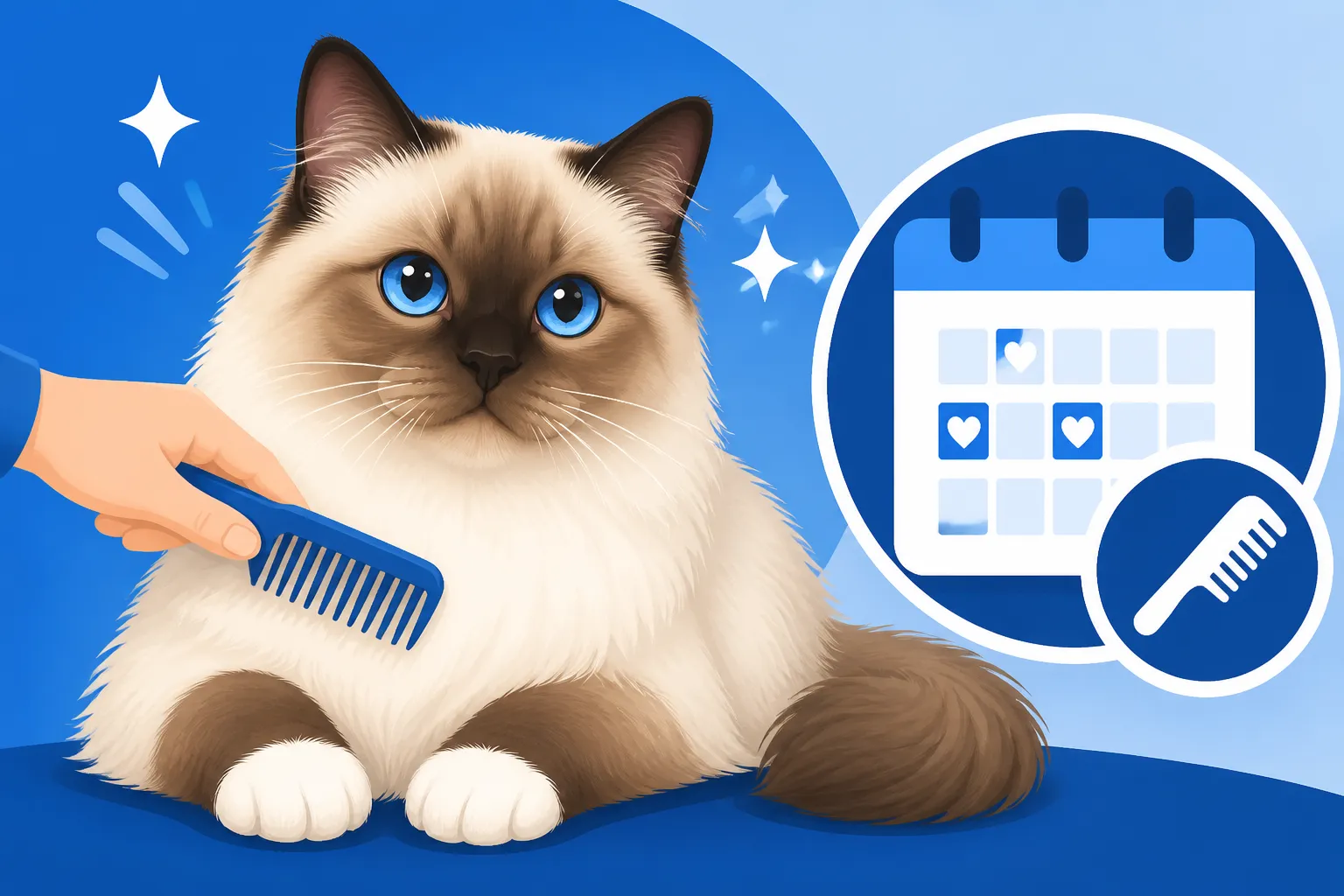
For most Birmans, combing three times a week is the sweet spot. This frequency is usually enough to prevent mats from forming, remove loose hair, and keep their coat looking its best without overdoing it. Each session doesn't need to be a marathon; aiming for 10-15 minutes of focused combing per session is often plenty.
During shedding season, you might find yourself needing to comb a bit more frequently, perhaps every other day, to keep up with the extra loose fur. Conversely, if your Birman is very inactive or has a shorter coat, you might get away with twice a week. The important thing is to observe your cat and their coat. If you start finding small tangles between sessions, it’s a sign you need to increase the frequency slightly. This routine contrasts sharply with breeds requiring daily sessions, illustrating Why a Birman Needs Three Combings Where a Persian Needs Seven.
Making Grooming a Positive Bonding Experience
Grooming shouldn't be a battle; it should be a calm, positive interaction that strengthens your bond with your Birman. Starting early, when they are kittens, is incredibly beneficial.
- Gentle Introductions: Begin with short sessions, just a few minutes at a time, using gentle strokes. Offer treats and praise generously during and after the session.
- Comfortable Environment: Choose a quiet time and a comfortable spot – perhaps on your lap while you watch TV, or on a soft blanket on a table. Some Birmans prefer to be groomed on a table, as it gives them a sense of stability and often makes it easier for you to reach all areas.
- Listen to Your Cat: Pay attention to your Birman’s body language. If they become agitated or try to leave, don't force it. End the session on a positive note before they become too stressed, and try again later. It’s better to have several short, pleasant sessions than one long, stressful one.
- Consistency: By making grooming a predictable and positive part of their routine, your Birman will come to associate it with comfort and affection. Many Birmans are quite placid and enjoy the attention, making them excellent grooming partners.
When to Adjust Your Routine
Life happens, and sometimes you need to tweak the routine.
- Shedding Season: As mentioned, you might notice an increase in loose hair during certain times of the year, particularly in spring and autumn. During these periods, stepping up your combing to daily or every other day can prevent hairballs and keep their coat clearer.
- Age: As Birmans age, they may become less flexible and struggle to groom themselves thoroughly, especially around their back and hindquarters. An older Birman might need more frequent and careful grooming from you. This is a crucial aspect of Caring for an Old Birman That Cannot Reach Its Back.
- Health Changes: Illness or pain can lead to a neglected coat. If your Birman suddenly stops grooming themselves or develops mats more easily, it could be a sign of an underlying health issue and warrants a vet visit.
- Environmental Factors: Living in a very dry environment can sometimes lead to static in the fur, making it more prone to tangles. A humidifier might help, and a spritz of pet-safe detangling spray can also be useful during combing.
Step-by-Step Guide to Combing Your Birman
Now that you know the 'why' and 'what,' let's get into the 'how.' Approaching grooming systematically ensures you don't miss any spots and keeps the process efficient and stress-free.
Starting with the Ruff and Working Down the Body
Begin your combing session in a way that’s comfortable for your Birman. Many cats tolerate grooming better if you start with areas they don't mind being touched and then gradually move to more sensitive spots.
- Start at the Head and Ruff: Gently begin combing around your Birman’s head, moving down their neck and into the glorious ruff. Use the wide-toothed side of your comb first, working in small sections. Always comb with the direction of hair growth, never against it, unless you're trying to gently lift shed hair, which should still be done carefully. Working a Comb Through a Birman's Ruff in Sections helps prevent pulling and ensures thoroughness. Take your time, offering praise and gentle strokes.
- Move Down the Back and Sides: Once the ruff is clear, move along their back and down their sides. Use long, smooth strokes. The Birman's single coat typically lies flat here, making it one of the easiest areas to comb. This is where the fine-toothed side of the comb can come in handy for a final smoothing pass.
- Chest and Belly: These areas can be a bit more sensitive, and some Birmans might be less keen on having their belly touched. If your cat is comfortable, gently roll them onto their side or back to access their chest and belly fur. Again, use gentle strokes, especially around the nipples. If they're resistant, try short bursts of combing and come back to these spots later.
Tackling the Britches and Tail Plume
These areas often require a bit more attention due to their length and potential for friction.
- The Britches: The long fur on the back of their hind legs (the britches) can easily tangle, especially if your Birman enjoys sitting in various positions or has long, flowing hair in this region. Use the wide-toothed comb here, carefully separating sections of hair and combing through them. Ensure you get all the way down to the skin to catch any hidden tangles.
- The Tail Plume: Hold the tail gently at the base with one hand to provide support, and use the wide-toothed comb with the other hand to work through the plume. Start from the tip of the tail and work your way up towards the base, rather than starting at the base and pulling down. This prevents pulling on any tangles that might be present. The tail is often a very enjoyable part of the grooming process for Birmans, as it feels like a pleasant massage.
Dealing with Small Tangles and How to Avoid Pulling
Even with regular combing, you might encounter a small tangle here and there. The key is to address them immediately before they have a chance to grow into larger, more stubborn mats.
- Isolate the Tangle: Gently separate the tangled hair from the surrounding fur with your fingers.
- Work from the Outside In: Don't try to pull the comb straight through the knot. Instead, start at the very end of the tangle and work tiny sections at a time, gradually loosening the knot from the outside edges inwards.
- Use Your Fingers: Often, your fingers are the best tools for gently teasing apart a small knot. Break it up bit by bit.
- Hold the Hair at the Base: When working on a tangle, hold the hair at the base, close to the skin. This minimizes the pulling sensation on your cat's skin as you work the knot out, making it much more comfortable for them.
- Detangling Spray (Optional): A pet-safe detangling spray can sometimes help lubricate the hair and make it easier to comb through minor tangles. Just a light mist is usually enough.
Managing Mats and Tangles: When Prevention Fails
Despite your best efforts, sometimes a mat can still form. Perhaps your Birman was extra playful, or you missed a couple of grooming sessions. It happens! The crucial thing is to deal with them safely and effectively.
Gently Detangling Minor Knots
For smaller, superficial knots, you can often handle them at home with patience and the right technique. Remember, never try to pull or cut through a mat with scissors indiscriminately, as you risk injuring your cat.
- Assess the Mat: Determine the size and tightness of the mat. Is it loose and just on the surface, or is it tight and close to the skin?
- Apply Cornstarch or Detangler: For a slightly stubborn tangle, a tiny sprinkle of cornstarch or a pet-safe detangling powder can help loosen the hairs. Work it into the mat with your fingers.
- Finger Pick First: Before reaching for a tool, try to gently pull apart the mat with your fingers, starting from the edges. You might be surprised how much you can unravel this way.
- Use a Mat Comb/Dematter (Carefully!): If finger-picking isn't enough, use the wide-toothed comb, again working from the outer edges of the mat inwards, a few hairs at a time. For very fine tangles, a specialised mat comb with rotating teeth can be helpful, as it’s designed to gently separate hair without pulling. This process is detailed in How to Get a Mat Out of a Birman's Coat. Always protect the skin by placing your finger between the mat and the skin if possible.
When to Use a Mat Splitter (and when not to)
A mat splitter, or mat raker, is a tool with sharp blades designed to cut through a mat rather than pulling it out. These can be useful for larger, more stubborn mats, but they must be used with extreme caution.
- When to Use: If you have a mat that is too large or too tight to comb out with traditional methods, and it’s not too close to the skin, a mat splitter can be an option. Its purpose is to slice the mat into smaller sections, making it easier to comb out afterwards.
- Extreme Caution: The blades are sharp! You must ensure that you always have skin protection between the tool and your cat's body. If the mat is very close to the skin, or if you're unsure, do not use this tool yourself. A quick slip can cause a serious injury.
- When Not to Use: Never use a mat splitter on a mat that is tight against the skin. Never attempt to use it without clear visibility of the skin underneath. And if your Birman is agitated, don't even think about it. It’s better to err on the side of caution.
The Absolute Last Resort: Professional Grooming or Vet Intervention
Sometimes, despite your best efforts, a mat is just too big, too tight, or too close to the skin to remove safely at home. This is when it's time to call in the professionals.
- Professional Groomer: A professional cat groomer has specialized tools and techniques for safely removing mats, often with less stress to the cat. They are experienced in handling anxious cats and can often remove mats that seem impossible to tackle at home. They might be able to shave out the mat without needing to sedate your Birman.
- Veterinarian: For severe, large, or painful mats, especially if they are pulling on the skin or causing irritation, a vet visit is the best course of action. They can sedate your Birman if necessary to safely shave off the mats without causing pain or distress. Never hesitate to involve your vet; their priority is your cat's comfort and safety. Sometimes, a severely matted cat needs a full shave down to get a fresh start, which is a common procedure for long-haired cats in distress.
Keeping Those Pristine White Gloves Clean
One of the Birman's most distinguishing features is their stunning white "gloves" on their paws. They are absolutely beautiful, but keeping them spotless can be a minor ongoing challenge, especially if your Birman is particularly fond of digging in the litter box!
Preventing Stains from Litter and Daily Life
Prevention is always better than cure, especially when it comes to keeping those white paws bright.
- Litter Box Hygiene: A clean litter box is your first line of defense. Scoop frequently, ideally several times a day, to prevent your Birman from stepping in soiled litter. Regularly change out all the litter and clean the box thoroughly.
- Litter Type: The type of litter you use can make a huge difference. Dusty clay litters can settle onto white fur, causing a dull or yellowish tint. Why Litter Discolors a Birman's White Feet is a common frustration for Birman owners.
- Indoor Life: Keeping your Birman indoors protects their paws (and their beautiful coat in general) from mud, dirt, and other outdoor contaminants.
- Quick Checks: Make it a habit to quickly check their paws after they use the litter box. A quick wipe with a clean, damp cloth can prevent many stains from setting in.
Spot Cleaning and Occasional Paw Washes
For those inevitable times when their gloves get a bit dingy, spot cleaning is usually all that's needed.
- Gentle Wipes: Pet-safe grooming wipes or a soft cloth dampened with warm water are perfect for quickly cleaning individual paws. Gently wipe away any visible dirt or discoloration.
- Mild Pet Shampoo: If a paw is particularly stained, you might need a very mild, cat-safe shampoo. Use just a tiny amount, lather gently, and rinse thoroughly to ensure no residue is left behind, as this can irritate the skin or attract more dirt. Avoid human shampoos, as they can be too harsh for a cat's skin.
- Focus on the White: You generally don't need to bathe your entire Birman just to clean their paws. Focus your efforts precisely on the white areas that need attention. This selective cleaning helps keep stress levels down for your feline friend.
Choosing the Right Litter to Preserve White Feet
This is a specific pain point for Birman owners. The wrong litter can turn those pristine white gloves into a dingy mess surprisingly quickly.
- Low-Dust Formulations: Opt for litters explicitly marketed as "low-dust" or "dust-free." These will minimize the amount of fine particles that can cling to and discolor your Birman's fur.
- Hardwood or Paper Pellets: Some Birman owners find success with litters made from hardwood or recycled paper pellets. These tend to be virtually dust-free and less likely to stick to fur. Brands often available on Amazon or Chewy frequently offer these types of specialty litters.
- Silica Gel Litter: Another excellent option is silica gel litter, which is known for being low-dust and highly absorbent. It often comes in larger granules that are less likely to embed in long fur.
- Avoid Perfumed or Dyed Litters: While they might smell nice to us, perfumed litters can sometimes irritate a cat's sensitive nose and skin, and dyed litters could potentially transfer color to those white paws.
- Test and Observe: Every cat (and every owner!) has preferences. You might need to experiment with a few different brands or types to find the one that works best for keeping your Birman's gloves clean and that your cat accepts. Knowing Which Litter Suits a White Gloved Cat is key to long-term success.
| Litter Type | Pros | Cons | Best for Birman Gloves? |
|---|---|---|---|
| Clay (clumping) | Widely available, affordable, good odor control. | Often very dusty, can cling to fur and paws. | Low |
| Silica Gel | Low dust, excellent odor control, highly absorbent. | Can be more expensive, some cats dislike texture. | High |
| Hardwood Pellets | Low dust, natural, biodegradable, good odor control. | Doesn't clump, can be tracked, some cats dislike feel. | High |
| Paper Pellets | Very low dust, soft, biodegradable. | Doesn't clump well, needs frequent changing. | High |
| Corn-based | Natural, biodegradable, good clumping and odor. | Can be dusty, potential for mold if not kept dry. | Medium-High |
Special Considerations for Birman Grooming
While Birmans are generally easy-going about grooming, there are times in their life or situations where you might need to adapt your approach.
Grooming an Old Birman with Reduced Mobility
As Birmans age, like all cats, they can develop arthritis or other conditions that limit their flexibility and make self-grooming difficult. You’ll become even more vital in maintaining their comfort and coat health.
- Increased Frequency: An older Birman might need daily, or at least every-other-day, gentle grooming sessions, as they can no longer reach all parts of their body effectively. Their back, hips, and tail base are common areas they'll struggle with.
- Soft Surfaces and Support: Groom your senior Birman on a soft, supportive surface. If they have arthritis, standing or sitting for long periods might be painful. Grooming them on your lap or a comfortable bed can make the experience more pleasant. Be mindful of how you position them; avoid twisting or putting pressure on painful joints.
- Extra Gentleness: Their skin can become thinner and more delicate with age, and they might have bony protrusions that are more sensitive. Use extra gentle strokes and monitor their reactions closely. If you encounter any mats, address them with extreme care, as pulling could cause significant discomfort. This specific need is why Caring for an Old Birman That Cannot Reach Its Back is so important.
- Look for Skin Issues: Older cats can be more prone to skin issues, lumps, or bumps. Regular grooming gives you an opportunity to check for these and bring any concerns to your vet's attention.
Handling a Birman Who Dislikes Grooming
While many Birmans are famously placid, not every cat enjoys being combed. If your Birman is one of the more resistant ones, don't despair!
- Patience and Positive Reinforcement: This is paramount. Never force the issue, as it will only make your cat more fearful. Instead, work in very short bursts (even just a few strokes) followed by treats and praise. Gradually increase the duration as they become more tolerant.
- Identify Triggers: Try to figure out what your Birman dislikes. Is it a specific tool? A particular area being combed? The sensation itself? Adjust your approach accordingly. For example, if they dislike a specific comb, try a different one. If they hate their tail being touched, leave it until last and focus on other areas first.
- Distraction Techniques: Sometimes a high-value treat lick mat or a favorite toy can distract them enough to allow you to get a few strokes in.
- Professional Help: If your Birman is truly aggressive or terrified during grooming, consult with a professional cat groomer or your vet. They might offer advice on desensitization techniques or recommend a mild sedative for occasional, necessary grooming if all other options fail.
The Link Between Diet and Coat Health
What goes into your Birman's body directly impacts the quality of their beautiful coat. A healthy diet contributes significantly to a shiny, soft, and less tangled coat.
- High-Quality Protein: Protein is essential for healthy hair growth. Ensure your Birman's diet contains high-quality animal-based protein sources.
- Omega Fatty Acids: Omega-3 and Omega-6 fatty acids are crucial for skin and coat health. They contribute to a shiny coat, reduce dryness, and can help prevent excessive shedding. Look for foods that include these or consider a vet-approved supplement.
- Adequate Hydration: A well-hydrated cat is more likely to have healthy skin and coat. Ensure your Birman always has access to fresh water. Many Birmans benefit from wet food in their diet, which provides significant moisture intake.
- Vitamins and Minerals: A balanced diet rich in essential vitamins and minerals supports overall health, which in turn reflects in a healthy coat. If your cat's coat looks dull, greasy, or excessively sheds despite regular grooming, it might be worth discussing their diet with your veterinarian.
Beyond the Comb: Other Essential Grooming Tasks
Grooming a Birman is more than just combing their beautiful fur. A holistic approach includes other vital maintenance tasks that contribute to their overall health and well-being.
Nail Trimming: A Gentle Approach
Keeping your Birman's claws trimmed is essential for their comfort and for protecting your furniture (and your skin!).
- Frequency: Most cats need their nails trimmed every 2-4 weeks. Start observing your Birman's claws; if they're snagging on carpets or you hear clicking when they walk, it's time for a trim.
- The Quick: Be very careful to only snip the clear, pointed tip of the nail, avoiding the pinkish "quick" which contains blood vessels and nerves. Cutting the quick is painful and will cause bleeding, making your cat associate nail trims with a negative experience. If you’re unsure, ask your vet or a groomer to show you the proper technique.
- Positive Reinforcement: Just like with combing, make nail trims a positive experience. Offer treats, praise, and gentle handling. If your Birman only tolerates one or two nails at a time, that’s perfectly fine! Do a few, then take a break and come back later.
- Scratching Posts: Provide plenty of appropriate scratching surfaces (posts, pads, trees) to allow your Birman to naturally shed outer nail layers. While this won't eliminate the need for trimming, it helps maintain nail health.
Dental Care: Protecting That Narrow Birman Jaw
Dental health is often overlooked but is incredibly important for a cat's overall well-being. Birmans, like many purebreds, can be prone to dental issues.
- Brushing is Best: The gold standard for feline dental care is regular tooth brushing. Start when your Birman is a kitten to get them used to it. Use a pet-specific toothbrush and toothpaste (never human toothpaste). Aim for daily or at least several times a week. Getting a Toothbrush Into a Birman's Narrow Jaw might take some practice, but it's worth it.
- Dental Treats and Water Additives: While not as effective as brushing, dental treats and water additives can be supplementary tools. Choose products approved by veterinary dental organizations.
- Professional Cleanings: Even with home care, most cats will benefit from professional dental cleanings by a veterinarian throughout their lives. These cleanings are performed under anesthesia to allow for a thorough examination, scaling, and polishing, and to address any underlying issues like gum disease. Why Gum Disease Creeps Up on a Birman is a valid concern, making proactive dental care vital.
Ear and Eye Cleaning for Overall Health
These areas usually require minimal intervention, but it's good to know what to look for and when to act.
- Ears: Birmans generally have clean ears. Check them weekly for any signs of redness, swelling, discharge, or a foul odor, which could indicate an infection or ear mites. If you see any buildup of dark wax, you can gently wipe the outer folds of the ear with a soft cloth or a cotton ball dampened with a vet-approved ear cleaner. Never insert anything into the ear canal. If you suspect an infection, see your vet.
- Eyes: Birmans' beautiful blue eyes are typically clear and bright. Check for any excessive tearing, redness, or discharge. Occasionally, you might notice a small amount of crust in the corner of their eyes. This can usually be gently wiped away with a soft, damp cloth. If you notice persistent redness, cloudy eyes, or thick discharge, consult your veterinarian. Their blue eyes are not inherently a health risk, but like all cats, good eye hygiene is important.
By integrating these essential grooming tasks into your routine alongside regular combing, you’ll ensure your Birman remains not just stunningly beautiful but also healthy and comfortable for years to come.
Disclaimer
This article is for general informational purposes only and does not constitute professional advice. Laws, prices and regulations vary by location and change over time. Consult a qualified professional for guidance on your specific situation.