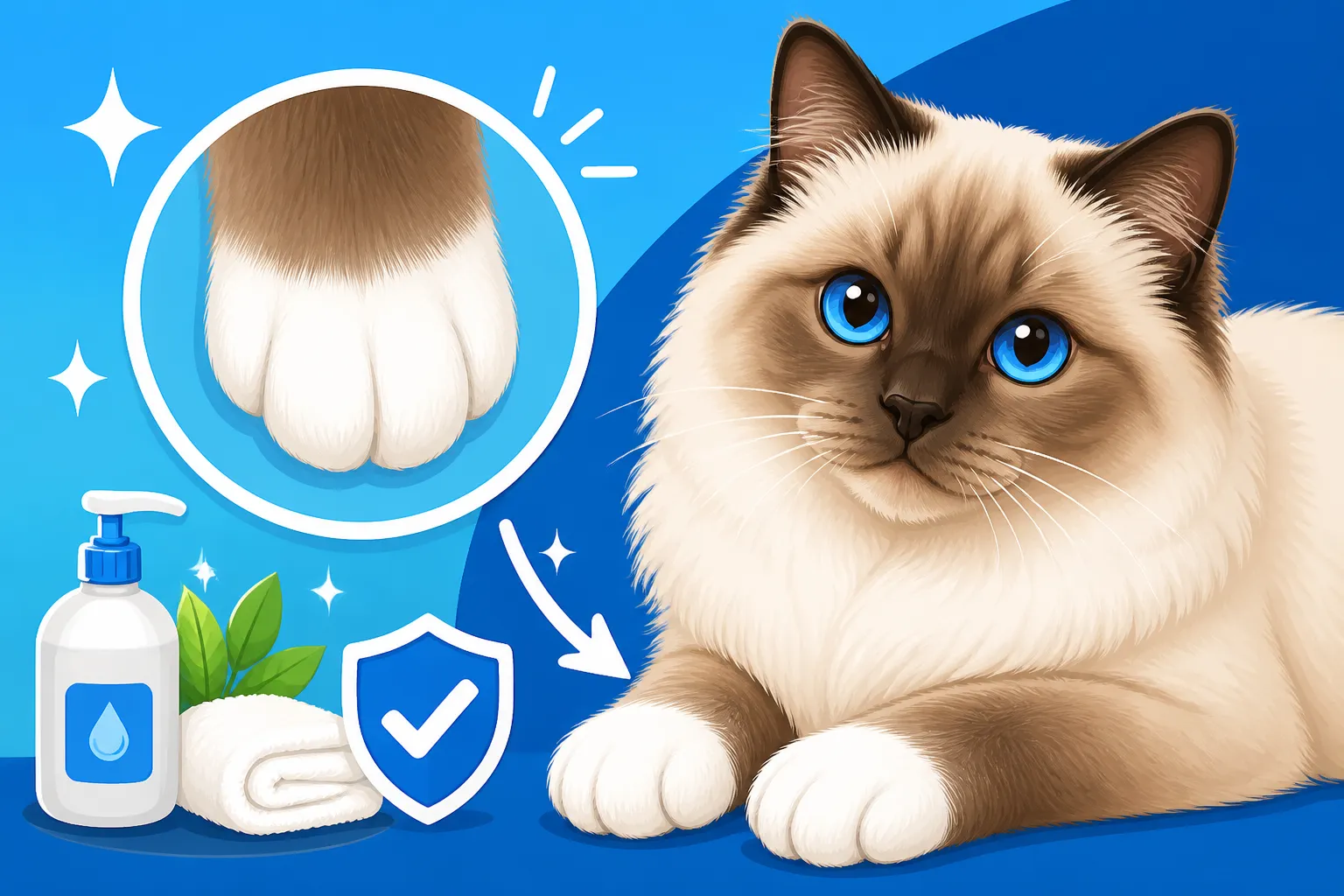
Keeping a Birman’s White Gloves White
Oh, the sheer joy of watching a Birman gracefully pad across the floor, those pristine white gloves sparkling! But let's be real, keeping those adorable white paws as radiant as the day your Birman kitten came home can feel like a never-ending battle against the forces of dirt, dust, and general feline mischief. If you've ever despaired over dingy paws or unsightly yellowing, this comprehensive guide is for you, offering practical advice and empathetic understanding to help you maintain your Birman's iconic snowy "gloves" and "laces."
Understanding the Birman's Unique "Gloves" and Coat
Before we dive into the nitty-gritty of cleaning, it’s helpful to truly appreciate what makes your Birman’s coat and those famous white paws so special. Understanding their unique properties can inform your care routine and help you prevent problems before they start. It's not just about a pretty coat; it's about a distinct genetic trait that requires specific attention.
The Birman's Silky, Single Coat Structure
Unlike many other long-haired breeds, the Birman boasts a wonderfully silky, medium-long coat that lacks a dense undercoat. This is a huge advantage when it comes to grooming! A Birman’s coat feels like fine silk running through your fingers, rather than the thick, woolly texture you might find on a Persian. This single-coat structure is one of the reasons why Birmans are generally considered easier to groom than many of their long-haired cousins; there's simply less fur to tangle and mat. It's truly No Undercoat Is What Makes a Birman Easy to Groom.
However, this silky texture also means that dirt and particles can adhere to the individual hairs more easily than they might on a coarser, denser coat. The guard hairs, while beautiful, don’t always offer the same barrier against external grime. When your Birman steps into something, it tends to stick rather than just brush off. This is particularly true for the fine hairs on their delicate paws, which are constantly interacting with the environment. The lack of an insulating undercoat also means they don't develop those massive seasonal sheds that can sometimes bring down a whole house, but it doesn't make them immune to picking up everyday dust and debris.
The Genetics Behind Those Iconic White Gloves
The Birman’s signature white "gloves" on all four paws, extending up the back legs to a "lace" or "gauntlet," are not just a random mutation; they are the result of a specific genetic trait. Every Birman carries two copies of the "gloving gene," which is unique to the breed. This gene acts as a modifier on the colorpoint pattern, effectively "masking" the pigment on the extremities of the paws. It's a fascinating genetic quirk that sets the Birman apart from other pointed breeds like the Siamese or Ragdoll, which typically have fully colored paws.
This genetic distinction is what gives the Birman its revered status and makes those gloves such a crucial part of the breed standard. Breeders dedicate considerable effort to producing kittens with perfectly symmetrical and well-defined gloves, as these are highly prized. While the gene ensures all Birmans have white paws, the exact expression—how high the gloves run, whether the laces are even—can vary slightly. It's this beautiful, deliberate genetic trait that we, as Birman parents, are tasked with preserving and keeping immaculate. The very definition of the breed is tied to these markings, making their cleanliness not just aesthetic, but a point of pride. For more on this, you might be interested in How to Tell a Birman From a Ragdoll by Its Feet.
Why White Areas Are So Prone to Stains and Discoloration
Let's face it: white fur, especially on a cat's paws, is a magnet for every speck of dirt, dust bunny, and stray food crumb. The reality is, your Birman’s paws are constantly in contact with surfaces—the floor, their litter box, your lap, even their own food bowl. Any pigment or debris they encounter is going to show up dramatically against that stark white backdrop. Imagine wearing white socks all day, every day – they're bound to get dirty!
The delicate fur on the paws, coupled with the natural oils from your cat's skin and the occasional lick, creates a perfect canvas for discoloration. Yellowing can occur from contact with certain types of litter, especially those with dyes or clay dust, or even from natural oils and saliva that accumulate over time. Environmental factors like muddy paw prints from exploring a balcony or garden (if your Birman has safe outdoor access), or simply the dust and grime that settles on household surfaces, all contribute to the challenge. It's not a sign of poor hygiene on your part; it's simply the nature of having such magnificently marked white paws on an active, curious cat.
Daily Grooming: Your First Line of Defense
Regular, consistent grooming is paramount when it comes to maintaining those pristine white gloves. Think of it as preventative medicine for dirty paws. A little effort each day or every other day can save you from bigger, more challenging cleaning sessions down the line. It's about building a routine that both you and your Birman find manageable and even enjoyable.
Gentle Paw Wipes and Spot Cleaning
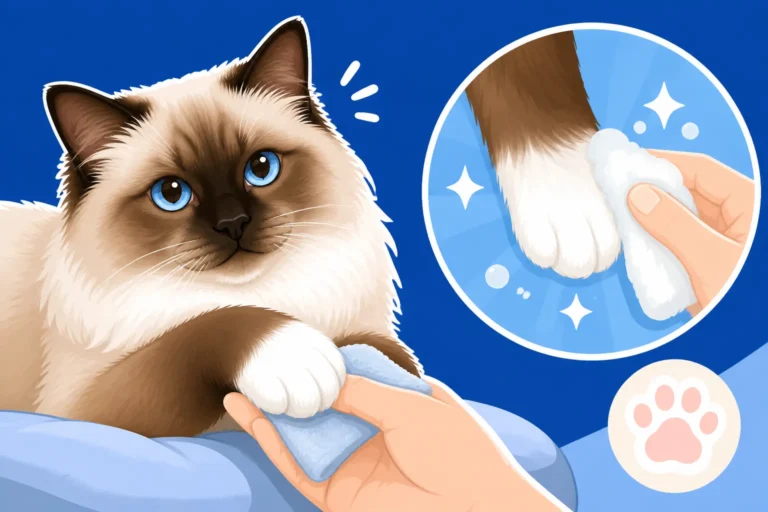
The simplest and most effective way to keep your Birman’s gloves white is daily spot cleaning. Just like you might wipe down kitchen counters after cooking, a quick wipe of the paws can prevent minor smudges from becoming stubborn stains. I recommend keeping a pack of pet-safe, unscented wipes near their favorite napping spots or by the front door if they ever venture into a secure outdoor space. Brands like Earth Rated or Burts Bees make good options often found on platforms like Chewy or Amazon.
After your Birman uses the litter box, or after a particularly enthusiastic play session, take a moment to gently wipe their paws. Focus on the pads and the fur between the toes, as well as the top of the gloves. This removes any clinging litter particles, dust, or other debris before it has a chance to set in. If you notice a specific smudge, like a food stain from dinner, address it immediately. A damp cloth with a tiny bit of pet-safe shampoo can work wonders for fresh marks, but always rinse thoroughly afterward to prevent skin irritation. Consistency is key here; a minute or two each day makes a huge difference.
Routine Brushing and Inspection
While we often think of brushing for the body coat, don't forget the paws! Using a soft-bristled brush or a fine-toothed comb, gently brush the fur on your Birman’s paws. This not only helps remove loose hairs and minor surface dirt but also allows you to inspect their paws for any issues. You might be surprised at how much hidden grime a quick brush can dislodge. The Birman's single coat is pretty forgiving in terms of mats, but regular combing is still a good habit. Why Three Combings a Week Is Enough for a Birman usually refers to the body, but a quick pass over the paws is always beneficial.
During this routine, take the opportunity to visually inspect your Birman’s paw pads and the fur between their toes. Are there any cuts, scrapes, or areas of redness? Is there any litter stuck between the pads? Are the claws looking healthy? Early detection of any issues can prevent discomfort for your cat and more extensive cleaning needs later on. This ritual also doubles as a bonding experience, teaching your Birman to tolerate and even enjoy paw handling, which is invaluable for vet visits and future grooming needs.
Nail Trimming to Prevent Tracking and Damage
This might not seem directly related to white gloves, but well-maintained claws play a significant role in keeping paws clean. Long claws can pick up and track more litter, dirt, and debris around the house. When a cat has overly long claws, they can also scratch themselves or objects, potentially creating more opportunities for dirt or even mild infections.
Regular nail trims (typically every 2-4 weeks, depending on your cat's growth rate) keep the claws at an appropriate length. This not only reduces the amount of material they can pick up but also prevents them from getting caught on carpets or furniture, which can lead to injury. If your Birman is particularly placid (and many are!), you might find that nail trimming is a relatively calm affair. Always use sharp, cat-specific clippers and be careful to only snip the very tip, avoiding the quick. If you're unsure, your vet or a professional groomer can demonstrate the correct technique. Keeping the claws tidy is a proactive step in preserving the pristine appearance of those white gloves.
Strategic Cleaning for Stubborn Stains
Despite your best daily efforts, sometimes those white gloves will encounter something particularly nasty, leading to stubborn stains or a general dullness that simple wipes can’t fix. When this happens, it's time for a more strategic approach, often involving a targeted paw bath.
Safe Shampoos and Cleaning Agents
When it comes to bathing your Birman's paws, selecting the right products is crucial. You want something effective enough to lift stains but gentle enough not to irritate their sensitive skin or dry out their delicate fur. Always opt for pet-specific shampoos that are tearless and pH-balanced. Avoid human shampoos, which can be too harsh and strip natural oils. For white fur, some owners find success with shampoos specifically formulated to brighten white coats, but use these cautiously and ensure they don't contain harsh bleaches or strong perfumes.
A small amount of diluted dish soap (like Dawn) can be surprisingly effective for oil-based stains, but this should be used very sparingly and rinsed immediately and thoroughly. For general yellowing, a paste made from baking soda and water can be gently applied, left for a few minutes, and then rinsed. Always do a patch test first on a less visible area to ensure there's no adverse reaction. Remember, the goal is cleanliness, not harsh chemical intervention. You can often find a good selection of gentle, whitening cat shampoos on Chewy or Amazon, with detailed reviews to guide your choice.
Step-by-Step Paw Bathing
When a full bath isn't necessary, a targeted paw bath is the answer. This is much less stressful for most cats and allows you to focus specifically on the problem areas. Here’s a simple step-by-step guide:
- Gather your supplies: You'll need a shallow basin or sink, lukewarm water, a gentle pet shampoo, a soft washcloth, and a few clean towels. Have a treat ready for positive reinforcement!
- Prepare the area: Place a non-slip mat in the basin or sink to help your Birman feel secure. Fill it with just an inch or two of lukewarm water.
- Introduce your Birman: Gently place your Birman into the basin, supporting their body. Talk to them in a calm, soothing voice. If they're particularly resistant, you might need a second pair of hands to hold them gently. Remember, Why a Placid Birman Hides Pain, so pay attention to their body language.
- Wet the paws: Using the washcloth, gently wet one paw at a time, making sure the white fur is thoroughly dampened.
- Apply shampoo: Put a small amount of shampoo on your fingers or the washcloth and gently lather it into the white fur on their paws. Work it around the pads and between the toes. Don't scrub vigorously; gentle massaging is sufficient.
- Rinse thoroughly: This is the most crucial step! Use fresh, clean lukewarm water (you might need to empty and refill the basin or use a small cup) to rinse all the shampoo from their paws. Any residue can cause skin irritation or attract more dirt. Keep rinsing until the water runs clear and the fur feels squeaky clean, not slick.
- Towel dry: Immediately wrap your Birman’s paws in a soft, absorbent towel. Gently pat and squeeze the water out. You might need several towels.
- Air dry completely: It's vital that the paws are completely dry to prevent matting, skin issues, or cold. You can gently blow-dry on a low, cool setting if your cat tolerates it, or simply let them air dry in a warm, draft-free room. Keep them confined to a clean area until fully dry to prevent re-soiling.
Dealing with Deep-Set Discoloration and Yellowing
Sometimes, despite all efforts, the white fur on the paws can develop a persistent yellowish tint, especially around the tips of the fur. This can be caused by a build-up of natural oils, contact with certain litters, or even just time. If gentle shampoos aren't doing the trick, you might need to explore other options.
One common trick among Birman enthusiasts is using a tiny amount of cornstarch or specific whitening powder (again, pet-safe) as a "dry shampoo." After brushing, lightly sprinkle a small amount of powder onto the yellowed areas, gently work it into the fur with your fingers, and then thoroughly brush it out. The powder helps absorb excess oils and lift some of the discoloration. This isn’t a permanent fix but can offer a temporary brightening effect. For a more direct solution, regular, gentle paw baths with a dedicated whitening shampoo (ensure it's safe for cats and follow instructions carefully) over several weeks can gradually improve the appearance. Remember, patience is key, and harsh chemicals are never the answer. If the yellowing seems excessive or accompanies any skin irritation, it's always best to consult your veterinarian to rule out any underlying health issues.
The Role of Litter: A Surprising Factor
It might sound obvious, but the type of litter you use and how you manage the litter box can have a monumental impact on the cleanliness of your Birman’s white gloves. This isn't just about smell; it's about physical contact and the residue it leaves behind.
Choosing the Right Low-Dust, White-Friendly Litter
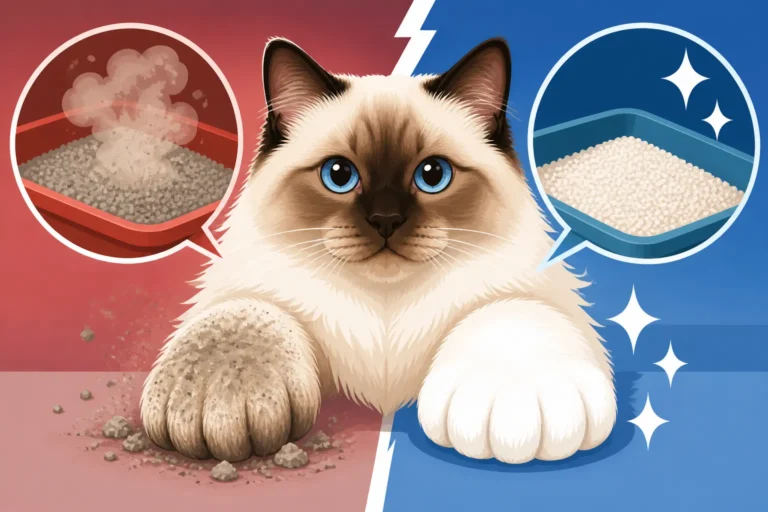
This is where many Birman owners find a turning point in the battle against dingy paws. Many conventional clay litters, especially those with strong perfumes or excessive dust, are terrible for white fur. The dust can settle on the fine hairs of the paws, leading to a dull, grayish or yellowish tint over time. Perfumed litters can also contain dyes that stain. So, what to look for?
- Low-Dust or Dust-Free: This is paramount. Look for litters marketed as "99% dust-free" or made from alternative materials like paper, corn, or tofu. These drastically reduce the amount of fine particulate matter that can adhere to your Birman's fur.
- Unscented: Avoid anything with artificial fragrances. These often contain dyes and chemicals that can not only irritate your cat's respiratory system but also transfer color to their white paws.
- Natural Color: White or light-colored litters are ideal. Dark-colored litters, even if dust-free, can sometimes leave a visible residue on white fur. Consider paper pellets, white silica gel crystals, or certain natural corn litters. You might find brands like World's Best Cat Litter (corn-based) or various silica gel options on Amazon or Chewy that fit the bill.
- Texture: Some finer grain litters can get lodged more easily between paw pads. While dust-free is the priority, a slightly coarser texture that’s still comfortable for your cat can sometimes be beneficial.
The impact of choosing the right litter is immediate and dramatic. It's often the single biggest change you can make to keep those gloves pristine. To help you decide, Which Litter Suits a White Gloved Cat delves deeper into this topic.
Litter Box Maintenance and Placement
Even with the perfect litter, poor litter box hygiene will inevitably lead to dirty paws. Cats, including fastidious Birmans, hate dirty litter boxes and will try to avoid stepping in their own waste. However, even if they're careful, a dirty box means more contaminated surfaces for their paws to touch.
- Scoop Frequently: At a minimum, scoop the litter box once, preferably twice, daily. This removes soiled litter before it can break down and create more dust or sticky residue.
- Full Litter Changes: Depending on the type of litter and the number of cats, aim for a full litter change and a thorough scrub of the box every 1-4 weeks. Use hot, soapy water (again, pet-safe soap!) and rinse completely before refilling.
- Mats and Entryways: Consider placing a litter mat with deep grooves or a textured surface directly outside the litter box. These mats help trap litter particles as your Birman exits, preventing them from being tracked throughout the house and reducing the amount that ends up on their paws.
- Box Size: A Birman is a fairly long cat. Ensure their litter box is generously sized to allow them to enter, turn around, and dig comfortably without their paws accidentally touching soiled areas or the sides of the box. A small box forces awkward movements that can easily result in dirty paws.
- Placement: Place the litter box in a low-traffic area where your Birman feels safe and unhurried. This can help them relax and avoid rushing their business, which can sometimes lead to messy exits.
Regular maintenance is not just about odor control; it's a vital part of keeping those white gloves sparkling. For additional tips, check out How Often to Change Litter for a White Footed Cat.
Addressing Litter Box Habits and Potential Issues
Sometimes, it's not just the litter or the box, but your Birman’s habits around it. If you notice your Birman is consistently leaving the litter box with dirty paws, beyond what a good mat can handle, it might be worth observing their behavior.
- Digging Habits: Some Birmans are enthusiastic diggers, kicking litter far and wide. While charming, this can mean more contact with fresh or soiled litter. Ensure the litter box has high sides, or consider a covered box (though ensure your Birman is comfortable with it, as some dislike enclosed spaces) to minimize scatter.
- Overgrooming: If your Birman is meticulously cleaning their paws after every litter visit, that's normal. But if they seem to be overgrooming, licking excessively, or if the paws look irritated, it could be a sign that the litter itself is irritating their skin or that there's an underlying issue making their paws feel uncomfortable. In such cases, a vet visit is warranted.
- Stress or Anxiety: A sudden change in litter box habits, including a reluctance to bury waste or a hasty exit, could sometimes signal stress or anxiety. A Birman is a sensitive soul, and changes in routine or environment can affect them. If you suspect stress, addressing the root cause can help normalize their litter box routine and, by extension, keep their paws cleaner. This is where understanding What a Stressed Birman Does can be helpful.
Diet and Hydration: The Unsung Heroes of Coat Health
It might seem counterintuitive, but what goes into your Birman's body can significantly impact the health and cleanliness of their coat, including those precious white gloves. A healthy cat with a well-nourished coat is better equipped to resist environmental staining and maintain overall pristine appearance.
Nutritional Support for Skin and Coat
A diet rich in high-quality protein, essential fatty acids (especially Omega-3 and Omega-6), and vitamins is crucial for a healthy skin barrier and a lustrous coat. A dry, flaky coat is more prone to environmental debris sticking to it, and poor skin health can lead to excessive licking or irritation that causes discoloration.
Look for cat foods where meat is the first ingredient, providing the necessary animal-based protein. Many premium cat foods highlight their beneficial fatty acid content, which is key for skin and coat health. These fats contribute to the natural oil production that keeps fur soft and resilient. Which Protein Level Keeps a Birman's Ruff Thick applies to the entire coat, including the fur on the paws. If your Birman's coat appears dull or dry, consult your veterinarian about potential dietary supplements, such as fish oil, that could boost their skin and coat health. A healthy coat is less likely to absorb stains and dirt.
Ensuring Adequate Water Intake
Hydration is often overlooked but plays a vital role in overall feline health, including skin and coat condition. Well-hydrated skin is healthier, and a well-hydrated cat is generally healthier, with better waste elimination and less likelihood of certain health issues that can indirectly affect grooming.
Birmans, like many cats, can be prone to kidney issues as they age, partly due to their Persian ancestry. Why a Birman's PKD History Makes Water Intake Matter emphasizes the importance of good hydration. Encouraging your Birman to drink plenty of water can keep their system running smoothly and contribute to healthy skin and coat. Consider:
- Wet Food: Incorporate wet food into their diet. It provides a significant amount of moisture that kibble alone cannot.
- Water Fountains: Many cats prefer moving water. A cat drinking fountain can entice them to drink more throughout the day.
- Multiple Water Bowls: Place several bowls of fresh water around the house, in different locations. Keep them away from litter boxes and food bowls, as some cats prefer separate stations.
- Ceramic or Stainless Steel Bowls: Some cats dislike the taste or smell of plastic bowls.
Adequate hydration supports skin elasticity and helps the body process and eliminate toxins, all contributing to a vibrant, healthy coat that is more resistant to external staining.
Impact of Diet on Tear Stains and Paw Licking
While not directly about litter or mud, diet can indirectly impact paw cleanliness through issues like tear staining and excessive paw licking. Some cats develop reddish-brown tear stains around their eyes, and occasionally, this same discoloration can appear on the fur around their mouth or paws if they are frequently licking.
The exact cause of tear staining can be complex and sometimes diet-related, though more often it’s structural or due to mild irritation. If your Birman has prominent tear staining that they then transfer to their paws through grooming, addressing the root cause might involve a dietary change. Similarly, excessive paw licking can cause saliva staining, which often appears brownish or reddish, especially on white fur. This could be due to allergies, pain, stress, or even simply a habit. If you notice persistent paw licking that discolors the gloves, it's essential to have your vet investigate the cause, as it could signal anything from environmental allergies to joint discomfort, or even just boredom. A balanced, high-quality diet that avoids common allergens (if your cat has sensitivities) can sometimes help mitigate these issues, leading to naturally cleaner paws.
Environmental Factors and Prevention
Beyond direct grooming and diet, the environment your Birman lives in plays a crucial role in how clean those white gloves stay. Simple modifications to your home and routine can make a world of difference.
Indoor vs. Outdoor Risks for Paws
Let’s be honest: an indoor-only Birman has a far better chance of maintaining pristine white gloves than one that ventures outdoors. The outdoor world is a wonderland of mud, dirt, pollen, asphalt grime, and all sorts of other lovely things that will inevitably stain white fur. Even a supervised outdoor experience in a catio or on a leash can expose those delicate paws to elements that quickly diminish their sparkle.
For the vast majority of Birmans, an indoor-only lifestyle is recommended not just for paw cleanliness, but for their overall safety and health. It protects them from traffic, predators, parasites, and infectious diseases. If your Birman does have a secure outdoor enclosure, be mindful of the surfaces within it. Opt for artificial turf, smooth paving, or raised platforms that are easy to clean, rather than bare soil or gravel. Always wipe their paws thoroughly upon re-entry, no matter how clean the outdoor area might seem. The general rule is: the less contact with the "outside," the whiter the gloves.
Keeping the Home Environment Clean
Your Birman's paws are constantly touching surfaces in your home. It stands to reason that a cleaner home environment will lead to cleaner paws. This doesn't mean you need to live in a sterile bubble, but regular cleaning can significantly reduce the amount of dust and grime your cat picks up.
- Flooring: Hard floors (wood, tile, laminate) are generally easier to keep clean than carpets. If you have carpets, regular vacuuming is essential. Consider placing washable rugs in high-traffic areas or where your Birman frequently naps, especially near litter boxes and feeding stations.
- Dusting and Vacuuming: Regular dusting and vacuuming of your home will reduce the overall dust burden. Pay particular attention to areas where dust bunnies gather, as these are often prime targets for curious paws.
- Pet Bedding: Regularly wash your Birman's bedding, blankets, and any soft toys they play with frequently. These items can accumulate dirt and oils, which can then transfer back to their paws.
- Entryways: If you or other pets track in dirt from outside, ensure there are mats at entryways to minimize what comes into the house. Your Birman will inevitably walk over these paths.
A consistent cleaning routine for your home indirectly translates to a cleaner cat and whiter gloves. It's a team effort between you and your vacuum cleaner!
Protecting Paws from Household Chemicals
When cleaning your home, be extremely mindful of the products you use. Many common household cleaners contain harsh chemicals that can be irritating or even toxic to cats. If your Birman walks on a freshly cleaned floor or surface, those chemicals can transfer to their paws and then, inevitably, to their mouth when they groom themselves.
Always use pet-safe cleaning products, especially on floors and low surfaces your cat might contact. Even with pet-safe options, allow surfaces to dry completely before letting your Birman roam. For spills or accidents, use mild soap and water whenever possible. Be cautious with essential oil diffusers or sprays, as many essential oils are toxic to cats. A Birman's placid nature means they might not show distress immediately, but their sensitive systems can react poorly to environmental toxins. Prioritizing non-toxic cleaning agents protects your Birman's health first and their paw cleanliness second.
Long-Term Care and Maintenance
Keeping those Birman gloves white isn't a one-time fix; it's a lifelong commitment to consistent care and attention. As your Birman ages, their needs might change, but the core principles remain.
Establishing a Lifetime Routine
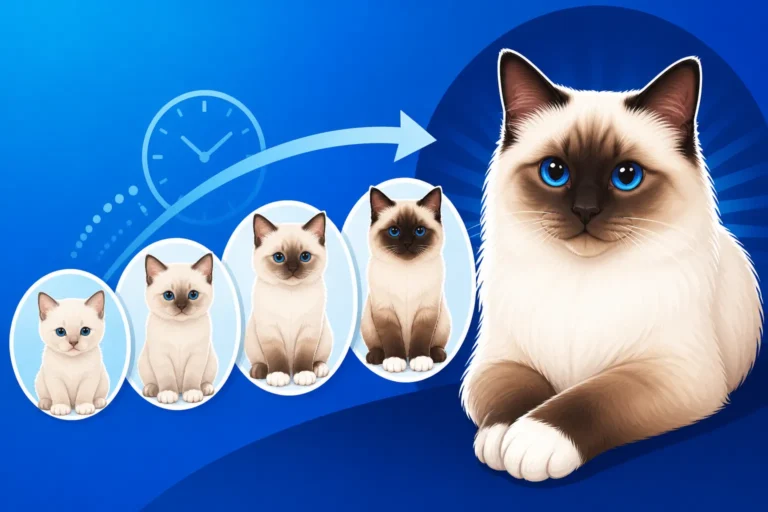
The key to long-term success is establishing a consistent routine from kittenhood. The earlier you introduce paw handling, gentle wiping, and nail trims, the more accepting and comfortable your Birman will be with these activities throughout their life. A Birman kitten, born almost entirely white, will gradually develop their points and gloves, making this the perfect time to start.
A typical routine might look something like this:
- Daily: Quick paw wipe after litter box use and before bedtime. Visual inspection of paws.
- Weekly: Thorough paw brushing and inspection. Nail trim as needed.
- Monthly/As Needed: Targeted paw bath for stubborn stains or general brightening.
- Regularly: Keep litter boxes clean and refresh litter. Maintain a clean home environment.
- Ongoing: Feed a high-quality diet and ensure constant access to fresh water.
Remember, Birmans are creatures of habit and generally respond well to predictable routines. Consistency reduces stress for your cat and makes grooming tasks easier for both of you. It's truly a rewarding part of having such a beautiful companion.
Adapting Care as Your Birman Ages
As your Birman matures, their grooming needs might shift slightly. Older Birmans may become less flexible and find it harder to groom certain areas, including their paws. Caring for an Old Birman That Cannot Reach Its Back highlights this very challenge for senior cats. You might find you need to increase your manual grooming efforts, including more frequent paw inspections and cleaning.
Arthritis or other age-related joint issues can make a Birman less inclined to tolerate extensive handling. Be extra gentle and observant of any signs of discomfort. Short, frequent sessions are usually better than one long one. Their skin might also become more delicate, so continue to use the gentlest products available. Older cats may also spend more time resting, which paradoxically can lead to paws becoming discolored from prolonged contact with bedding or dusty spots. Ensure their favorite resting places are always clean and their bedding is washed regularly. Adapting your routine to their changing capabilities will help them stay comfortable and maintain their dignity, not to mention those beautiful white gloves.
The Joy of Pristine Paws: A Reflection of Care
Ultimately, keeping your Birman's white gloves white is more than just about aesthetics; it's a testament to your diligent care and attention to detail. Those sparkling paws are a visual representation of a healthy, well-cared-for cat. When your Birman stretches out, proudly displaying those clean, pure white mittens, there’s a quiet satisfaction in knowing you’ve provided the best for them.
It's a small detail, but for a breed defined by this distinctive feature, maintaining the gloves contributes to their overall well-being and beauty. It’s part of the unique bond you share, a tangible result of the love and effort you pour into their daily lives. So, take pride in those clean paws, and remember that every wipe, every brush, and every careful choice of litter contributes to the magnificent presence of your sacred Birman.
Disclaimer
This article is for general informational purposes only and does not constitute professional advice. Laws, prices and regulations vary by location and change over time. Consult a qualified professional for guidance on your specific situation.