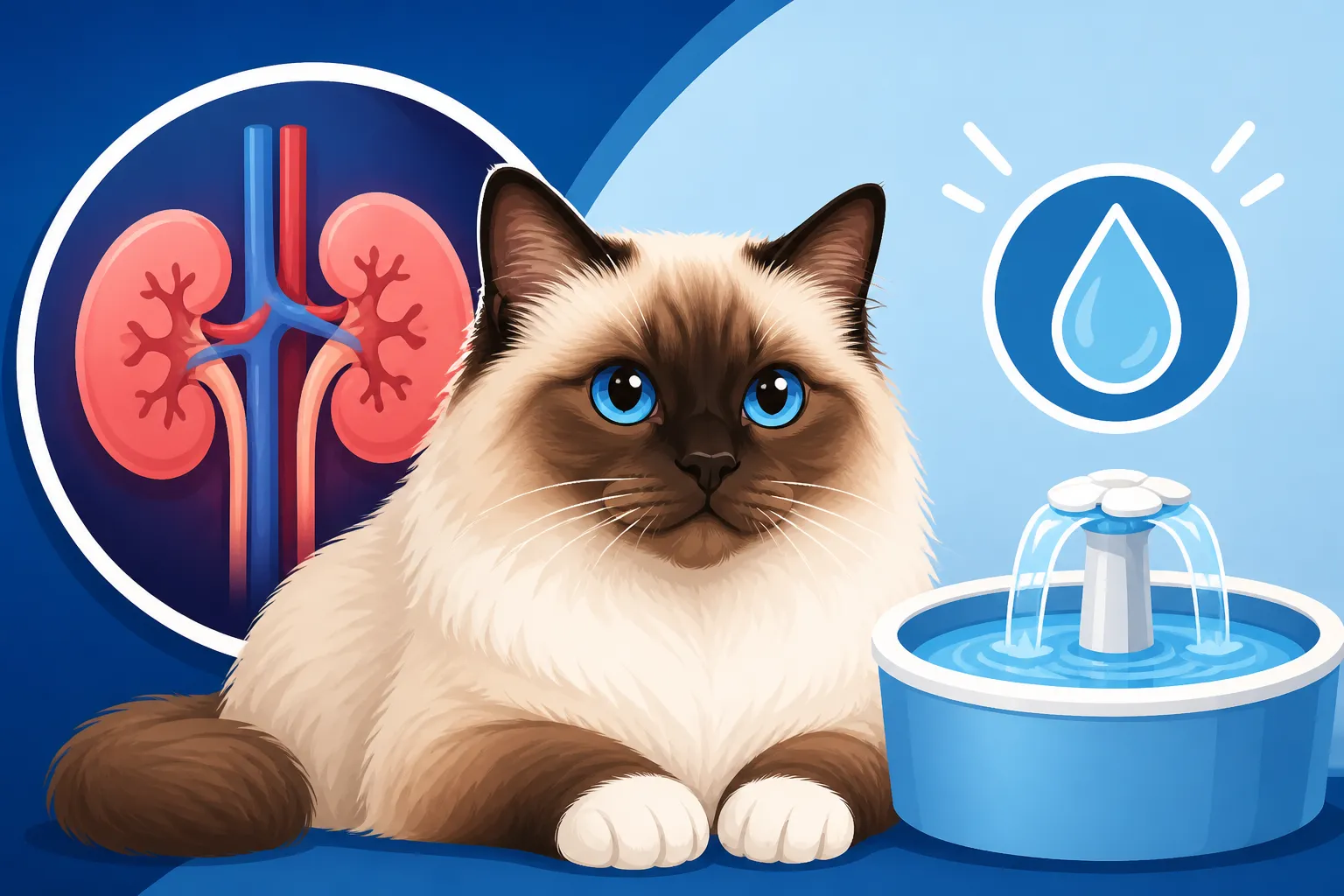
Why a Birman’s PKD History Makes Water Intake Matter
It's incredibly worrying when you hear about health issues that disproportionately affect certain breeds, and for Birman cat parents, kidney health, particularly Polycystic Kidney Disease (PKD), often sits at the forefront of those concerns. Given the genetic legacy some Birmans carry, understanding why adequate water intake is so profoundly important for their long-term well-being isn't just a good idea – it's absolutely critical. This guide is here to walk you through the nuances of PKD in Birmans and, most importantly, how prioritizing hydration can make a world of difference in managing and mitigating its impact.
Understanding Polycystic Kidney Disease (PKD) in Birmans
When we talk about PKD in Birmans, it's not some abstract, rare disease. It’s a very real concern, especially given the breed’s history. For many Birman owners, the initial diagnosis or even just the knowledge of their cat's genetic predisposition can feel overwhelming, but understanding its roots and mechanisms is the first step toward proactive care.
The Persian Connection to Birman PKD
The Birman breed, like so many others, has a complex history, and part of that history involves outcrossing with other breeds to strengthen the gene pool, particularly after the devastating impact of World War II. One of the breeds used in this restoration process was the Persian. While Persians brought many desirable traits, they also brought along a genetic predisposition to PKD. This means that if your Birman has Persian ancestry in its lineage – and many do – there's a possibility they inherited the gene responsible for PKD. It’s a silent legacy, one that breeders have worked hard to mitigate over the years through rigorous testing, but it’s still a valid concern for any Birman owner. You can learn more about this connection by reading Why PKD Reached the Birman Through the Persian.
What PKD Means for a Birman's Kidneys
Polycystic Kidney Disease is a genetic condition characterized by the formation of multiple fluid-filled cysts within the kidneys. These cysts start very small, often present from birth, and gradually grow in size over time. In the early stages, your Birman might show absolutely no symptoms, leading you to believe everything is perfectly fine. This silent progression is one of the most frustrating aspects of PKD; you don't see the damage until it's quite advanced.
As these cysts grow, they slowly take over healthy kidney tissue, reducing the kidney's ability to filter waste products from the blood effectively. Imagine a sponge slowly being replaced by hard marbles – it simply can't do its job as well. This leads to a gradual decline in kidney function, eventually progressing to kidney failure. It's a slow, relentless process, and knowing What Kidney Cysts Do to a Birman helps highlight the importance of early intervention and preventative measures.
Identifying a Birman at Risk for PKD
The good news is that PKD is a genetic condition with a reliable DNA test. This test, often referred to as the PKD1 test, can determine if your Birman carries the gene for PKD. Responsible breeders routinely test their breeding cats to ensure they are not passing this gene on. If you're acquiring a kitten, always ask to see the parents' PKD test results. A "clear" result means the cat does not carry the gene and therefore cannot develop or pass on PKD.
Even if your Birman's parents were clear, or if you've adopted an adult cat whose history is unknown, it's still worth discussing testing with your vet. A simple cheek swab can provide peace of mind. For those cats identified as positive or who come from unknown backgrounds, regular veterinary check-ups, including blood work and potentially ultrasound scans, become even more critical to monitor kidney health over their lifetime. Understanding How the PKD1 Test Clears a Birman is a powerful tool for responsible Birman ownership.
The Critical Role of Water in Kidney Health
When kidney disease is a concern, whether diagnosed or simply a risk due to breed history, water isn't just important—it's foundational. Think of it as the lifeblood for healthy kidneys, and for Birmans, this takes on an even greater significance.
How Hydration Supports Kidney Function
Our cats' kidneys are incredible organs, tirelessly working to filter toxins and waste products from their blood, maintain electrolyte balance, and produce hormones essential for red blood cell production. Water is the solvent in which all these processes occur. Adequate hydration ensures that the kidneys have enough fluid to efficiently flush out waste, like urea and creatinine, preventing them from building up to harmful levels in the bloodstream.
When a Birman's kidneys are compromised by PKD, even if the cysts are small, their filtering capacity is already reduced. Providing plenty of fresh water helps the remaining healthy kidney tissue work as effectively as possible. It dilutes the urine, making it easier for the kidneys to process, and reduces the workload on these vital organs. Think of it like trying to clean a filter with thick, sludgy water versus clear, flowing water – the latter is always more efficient. This constant flushing action is why you might notice Why a Birman Drinking More Points at Its Persian Ancestry, linking their historical background directly to the need for increased water intake.
The Dangers of Dehydration for PKD-Affected Birmans
For a Birman with PKD, dehydration isn't just uncomfortable; it can be actively detrimental and speed up the progression of kidney disease. When a cat is dehydrated, its body tries to conserve water, which means the kidneys produce more concentrated urine. This concentrated urine contains higher levels of waste products, which then place an even greater strain on kidneys that are already struggling due to cysts.
Over time, this increased workload can accelerate the damage to healthy nephrons (the filtering units of the kidney), leading to a faster decline in kidney function. Dehydration can also cause an imbalance in electrolytes, which further stresses the system and can make your cat feel unwell. It's a vicious cycle where a lack of water exacerbates an existing problem, making your Birman's body work harder when it needs to work smarter.
Recognizing Signs of Dehydration in Your Birman
It's easy for us to know if we're thirsty, but our cats can be masters of disguise. Knowing the subtle signs of dehydration can help you intervene quickly. One of the most common signs is reduced skin elasticity. Gently tent the skin on your Birman's neck or shoulder blades; if it snaps back quickly, they're likely well hydrated. If it takes a second or two to return to its normal position, they might be dehydrated.
Other signs include lethargy, a dry or sticky mouth (gums should be moist and pink), sunken eyes, or a noticeable decrease in urination. While a Birman might generally be a quiet cat, an unusually withdrawn demeanor could also be a subtle indicator. Keep an eye on their litter box habits; a significantly drier litter box over a day or two is a red flag. If you notice any of these symptoms, don't hesitate to contact your veterinarian.
Strategies to Boost Your Birman's Water Intake
Knowing that water is vital is one thing; actually getting your discerning Birman to drink enough is another entirely. Cats, by nature, often don't have a strong thirst drive, a leftover trait from their desert-dwelling ancestors who got most of their hydration from prey. This means we, as their devoted caretakers, need to get a little creative.
The Power of Wet Food for Hydration
This is arguably the single most impactful change you can make for a Birman, especially one with a PKD history. Dry kibble typically contains only about 5-10% water, meaning your cat has to drink a significant amount of additional water to compensate. Wet food, on the other hand, can be 70-80% water. Switching to a primarily or exclusively wet food diet significantly increases their daily water intake without them even realizing it.
Think of it this way: a cat eating dry food needs to drink maybe 4-8 ounces of water daily to meet its needs. A cat eating wet food might get most of that water directly from their meals. This proactive hydration takes a huge burden off their kidneys. When choosing wet food, look for high-quality options with good protein sources. You can find a vast selection on platforms like Chewy or Amazon, making it easy to compare ingredients and brands. For specific considerations, How Much Wet Food a Birman's Kidneys Are Worth Paying For goes into more detail. Remember, Why Kibble Alone Leaves a Birman Short of Water is a critical piece of information for any cat owner.
The Allure of Water Fountains and Multiple Bowls
Cats can be particular about their water. Stagnant water in a bowl might not appeal to them, as it often wouldn't in the wild. This is where water fountains shine. The gentle bubbling or flowing water mimics a fresh, natural source, which many cats find irresistible. The movement also aerates the water, making it taste fresher and often cooler.
Consider placing multiple water bowls or fountains throughout your home, away from their food bowls and litter boxes. Cats often don't like to drink right next to where they eat or eliminate. Experiment with different materials too – ceramic, glass, or stainless steel bowls are often preferred over plastic, which can sometimes impart a strange taste or harbor bacteria more easily. Some Birmans might even prefer a wide, shallow bowl that doesn't irritate their sensitive whiskers. Understanding Whether a Fountain Gets a Birman Drinking More can certainly help in your efforts.
Creative Ways to Make Water More Appealing
Beyond fountains and wet food, there are other tricks you can employ to encourage your Birman to drink more:
- Add a Splash of Flavor: A little low-sodium chicken or beef broth (ensure no onion or garlic!) can make water much more enticing. You can also get creative with "tuna juice" (the water from a can of tuna, not oil).
- Ice, Ice, Baby: Some cats love playing with and drinking water that has a few ice cubes in it. It keeps the water cool and adds a playful element.
- Water-Rich Treats: Consider offering cat-safe ice cubes made from diluted broth or small pieces of cucumber or melon (in moderation, as treats).
- Observe Their Preferences: Pay attention to where and how your Birman likes to drink. Do they try to drink from the tap? If so, consider a faucet fountain attachment. Do they prefer a specific spot in the house? Make sure there's always fresh water there.
- Make it a Ritual: Regularly refreshing the water bowls and cleaning them thoroughly makes them more appealing. A simple rinse isn't always enough; a good scrub with soap and water removes any biofilm that can build up.
Every little bit helps, and finding what truly sparks your Birman's interest in drinking can be a game-changer for their kidney health. Remember, How Much Water a Birman Should Get Through in a Day will vary, but aiming for more is always a good strategy for a cat with PKD concerns.
Dietary Considerations Beyond Just Water
While ensuring sufficient water intake is paramount, a holistic approach to your Birman's diet is crucial, especially when kidney health is a concern. It’s not just about getting them to drink; it’s about what goes into their body consistently.
Kidney-Friendly Diets for Birmans
Once a Birman has been diagnosed with PKD, or if their kidney function shows signs of decline, your veterinarian will likely recommend a therapeutic kidney diet. These diets are specifically formulated to support kidney function and slow the progression of disease. They typically feature several key characteristics:
- Reduced Phosphorus: High phosphorus levels can exacerbate kidney disease, so these diets limit phosphorus to ease the burden on compromised kidneys.
- Controlled Protein Levels: While protein is essential, very high protein levels can increase the workload on kidneys. Kidney diets offer moderate, high-quality protein to maintain muscle mass without overtaxing the kidneys.
- Increased Omega-3 Fatty Acids: These fatty acids have anti-inflammatory properties that can be beneficial for kidney health.
- Added Antioxidants: To combat oxidative stress that can damage kidney cells.
It's vital that you only switch to a prescription kidney diet under veterinary guidance, as they are medically formulated and not suitable for all cats. Your vet will monitor your Birman’s blood work to determine the appropriate stage of diet. Options from reputable brands are available through vet clinics or online pet supply stores like Chewy and Amazon, often requiring a vet prescription. The article Which Prescription Diet a PKD Positive Birman Ends Up On will give you a better idea of what to expect.
Monitoring Your Birman's Dietary Needs
A Birman's dietary needs aren't static; they change over time, especially as they age or if their kidney disease progresses. Regular check-ups with your vet are essential to monitor kidney values (like BUN, creatinine, and phosphorus) through blood tests. These results will guide any adjustments to their diet.
What might be appropriate for a younger Birman with early-stage PKD might need to change for an older cat with more advanced kidney issues. Your vet might also suggest certain supplements, such as phosphorus binders or omega-3 fatty acid supplements, to complement their diet. Never make significant dietary changes or add supplements without consulting your vet first, as the wrong approach could do more harm than good. They are your best resource for tailored advice.
The Importance of Regular Vet Check-ups
Even if your Birman seems perfectly healthy, regular veterinary check-ups are non-negotiable, particularly once they reach middle age. For Birmans with a PKD history or positive test result, these check-ups become even more critical. Your vet can perform routine blood and urine tests that can detect subtle changes in kidney function long before your cat shows any outward signs of illness.
Early detection allows for earlier intervention, which can significantly slow the progression of kidney disease and improve your Birman's quality of life. During these visits, your vet will also listen to your concerns, assess your cat's weight, hydration status, and overall health. It's a team effort, and your observations at home combined with your vet's expertise are invaluable. Knowing How a Birman's Kidney Numbers Are Tracked From Middle Age and What a Birman's Yearly Panel Should Include After Eight can help you prepare for these important appointments.
Long-Term Management and Quality of Life
Receiving a PKD diagnosis for your beloved Birman can feel like a heavy burden, but it doesn't mean the end of their happy life. With dedicated care and proactive management, many Birmans with PKD can live fulfilling lives for years. It's about shifting focus from a cure to comprehensive support and maintaining their comfort.
Living with a PKD-Positive Birman
The most important thing to remember is that a PKD diagnosis is not an immediate death sentence. It’s a chronic condition that requires ongoing management. Your role as an owner becomes one of vigilance and consistency. This means meticulously adhering to the dietary recommendations from your vet, ensuring constant access to fresh water (and encouraging intake), and keeping up with all scheduled vet appointments.
It can be hard to accept that your cat has a condition that will eventually progress, but focusing on the present and providing the best quality of life now is what truly matters. Many Birmans with PKD live comfortably for extended periods, especially with early detection and careful management. Their placid temperament, while a blessing in many ways, means they might hide discomfort, so paying close attention to any subtle changes in behavior or routine is essential. Understanding How Long a PKD Positive Birman Lives With Its Cysts can offer some perspective and hope.
Tracking Hydration and Health at Home
You are your Birman's most important advocate. Keeping a watchful eye on their daily habits can provide crucial clues about their health. Consider keeping a small log or notes on your phone to track their water intake, appetite, urination frequency, and energy levels. Is their litter box consistently wetter or drier? Are they visiting the water bowl more or less often? Do they seem to be losing weight?
Simple daily checks, like the skin tent test for dehydration, can become part of your routine. Monitoring their weight regularly (a kitchen scale works wonders for this) can also highlight changes quickly. Even slight shifts from their baseline can signal a need for veterinary attention. Empowering yourself with this information allows you to provide your vet with valuable insights, leading to more tailored and timely care.
When to Seek Veterinary Intervention
While routine vet visits are essential, there are times when you shouldn't wait for the next scheduled appointment. If your Birman displays any of these symptoms, contact your vet immediately:
- Significant decrease in appetite or complete refusal to eat: This can quickly lead to more serious issues, especially in cats.
- Excessive thirst and urination (polyuria/polydipsia): While more drinking can be good, excessive drinking paired with excessive urination can indicate worsening kidney function.
- Lethargy, weakness, or increased sleeping: A noticeable drop in energy levels is always a concern.
- Vomiting or diarrhea: These can quickly lead to dehydration, which is especially dangerous for cats with PKD.
- Sudden weight loss: Unexplained weight loss is always a red flag.
- Changes in gait or balance: Though less common, these could indicate electrolyte imbalances or other issues related to kidney disease.
Never hesitate to call your vet if you are worried. It's always better to be overly cautious than to delay care when it comes to kidney health. Your Birman relies on you to notice these changes and seek help.
| Feature | Dry Kibble | Wet Food |
|---|---|---|
| Water Content | 5-10% | 70-80% |
| Hydration Impact | Requires significant additional water intake | Provides substantial dietary hydration |
| Kidney Workload | Can increase kidney workload due to concentrated waste | Reduces kidney workload by promoting diluted urine |
| Nutrient Density | Often higher in carbohydrates, lower protein quality | Generally higher in animal-based protein, lower carbs |
| Dental Health | Often touted for dental benefits (limited effectiveness) | No direct dental benefit, but less plaque buildup with good hygiene |
| Palatability | Varies, some cats prefer crunch | Often more palatable, enticing scent and texture |
| Cost | Generally lower upfront cost | Generally higher upfront cost |
| For PKD Birmans | Not ideal; requires active water management | Highly recommended for intrinsic hydration and kidney support |
Disclaimer
This article is for general informational purposes only and does not constitute professional advice. Laws, prices and regulations vary by location and change over time. Consult a qualified professional for guidance on your specific situation.