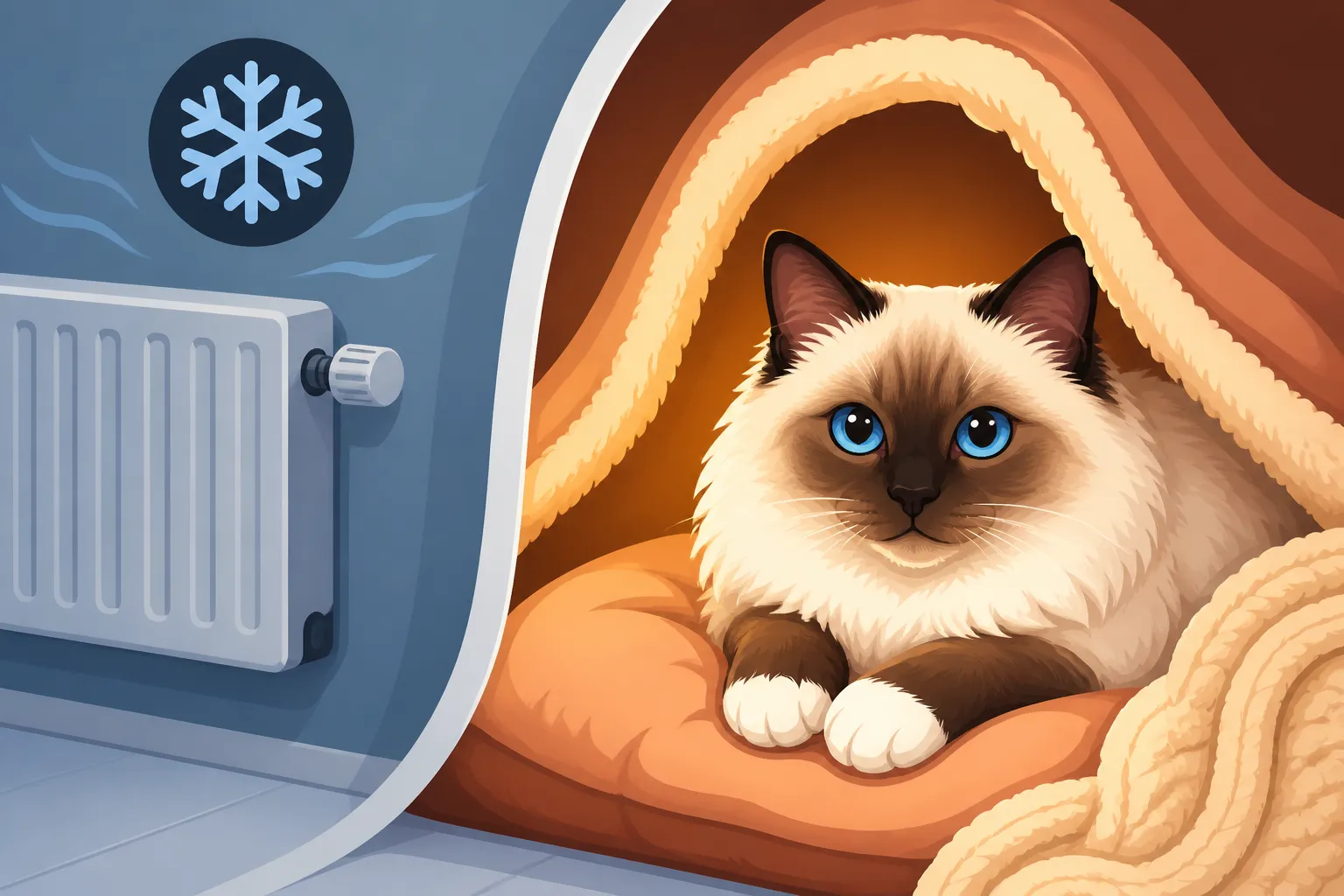
Where a Birman Goes When the Heating Goes Off
It's a common scenario in many households: as the seasons change or the cost of utilities rises, we might find ourselves turning down the thermostat, especially overnight or when we're out. For us humans, it's a simple matter of grabbing a thicker blanket or another sweater, but for our beloved Birman cats, a drop in ambient temperature can be a more significant concern. This guide will delve into understanding why your Birman might feel the chill more than other breeds, where they instinctively seek warmth when the heating goes off, and how you can ensure their comfort and well-being during cooler periods.
Understanding the Birman's Unique Coat and Cold Sensitivity
You might look at your gorgeous Birman with its long, flowing coat and assume it's built for warmth, a furry little furnace against the cold. And while that luxurious mane certainly looks impressive, the reality of a Birman's coat is quite different from what meets the eye. This unique characteristic plays a huge role in how they perceive and cope with colder environments, especially when the central heating isn't providing a consistent warmth.
The Unique Single Coat vs. Double Coats
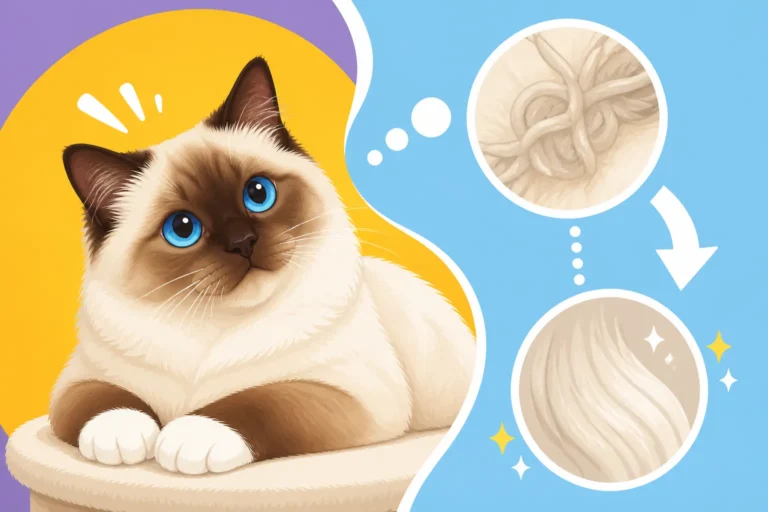
Unlike many long-haired breeds like Persians or Maine Coons, which boast a dense, woolly undercoat beneath their longer guard hairs, the Birman possesses what's known as a "single coat." This means their fur lacks that thick, insulating layer that acts like nature's thermal underwear. Their coat is wonderfully soft and silky, a true joy to run your hands through, and it certainly helps protect them from minor temperature fluctuations. However, without that robust undercoat, they simply don't have the same natural insulation.
Think of it this way: a cat with a double coat is wearing a heavy winter jacket and a thick sweater underneath. Your Birman, on the other hand, is wearing a beautifully tailored, exquisite silk blouse – elegant and lovely, but not designed for sub-zero temperatures. This difference means that while they might not mat as easily as some other longhairs, a major perk we often appreciate, they also don't trap warmth as efficiently against their skin. When the house cools down, that lack of an undercoat means their body heat dissipates more readily into the air. This isn't to say they are delicate, but it does mean they rely more heavily on external sources of warmth to maintain their comfortable core body temperature. It's why Why a Coat With No Undercoat Is Not Warm is such an important aspect of their care.
How Point Coloration Affects Heat Absorption
Another fascinating aspect of the Birman, which ties into their ability to regulate temperature, is their unique point coloration. Birmans are a "pointed" breed, meaning their extremities – face, ears, paws, and tail – are darker in color, while their body remains a lighter shade. This striking pattern is due to a temperature-sensitive enzyme that only produces pigment in cooler parts of the body.
As a Birman ages, or if they live in a consistently cooler environment, you'll often notice their points become even darker. Why a Birman's Points Darken as It Ages is a common observation among Birman owners. While aesthetically beautiful, this physiological trait has implications for warmth. Darker colors absorb more heat from sunlight or other radiant sources. So, while their pale body might not absorb much ambient warmth, those darker points can be a slight advantage if they're basking in a patch of sun. However, it's a double-edged sword: if the ambient temperature is genuinely low, those extremities can also lose heat more quickly. This means your Birman might feel the chill first in their paws or ears, driving them to seek out warmer spots to curl up. Observing these subtle changes can give you clues about their comfort levels.
Unpacking the Birman's Natural Instincts in a Cooler Home
When the furnace clicks off and the chill starts to creep in, your Birman isn't just sitting there shivering (though they might if it gets truly cold!). Like all felines, they have deeply ingrained instincts to seek out comfort and warmth. Understanding these natural behaviors can give you a significant advantage in anticipating their needs and ensuring they remain cozy and content. They are wonderfully adaptable creatures, but their methods of finding warmth are often subtle and driven by pure instinct.
Seeking Out Warm Spots and Sunbeams
The moment the ambient temperature drops, a Birman's internal thermostat kicks in, guiding them to the warmest spots available in the home. This often means following the path of the sun. Even on a chilly day, a patch of sunlight streaming through a window can feel like a luxurious personal heater to a cat. You'll often find your Birman stretched out, soaking up every last ray, their darker points possibly absorbing just a little extra warmth. This isn't just about feeling good; it's a vital part of their thermoregulation strategy.
Beyond sunlight, they'll become connoisseurs of residual heat. Have you ever noticed your Birman suddenly become inseparable from the laundry basket after you've pulled out a warm load? Or perhaps they've claimed a spot on the carpet directly above a heating vent, even when it's off, knowing that the warmth used to emanate from there? They'll gravitate towards electronics that generate a little heat, like the top of a cable box or a computer monitor. Ovens after they’ve been used, the top of a refrigerator, or even a bookshelf next to a sun-warmed wall become prime real estate. They instinctively know where the heat lingers longest, even after the main source is gone. This is also why The Birman Sits Between the Siamese and the Persian in terms of its overall temperament; it's observant and clever enough to find these spots without being overly demanding.
The Desire for Proximity to Warmth and Companionship
Perhaps even more telling than their solo sunbathing is their desire for proximity. A Birman is known for its sweet, placid, and affectionate nature. They love to be near their people, not necessarily on them, but often just a comfortable distance away. When the heating goes off, this desire for proximity often intensifies, as your body heat becomes an irresistible magnet. You might find your Birman curled up beside you on the sofa, nestled in the crook of your legs in bed, or even sleeping on your clothes pile after you’ve left them.
They aren't just seeking you for attention; they're subtly leveraging your warmth. A Birman often doesn't make a fuss or loudly demand cuddles like some other breeds might. Instead, they'll quietly insert themselves into your personal space, finding a cozy spot adjacent to you. This is a common behavior for a breed that A Birman Would Rather Be Near You Than On You. If you have other pets, especially another Birman or a calm dog, they might also seek out their companion for mutual warmth. A pile of purring, furry bodies is an excellent way to conserve heat, and they're smart enough to utilize this. It's a testament to their gentle nature that they'll often prefer to share warmth rather than complain about the cold.
Creating Warm Retreats and Cozy Microclimates
Knowing that your Birman feels the cold more acutely due to their single coat, and understanding their natural inclination to seek warmth, puts you in a perfect position to make your home a haven of comfort for them, even when the heating is off. It's all about creating deliberate "microclimates" where they can regulate their temperature independently.
The Importance of Elevated and Enclosed Beds
One of the simplest yet most effective ways to provide warmth is through strategic bedding choices. The floor, especially if it's tile or hardwood, can be surprisingly cold. Elevating your Birman's bed even a few inches off the ground can make a noticeable difference in preventing conductive heat loss from their body to the cold floor. Look for cat beds with legs, or simply place a regular bed on a sturdy stool or low table.
Even better are enclosed beds or "cat caves." These provide a sense of security and, crucially, trap a significant amount of body heat. A round, soft bed with high sides or a fully enclosed "igloo" style bed allows your Birman to curl up and create a warm pocket with their own body heat. The smaller the internal volume, the more effectively their body heat will warm the space. You can find a wide variety of these cozy options online, perhaps browsing what Chewy has available, which often come in various sizes and materials. The key is insulation and containment. Lining these beds with a fluffy blanket or a sheepskin pad will further enhance their insulating properties, giving your Birman a private, toasty sanctuary.
Heated Beds and Blankets for Extra Snuggles
When the temperatures really plummet, or if your Birman is particularly sensitive to the cold (perhaps they're older, and What an Old Birman Slows Down From First includes a reduced ability to thermoregulate), actively heated beds or blankets can be a game-changer. These are designed to provide a gentle, consistent warmth that mimics the comfort of curling up with a littermate or a warm body.
There are a couple of types to consider:
- Electric Heated Beds: These plug into an outlet and often have a low-wattage heating element that keeps the bed surface several degrees above ambient room temperature. They are usually very safe, designed for continuous use, and often come with chew-resistant cords. Place one in a favorite napping spot, like near a window or in a quiet corner of the living room.
- Self-Heating/Thermal Blankets: These don't require electricity. Instead, they contain a special insulating layer (often reflective Mylar or a similar material) that reflects your cat's own body heat back to them. They're a fantastic, energy-free option and can be tucked into existing beds, carriers, or simply laid out on the floor. You might find a good selection of these on Amazon, often labeled as "self-warming" or "thermal" pet mats.
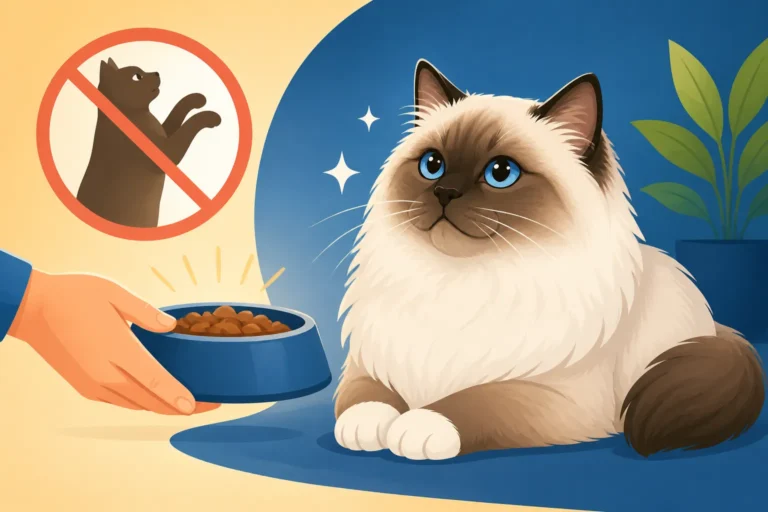
Introducing these items gently is important. Let your Birman explore it on their own terms. You can place a favorite toy or a treat on it to encourage investigation. Once they discover the comforting warmth, you might find they become its biggest fan!
Strategic Placement of Sleeping Areas
Where you place your Birman's various beds and resting spots is just as important as the type of bed itself. Think about where cold drafts might enter the house and avoid placing beds directly in those paths. Windows can be wonderful for sunbathing, but they can also be sources of chill. If a window is drafty, ensure the bed is pulled back a bit or covered with a thick curtain at night.
Consider rooms that tend to retain heat better, such as inner rooms or those that get afternoon sun. Placing beds in elevated spots, like on a cat tree perch (if your Birman enjoys them, though Why a Birman Stops Halfway Up the Cat Tree often means they prefer lower spots), can also help, as warmer air rises. A favorite spot for many Birmans is the back of a sofa, especially one that faces a wall. This provides elevation, some insulation from behind, and often proximity to a warm human. A cozy box with a blanket inside, placed in a sheltered corner, can also become an instant hit. The goal is to provide multiple options so your Birman can choose their ideal warm haven at any time of day or night.
Nutritional Support for Thermoregulation and Health
It might not be the first thing you think of when the house gets chilly, but your Birman's diet plays a crucial role in their ability to stay warm and maintain overall health. Just like humans, a well-nourished cat is better equipped to handle environmental stressors, including lower temperatures. Calories provide the energy for all bodily functions, including generating body heat.
Maintaining Energy Levels in Cooler Temperatures
In colder environments, a cat's body naturally expends more energy to maintain its core temperature. This means that if your house is consistently cooler, your Birman might actually need a slight increase in their caloric intake. This isn't about overfeeding, but rather ensuring they have enough fuel to generate the necessary warmth. Discussing this with your vet is always a good idea, as individual needs vary based on age, activity level, and existing health conditions.
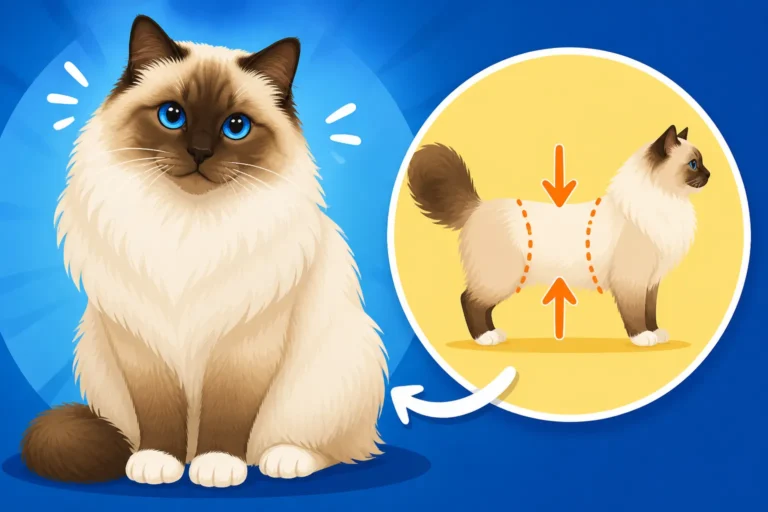
Focus on a high-quality, protein-rich diet. Protein is essential for muscle maintenance, which in turn contributes to overall metabolic rate and heat production. Look for cat foods with real meat as the first ingredient. Fresh, nutrient-dense meals can be an excellent option for supporting their energy requirements and coat health. Regularly monitoring their weight is critical. You want them to be well-fed and have a healthy fat layer for insulation, but not overweight, which brings its own set of health problems. A healthy Birman will feel sturdy, and you should be able to How to Feel a Birman's Ribs Under a Silky Coat.
Hydration and Kidney Health in the Birman
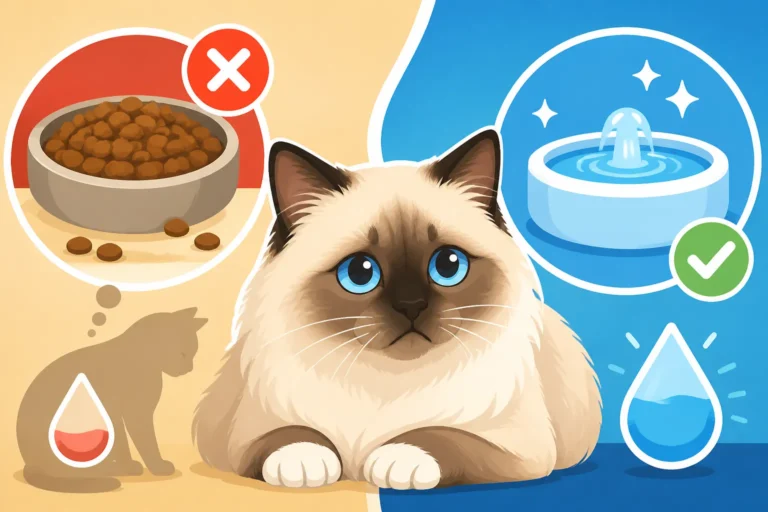
While we're talking about staying warm, it's also important to touch upon hydration, especially with the Birman's known history of certain kidney-related concerns. Adequate water intake is always vital, but perhaps even more so when the air might be drier from any residual heating, or when a cat might be less inclined to drink cold water. Good hydration supports kidney function and overall organ health, which are crucial for a healthy metabolism and the body's ability to regulate temperature effectively.
Consider offering multiple water sources around the house. Ceramic or stainless steel bowls tend to keep water cooler and fresher than plastic. A filtered water fountain can also be incredibly appealing to many cats, encouraging them to drink more frequently due to the circulating, aerated water. This is particularly beneficial as Why a Birman's PKD History Makes Water Intake Matter. If your Birman doesn't seem to be drinking much from standing bowls, a fountain can often spark their interest. You can find a range of options on platforms like Amazon or Chewy. Additionally, incorporating wet food into their diet is an excellent way to boost their daily fluid intake, as wet food contains a high percentage of moisture.
Behavioral Indicators and Comfort Measures
Your Birman, with its placid and undemanding temperament, might not loudly protest if they're feeling a bit chilly. This means you need to be observant and tune into their subtle cues. Knowing what to look for can help you intervene quickly and provide the comfort they need before they become genuinely uncomfortable or stressed.
Recognizing Signs of Cold Stress
While a Birman won't typically shiver violently like a dog might, there are several signs that indicate they are feeling too cold. One of the most common is a change in their sleeping posture. A cat that is comfortably warm will often stretch out, sometimes even on their back with paws in the air. A cold cat, however, will typically curl into a tight ball, tucking their paws and tail close to their body to minimize heat loss. They might also try to find the absolute smallest, most enclosed space available to huddle.
Another indicator can be a decrease in activity. If your usually playful Birman seems more lethargic, less interested in toys, or just generally quieter than usual, it could be a sign they're conserving energy to stay warm. Their ears or paw pads might feel cooler to the touch than usual. If they're frequently seeking out direct human contact (more so than their usual affectionate nature) or constantly trying to burrow under blankets or laundry, they're likely telling you they're cold. It's a gentle request for more warmth. Remember, Why a Quiet Birman Is Easy to Misread, so pay close attention to these subtle shifts.
Interactive Play to Generate Body Heat
While conserving energy is a natural response to cold, gentle interactive play can actually be a beneficial way to help your Birman generate a little internal warmth. Physical activity increases blood flow and metabolic rate, which in turn produces body heat. This isn't about exhausting them, but about encouraging short bursts of movement.
Think about wand toys or laser pointers that get them moving and pouncing without requiring intense, prolonged effort. Short play sessions of 5-10 minutes, a few times a day, can make a difference. These activities also serve a dual purpose: they provide mental stimulation and strengthen your bond, which are important for a Birman's overall well-being regardless of temperature. After a play session, they might be more inclined to curl up in one of their warm retreats, feeling toasty and content. Just be sure not to overdo it, especially if they are older or have underlying health conditions; the goal is gentle warmth, not exhaustion.
Here's a quick comparison of popular warmth solutions for your Birman:
| Solution Type | Description | Pros | Cons | Ideal Use Case |
|---|---|---|---|---|
| Enclosed Cat Beds | Igloo-style, cave beds, or beds with high sides | Traps body heat, provides security, no electricity needed | Can be ignored if not preferred, needs regular cleaning | Primary cozy spot, draft protection |
| Self-Heating Blankets | Reflective material returns body heat, no power required | Energy-free, portable, can be added to existing beds | Less intense warmth than electric, some cats dislike texture | Layering in beds, carriers, travel |
| Electric Heated Beds | Plugs in for consistent, low-level warmth | Reliable heat source, good for very cold environments | Requires electricity, chew-resistant cords a must | Dedicated cold-weather spot, older cats |
| Human Body Warmth | Cuddling with owner on sofa or in bed | Free, provides comfort and bonding, highly effective | Not always available, can limit human movement | Supplemental warmth, strong bond building |
| Sunny Spots | Areas where sunlight streams through windows | Free, natural, often preferred by cats | Only available at certain times/days, not always reliable | Passive warmth, natural behavior support |
| Warm Food/Water | Slightly warmed wet food, multiple water stations (fountain) | Aids internal thermoregulation, boosts hydration | Requires effort, not a primary heat source | Overall health, hydration, internal comfort |
Keeping your Birman comfortable when the heating goes off doesn't require a complete overhaul of your home, but rather a thoughtful approach to their specific needs. By understanding their unique coat, respecting their natural instincts, and providing them with cozy, warm alternatives, you can ensure your gentle companion stays happy and healthy, no matter the thermostat setting.
Disclaimer
This article is for general informational purposes only and does not constitute professional advice. Laws, prices and regulations vary by location and change over time. Consult a qualified professional for guidance on your specific situation.