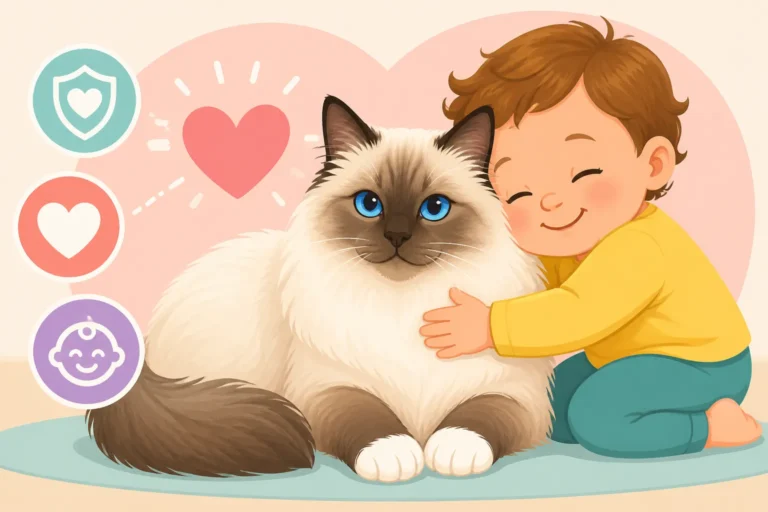
The Birman Sits Between the Siamese and the Persian
Many potential cat parents find themselves torn between the exuberant, vocal personality of a Siamese and the serene, often reserved demeanor of a Persian. You might love the idea of a cat that interacts, but worry about constant noise, or you might appreciate calm but fear an animal that's too aloof. This guide is here to shed light on the Birman cat, a breed that gracefully navigates this spectrum, offering a unique blend of affectionate companionship without the extremes. We're going to explore what makes the Birman truly the "middle cat" and how their temperament perfectly suits a wide range of households seeking a devoted, yet undemanding, feline friend.
Understanding the Birman's Unique Temperament Spectrum
When people talk about cat personalities, they often gravitate towards poles: the boisterous, conversational breeds on one side, and the quiet, independent types on the other. For many, finding a happy medium seems like an impossible dream. This is precisely where the Birman shines, offering a temperament that feels like a carefully crafted blend, a true middle ground that surprises and delights those who take the time to understand it.
The "Middle Cat" Archetype
The Birman has earned its affectionate nickname, the "middle cat," for a very good reason: it’s neither an attention-seeking missile nor a decorative statue. If you're envisioning a cat that will constantly demand your lap or loudly narrate its day, you might be looking at a Siamese. If your ideal companion is a quiet presence that you admire from afar, perhaps a Persian comes to mind. The Birman, however, offers a harmonious balance. It desires your company, enjoys interaction, and communicates its needs, but all within a framework of gentle politeness. They aren't prone to frantic bursts of energy that leave a trail of chaos, nor are they so placid that you wonder if they're actually enjoying themselves. They simply exist in a state of contented grace, deeply attuned to their human companions without ever being overwhelming. This balanced nature makes them incredibly adaptable to various household dynamics, ensuring they can be both a quiet comfort and an engaging playmate, depending on the moment. In essence, The Birman Sits Between the Siamese and the Persian in a way that truly offers the best of both worlds.
Genetic Echoes of Ancestry
The Birman's unique temperament isn't just a happy accident; it's a fascinating byproduct of its history and the careful breeding that brought it back from the brink. The breed faced near extinction after the Second World War, dwindling to just a handful of individuals. To save them, breeders had to introduce other breeds to widen the gene pool and ensure the Birman's survival. This period of reconstruction, while necessary, wasn't without its lasting impacts, both physical and behavioral. The cats chosen for these outcrosses were primarily Persians and Siamese, which makes perfect sense when you observe the modern Birman. Which Breeds Were Crossed In to Save the Birman during this critical time fundamentally shaped the Birman we know today.
These ancestral influences are deeply embedded in the Birman's genetic makeup, manifesting not just in their striking appearance – the pointed coat and deep blue eyes from the Siamese, the long, silky hair and sturdy build from the Persian – but also in their behavioral tendencies. You see the echoes of the Siamese in their intelligence and gentle curiosity, their desire to be involved in household activities, and their subtle vocalizations. Simultaneously, the Persian influence is evident in their calm demeanor, their preference for lounging nearby rather than being constantly on the move, and their overall serene disposition. It’s a testament to the dedication of early breeders that they managed to weave these distinct personalities into a cohesive, wonderfully balanced whole, creating a cat that embodies the finest traits of its diverse lineage.
The Siamese Influence: An Echo, Not a Shout
While the Birman doesn't possess the dramatic vocal prowess of a full-blooded Siamese, there's an undeniable undercurrent of that famous breed's intelligence and social engagement. It's as if the volume knob was turned down, but the desire for connection remained beautifully intact.
Communicative, But Never Demanding
If you've ever lived with a Siamese, you know their reputation for being incredibly vocal – they'll tell you about their day, your day, and probably their opinions on the neighbor's cat at full volume. The Birman, on the other hand, inherited a much softer, more refined approach to communication. They do talk, but it's often a gentle trill, a soft chirp, or a quiet murmur that you have to lean in to hear. The Small Trill a Birman Uses Instead of a Meow is their signature sound, a charming little conversational nugget rather than a demanding yell. They might greet you at the door with this soft greeting, weaving around your legs, or offer a quiet comment when you walk into a room.
They express their desire for interaction not through incessant meowing, but through their presence. A Birman will often follow you from room to room, settling quietly nearby as you go about your tasks. This isn't clinginess, but rather a desire to be part of your world, an ever-present, gentle shadow. They might sit on the bathroom rug while you shower, or perch on the kitchen counter (if allowed!) to "supervise" your cooking. This constant, yet unobtrusive, companionship is a hallmark of the breed. They seem to understand that merely being near you is connection enough, and they rarely feel the need to escalate their requests. It's a truly remarkable trait that How a Birman Follows You Room to Room speaks volumes about their devotion without ever raising their voice, setting them apart from the more boisterous breeds. They've clearly inherited the social intelligence of their Siamese ancestors, but wisely opted for a more serene delivery.
Curiosity and Engagement
Just like their Siamese cousins, Birmans possess a keen intellect and a natural curiosity about their environment. However, their expression of this curiosity is, again, far more subdued. You won't typically find a Birman systematically dismantling your kitchen cupboards or scaling bookshelves to explore the highest reaches. Instead, their engagement is more observational and gentle. They are keen watchers, often perched on a sofa back or a lower cat tree tier, diligently surveying the goings-on in the household. They'll track a bird outside the window with intense focus or meticulously watch you unload groceries, mentally cataloging each item.
Their involvement in your daily life is often expressed through this quiet supervision. If you're working on a puzzle or reading, a Birman might subtly place themselves near you, observing your movements with an intelligent gaze. They might offer a gentle paw tap or a soft head-butt as a quiet invitation for a moment of attention, but it's never an insistent demand. They enjoy interactive play, especially with wand toys that mimic prey, but they don't generally require constant, high-energy stimulation. Instead, they thrive on a steady stream of gentle engagement, happy to participate in your activities from a comfortable, appreciative distance. This thoughtful curiosity means they are rarely bored or destructive; they simply find endless fascination in the rhythms of their human family.
The Persian Serenity: Calmness and Companionship
On the other side of the Birman's temperament coin lies the profound influence of the Persian. This heritage imbues them with a calm, placid nature that makes them incredibly peaceful companions, masters of the quiet art of simply being.
A Contented Presence, Not a Lap Inhabitor
While many cats are famous for being "lap cats," the Birman often takes a slightly different approach. They adore human company, deeply valuing proximity and physical closeness, but they frequently express this by settling next to you rather than directly on you. You might find them curled up on the adjacent sofa cushion, draped across the back of your armchair, or stretched out on the footrest while your feet are up. A Birman Would Rather Be Near You Than On You is a truism for many Birman owners. It's not that they don't enjoy a cuddle – they absolutely do, and will melt into your arms for a good petting session – but their default mode of companionship is often a comforting presence beside you.
This preference for being with you, rather than on you, makes them incredibly easy to live with, especially for those who appreciate feline affection without the constant weight or demand for attention that some other breeds might present. They become a warm, soft fixture in your personal space, a silent testament to their devotion. Imagine settling down for an evening with a book; your Birman is likely to be found quietly purring in a spot just within reach, offering a sense of peace and companionship that enriches the entire room. This is the essence of their deep connection: a gentle, unwavering presence that asks for nothing more than to share your space and your quiet moments. Indeed, The Birman Sits Against Your Leg, Not on Your Lap exemplifies their style of affectionate companionship.
Placid Nature and Resilience
The Persian influence is perhaps most evident in the Birman's remarkably placid and serene nature. These cats are generally unflappable, taking most of life's minor disruptions in stride. They are not typically prone to sudden anxieties, skittish reactions, or dramatic outbursts. This calm disposition makes them wonderfully adaptable to various home environments and situations. A new visitor won't send them scrambling under the bed; they'll often come out to observe, perhaps from a comfortable distance, and may even venture closer for a gentle sniff. This inherent calmness is a huge part of their appeal, fostering a peaceful atmosphere in any home they inhabit.
However, this placid temperament, while a blessing in many ways, can also be a hidden challenge for owners. Birmans are incredibly stoic animals, and this resilience means they often excel at masking discomfort or illness. They won't always cry out or display obvious signs of pain, preferring instead to withdraw slightly or become unusually quiet. Why a Placid Birman Hides Pain is a critical point for any Birman owner to understand, as it requires a keen eye and attentiveness to subtle behavioral changes. Despite their general robustness, their quiet nature means that owners must be diligent about regular vet check-ups and mindful of any shifts in routine, appetite, or activity levels, as these can be the only indicators that something is amiss.
Living in the Middle: Daily Life with a Birman
Bringing a Birman into your home means welcoming a cat that beautifully balances the energetic and the serene. Their daily rhythm is a testament to their "middle cat" nature, making them perfect companions for a variety of lifestyles.
Balancing Activity and Rest
A Birman's day is a harmonious blend of quiet observation, gentle play, and luxuriously long naps. They are not cats that will demand constant entertainment, nor will they disappear into the shadows for hours on end, only to reappear for meal times. Instead, they enjoy being a part of your daily rhythm, adapting their activities to match your own. Mornings might involve a short, playful chase after a toy mouse, followed by a sun-drenched nap in a favorite spot. Afternoons could see them supervising your activities from a cozy perch or engaging in a polite "conversation" with a bird outside the window. How a Birman Splits Its Day Between Sleep and Company is a perfectly balanced affair, ensuring they get enough rest while still remaining deeply connected to their human family.
When it comes to play, Birmans appreciate interactive sessions, but these are typically shorter and less intense than what you might experience with a more high-energy breed. They'll enjoy a ten-minute wand-toy session, then happily curl up for another nap, content and fulfilled. They thrive in environments that offer both opportunities for gentle mental and physical engagement, as well as plenty of soft, warm spots for their inevitable rest periods. Their ideal home provides soft blankets, a few well-placed cat beds (perhaps from a selection you browsed on Amazon), and a quiet space to retreat, ensuring they can enjoy both their active moments and their cherished tranquility.
The Routine Seeker
While Birmans are adaptable, they genuinely appreciate and thrive on routine and predictability. They are creatures of habit who find comfort in knowing what to expect from their day. Consistent feeding times, regular play sessions, and established interaction patterns help them feel secure and content within their environment. When their world is structured, even gently, their serene temperament truly shines. They become adept at anticipating these routines, perhaps appearing expectantly in the kitchen a few minutes before breakfast or settling onto the sofa when they know it's time for evening cuddles.
Minor deviations from the norm are usually handled with grace; a Birman is rarely thrown into a panic by a missed play session or a slightly delayed dinner. However, significant changes or prolonged disruptions can be more challenging for them. A major house move, the introduction of a new pet without proper preparation, or a prolonged absence of their primary caregiver can cause stress. What a Stressed Birman Does can manifest in subtle ways, such as a slight decrease in appetite, increased hiding, or a change in grooming habits. Their placid nature means they often internalize stress rather than acting out dramatically. Therefore, maintaining a consistent and loving environment goes a long way in ensuring your Birman remains the calm, happy companion you adore, easily integrating into the fabric of family life as a comforting and beloved presence.
Social Dynamics: Birman with Family, Kids, and Other Pets
The Birman's balanced temperament extends beautifully into its social interactions, making it an exceptional choice for a wide variety of households, including those with young children and other animal companions. Their gentle nature and remarkable adaptability truly set them apart.
The Family Cat
If you're looking for a cat that will seamlessly integrate into a bustling family environment, look no further than the Birman. While they often form a special bond with one primary caregiver, they extend their affection and tolerance to everyone in the household. They're not "one-person cats" in the exclusive sense; they simply have a favorite human they might seek out first for cuddles, but will happily accept attention from anyone offering it. This inclusive nature makes them truly beloved family members.
Their patience with children is legendary. They are renowned for being incredibly tolerant, preferring to gracefully withdraw from an overly enthusiastic toddler rather than resorting to claws. Why a Birman Tolerates Toddlers is rooted in their gentle disposition and their tendency to walk away from perceived threats or annoyances rather than engaging aggressively. You'll rarely hear a Birman hiss or swat unless truly cornered or frightened. This gentle spirit is why How Rarely a Birman Puts a Claw Into Anyone is often highlighted by breeders and owners alike. They are often recommended as a perfect "starter cat" for families, due to their calm demeanor and loving nature. Indeed, Why a Birman Is the Cat Families Are Told to Get because they bring so much joy and so little drama to a home, making them ideal companions for those with young ones.
Harmonious with Other Animals
The Birman's agreeable nature doesn't stop with humans; they also tend to be highly adaptable when it comes to living with other pets. They are not typically territorial or aggressive, and with proper, slow introductions, they often form genuine bonds with other animals, both feline and canine. If you have a calm, cat-friendly dog, a Birman will often settle in alongside them remarkably quickly, perhaps sharing a sunbeam or a favorite sleeping spot. Why a Birman Settles Next to a Calm Dog is a common experience for owners who take the time to introduce them properly.
For households considering multiple cats, the Birman is an excellent choice as a companion to another feline. They genuinely seem to thrive with another cat around, benefiting from the social interaction and company, especially if you work long hours. Why a Birman Does Better With Company is a sentiment frequently expressed by breeders and experienced owners, and it's not uncommon for Why Birman Breeders Often Sell Two Kittens Together because they understand the profound positive impact a feline companion can have on a Birman's overall well-being. Their gentle play style and non-confrontational approach make them ideal partners for peaceful cohabitation, turning your home into a harmonious haven for all its furry residents.
Enrichment and Play: Meeting a Birman's Moderate Needs
When it comes to playtime and mental stimulation, the Birman's "middle cat" personality once again dictates a balanced approach. They aren't going to be scaling your drapes like a circus performer, nor will they ignore every toy you present. Instead, they appreciate gentle, interactive engagement that respects their elegant, unhurried pace.
Gentle Play, Engaging Toys
Birmans definitely enjoy playtime, but their style is typically calm and refined. Think graceful pounces and swatting, rather than frantic acrobatics. They don't usually need vigorous, prolonged play sessions to feel satisfied. Instead, they thrive on shorter, consistent bursts of activity that engage their natural hunting instincts without overwhelming them. Feather wands are often a huge hit, allowing them to stalk, pounce, and "catch" their prey in a dignified manner. Soft, lightweight balls or crinkle toys they can bat around are also popular, as are small plush mice they can carry around in their mouths. Which Toys Suit a Birman That Plays Quietly are usually those that mimic natural prey movements or offer a gentle challenge. You can find many suitable wand toys and treat dispensers on Amazon that cater to their preferences.
Puzzle feeders that require a bit of thought but aren't overly complicated can also provide excellent mental stimulation, rewarding their quiet intelligence. It's important to remember that Why a Birman Plays Gently is a characteristic of the breed, meaning you won't often see them roughhousing or engaging in aggressive play. They prefer a more refined interaction, often using their paws delicately and keeping their claws sheathed. This makes playtime a relaxed and enjoyable experience for both cat and owner, fostering bonding without excessive energy demands. Even older Birmans will often maintain an interest in these gentle games, helping to keep their minds and bodies active.
Vertical Space and Observation
Unlike some breeds that live to climb to the highest possible point in a room, Birmans have a more modest appreciation for vertical space. They certainly enjoy elevated perches, but their preferences lean towards mid-height levels that offer a good vantage point for observing household activities, rather than extreme heights. A sturdy cat tree with comfortable platforms, perhaps two to three feet off the ground, or a well-placed window perch, will be highly utilized. They love to oversee their domain, feeling secure in an elevated position, but they don't necessarily feel the urge to conquer the ceiling.
Why a Birman Stops Halfway Up the Cat Tree is a common sight – they'll find a cozy hammock or a carpeted shelf that offers a good view of the action and settle there contentedly. They're more about comfort and observation than about challenging feats of agility. Therefore, when furnishing your home for a Birman, focus on accessible, comfortable perches that allow them to feel included without demanding excessive jumping or climbing. A soft blanket on top of a bookshelf (if stable) or a sturdy, mid-level cat condo placed near a window will likely be far more appreciated than the tallest, most elaborate climbing structure. Why a Birman Prefers Mid Height to the Ceiling is simply part of their balanced, serene nature; they want to be close enough to participate, but not so high that they're detached from the family hub.
Managing Stress and Change: The Sensitive Side of a Birman
Despite their placid and adaptable nature, Birmans are not immune to stress. Their very calmness can sometimes mask underlying anxieties, making it crucial for owners to be attuned to subtle signs that their feline friend might be feeling unsettled.
Signs of Discomfort
Birmans are famously stoic, which means they rarely display overt, dramatic signs of stress like excessive vocalization, aggression, or destructive behavior. Instead, their discomfort often manifests in far more subtle and internalized ways. A common early indicator of stress can be a change in appetite; they might eat less, or even stop eating altogether. Why a Birman's Appetite Goes First When It Is Unsettled is a key sign to watch for. Another subtle clue is overgrooming, where a Birman might start licking or pulling out patches of their fur, creating bald spots. What Overgrooming Means in a Birman is often a self-soothing behavior in response to anxiety or discomfort.
You might also notice a Birman becoming more withdrawn, spending more time hiding under furniture or in secluded spots, rather than engaging with the family. Why a Birman That Hides Under the Bed Needs a Vet is a serious warning sign, as persistent hiding often indicates either pain or significant psychological distress. They might also become less playful, less interactive, or simply seem "off" from their usual contented self. Because they are not typically demonstrative, these quiet shifts in behavior are their way of communicating that something is wrong. Understanding How a Birman Behaves When Ignored is also important, as persistent subtle attempts at communication going unnoticed can contribute to their stress. As their caregiver, becoming adept at reading these nuanced signals is vital for their well-being.
Creating a Secure Environment
Given their propensity to internalize stress, creating a stable, secure, and predictable environment is paramount for a Birman's happiness. Routine is their best friend, providing a framework of predictability that helps them feel safe and in control. When introducing any significant changes, whether it's new furniture, a new pet, or a house move, a gradual and thoughtful approach is essential. For instance, if you're moving, preparing a quiet "safe room" for them in the new house, filled with familiar scents and items, can greatly ease their transition. How Long a Birman Takes to Settle After a Move can vary, but a structured approach can definitely help.
Providing secure, private retreats where your Birman can escape and feel safe is also crucial. This could be a cozy cat cave, a high-sided bed, or even a simple box tucked away in a quiet corner. For managing general anxiety or during periods of change, some owners find pheromone diffusers helpful; you can often find these, along with calming beds, on Amazon. Minimizing loud noises and sudden disruptions whenever possible also contributes to their sense of security. Ultimately, a Birman thrives in a calm and loving home where their quiet needs for companionship and stability are consistently met, ensuring they remain the serene and devoted companion they are meant to be.
The Lifelong Companion: Birman Behavior Through the Years
The journey with a Birman is a delightful one, marked by a gentle evolution of their temperament from kittenhood into their golden senior years. Understanding these changes can deepen your bond and allow you to provide the best care throughout their life.
Kittenhood to Adulthood
Birman kittens are undeniably charming, embodying a playful curiosity while still maintaining a calmer demeanor than many other breeds. While they certainly have their moments of kittenish exuberance, chasing toys and pouncing with enthusiasm, their play is rarely overly rough or destructive. How Rough a Birman Kitten Plays is generally quite gentle, often preferring soft paws and playful nips to sharp claws. They enjoy interactive games but don't typically exhibit the boundless, non-stop energy that can characterize some high-octane kitten breeds. This makes them relatively easy to manage even in their early months, as they learn boundaries quickly and respond well to gentle guidance.
A fascinating aspect of Birman development is their slow maturation. They often retain their playful, kitten-like qualities for longer than many other cats, continuing to "fill out" and reach their full physical and emotional maturity around three years of age. Why a Birman Matures Slowly is a common observation among breeders, meaning you get to enjoy their youthful charm for an extended period. During this time, their unique blend of calm curiosity truly solidifies, establishing the loving, composed personality they will carry into adulthood. This gradual development allows owners ample time to bond with their growing Birman, fostering a deep and lasting connection built on mutual understanding and affection.
The Graceful Senior
As Birmans gracefully age, their temperament tends to become even more placid and serene. The gentle energy of their younger years mellows into a profound calmness, often accompanied by an increased desire for warmth and comfort. You'll find your senior Birman spending more time curled up in sunbeams, in soft beds, or perhaps most notably, closer to you. Why an Old Birman Sleeps Closer to You is a touching expression of their continued affection and their increasing need for security and warmth as their bodies become less efficient at regulating temperature. They cherish physical closeness and gentle petting, often purring deeply in response to your touch.
While their play sessions may become shorter and less frequent, Birmans often retain an interest in quiet, interactive games well into their senior years. A gentle feather wand or a puzzle feeder that isn't too challenging can still spark their curiosity and provide valuable mental and physical enrichment. Which Games Still Interest a Birman Past Twelve are typically those that require minimal exertion but still engage their minds. As their mobility might decrease, ensuring easy access to their favorite resting spots and litter boxes becomes important. A soft, warm bed, perhaps from Amazon, can make a significant difference in their comfort. Providing continued companionship, a stable routine, and extra comfort helps your senior Birman thrive, allowing you to cherish their gentle presence and unwavering affection through their golden years.
| Temperament Trait | Birman | Siamese | Persian |
|---|---|---|---|
| Vocalization | Gentle trills, chirps, quiet murmurs | Loud, frequent, demanding meows, "talking" | Very quiet, soft meows, often silent |
| Activity Level | Moderate; playful but not overly energetic | High; very active, needs lots of stimulation | Low; placid, enjoys lounging |
| Affection Display | Proximate; next to you, gentle head-butts | Demanding; on your lap, constant attention | Reserved; enjoys quiet petting, independent |
| Social Needs | Enjoys company, good with other pets & kids | Highly social, can be clingy, needs interaction | Independent, can be happy alone, tolerates others |
| Response to Change | Adaptable but sensitive to major shifts | Can be sensitive, may vocalize stress | Generally calm but prefers routine |
| Curiosity | Observational, intelligent, gentle explorer | Highly curious, mischievous, actively investigates | Observational, less inclined to explore actively |
Disclaimer
This article is for general informational purposes only and does not constitute professional advice. Laws, prices and regulations vary by location and change over time. Consult a qualified professional for guidance on your specific situation.