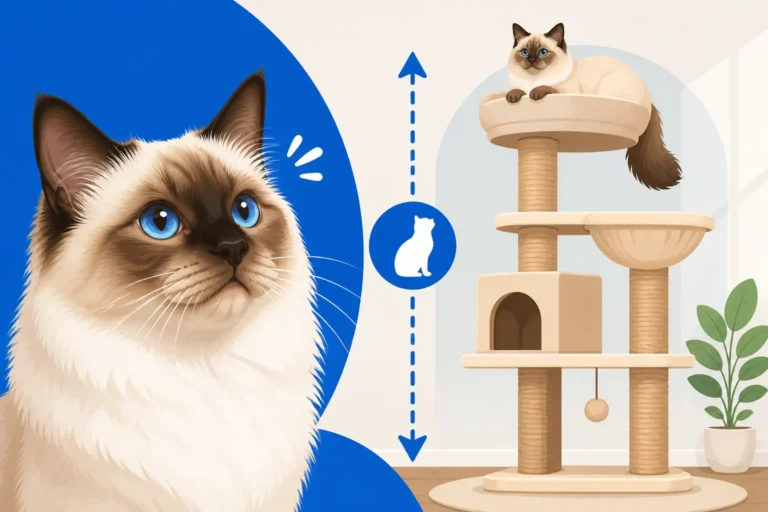
Why a Birman Picks One Person and Still Likes Everyone
It's a common dilemma for cat parents: you bring a new furbaby home, and while you adore them, you quickly notice they seem to gravitate towards one specific person in the household. It can feel a little bittersweet, especially if you're not the chosen one! We often hear that cats are aloof, or that they pick one person and completely ignore the rest. While some breeds certainly lean into that stereotype, the beautiful Birman has a wonderfully nuanced way of forming bonds, often "choosing" a special human while still showering affection on everyone else. This guide will delve into the Birman's unique social dynamics, helping you understand how these sacred cats navigate their relationships within your home.
The Birman Social Nature: A "Middle Cat" Tendency
The Birman cat is often affectionately dubbed the "middle cat" among its long-haired and pointed cousins, and it's a title they wear with grace. They aren't as boisterous or demanding as some Siamese, nor are they as famously sedentary as certain Persians. Instead, Birmans offer a beautiful balance, making them incredibly adaptable and a joy to live with. This middle-ground nature extends deeply into their social interactions, shaping how they bond with their families.
Balancing Independence and Affection
Unlike some breeds that might glue themselves to your hip or constantly demand attention, a Birman often strikes a delightful balance between wanting to be near you and being perfectly content to simply exist in your orbit. They love company, truly, but it's often a quiet, reassuring presence rather than an insistent demand for interaction. You might find your Birman curled up on the sofa next to you, not on your lap, or following you from room to room just to be in the same space. It's a subtle form of affection that speaks volumes about their trust and contentment.
This isn't to say they don't enjoy a good cuddle or a vigorous play session, but they rarely impose their will. They are experts at the 'silent ask' – a gentle rub against your leg, a slow blink, or a quiet trill that lets you know they appreciate your presence. This respectful approach to interaction is one of the hallmarks of the breed. They appreciate being included without needing to be the constant center of attention. They understand the rhythm of a household and adapt themselves to it, making them wonderfully easy companions. Why a Birman Follows You Without Demanding Anything really gets into this gentle characteristic.
The Legacy of Their Temperament
The Birman's amiable and balanced temperament isn't an accident; it's a deeply ingrained trait that has been cultivated over generations. Bred for companionship and known for their placid disposition, these cats have always been valued for their calm and loving nature. Their historical roots, steeped in legend as temple cats, speak to a breed accustomed to harmonious cohabitation and a gentle, observant presence. This deep-seated trait ensures that while they might develop a particular affinity for one person, their fundamental nature is one of kindness and sociability towards all.
This inherent gentleness means that Birmans are generally not prone to aggression or extreme shyness. They are usually even-tempered, taking new situations and people in stride. This allows them to form connections with multiple individuals without feeling overwhelmed or threatened. Their quiet confidence allows them to assess new faces and choose when and how to engage, making their eventual interactions with guests or other family members all the more genuine. It's this beautiful blend of self-possession and inherent sweetness that truly defines the Birman's social profile. The Birman Sits Between the Siamese and the Persian offers a great comparison of their unique middle-ground traits.
The Art of Choosing Their Person
So, if Birmans are so universally friendly, how do they end up "picking" one person as their special human? It's not about exclusion, but rather about a deeper level of comfort, understanding, and often, shared routine. Their chosen person often becomes their anchor, the one they return to for reassurance, comfort, and a certain kind of unspoken understanding.
Subtle Cues and Quiet Bonds
A Birman doesn't typically announce their chosen person with dramatic fanfare or exclusive demands. Instead, their preference emerges through a myriad of subtle cues that, once you learn to recognize them, are deeply heartwarming. They might seek out this person's lap first, or choose to sleep closer to them at night. When their chosen human enters a room, the Birman might offer a special, soft trill or a more direct, inquisitive gaze. It’s not about ignoring others, but about reserving a certain level of intimate, quiet interaction for their preferred human.
This bond often forms over time, solidified by consistent, gentle interactions. Perhaps their chosen person is the one who feeds them regularly, or engages them in their favourite feather wand games. Maybe it’s the person whose voice is particularly soothing, or who instinctively knows just the right spot for a head scratch. These aren't grand gestures; they are the accumulation of countless small moments of shared peace and understanding. The Birman, being an observant and sensitive creature, registers these connections deeply. Why a Birman Follows You Without Demanding Anything highlights this non-demanding yet loyal nature perfectly.
Consistency and Routine as Connectors
For a Birman, consistency and routine are often key ingredients in forming that special bond. Cats thrive on predictability, and Birmans are no exception. The person who consistently provides their meals, offers regular grooming sessions, or initiates play at similar times each day often becomes the central figure in their predictable world. This doesn't mean other family members aren't involved, but the chosen person becomes the reliable constant, the one whose presence signals security and comfort.
Think about your daily life. Is there one person who consistently greets the Birman first in the morning, or who is always home at a specific time? These consistent anchors build trust and familiarity, allowing the Birman to feel safe and connected. Even something as simple as the same person refilling their water fountain or scooping their litter box can contribute to this sense of a special routine. Birmans are creatures of gentle habit, and the person who seamlessly integrates into these habits, often without even realizing it, often becomes their quiet confidante.
Affection for All: Beyond Their Chosen Human
Here's where the Birman truly shines and defies the typical "one-person cat" stereotype. While they may have a primary human, their capacity for affection genuinely extends to everyone in the household, and even to respectful visitors. They are not exclusionary by nature; rather, they simply have a hierarchy of affection, with their chosen person at the top, but a broad base of love for everyone else.
Greetings for Guests and Family Members
One of the most charming traits of a Birman is their generally welcoming nature towards guests. Unlike some cats that bolt under the bed at the first sign of a doorbell, a Birman is often curious and will cautiously emerge to assess newcomers. They might not immediately jump into a stranger's lap, but they will often observe from a nearby vantage point, slowly deciding if an approach is warranted. Once they deem a guest safe, they might rub against their legs, accept a gentle stroke, or even settle down nearby. How a Birman Comes Out to Meet Strangers delves deeper into this engaging trait.
This open-heartedness is even more evident with other family members. While they might seek out their primary human for deep cuddles, they will happily accept attention from anyone who offers it respectfully. Children who understand how to interact gently with a cat often find a Birman to be a patient and tolerant companion. An elderly relative visiting might find the Birman quietly settling beside them for a nap, offering a comforting presence without being demanding. It's a beautiful expression of their innate sociability.
Sharing Space, Not Just Scraps
Birmans are not just tolerant of others; they actively enjoy sharing their space with their human family, regardless of who is their "number one." You'll often find them wherever the action is, whether it's observing meal prep from a safe distance, napping on a sunny spot in the living room while the family watches TV, or simply stretching out on a bed in a room where someone is working. They thrive on being part of the family unit, even if it means simply being a quiet, warm presence in the background.
This shared presence is a testament to their desire for companionship. They don't need to be constantly interacting or on your lap to feel connected. Just knowing you're nearby, hearing your voice, or feeling your presence is often enough. This makes them ideal pets for households where everyone wants a connection with the cat, but perhaps only one person has the time or inclination for intense, prolonged one-on-one sessions. You can find many cozy beds and cat trees on Amazon that encourage this shared space philosophy, offering comfortable spots for your Birman to observe or rest near you.
Birman Friendships with Other Pets
It's not just humans that Birmans welcome into their social circle. Their placid and adaptable nature often extends to other animals, making them excellent candidates for multi-pet households. If introduced properly, Birmans can form genuine friendships with other cats, and often, surprisingly, with dogs. Their calm demeanor and lack of aggression mean they rarely instigate conflict and are more likely to observe and adapt. Why a Birman Settles Next to a Dog Within a Week really illustrates this wonderful trait.
They often appreciate the company of another animal, especially if their primary human is often away from home. Another cat, especially one with a similarly calm temperament, can provide the companionship a Birman craves, filling the void when their favorite human is busy. This willingness to form bonds beyond their chosen person is a testament to their inherently social and harmonious disposition. They understand the value of companionship, and they're usually happy to find it wherever it may arise.
Living with a Birman: Harmonious Household Dynamics
Understanding the Birman's social preferences is key to fostering a truly harmonious household. It's about recognizing their unique way of bonding and ensuring that every family member feels a connection with their feline friend, even if they aren't the "chosen one."
Ensuring Every Family Member Feels Loved
If you're not the Birman's chosen person, it can be easy to feel a little left out. But remember, the Birman still loves you! Their affection just might manifest in a slightly different way. For example, while they might not sleep on your head, they might still follow you into the kitchen or rub against your legs when you're preparing their dinner. It's important for everyone in the family to engage with the Birman in ways that feel natural and enjoyable for both parties.
Perhaps one family member is the designated playmate, using a feather wand purchased from Amazon to engage the Birman in gentle chase games. Another might be the calm presence who offers quiet petting sessions. Children can be taught how to interact gently, offering soft strokes and respecting the cat's boundaries. The key is consistent, positive interactions from everyone, even if the Birman reserves its most intimate moments for one. This ensures the cat feels secure and loved by all, and every human feels connected to their Birman.
Creating a Welcoming Environment for All
A Birman thrives in an environment where they feel safe, respected, and included. This means providing ample resources for all their needs – food, water, litter boxes, scratching posts, and cozy sleeping spots – in locations that are accessible and feel secure. If your Birman has a preferred human, ensure that this person isn't the only one providing these essential resources. Everyone can participate in feeding, playing, and offering affection to reinforce a positive association with all family members.
Consider providing multiple cozy perching spots or cat trees (many excellent options are available on Amazon) throughout the house. This allows the Birman to choose where they want to relax, often selecting a spot close to whoever is currently occupying their attention. A Birman appreciates having options, enabling them to be near the family without feeling pressured to interact if they're not in the mood. Their placid nature means they generally adapt well, but a well-designed environment helps reinforce their sense of belonging and security within the family unit.
Managing Introductions to New People
When new people come into the Birman's life, whether it's a new roommate, a partner, or even just frequent visitors, it’s important to manage these introductions thoughtfully. Birmans are generally adaptable, but they still appreciate a calm and gradual approach. Encourage new people to interact gently, offering a quiet greeting and allowing the Birman to approach on its own terms. Avoid loud noises, sudden movements, or forcing interactions, as this can be startling for any cat, even a placid Birman.
You might suggest that new people offer a treat (if appropriate) or engage in a quiet play session with a favorite toy. The goal is to create positive associations with these new individuals. A Birman's innate curiosity will often lead them to investigate new people once they feel secure. Their general friendliness means they're likely to accept new people into their broader circle of affection, even if that special "chosen person" bond remains unique. How a Birman Takes to Settle After a Move offers insights into how Birmans adapt to changes in their environment.
Understanding Birman Communication
A large part of understanding why a Birman picks one person while still liking everyone comes down to deciphering their unique, often subtle, communication style. They aren't generally loud or demanding, so learning to read their cues is vital for fostering strong bonds with all family members.
The Trill and the Silent Ask
Birmans are not known for being overly vocal. In fact, many Birman owners will tell you that their cats rarely meow loudly. Instead, they often communicate through a soft, melodic trill or a quiet chirp. This sound is often reserved for greetings, expressions of contentment, or a gentle invitation for attention. You might notice this trill is more frequently directed towards their chosen person, signifying a deeper comfort and connection. The Small Trill a Birman Uses Instead of a Meow provides more detail on this specific vocalization.
Beyond vocalizations, Birmans are masters of the "silent ask." This could be a slow blink from across the room, a gentle rub against your leg as you walk by, or sitting patiently and staring at you with those piercing blue eyes until you notice them. Their chosen human often becomes adept at understanding these subtle cues, knowing when a quiet presence is wanted versus an actual petting session. This nuanced communication creates a unique dialogue between the Birman and their preferred human, deepening their bond.
Reading Body Language
Because Birmans are not overly vocal, their body language becomes an even more crucial indicator of their feelings and intentions. A relaxed Birman will have a soft gaze, ears facing forward, and a gently waving tail. When they approach their chosen person, they might display a "love blink" – slowly closing and opening their eyes, a sign of deep trust and affection. A slow, deliberate approach, perhaps with a head-butt, is a clear invitation for interaction.
Conversely, a Birman that is feeling anxious or unsure might have slightly flattened ears, a tail tucked close to their body, or they might simply withdraw to a quiet spot. Recognizing these signals allows all family members to interact appropriately, respecting the cat's boundaries and building trust. Even if you're not their primary human, understanding their body language allows you to respond in ways that build a positive relationship, showing them that you respect their space and their emotional state. This constant, gentle observation is key to a rewarding relationship with any Birman.
Birman Social Behavior Comparison
To help illustrate the Birman's unique place in the feline social spectrum, let's compare some of their traits to common cat stereotypes.
| Trait / Behavior | Common Cat Stereotype | Birman Cat Reality |
|---|---|---|
| Affection Display | Aloof, independent, only seeks attention for food. | Present, observant, seeks quiet companionship; follows room to room. |
| Vocalization | Loud meows, demanding cries. | Soft trills, quiet chirps, rarely yowls; masters of the "silent ask." |
| Response to Strangers | Hides under furniture, fearful, aggressive. | Observes calmly, may approach cautiously, generally accepting of gentle interaction. |
| Interaction with Family | May tolerate, or be exclusively devoted to one person. | Picks one 'special' person for deeper intimacy, but shows affection to all family members. |
| Need for Company | Self-sufficient, enjoys solitude. | Thrives on companionship, dislikes being left alone for long periods, often prefers another animal for company. |
| Adaptability | Stressed by change, territorial. | Generally calm and adaptable, adjusts well to new situations with patience. |
This table highlights that Birmans truly occupy that "middle ground," offering a blend of devoted companionship and widespread friendliness that makes them such beloved family members.
Disclaimer
This article is for general informational purposes only and does not constitute professional advice. Laws, prices and regulations vary by location and change over time. Consult a qualified professional for guidance on your specific situation.