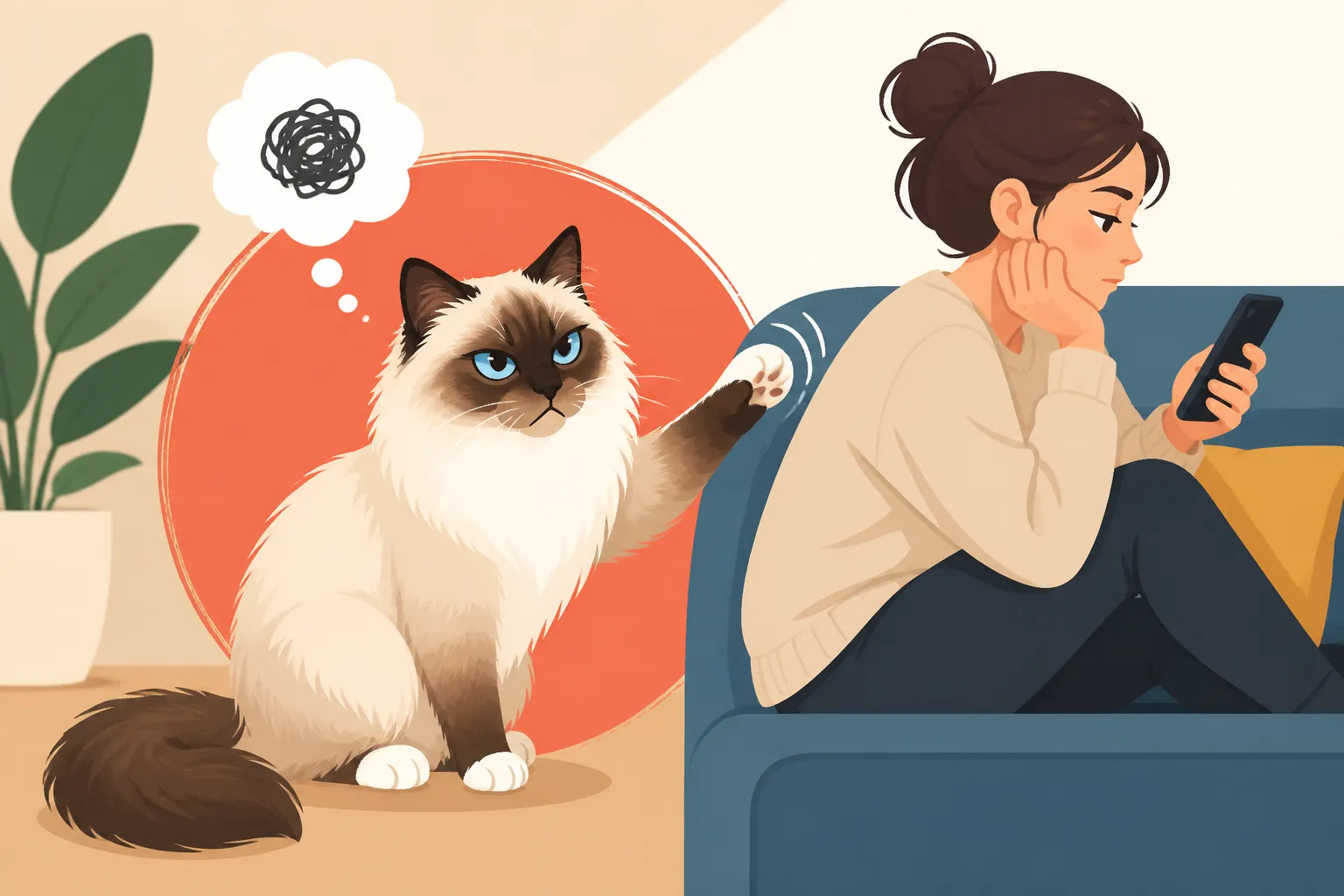
How a Birman Behaves When Ignored
It's a common misconception that cats are solitary creatures, perfectly content to be left to their own devices for hours on end. While some breeds certainly tolerate solitude better than others, the Birman cat, with its famously gentle and devoted personality, is absolutely not one of them. Ignoring a Birman can lead to a range of subtle, and sometimes not-so-subtle, behavioral changes that signal deep unhappiness or stress. This guide will walk you through what to look for when your sweet Birman feels neglected and how to address these important signals, ensuring your beloved companion remains happy and secure.
The Birman's Innate Need for Connection
If you've ever had the pleasure of sharing your home with a Birman, you'll know they aren't just pets; they are deeply woven into the fabric of your daily life. They're often called "the gentle giants" or "the sacred cats" for a reason – their calm demeanor and affectionate nature make them wonderful companions. But this very nature also means they thrive on interaction and can become quite distressed if they feel ignored or left out.
Why the Birman Craves Company
Unlike some more aloof breeds that might only seek out affection on their own terms, Birmans genuinely enjoy being part of the action. They love to be near their human family, often following you from room to room, settling softly at your feet or on the sofa beside you. It's not usually about demanding attention or being a "lap cat" in the traditional sense, but more about proximity and shared space. They have a quiet, enduring presence that is a huge part of their charm. This deep-seated desire for connection stems from their personality, which leans heavily towards being people-oriented. They truly form strong bonds with their owners and often with other pets in the household, making them feel like a constant, quiet shadow. When this connection is suddenly absent or diminished, it creates a void in their routine and emotional well-being that they are ill-equipped to handle gracefully. Remember, a Birman would rather be near you than on you, and this subtle closeness is their way of connecting.
They thrive in environments where they are considered a family member, not just a decorative item. A Birman wants to know what you're doing, even if it's just watching you load the dishwasher. They don't typically cause a fuss or make excessive noise, but their quiet observation is a clear sign of their engagement with your life. This makes them particularly sensitive to changes in routine or periods where they feel overlooked. Think about it: they're not the type to loudly demand your attention with insistent meows or destructive antics right away. Instead, their distress might brew quietly until it manifests in more noticeable, and concerning, ways. This quiet nature can, ironically, make it harder for busy owners to realize their Birman is feeling ignored. Why a Birman Follows You Without Demanding Anything offers more insight into this endearing trait.
The Subtle Signs of Discontent
Before a Birman escalates to more obvious signs of distress, they often exhibit subtle cues that they're not feeling their best. These might be easy to miss if you're not paying close attention to their everyday rhythm. For instance, your Birman might start spending more time sleeping, not in their usual sunny spots, but perhaps under a bed or tucked away in a quiet corner where they rarely go. This isn't just extra naps; it's a form of withdrawal. You might notice they stop greeting you at the door with their customary soft trill, or they no longer settle near you while you're watching TV. They might appear less engaged with their surroundings, showing little interest in toys they usually love, or simply staring into space more often. These aren't just minor shifts; they are signals from a cat whose internal world feels a little off-kilter.
Another subtle sign might be a change in their gaze. While Birmans have those stunning blue eyes, an unhappy Birman might have a slightly dulled or distant look, rather than their usual bright, inquisitive expression. Their body language might become more tense, even if they're not actively aggressive. You might see their tail held lower, or their ears flattened slightly more often than usual. They might even just move less, becoming more of a fixture than a fluid presence in your home. It’s crucial to catch these early indicators, as addressing them swiftly can prevent the escalation to more serious behavioral problems. What a Withdrawn Birman Is Telling You delves deeper into these quiet cries for help.
How a Birman Expresses Unhappiness
When a Birman feels truly ignored, these subtle signs often give way to more pronounced behaviors. It's important to understand that these aren't acts of "spite" or "naughtiness" but rather expressions of stress, anxiety, or even a desperate plea for your attention and reassurance.
Changes in Vocalization and Interaction
While Birmans are generally known for their quiet voices, a Birman feeling ignored might start to vocalize more, but not in a demanding way initially. Instead of their usual soft trills and gentle chirps, you might hear more insistent meows, often directed at you when you enter a room, as if trying to restart a conversation that's been dropped. They might follow you around, not just to be near you, but to actually solicit attention with these vocalizations. This isn't the loud, demanding yowling you might associate with a Siamese; it's a persistent, slightly plaintive meow that indicates they're trying to communicate their need for interaction.
Conversely, some Birmans might go completely silent when ignored. This is particularly concerning, as a sudden lack of vocalization from a cat that usually offers its quiet hellos and observations can be a sign of deep withdrawal or even illness. They might simply stop trying to engage with you, retreating further into themselves. This can be heartbreaking to witness, as it signals a loss of their joyful, gentle interaction. They may also stop "chatting" with other pets or even stop purring when petted. What a Birman Is Saying With That Short Trill explores their usual vocal repertoire, making it easier to spot when it changes. If you notice your Birman is suddenly much louder or much quieter than usual, it’s definitely worth investigating the underlying cause.
Altered Grooming Habits
Grooming is a crucial aspect of a cat's well-being, and changes in grooming habits are often a significant indicator of stress or unhappiness. A Birman, with its beautiful, silky coat, is usually meticulous about its appearance. When feeling ignored or anxious, this can manifest in two opposing ways:
First, and more commonly, a Birman might start to over-groom. This means excessive licking, chewing, and pulling at their fur, often concentrating on specific areas like their belly, inner thighs, or paws. This can lead to visible bald patches, skin irritation, or even open sores. The act of grooming releases endorphins, so it becomes a self-soothing mechanism, but it's a clear sign of an underlying issue. It's their way of trying to cope with the emotional discomfort they're experiencing. These areas of intense grooming often appear symmetrical, which can help differentiate it from other skin conditions. If you notice your Birman developing patches of thinning hair or even bald spots, consider how much attention and stimulation they've been receiving lately. What Overgrooming Means in a Birman provides more detail on this stress-related behavior.
On the other hand, some Birmans might neglect their grooming altogether when they're depressed or unwell. Their once pristine, tangle-free coat might start to look dull, greasy, or develop mats, especially in hard-to-reach areas like their britches or behind their ears. This lack of self-care is a red flag, suggesting they've lost interest in their usual routines and are likely feeling quite low. This could also be linked to other issues, like arthritis, making it painful to groom certain spots, but if accompanied by other signs of being ignored, it points to emotional distress. Keeping an eye on their coat condition is vital; a healthy Birman is a well-groomed Birman.
Shifts in Eating and Litterbox Behavior
A Birman's routine around food and the litter box is typically consistent. They are creatures of habit, and disruptions here can be a clear sign that something is amiss emotionally. A Birman feeling ignored might start to have changes in their appetite. They might suddenly become picky, turning their nose up at food they usually adore, or simply eat less overall. This loss of appetite is a common stress response in cats. While Birmans are not typically demanding about food, they do enjoy their meals, and a significant decrease in intake should always be taken seriously. Why a Birman's Appetite Goes First When It Is Unsettled delves into this. It's not uncommon for a cat experiencing emotional distress to lose weight quite rapidly due to reduced eating.
Alternatively, some stressed Birmans might actually increase their food intake, becoming more insistent around meal times or even gulping their food down quickly, almost as if seeking comfort in it. This less common response can also indicate anxiety. You might notice them pacing near their food bowl even when it's full, or looking to you for reassurance around feeding times. If you have an automatic feeder, you might observe them waiting by it long before it's scheduled to dispense.
Litter box issues are another significant red flag. An otherwise impeccably clean Birman might start urinating or defecating outside the litter box. This is rarely done out of spite; it's almost always a sign of stress, anxiety, or an underlying medical issue that needs to be ruled out by a vet. If a Birman feels insecure or ignored, they might seek to deposit their scent in more prominent places around the home to feel safer, or they might associate the litter box with an unpleasant experience (perhaps another pet bothering them there, or the box not being clean enough for their sensitive paws). Sometimes, it's a desperate cry for attention, as they know this behavior will get a reaction from you, even if it's not positive. Ensure their litter boxes are plentiful, clean, and in quiet, accessible locations. If this behavior starts, definitely speak with your vet to rule out medical causes first.
The Physical Manifestations of Loneliness
Beyond behavioral changes, a Birman experiencing prolonged neglect or loneliness can start to show physical symptoms that are concerning. These are not typically life-threatening in the immediate sense, but they indicate a significant decline in the cat's overall well-being and can lead to health problems if unaddressed.
Lethargy and Withdrawal
A healthy Birman, even with its calm demeanor, possesses a certain quiet energy. They might not be scaling curtains, but they enjoy gentle play, exploring new spaces, and engaging with their environment. A Birman suffering from loneliness or feeling ignored often becomes noticeably lethargic. They will sleep more than usual, even for a cat, and seem to lack interest in activities they once enjoyed. Their movements might be slower, and they might spend significant periods simply lying in one spot, often a secluded one, rather than following you around or seeking out warm, sunny perches. This is a profound shift from their usual desire for proximity. What a Lonely Birman Does paints a clear picture of these changes.
This lethargy isn't just about extra sleep; it's a pervasive disinterest. They might not respond to their name, or show little enthusiasm when you offer a favorite treat or toy. They become withdrawn, pulling back from physical touch or even actively moving away when approached. It's a clear signal that their emotional reserves are depleted, and they are struggling to cope. This withdrawal can also manifest as hiding more frequently, seeking refuge under furniture or in closets, places they might not usually frequent. While Birmans enjoy quiet, this level of retreat is abnormal and signals deep unhappiness. It's crucial to understand that this isn't them being "lazy"; it's a behavioral response to feeling disconnected and stressed.
Destructive Tendencies and Attention-Seeking
While Birmans are generally well-behaved, a truly stressed and ignored Birman might resort to destructive behaviors as a way to cope with their anxiety or, in some cases, to illicit a response from you, any response. This could include inappropriate scratching on furniture (even if they have a perfectly good scratching post), chewing on household items, or even pulling threads from carpets or blankets. These actions can be both a release of pent-up stress and a desperate bid for attention. They learn that these actions get a reaction, even if it's a negative one, which is still a form of interaction in their lonely world.
Another form of attention-seeking might involve knocking items off shelves or tables. This isn't usually a playful bat but a deliberate nudge, often accompanied by a look in your direction, as if to say, "Look at me! I'm here!" They might also start to engage in behaviors like excessive pawing at your leg or jumping onto surfaces they've typically avoided. For a cat as mild-mannered as a Birman, these are significant departures from their normal behavior and should be taken as serious cries for help. It’s their way of screaming for attention when their gentle trills have gone unnoticed. If your Birman is suddenly acting out in ways they never have before, consider if they are feeling neglected or stressed. What a Stressed Birman Does further explores these outward signs of distress.
Preventing Loneliness: Proactive Strategies
The good news is that preventing loneliness in a Birman is entirely achievable with a little foresight and consistent effort. Their needs are relatively simple: companionship, a stimulating environment, and a predictable routine.
Creating an Engaging Environment
Even if you can't be physically present with your Birman every moment of the day, you can enrich their environment to minimize feelings of loneliness. Vertical space is key; cat trees, shelves, or window perches give them vantage points to observe their surroundings, which is a favorite Birman pastime. Look for sturdy, comfortable cat trees on Amazon that offer both climbing opportunities and cozy resting spots. Interactive toys that they can play with alone, such as puzzle feeders or automatic laser pointers, can provide mental stimulation throughout the day. However, remember that these are supplements, not substitutes, for human interaction.
Setting up a "bird-watching station" by a window, with a comfortable bed and clear view of the outdoors, can keep them entertained for hours. Consider leaving a radio or TV on at a low volume when you're out, providing some background noise and making the house feel less empty. Rotate their toys regularly to keep things interesting. A catio, if feasible, provides safe outdoor enrichment. Also, ensure they have soft, warm places to nap in various parts of the house, especially where the sun streams in, as Birmans enjoy warmth. How to Keep an Old Birman Interested has great ideas for all ages.
The Importance of a Companion
Perhaps the most impactful strategy to prevent loneliness in a Birman is to provide them with a companion. Birmans are known for getting along well with other cats, and even cat-friendly dogs. Having another animal in the house can provide endless hours of social interaction, mutual grooming, and play that no human can fully replicate. Many Birman breeders even recommend acquiring two kittens at once, or bringing a second cat into the home, knowing how much Birmans thrive on companionship. If you are considering another cat, aim for one with a similar energy level – perhaps another Birman, a Ragdoll, or another equally gentle breed. Why a Birman Does Better With Company and Why a Birman Does Badly as an Only Cat highlight their social nature.
If a feline companion isn't possible, a calm dog can also be a wonderful friend for a Birman. They tend to settle well with respectful canine housemates, often curling up together for naps. The key is to introduce them slowly and ensure both animals are comfortable with each other. Even if you work from home, having another pet can alleviate the pressure of being your Birman's only source of interaction. Just ensure that any companion is chosen carefully, keeping the Birman's gentle temperament in mind, so that the new dynamic is one of peace and shared comfort, not stress. Whether a Birman Does Better With a Companion Than a Toy reinforces this idea.
When to Seek Professional Guidance
Sometimes, despite your best efforts, a Birman's behavioral changes can persist or worsen. This is when it's crucial to seek professional help, as persistent stress can lead to more serious health issues.
Recognizing Persistent Behavioral Changes
It's one thing to notice a temporary shift in your Birman's mood; it's another to see these behaviors become entrenched or intensify over time. If your Birman's withdrawal, over-grooming, appetite changes, or litter box issues don't improve after you've implemented environmental enrichments and increased your interaction, it's a sign that the problem is deeper. Persistent inappropriate urination or defecation, for example, is not only frustrating but also a serious indicator of chronic stress or an underlying medical problem. Similarly, if destructive behaviors escalate, or if your Birman appears truly depressed (constant lethargy, no interest in anything, hiding all the time), you need to act. Why a Birman That Stops Following You Needs a Vet is a good read if you are seeing these severe signs.
Another key sign that professional intervention is needed is if the behavior changes start to impact their physical health, such as significant weight loss due to not eating, or skin infections from excessive grooming. Observe how long these changes have been happening and whether they are consistent. Keeping a journal of their behaviors can be incredibly helpful when discussing the issue with a professional. Note down when the behaviors started, what they entail, and any patterns you observe. This detailed information will be invaluable for diagnosis.
Consulting Your Veterinarian
The very first step when you notice persistent behavioral changes is always a trip to the veterinarian. Many behavioral issues, especially those related to appetite and litter box habits, can be symptoms of underlying medical conditions. Your vet can perform a thorough physical exam, blood tests, and potentially urine analysis to rule out health problems like urinary tract infections, kidney disease, dental pain, or even thyroid issues. Once medical causes have been excluded, your vet can then help you explore behavioral solutions. They might recommend specific dietary changes, supplements, or even anti-anxiety medications in severe cases, especially while you work on long-term behavioral modifications.
Your vet may also recommend consulting a certified feline behaviorist. These specialists have expertise in understanding cat behavior and can help identify the root cause of your Birman's distress. They can then develop a tailored behavior modification plan that might include changes to your home environment, interaction strategies, and desensitization techniques. This is particularly valuable if the issue is complex or if previous attempts to resolve it haven't been successful. Remember, your Birman relies on you to recognize their distress and seek the help they need. Don't hesitate to reach out to professionals if you're concerned about your cat's well-being. What Calms a Stressed Birman might also provide some helpful insights that you can discuss with your vet.
To summarize the key differences between a happy, well-adjusted Birman and one struggling with loneliness or stress:
| Behavior Aspect | Typical Birman Behavior | Birman When Ignored / Stressed |
|---|---|---|
| Vocalization | Soft trills, quiet chirps, minimal meows, gentle greetings | Increased, insistent meowing; unusual yowling; sudden silence |
| Affection & Following | Always nearby, follows room to room, sits against you, seeks subtle presence | Withdraws, hides, stops following, avoids interaction, less responsive |
| Grooming | Meticulous self-grooming, silky coat, clean and lustrous | Over-grooming (bald spots), matted fur, greasy coat, lack of grooming |
| Appetite | Eats measured meals politely, never begs, consistent intake | Refuses food, eats less, or conversely, stress-eats rapidly |
| Litter Box Habits | Consistently uses clean litter box, no accidents | Accidents outside the box, spraying, increased frequency |
| Playfulness | Gentle, quiet play, enjoys wand toys, interactive games | Loss of interest in play, lethargy, destructive chewing/scratching |
| Sleep Patterns | Sleeps in cozy, visible spots, varied nap times | Sleeps excessively in secluded spots, withdrawn, dull-eyed |
| Overall Demeanor | Calm, content, peaceful, observant, engaged | Anxious, restless, irritable, depressed, unresponsive |
Disclaimer
This article is for general informational purposes only and does not constitute professional advice. Laws, prices and regulations vary by location and change over time. Consult a qualified professional for guidance on your specific situation.