How to Keep an Old Birman Interested
It's heartbreaking to watch our beloved Birman cats, once so playful and curious, start to slow down as they reach their golden years. You might notice they aren't chasing the laser pointer with the same gusto or seem less interested in their favorite feather wand. This shift can be concerning, making you wonder if they're still happy and engaged with the world around them. This guide aims to help you understand these changes and provide actionable strategies to keep your aging Birman stimulated, comfortable, and interested in life, ensuring their senior years are as rich and fulfilling as possible.
Understanding the Natural Shift in an Aging Birman's Interests
As our cherished Birmans age, their bodies and minds experience natural changes, much like humans do. It's not that they suddenly become uninterested in everything, but rather their capacity and preferences for engagement evolve. What once thrilled a spry young kitten might now be too demanding or simply not appealing to a wise old cat. Acknowledging these shifts is the first step in adapting our approach to their enrichment.
Why Their Play Style Changes
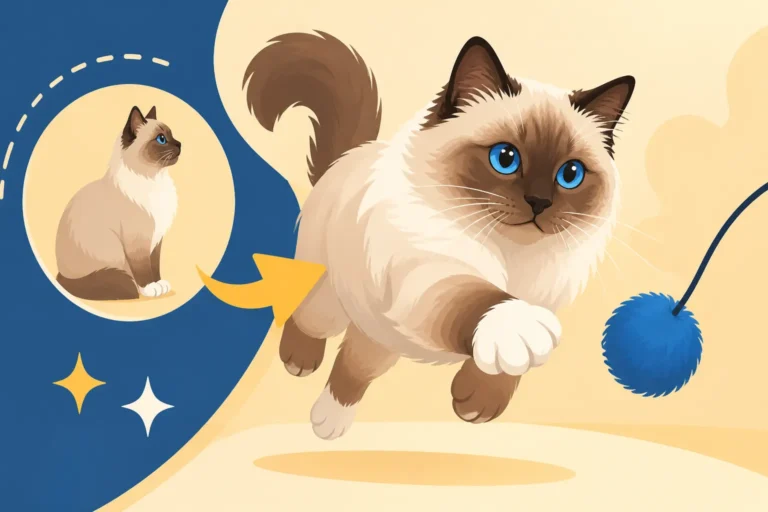
Think back to your Birman as a kitten. They probably had bursts of energetic play, darting across rooms, pouncing on toys, and generally embodying a graceful, fluffy whirlwind. But as they enter their senior years, typically around What an Old Birman Slows Down From First, that high-intensity play often subsides. Their joints might not be as flexible, their stamina less robust, and their eyesight or hearing might not be quite as sharp. What this means is that chasing a fast-moving toy might become uncomfortable or simply too much effort. They might prefer gentler, slower interactions, like batting at a toy from a comfortable perch or engaging in a slow, deliberate "hunt" for a hidden treat. This isn't a sign of unhappiness; it's a natural recalibration of their energy levels and physical capabilities. They still crave interaction, just on their own terms.
The Importance of Mental vs. Physical Stimulation
While physical play reduces, the need for mental stimulation remains incredibly important for an aging Birman. In fact, it might even become more crucial to keep their minds sharp and prevent boredom or cognitive decline. Imagine being stuck in a routine with nothing new or interesting to ponder – it would get dull quickly! For senior Birmans, this can manifest as lethargy or even some behavioral changes. Instead of relying solely on vigorous exercise, we should pivot towards activities that engage their senses, problem-solving skills, and innate curiosity. Think about things like Which Games Still Interest a Birman Past Twelve – puzzle feeders that require a little thought to get a treat, or new scents to investigate, or even just watching the world go by from a comfortable window perch. This mental workout helps maintain their cognitive function and keeps them feeling connected to their environment.
Recognizing Signs of Disinterest or Apathy
It's vital to differentiate between a natural slowdown and actual disinterest or apathy, which could signal underlying health issues. A Birman's placid temperament means they are often masters at hiding discomfort or illness. If your senior Birman is simply less active but still greets you, purrs during petting, and has a healthy appetite, they're likely adjusting naturally. However, if you notice a significant withdrawal, a lack of interest in food, a sudden change in grooming habits, or a reluctance to move even for gentle interaction, it's time to pay close attention. Why a Quiet Birman Is Easy to Misread – what might seem like "just being old" could be pain, dental issues, or something more serious. A sustained lack of interest in previously enjoyed activities, combined with other subtle changes, warrants a vet visit to rule out any medical causes before we focus purely on enrichment strategies.
Tailoring Play and Enrichment for the Senior Birman
Once we understand that an aging Birman's needs are shifting, we can start to adapt our approach to play and enrichment. The goal isn't to force them back into their kitten antics, but to provide stimulating, comfortable, and appropriate activities that cater to their current abilities and preferences.
Gentle, Engaging Play Sessions
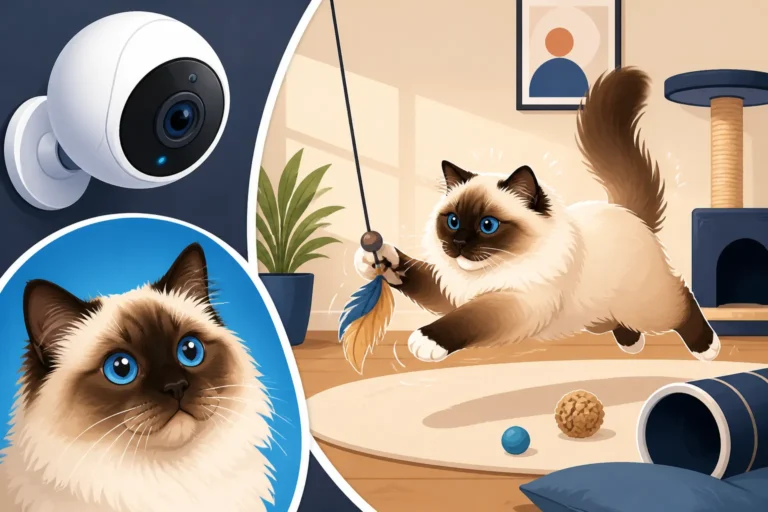
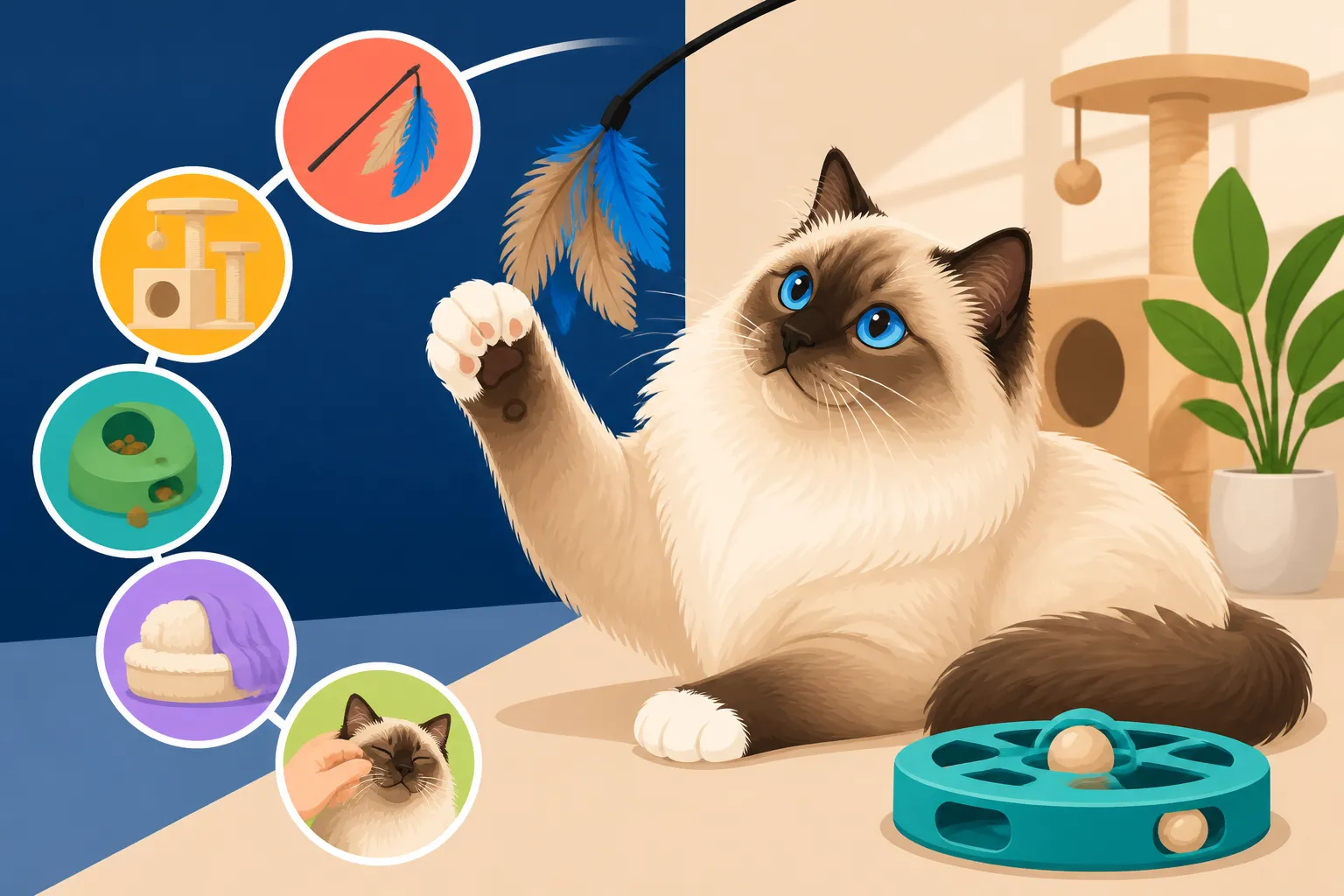
Forget the twenty-minute sprint with the feather wand; now it's about quality over quantity, and often, more deliberate movements. Think about toys that move slowly, allow for 'stalking' rather than full-on chasing, and can be enjoyed from a seated or lying position. Laser pointers can still be fun, but keep the beam closer to them and let them "catch" it more often to prevent frustration. Wand toys with soft feathers or plush attachments moved slowly along the floor, mimicking prey, can still spark their hunting instinct without demanding too much physical exertion. Many senior Birmans still enjoy batting at small, soft balls or crinkle toys, especially if you roll them gently nearby. Some even appreciate interactive toys that move on their own, allowing them to observe and occasionally swat without you needing to be constantly involved. Just remember, even short bursts of two to five minutes, several times a day, can add up to meaningful engagement for an older cat. Don't underestimate How Little Play a Birman Needs to Stay Content if those sessions are truly enriching.
Redesigning Their Environment for Accessibility and Interest
An older Birman needs an environment that supports their changing mobility while still offering opportunities for exploration and relaxation. If they used to love high perches, consider adding ramps or sturdy steps to help them reach their favorite spots without straining their joints. Providing multiple comfortable beds in sunny spots or near warm radiators can encourage them to move between locations throughout the day. Raised food and water bowls can make eating and drinking more comfortable, especially for cats with neck or joint pain.
Puzzle feeders are fantastic for mental stimulation, turning mealtime into an engaging activity. You can find many varieties on Amazon, from simple treat-dispensing balls to more complex labyrinth designs. Start with easy ones and gradually increase the challenge. Hiding treats around the house, in accessible spots, can also turn a quiet afternoon into a gentle treasure hunt. Consider bringing in new scents occasionally – a sprig of dried catnip, a new cardboard box to explore, or even rotating their toys to keep things fresh. These small changes can make a big difference in how interested they remain in their home territory.
Introducing Novelty Without Overwhelm
While novelty is important, senior Birmans often prefer a predictable routine. The trick is to introduce new things in a way that’s exciting, not startling. Instead of a sudden influx of new toys, try rotating their existing collection every few days or weeks. Bring out one "new" old toy at a time. New scents, like a fresh catnip spray on a favorite bed or a new scratching post, can offer gentle novelty. Even a simple change like moving a window perch to a different window can open up a whole new world of viewing opportunities.
If you're considering a more significant change, like a new piece of furniture or even a new pet, introduce it slowly and with great care. Provide a safe retreat for your Birman and allow them to approach and investigate at their own pace. Remember that What a Stressed Birman Does can include hiding, over-grooming, or changes in appetite, so watch for these signs. The goal is gentle stimulation that piques their curiosity, rather than overwhelming them with too much too fast.
The Role of Companionship and Routine
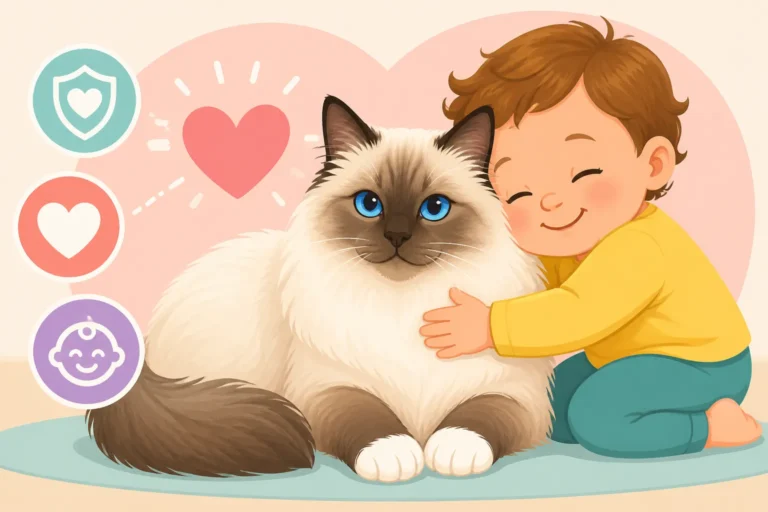
Birmans are known for their gentle, devoted nature and their love of companionship. This doesn't fade with age; in many ways, it becomes even more profound. While their physical play may decrease, their need for connection and comfort often grows. Our presence, our touch, and our consistent care are vital anchors in their senior lives.
Maintaining Familiar Routines
Cats, Birmans included, thrive on routine. As they age, this becomes even more important. Predictable feeding times, regular play sessions (even short ones), and consistent bedtime rituals provide a sense of security and reduce anxiety. Imagine your whole world changing unpredictably – it would be unsettling! For an older cat, maintaining their established rhythms helps them feel safe and in control. A consistent routine also makes it easier for you to spot any deviations that might indicate a health issue or a shift in their well-being. This doesn't mean you can't ever deviate, but generally sticking to a schedule helps maintain their comfort and keeps them interested in the predictable comforts of their day.
Quality Time Over Quantity
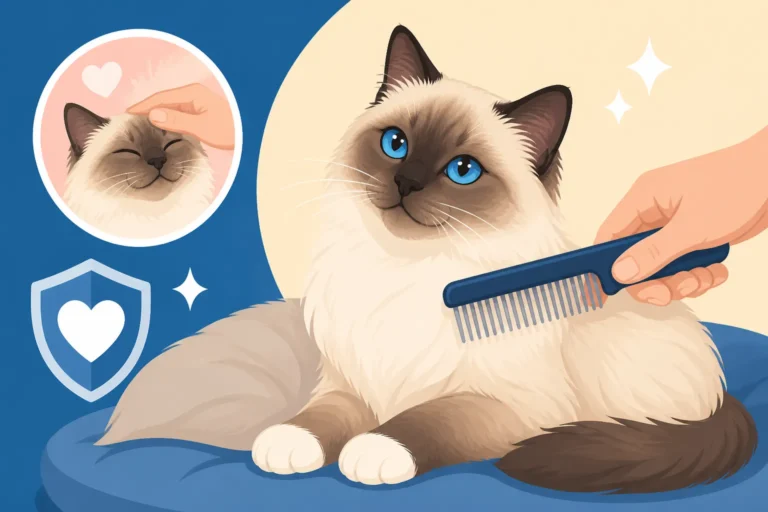
You might not be engaging in boisterous play for hours, but the quiet moments you share with your senior Birman are incredibly valuable. Gentle petting sessions, soft brushing with a comb like those available on Amazon designed for silky coats, or simply sitting near them while you read or watch TV – these are all profound forms of companionship. They often just want to be in the same room, curled up close. Why an Old Birman Sleeps Closer to You is a perfect example of this deep bond. Talking to them softly, even if they don't understand the words, communicates your presence and affection. These moments reinforce their sense of belonging and keep their emotional cup full. A Birman that feels loved and secure is far more likely to remain interested in their surroundings and interact with you.
Considering a Companion (Carefully!)
This is a big decision, and not one to take lightly for an older cat. While Why a Birman Does Better With Company is generally true for the breed, introducing a new, possibly boisterous kitten to a sedate senior Birman could be highly stressful. If your Birman has always had a companion and that companion passes away, they might genuinely benefit from a new friend. However, it's usually best to choose another older, calmer cat, or a very gentle, placid kitten who understands boundaries. The introduction process must be slow and carefully managed, with separate spaces and gradual integration. Never force interactions. The goal is to enhance their life, not add stress. Sometimes, a human companion's increased presence, if possible, is a more appropriate "companion" for a truly elderly cat.
| Type of Enrichment | Description | Benefits for Senior Birman | Potential "Amazon" Product Category |
|---|---|---|---|
| Puzzle Feeders | Bowls or toys that dispense food/treats only when manipulated. | Mental stimulation, slows eating, prevents boredom. | Interactive Cat Food Dispensers |
| Gentle Wand Play | Slow, deliberate movements of a wand toy for stalking and batting. | Low-impact exercise, satisfies hunting instinct, bonding. | Feather Wand Cat Toys |
| Scent Enrichment | Introducing new, safe scents (e.g., catnip, silvervine, new boxes). | Engages olfactory senses, mental stimulation, curiosity. | Catnip Spray or Toys |
| Window Perches | Secure platforms offering a view of the outdoors. | Observational engagement, mental stimulation from "cat TV". | Window Mounted Cat Beds |
| Comfort Zones | Multiple soft, easily accessible beds in warm, quiet spots. | Promotes rest, reduces joint strain, encourages movement. | Orthopedic Cat Beds |
| Grooming/Brushing | Gentle, regular brushing sessions with you. | Physical comfort, bonding, removes loose fur, subtle massage. | Soft Bristle Cat Brushes |
Nutritional and Health Considerations for Sustained Engagement
No matter how many toys or comfy beds you provide, an older Birman simply won't be interested in life if they're not feeling well. Their diet, pain management, and regular veterinary care are foundational to keeping them active and engaged in their senior years.
Diet's Impact on Energy and Cognition
As Birmans age, their nutritional needs change. They might require fewer calories to maintain a healthy weight, especially if they're less active, but the quality of those calories becomes even more critical. A diet rich in easily digestible proteins and essential fatty acids, particularly Omega-3s, can support their joint health, coat quality, and even cognitive function. Many senior cat foods are specifically formulated with these considerations in mind, often including antioxidants and ingredients aimed at supporting brain health.
Staying well-hydrated is also incredibly important, particularly given the breed's Why a Birman Drinking More Points at Its Persian Ancestry and potential predisposition to kidney issues. Offering wet food, using a water fountain, or adding a little low-sodium broth to their water can encourage them to drink more. A healthy gut also contributes to overall well-being and energy levels. If your Birman's appetite changes, or they start losing weight, it's crucial to consult your vet. A well-nourished Birman has the physical and mental resources to stay interested and interactive.
Managing Pain or Discomfort That Reduces Interest
This is perhaps the most critical factor. An aging Birman who is in chronic pain, even subtle pain, will inevitably withdraw and lose interest in play and interaction. Conditions like arthritis, dental disease, or even mild stiffness can significantly impact their quality of life. How Arthritis Shows in a Birman That Never Jumped Much means you might notice them being slower to get up, hesitating before jumping onto furniture they once scaled effortlessly, or showing a subtle limp.
Dental pain, often hidden, can make eating uncomfortable, leading to reduced appetite and overall lethargy. Regular vet checks are essential for identifying these issues. Once diagnosed, your vet can recommend pain management strategies, from supplements to prescription medications. What Pain Relief Suits an Old Birman With Kidney Values is a complex question, highlighting the importance of tailored veterinary advice. When discomfort is managed, you'll often see a remarkable resurgence in your Birman's interest and engagement.
Regular Vet Checks: Your Partner in Keeping Them Happy
I truly can't emphasize this enough: your veterinarian is your greatest ally in keeping your senior Birman interested and happy. Because Birmans are so stoic and adept at masking illness, regular check-ups become even more vital as they age. What might seem like a simple "slowdown" to you could be a treatable condition to your vet.
During these visits, your vet can perform comprehensive exams, check for subtle signs of arthritis or dental problems, and recommend routine blood work to monitor organ function, especially kidneys and thyroid. How a Birman's Kidney Numbers Are Tracked From Middle Age is a testament to how proactive care can make a huge difference. They can also discuss appropriate preventative care, like vaccinations and parasite control, ensuring your Birman remains in optimal health. Don't wait until you notice a drastic change; proactive veterinary care is the best way to catch issues early and maintain your Birman's comfort, vitality, and interest in life for as long as possible.
Disclaimer
This article is for general informational purposes only and does not constitute professional advice. Laws, prices and regulations vary by location and change over time. Consult a qualified professional for guidance on your specific situation.