Which Games Still Interest a Birman Past Twelve
It's heartbreaking to see our beloved Birman companions start to slow down as they age. That once playful, mischievous kitten who would pounce on every dust bunny might now prefer a quiet nap in a sunbeam. But just because they're past their prime doesn doesn't mean their desire for engagement and connection disappears. This guide is all about understanding how to keep your senior Birman interested and involved in playtime, adapting to their changing needs so you can both enjoy those precious golden years to the fullest.
Understanding Your Senior Birman's Changing Play Needs
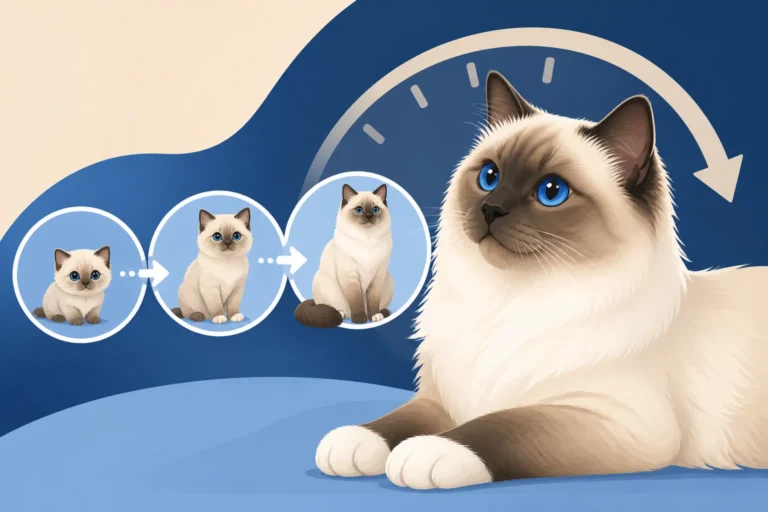
As Birmans gracefully enter their senior years, typically around the age of 10-12, their physical capabilities and interests naturally shift. It’s not a sudden change, but rather a gradual evolution that astute owners will observe and adapt to. Thinking about how their bodies and minds are changing is the first step to curating the perfect senior play routine.
The Gradual Slowdown: What to Expect
You'll probably notice your Birman isn't quite as spry as they once were. Those high jumps to catch a feather toy might be replaced by a more considered reach, or perhaps they'll skip the jump altogether and prefer to bat at something from a comfortable position on the floor. Stamina decreases, meaning those marathon play sessions of their youth are a thing of the past. They might spend more time napping, seeking out warm, cozy spots, and generally conserving energy. This is all perfectly normal. Just like us, their bodies experience wear and tear, and conditions like arthritis can make vigorous movement uncomfortable. It doesn't mean they're unhappy or completely disengaged; it just means their pace has changed, and our expectations for their play should too.
Signs Your Birman Still Wants to Play (Just Differently)
Even with reduced energy, a senior Birman often still harbors a desire for interaction and mental stimulation. The signs might be more subtle now. Instead of a full-on pounce, you might notice a curious flick of the ear when a toy rustles, a slow blink of acknowledgment when you dangle a feather wand nearby, or a gentle nudge with their head towards a favorite small toy. They might follow you with their eyes as you move a string, or give a soft trill, their unique way of communicating, if you pick up something they used to love. These quiet signals are their way of saying, "I'm interested, but maybe let's keep it gentle." It’s a call for connection, a reaffirmation of your bond, even if the physical output is minimal. Pay close attention to these subtle cues; they're vital in understanding what still sparks joy for your older companion. Why a Quiet Birman Is Easy to Misread also delves into understanding these nuanced behaviors.
The Importance of Mental Stimulation for Older Cats
Just as physical exercise keeps the body healthy, mental stimulation is crucial for maintaining cognitive function in senior Birmans. Boredom can lead to stress, anxiety, and even accelerate cognitive decline. Engaging their minds with puzzles, new scents, or gentle interactive play can help keep them sharp and prevent them from becoming withdrawn or lethargic. It’s about creating an environment that sparks their natural curiosity and provides opportunities for them to use their senses without overtaxing their bodies. Simple games that involve problem-solving or gentle "hunting" can be incredibly enriching, offering them a sense of purpose and preventing the blues. Keeping their minds active helps to preserve their overall quality of life, allowing them to remain a vibrant part of your household.
Tailoring Playtime for the Golden Years
Once you understand your senior Birman's changing needs, the next step is to adapt their playtime to suit their golden years. This isn't about giving up on play; it's about evolving it into a gentler, more thoughtful experience that prioritizes comfort and enjoyment.
Gentle, Low-Impact Games
For a Birman who might be feeling the stiffness of age or dealing with joint discomfort, frantic running and leaping are out. Instead, focus on games that are low-impact but still satisfying. Wand toys are fantastic for this, but instead of making the toy fly through the air, keep it low to the ground, mimicking a crawling insect or a slow-moving mouse. Let them bat at it, stalk it, and "capture" it without needing to jump or stretch excessively. Laser pointers can still be a hit, but be mindful to always end the session by allowing them to "catch" a physical toy to prevent frustration. Toys that crinkle or make soft noises can also capture their attention without requiring much movement. You might find a small, soft ball rolled gently across the floor, allowing them to bat it with a paw, is a perfect, undemanding game. For ideas on specific toys, consider Which Wand Toys Move Slowly Enough for a Birman. Many excellent options can be found on Amazon, designed for quiet engagement.
Comfort-Focused Play Spaces
Creating comfortable and accessible play spaces is paramount for a senior Birman. If your cat tree once reached the ceiling, your older Birman might now prefer mid-height platforms or even a sturdy armchair. Ensure any perches they use are easily reachable without large jumps. Soft, cushioned surfaces are a must for where they might lounge or play. Think about placing a cozy blanket or a plush cat bed on a low window sill so they can still enjoy bird watching without straining to get up high. Heated beds can also be a wonderful addition, offering soothing warmth to aching joints, and encouraging them to stay in an area where you can easily initiate a play session. Remember, the goal is to make play effortless and enjoyable, not a chore. Consider Where a Birman Prefers to Perch for more insights on their preferences.
Incorporating Scent and Sound
A Birman's senses, particularly their hearing and smell, remain keen even as they age. Incorporating these into playtime can be incredibly enriching. Toys with soft bells or crinkly textures can grab their attention from a distance, encouraging them to investigate without needing a visual stimulus or intense physical exertion. Catnip, for those Birmans who respond to it, can still offer a burst of playful energy, making a quiet toy suddenly fascinating for a short, joyful period. Scent-infused toys, perhaps with silvervine or valerian root, can also stimulate their minds and encourage gentle interaction. These sensory elements provide a different dimension to play, allowing them to engage with their world in a way that respects their physical limitations.
Revisiting Old Favorites and Introducing New Twists
Just like us, Birmans find comfort in routine and familiarity. While new toys can be exciting, sometimes revisiting old favorites with a gentle twist can be the perfect way to re-engage a senior cat. It's about rekindling that spark with activities they already associate with fun and bonding.
Simple Fetch and Carry (on their terms)
Many Birmans have a charming habit of carrying toys around, and some even enjoy a gentle game of fetch. As they age, the "fetch" might become more of a "bring" or a "bat." Instead of throwing a toy across the room, try rolling a soft, lightweight ball just a few feet away. If they bat it back or bring it to you, offer enthusiastic praise and gentle pets. The joy isn't in the vigorous chase, but in the interaction and the shared experience. This low-key game strengthens your bond and allows them to participate without overexerting themselves. Remember, they might not bring it all the way back, or they might just nudge it with their nose. Celebrate every tiny effort. If your Birman was never much of a fetcher, this might be a time to encourage it gently, as it requires less intense movement than other forms of play. For more on this, check out Whether a Birman Brings a Toy Back or Just Carries It.
Food-Motivated Puzzles
Puzzle feeders are fantastic for senior Birmans, offering mental stimulation and satisfying their natural foraging instincts without requiring much physical exertion. Choose puzzles that are easy to manipulate with a paw or nose, rather than those that require extensive jumping or intricate problem-solving skills they might no longer have the dexterity or patience for. There are many options available on Amazon, from simple treat balls that dispense kibble as they roll to more stationary puzzles where they have to slide compartments. Start with easy ones to build their confidence, and gradually introduce slightly more challenging versions if they show interest. This type of play not only keeps their mind active but also slows down their eating, which can be beneficial for digestion, and gives them a rewarding "win." Which Puzzle Feeder Suits a Birman offers guidance on selecting the right one.
Interactive Bonding Through Play
At its core, playtime with an older Birman isn't just about physical activity; it's about connection. Short, frequent play sessions, even just five to ten minutes a few times a day, can make a huge difference. Use these moments for gentle interaction, talking to your Birman in soothing tones, and offering affectionate strokes. A slow-moving feather wand, held near them as they lie comfortably, allows them to bat and engage without much effort. The focus shifts from high-energy entertainment to shared presence and reinforcing your special bond. This is especially important for Birmans, who thrive on companionship and subtle interactions. The amount of play they need decreases with age, but the quality of that interaction becomes even more vital. How Little Play a Birman Needs to Stay Content provides further context on this.
Practical Tips for Engaging Your Older Birman
Keeping a senior Birman engaged requires patience, observation, and a willingness to adapt. It's less about strict schedules and more about understanding their individual rhythm and preferences as they age. Every cat is unique, and this is especially true in their golden years.
Observing and Adapting to Their Pace
Your Birman will tell you when they've had enough, but their signals might be subtle. A flick of the tail, a slight turning away, or simply walking off might indicate they're tired or uninterested at that moment. Respect these cues. Don't push them to play beyond their comfort level, as this can lead to discomfort or aversion to playtime. Instead, offer shorter, more frequent sessions throughout the day. Maybe a quick five-minute gentle wand play in the morning, another five-minute puzzle feeder challenge in the afternoon, and a final quiet pat-and-play session before bed. Consistency is key, but flexibility within that consistency is even more important. Understanding How a Birman's Play Changes at Seven can help you recognize the initial shifts and adapt effectively.
The Role of Companionship
Birmans are known for their loving, companionable nature. As they age, this need for presence often intensifies, even if their physical interactions become more subdued. A lonely senior Birman can become withdrawn, so ensuring they have companionship is crucial. This could be your own presence, simply sitting near them, talking to them, or offering gentle pets. If you have another pet, particularly a calm, well-adjusted cat or a gentle dog, they can provide comfort and even occasional gentle interaction. Just make sure any companion animal respects the senior Birman's need for space and quiet. Sometimes, simply having another living being in the room is enough to alleviate feelings of isolation and encourage a spark of interest. Why a Birman Does Better With Company explains their social nature further.
Regular Vet Checks for Continued Comfort
One of the most important things you can do to keep your senior Birman interested in play is to ensure they are physically comfortable. Aches, pains, dental issues, or underlying health conditions can severely impact their willingness and ability to play. Regular veterinary check-ups are non-negotiable for older cats. Your vet can identify conditions like arthritis, dental disease, or other age-related ailments and suggest appropriate management, including pain relief or dietary changes. If your Birman suddenly stops playing or seems less interested than usual, a vet visit should be your first step to rule out any medical causes. Keeping them free from pain is the best way to ensure they can still enjoy their favorite gentle games and interactions. Topics like What Pain Relief Suits an Old Birman With Kidney Values highlight the importance of careful medical management.
Here's a quick overview of suitable play ideas for your golden-aged Birman:
| Game Type | Description | Benefits | Considerations |
|---|---|---|---|
| Slow Wand Play | Move a feather or soft toy on a wand slowly, low to the ground. | Gentle exercise, encourages stalking, safe for joints. | Avoid sudden movements; let them "catch" the toy frequently. |
| Laser Pointer (Monitored) | Direct the dot for them to follow, then allow them to catch a physical toy. | Mental engagement, moderate movement, easy to do from afar. | Always end with a tangible toy to prevent frustration. Use sparingly. |
| Puzzle Feeders | Toys that dispense treats or kibble when manipulated. | Mental stimulation, satisfies foraging instinct, slows eating. | Choose easy-to-solve puzzles that don't require jumping. Available on Amazon. |
| Rolling Balls | Lightweight, soft balls rolled gently on the floor. | Low-impact batting, gentle chase, simple interaction. | Ensure balls are not too small to be a choking hazard. |
| Scent/Sound Toys | Crinkly toys, soft toys infused with catnip or silvervine. | Sensory stimulation, encourages investigation, minimal physical effort. | Check response to catnip; some Birmans may not react. |
| Lap/Bedside Play | Gentle batting at a toy while your Birman rests on your lap or beside you. | High bonding, very low physical demand, comforting. | Focus on connection; the goal is not intense play. |
Disclaimer
This article is for general informational purposes only and does not constitute professional advice. Laws, prices and regulations vary by location and change over time. Consult a qualified professional for guidance on your specific situation.