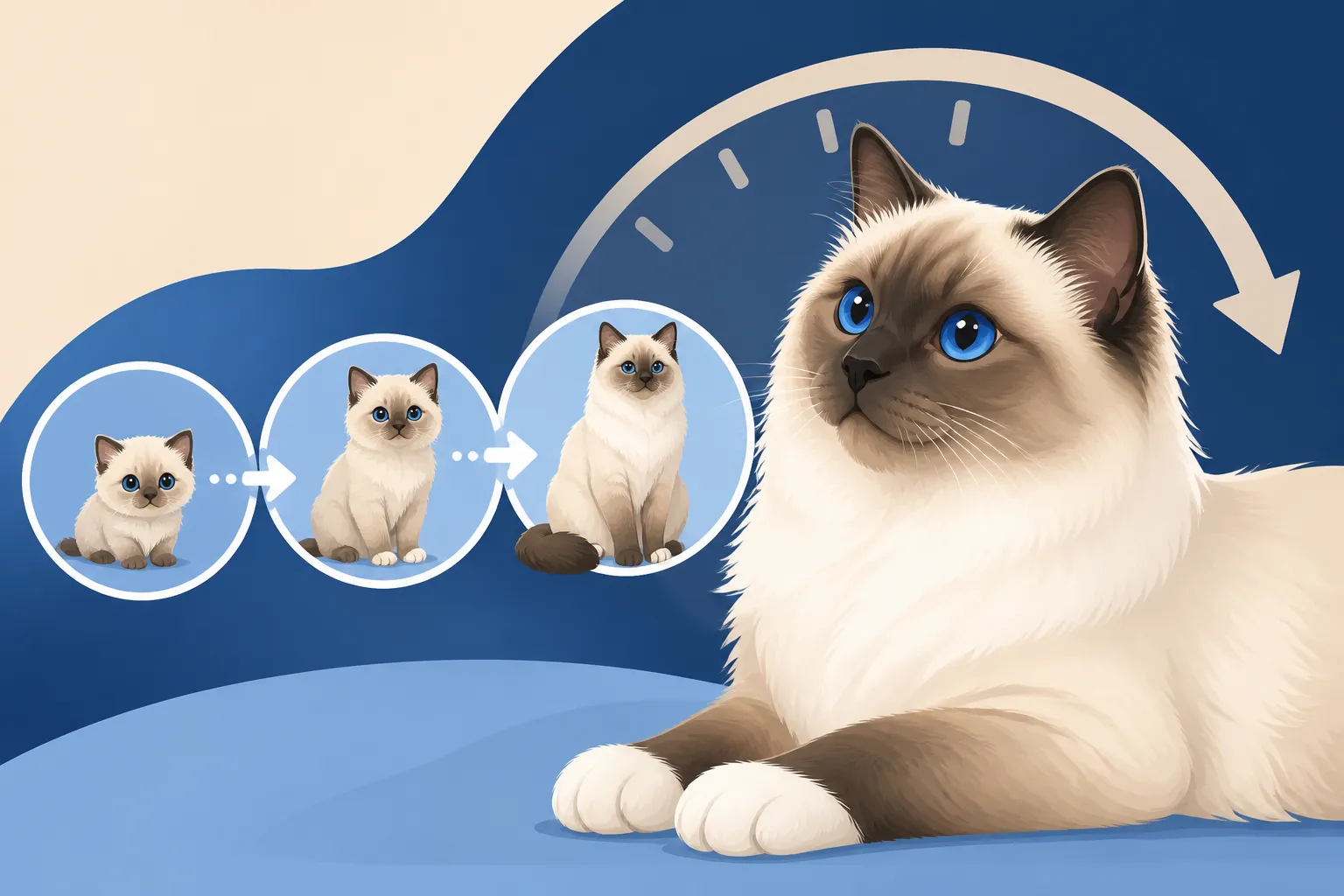
Why a Birman Matures Slowly
It’s a common experience for new Birman parents to look at their fluffy, playful "kitten" at six months old and think, "Wow, they’re still so small!" or at two years old and realize their cat is still growing into their full, majestic frame. Unlike some other breeds that seem to hit adulthood in a flash, Birmans truly take their time. This can lead to a few moments of head-scratching, wondering if you're doing something wrong or if your cat is simply a late bloomer. Rest assured, this guide will delve into why your beautiful Birman matures slowly, what that means for their development, and how you can best support them through their delightfully extended kittenhood.
The Birman's Extended Youth: A Delightful Unfolding
Many of us are used to cats reaching their full physical size within their first year, maybe a little longer. With a Birman, it’s a whole different ballgame. They hold onto that charming, playful kitten energy and their physical growth takes its sweet time, often stretching out over several years. It's not a flaw; it's just who they are, a beautiful part of their unique breed.
Physical Growth: A Slow and Steady Development
When you bring home a Birman kitten, you might expect them to hit their full stride around 12-18 months, much like a domestic shorthair. But Birmans are in no rush. Their skeletal structure continues to develop, their muscles fill out, and they gradually gain weight for much longer. We’re talking about a process that can easily last up to three years, sometimes even a little beyond. Think of it as a grand architectural project that takes meticulous time to complete, layer by layer.
During this extended growth phase, your Birman isn't just getting taller or longer; their entire frame is maturing. Their bone density increases, contributing to that sturdy yet elegant build they are known for. While they might reach a significant portion of their height by their first birthday, the true breadth and muscularity of their body, that solid feel you get when you pick them up, won't be fully realized until they are closer to three years old. This means that a one-year-old Birman, while appearing adult, is still very much a "teenager" in terms of physical development, often still growing into those big paws and that luxurious tail plume. It's fascinating to observe, almost like watching a time-lapse of a flower slowly blooming. You can learn more about this by reading What a Birman Weighs at One With Two Years Still to Grow and How Long a Birman Keeps Adding Coat and Weight.
Mental and Emotional Maturation: Retaining Kittenish Charm
It’s not just their bodies that are in no hurry to grow up; their minds and personalities follow a similar leisurely path. While other breeds might transition from boisterous kitten to calm adult relatively quickly, a Birman often retains a wonderful, almost childlike curiosity and playfulness for years longer. They might be physically large, but their spirit remains delightfully youthful.
This means you’ll likely enjoy many extra years of playful antics, silly games, and enthusiastic explorations from your Birman. They might pounce on invisible dust bunnies with the same fervor at four years old as they did at four months. Their gentle, undemanding nature also contributes to this extended emotional kittenhood; they aren't driven by the same urgent need for independence that some other breeds exhibit. Instead, they revel in being close to their human companions, soaking up affection, and engaging in quiet play. This prolonged period of mental and emotional development fosters a deep, enduring bond, as you have more time to interact with them in their formative, playful years. It’s a joy for owners who cherish that sweet, innocent stage of a cat's life. If you're wondering when that transition officially happens, check out When a Birman Stops Being a Kitten and How a Birman Kitten's Play Changes at Seven.
Genetic Influences and Breed Heritage on Development
The Birman's slow maturation isn't some random quirk; it's deeply rooted in their genetics and their breed heritage. Understanding where they come from helps explain why they develop at their own unique pace.
The Impact of Their Semi-Longhair Ancestry
Birmans are a semi-longhair breed, meaning they possess that gorgeous, flowing coat without the dense, mat-prone undercoat of a Persian. Breeds with longer coats and larger overall frames generally take longer to reach full maturity. Their bodies have more to "build"—more fur to grow, a larger skeletal structure to solidify, and more muscle mass to develop. The Birman's coat itself, which is one of its most defining features, also takes a significant amount of time to fully come in and reach its magnificent length and texture. Beyond that, their distinctive point coloration, which starts almost entirely white at birth, slowly deepens and develops over their first few years, a process influenced by temperature and age.
This extended development phase for their physical attributes, from their body size to their coat and color, is simply part of their genetic blueprint. It’s a hallmark of breeds that tend to be on the larger side and those with luxurious coats. So, when you see a Birman who is two years old and still seems to be growing into themselves, they are merely following their inherent developmental schedule. It's a testament to the comprehensive maturation process their beautiful breed undergoes. The article Why a Birman Takes Three Years to Finish offers further insights, as does How a Birman Kitten's Points Come In.
The Benefit of a Prolonged Learning Phase
One of the often-overlooked benefits of a Birman's slow maturation is the extended window it provides for socialization, learning, and adapting. Because they retain their kitten-like curiosity and openness for longer, Birmans are typically very receptive to new experiences, people, and even gentle training well into their adult years. They are intelligent cats, and this prolonged "childhood" allows for a longer period of absorbing their environment and establishing routines.
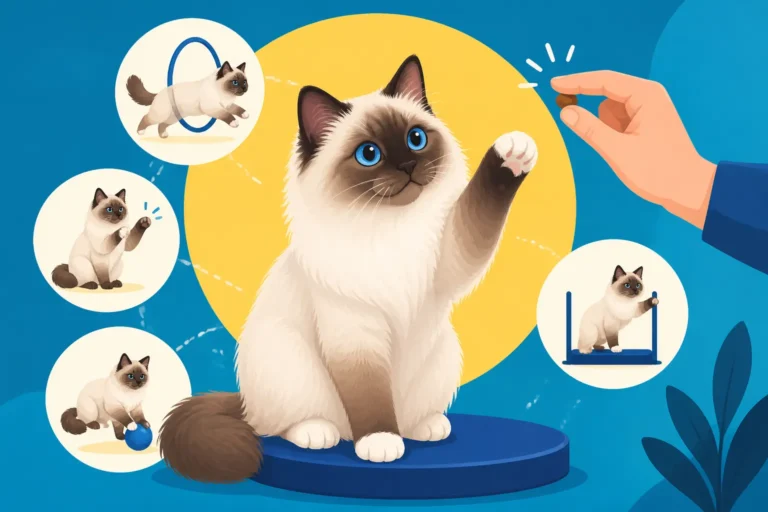
This means you have more time to introduce them to various sights, sounds, and gentle handling, ensuring they grow into a well-adjusted and confident adult. Their playful nature also means they respond wonderfully to interactive enrichment. You can easily find a variety of interactive puzzle feeders or wand toys available on Amazon that can keep their minds engaged and their bodies active, reinforcing positive behaviors. This longer learning curve allows for a more thorough integration into your household, making them incredibly adaptable and resilient companions. Don't be shy about teaching them new things; their patience and intelligence make them great students, even when they're not quite "kittens" anymore. You might even find them learning a few surprising things if you read Which Tricks a Birman Learns.
Navigating the Birman's Slow Development as an Owner
Knowing that your Birman will mature slowly is one thing; actually living with and caring for them through this extended phase is another. It requires a bit of an adjustment in expectations, but the rewards are immeasurable.
Adjusting Expectations for Care and Nutrition
Given their prolonged growth, adjusting your approach to their diet is crucial. Don't be too quick to transition your Birman from a high-quality kitten or growth formula to an adult maintenance diet. Many breeders and vets will advise keeping Birmans on kitten food or a "all life stages" formula for longer than you might with other breeds – sometimes well past their first birthday, potentially up to two years, to support their ongoing skeletal and muscular development. It’s about ensuring they get the necessary calories, proteins, and essential nutrients to build that strong, healthy frame and magnificent coat over time.
Monitoring their weight and body condition throughout this period is also vital. A Birman should have a long, rectangular frame, and you should be able to feel their ribs without seeing them protruding. An abrupt switch to a lower-calorie adult food too soon can hinder their development or lead to them becoming too thin. Always consult with your veterinarian for personalized dietary advice tailored to your Birman's specific growth curve. Providing consistent, high-quality nutrition will pay dividends in their overall health and vitality throughout their long lifespan. You can get a better idea of their caloric needs by looking into How Many Calories a Growing Birman Kitten Eats More Than You Expect and What Protein Level a Birman's Ruff Needs to Stay Full.
Maintaining Engagement and Enrichment Over Time
Because Birmans retain their playfulness for so long, it's essential to continue providing consistent opportunities for play and mental stimulation, even as they grow into large, seemingly adult cats. Don't make the mistake of thinking they'll outgrow their need for active playtime. A physically mature Birman still benefits immensely from interactive sessions with you, engaging their minds and bodies.
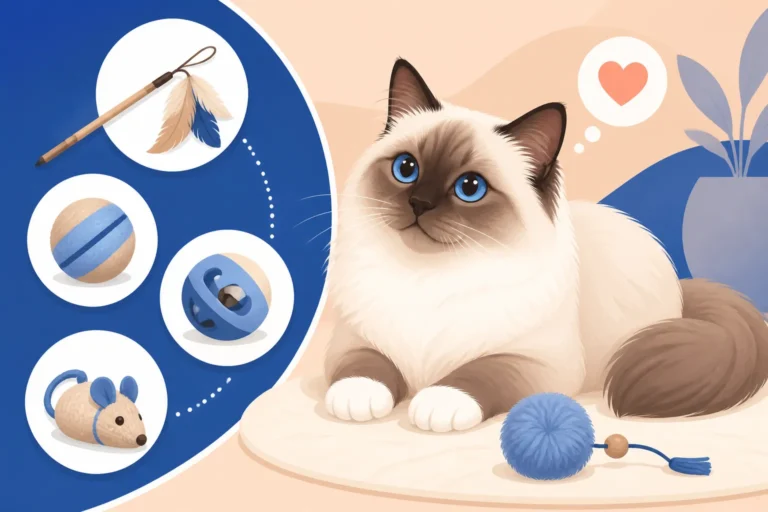
This means investing in a variety of toys that appeal to their gentle hunting instincts – think wand toys, crinkle balls, or even puzzle toys that dispense treats. These don't have to be complex or expensive; simple things can spark their interest. Look for durable toys that can withstand years of playful pouncing, easily found on Amazon. Scheduling regular play sessions, even short ones, helps keep them happy, healthy, and prevents boredom. A Birman thrives on interaction and attention from their family, and this extended period of playfulness is a gift that allows for deeper bonding and continuous shared joy. This continued engagement is key to their well-being, as detailed in How to Keep an Old Birman Interested and How Much Play a Birman Wants a Day.
Birman Maturity Timeline (Approximate)
| Age Range | Physical Development | Mental/Emotional Development | Owner Implication |
|---|---|---|---|
| 0-12 Months | Rapid initial growth, points start developing. | Classic kitten antics, highly curious, forming bonds. | Kitten food, intense socialization, daily play. |
| 12-24 Months | Continued bone/muscle growth, filling out. Coat densifies. | Playfulness persists, more confident, settling into routines. | Consider "all life stages" food, maintain play, gentle training. |
| 24-36 Months | Final maturation of body size, weight, muscle tone. | Full personality emerges, deeply bonded, still enjoys play. | Gradual transition to adult food (if not already), consistent enrichment. |
| 36 Months + | Fully mature physical form, complete coat and points. | Stable, affectionate, calm yet playful temperament. | Adult maintenance diet, continued interactive play and companionship. |
The Unique Joys of a Birman's Long Childhood
While the slow maturation might require a little extra patience and specific care adjustments, it truly brings with it a host of wonderful benefits that make owning a Birman such a unique and rewarding experience.
Enduring Playfulness and Affection
One of the most delightful aspects of a Birman's slow development is the prolonged period of pure, unadulterated playfulness they offer. You get to enjoy their kitten-like antics and boundless curiosity for so many more years than with other breeds. This isn't just about entertainment for you; it's about the consistent joy and energy they bring into your home. Their affectionate nature, coupled with this enduring playfulness, means you have a companion who is always ready for a gentle game or a quiet cuddle.
They maintain that soft, trusting demeanor, and their need for connection often deepens over time. It's truly special to have a large, regal-looking cat who still has the heart and spirit of a kitten, eager to bat at a feather wand or chase a laser pointer. This extended playful phase means more opportunities for you to bond, create shared memories, and simply enjoy the innocent, loving presence of your Birman. It’s a gift that keeps on giving, and many owners wouldn't trade it for anything. In fact, many Birmans continue to seek closeness as they age, as you'll see in Why an Old Birman Sleeps Closer to You.
A Stable and Well-Adjusted Companion
Ultimately, the Birman's slow maturation contributes to them becoming incredibly stable, well-adjusted, and resilient adult cats. This longer developmental arc allows them ample time to absorb their environment, learn the rhythms of your household, and form deep, secure attachments. They don't rush through critical learning phases; instead, they slowly, confidently grow into their roles as beloved family members.
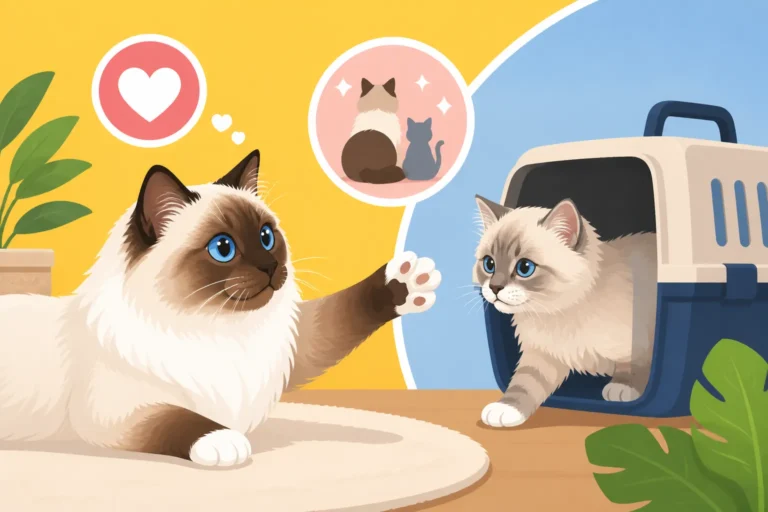
This deliberate pace means they often adapt better to changes in routine, new people, or even other pets. Their gentle temperament, combined with a lengthy period of socialization and learning, results in an adult cat that is typically calm, adaptable, and a joy to live with. You'll find that their initial kitten shyness, if present, slowly melts away, replaced by a quiet confidence and an unwavering affection. The journey through a Birman's extended maturation is a beautiful one, culminating in a cat that is not only physically stunning but also possesses a profoundly loving and stable personality that will enrich your life for many years.
Disclaimer
This article is for general informational purposes only and does not constitute professional advice. Laws, prices and regulations vary by location and change over time. Consult a qualified professional for guidance on your specific situation.