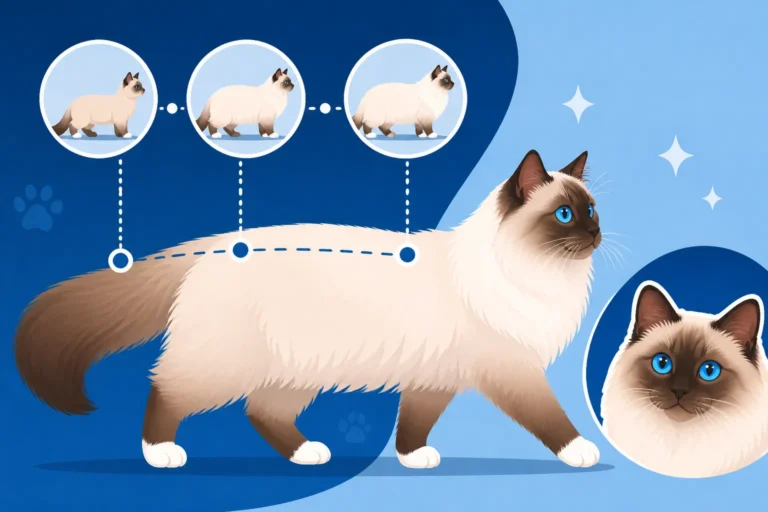
What a Birman Weighs at One With Two Years Still to Grow
Many new Birman parents often find themselves scratching their heads when their sweet, playful one-year-old kitten still looks a bit smaller than they anticipated for a fully grown cat. It's a common misconception that all cats reach their full adult size by their first birthday, and it can leave you wondering if your Birman is getting enough to eat or if there’s something amiss. This guide is here to reassure you and walk you through exactly what to expect from your Birman at one year old, what the next two years of growth entail, and how to best support their unique, slow-maturing development into the magnificent adults they're destined to be.
Understanding Birman Growth: A Marathon, Not a Sprint
One of the most charming, and sometimes bewildering, aspects of the Birman breed is their leisurely approach to maturity. Unlike many other cat breeds that are practically full-grown by 10-12 months, Birmans are in no rush to leave their kitten-like adolescence behind. If you've ever felt a slight pang of worry that your one-year-old Birman isn't quite the substantial cat you pictured, rest assured, you're experiencing a perfectly normal phase in their development. They are truly a "slow cook" when it comes to physical growth.
This slower pace means that at one year old, your Birman is still very much a teenager in terms of their physical development. While they might have reached much of their eventual length and height, they haven't started to "fill out" in the way that makes them appear fully mature. Think of it like a human teenager who suddenly shoots up in height before their body broadens and gains muscle definition. Your Birman is on a similar trajectory, and understanding this timeline is key to appreciating their unique growth. Why a Birman Matures Slowly speaks to some of the underlying reasons for this prolonged development.
It's this extended growth period that contributes to the Birman's sturdy, rectangular frame as an adult. They're not meant to be dainty, but rather substantial cats, and that takes time to build. This slow maturation period allows their bones, muscles, and even their gorgeous semi-long coat to develop gradually, leading to a more robust and well-proportioned adult cat. So, if your cat is still playing like a kitten and has the energy to match, it’s a good sign they’re on track.
The Birman's Unique Growth Timeline
The Birman cat stands out from many of its feline counterparts because it truly takes its time to mature. While a domestic shorthair might look like a miniature adult by nine months, your Birman is still very much in a growth spurt phase at that point and well beyond. Their journey to full physical maturity can extend all the way up to three years of age. This means that a one-year-old Birman is roughly only two-thirds of the way through its complete physical development cycle.
This extended timeline is a characteristic trait of many larger, long-haired breeds, and the Birman is no exception. They use this extra time not just to grow longer and taller, but crucially, to develop muscle mass, bone density, and the full luxuriousness of their coat. It's an investment in their adult health and physique, ensuring they reach their full potential without being rushed. This is also why you'll find that their facial features, coat density, and point coloration continue to evolve well past their first birthday.
For owners, this unique growth timeline means recalibrating expectations. You won't have a "fully grown" cat at 12 months in the same way you might with other breeds. Instead, you'll have a vibrant, energetic young adult who is still laying the foundations for their impressive adult form. Patience is a virtue when raising a Birman, and watching them slowly transform over these crucial years is part of the joy of owning one.
Expected Weight Range at One Year Old
So, what kind of weight can you realistically expect from your Birman at their first birthday? At one year of age, a male Birman will typically weigh somewhere between 8 to 11 pounds (approximately 3.6 to 5 kg). Female Birmans, being naturally a bit smaller, usually fall into the 6 to 9 pound (approximately 2.7 to 4.1 kg) range at this stage. It’s important to remember these are averages, and individual variations are completely normal.
At this point, many Birmans will look a little lean, perhaps even a bit "leggy" or gangly. Their elegant, rectangular body shape might be apparent, but they won't yet have the broad chest and dense muscle mass of a fully mature adult. Their coat, while beautiful, will still be developing its full length and richness, especially around the ruff and tail plume. They might still seem small compared to the mental image you have of a majestic adult Birman, but this is all part of their normal growth curve.
Factors like genetics (what their parents and grandparents looked like), diet, and activity level will all play a role in where your individual Birman falls within this range. A very active Birman might be leaner, while one from a line of particularly large Birmans might be at the higher end. What's most important isn't hitting an exact number, but rather seeing consistent, healthy growth and maintaining a good body condition score, which we'll discuss further. What a Birman's Long Rectangular Frame Should Weigh delves deeper into understanding their ideal adult proportions.
Why the Slow Maturation Matters for Owners
Understanding the Birman's slow maturation isn't just an interesting fact; it has practical implications for how you care for your cat, particularly concerning nutrition and overall health monitoring. Because they are still growing, their dietary needs might differ from those of a cat who has already reached its adult size. You might mistakenly think a leaner one-year-old needs more food to "bulk up," when in reality, they just need time to develop properly.
It also means that regular vet check-ups are incredibly important during these formative years. Your veterinarian can help you track their growth, ensure they're gaining weight appropriately for their breed and age, and address any potential health concerns early. Don't be shy about asking your vet about your Birman's growth trajectory if you have worries; they are the best resource for personalized advice. Monitoring their weight diligently at home also provides valuable insights. Why a Birman's Weight Should Be Recorded Every Visit highlights the importance of this routine.
Finally, this extended growth phase allows for more time for mental and social development as well. These gentle, affectionate cats continue to learn and integrate into your family over a longer period, solidifying their calm and sociable temperament. It's a wonderful opportunity to reinforce good behaviors and deepen your bond as they gradually transform from a playful youngster into a magnificent, serene companion.
The Journey from One to Three Years: Filling Out and Fleshing Out
The period between your Birman's first and third birthday is where the real transformation happens. While the initial growth in height and length slows down significantly, their body begins the crucial process of "filling out." This isn't just about gaining weight; it's about muscle development, increased bone density, and the full maturation of their physical features, culminating in the majestic appearance Birmans are known for. It's during these years that their true beauty and substantial build emerge.
Many owners are surprised by how much their cat changes during this time. The somewhat gangly youngster gradually develops a broad chest, a well-muscled body, and the distinctive full ruff around their neck. Their glorious semi-long coat, which at one year might still be a little sparse in places, will thicken and grow, achieving its full length and silky texture. This period is a fascinating time to observe your Birman, as daily changes might be subtle, but looking back at photos from different ages will reveal a remarkable evolution.
Supporting this developmental phase with consistent care, appropriate nutrition, and a loving environment is paramount. It ensures that your Birman not only reaches their full physical potential but also maintains their wonderful temperament and overall health for years to come. Why a Birman Is Still Filling Out at Three further explains this fascinating prolonged development.
What Happens During the Second Year of Growth
As your Birman steps into their second year, the focus of their growth shifts from gaining significant height and length to primarily developing muscle and increasing body density. You might not see them shoot up like a beanstalk anymore, but they'll start to look more solid and substantial. This is the stage where their "kitten fluff" gives way to a more mature coat, and their lean frame begins to take on the elegant, powerful build characteristic of the breed.
During this second year, Birmans can typically gain another 2-4 pounds (about 0.9 to 1.8 kg). This weight gain isn't excess fat but rather a healthy increase in muscle mass as their frame strengthens. Their head might appear to broaden, and their legs, which might have seemed disproportionately long at one year, will start to look more balanced with their body. It's also when their beautiful point coloration, which deepens with age, becomes more defined and their blue eyes reach their most intense shade.
This phase requires continued attention to their diet and activity levels. While they might still be playful, their energy might become a little more refined. Ensure they have opportunities for gentle exercise and mental stimulation to support muscle development without overstressing their still-maturing joints. Consider engaging toys that encourage movement, which you can easily find on Amazon, such as wand toys or puzzle feeders, to keep them active and engaged.
Reaching Full Maturity: The Three-Year Mark
By the time your Birman approaches their third birthday, they should have largely completed their physical development. This is when you'll truly see the magnificent adult cat you envisioned. Fully grown male Birmans typically weigh between 10 to 15 pounds (4.5 to 6.8 kg), and sometimes even a little more, while females generally range from 7 to 10 pounds (3.2 to 4.5 kg). They will exhibit a solid, well-muscled body, with a broad chest and a substantial, regal appearance.
Their coat will be at its peak luxuriance, with a full, flowing ruff around their neck, dense britches, and a glorious plume on their tail. The silky texture, which is a hallmark of the breed, will be evident, and their point colors will have reached their deepest, richest shade. This is the Birman in its full glory, exuding a calm confidence and beauty that only comes with complete maturity. How Long a Birman Tom Grows Along the Body provides more details on the male Birman's full development.
This three-year milestone doesn't mean their personality stops evolving, but their physical form is generally complete. Maintaining their adult weight and condition through appropriate diet and exercise becomes the priority. Regular veterinary check-ups remain essential to monitor their overall health and ensure they continue to thrive into their middle and senior years. How Long a Birman Keeps Adding Coat and Weight explains the specific physical changes that continue during this time.
Signs of Healthy Continued Growth vs. Concern
Monitoring your Birman's growth throughout these two to three years is crucial, not just for aesthetic reasons but for their overall health. Healthy continued growth is usually characterized by steady, gradual weight gain, good muscle tone, and a vibrant, energetic demeanor. Your Birman should be active, have a healthy appetite, bright clear eyes, and a lustrous coat. They should also maintain a good body condition, meaning you can easily feel their ribs with a light touch, but they shouldn't be visibly bony or overly padded.
However, there are signs that might indicate a need for a vet visit. Rapid weight loss or gain, especially if sudden, is a red flag. Lethargy, a significant decrease in appetite (or a sudden insatiable hunger), dull coat, or changes in their normal behavior, such as hiding more often or a reluctance to play, could all point to an underlying health issue. While Birmans are known for being stoic and hiding illness, any noticeable change warrants attention. Why a Quiet Birman Is Easy to Misread touches on this important behavioral aspect.
It's also important to ensure their bones and joints are developing properly. If you notice any limping, stiffness, or reluctance to jump, even small distances, it's worth having a veterinarian check them over. Your vet can provide guidance on nutrition, supplements if needed, and assess their overall development to make sure they're on the right track for a long, healthy life.
Nutrition and Care for a Growing Birman
Supporting your Birman's slow but steady journey to full maturity through optimal nutrition and thoughtful care is paramount. Their unique growth pattern means they have specific dietary needs that differ slightly from cats who mature more quickly. It's not just about calories; it's about providing the right balance of nutrients to build strong bones, dense muscle, and that stunning silky coat. You want to ensure they're getting everything they need without becoming overweight, which can lead to health issues down the line.
Remember, Birmans are not known for being demanding about food; they'll often quietly eat whatever you put down, which makes it even more important for you, as their owner, to be vigilant about what and how much they consume. This period of development is foundational for their adult health, so making informed choices now will pay dividends for years to come.
From selecting the right food to ensuring they stay hydrated and active, every aspect of their care during these growth years contributes to their well-being. Thinking about their future self and what kind of healthy adult you want them to be will guide your choices in their daily routine.
Fueling the Growth: Dietary Needs for Young Adults
During these critical growth years, your Birman needs a diet rich in high-quality protein and healthy fats. Protein is the building block for muscle development, which is a major focus of their growth between one and three years. Look for cat foods where meat is the first ingredient, and ideally, several meat sources are listed within the first few ingredients. High-quality animal proteins are far more digestible and beneficial for cats than plant-based alternatives.
Healthy fats, such as Omega-3 and Omega-6 fatty acids, are not only crucial for energy but also play a vital role in developing and maintaining their beautiful, silky coat and supporting overall skin health. Many premium cat foods, like those found on Chewy, are formulated with these essential nutrients. Wet food is also highly recommended, not just for its nutritional value but because Birmans, like many cats, don't always drink enough water on their own, and wet food provides much-needed hydration, which is important for kidney health, especially given the breed's historical links to certain kidney conditions.
Calorie intake should be carefully managed. While they are growing, they don't need to be overfed. Follow the feeding guidelines on your chosen cat food, but also observe your cat's body condition and adjust as necessary. A good option to consider might be fresh or gently cooked food services, which can offer tailored nutrition plans and controlled portions to support healthy growth. How Many Calories a Ten Pound Birman Burns a Day helps you understand how to calculate their energy needs more precisely.
Exercise and Play: Supporting Muscle Development
Even though Birmans are not the most boisterous of breeds, regular, appropriate exercise and play are essential for their healthy muscle development and for maintaining a lean body condition during their growth years. This isn't about intense workouts, but rather consistent, gentle engagement that encourages movement and strengthens their physique. Playtime also provides crucial mental stimulation, keeping these intelligent cats happy and well-adjusted.
Interactive play, using toys like feather wands or laser pointers, is fantastic for getting your Birman moving. These types of toys tap into their natural hunting instincts and encourage jumping, pouncing, and stretching, all of which contribute to healthy muscle development. Aim for several short play sessions throughout the day, rather than one long, exhausting one. Remember, Birmans are known for playing gently, so don't expect aggressive wrestling matches. Why a Birman Plays Gently further details their playful nature.
Providing vertical space, even if they aren't extreme climbers, can also be beneficial. A sturdy cat tree, or shelves, allows them to jump and stretch, promoting flexibility and strength. Look for options on Amazon that are stable and offer various levels for exploration and lounging. This not only encourages physical activity but also enriches their environment, preventing boredom and potential behavioral issues.
Monitoring Weight and Body Condition
Regularly monitoring your Birman's weight and assessing their body condition is one of the most proactive steps you can take to ensure they are growing healthily. While the scale gives you a number, the body condition score tells you what that number means in terms of fat-to-muscle ratio. Ideally, you want to be able to easily feel your Birman's ribs when you run your hands along their sides without pressing hard, and they should have a discernible waist when viewed from above. How to Feel a Birman's Ribs Under a Silky Coat offers practical advice on this technique.
Your veterinarian will typically do a body condition assessment at each visit, but it's something you can (and should) do at home too. If you notice your Birman is getting a bit rounder, especially around their belly or back, it might be time to slightly reduce their food intake or increase playtime. Conversely, if they seem too thin, with ribs easily visible or hip bones protruding, a vet visit is in order to rule out any underlying issues and adjust their diet.
Keeping a consistent record of their weight, perhaps monthly during these growth years, can help you spot trends early. A sudden drop or spike can be a warning sign. Remember, the goal is not just a specific number on the scale, but a well-proportioned, lean, and muscular cat. This proactive approach will help ensure your Birman grows into a healthy adult and maintains that condition throughout their long life.
| Birman Age | Average Male Weight (lbs/kg) | Average Female Weight (lbs/kg) | Key Growth Focus |
|---|---|---|---|
| 1 Year | 8-11 lbs (3.6-5 kg) | 6-9 lbs (2.7-4.1 kg) | Height/Length mostly achieved; starting to fill out |
| 2 Years | 10-14 lbs (4.5-6.4 kg) | 7-10 lbs (3.2-4.5 kg) | Muscle and bone density development, coat thickening |
| 3 Years+ | 10-15 lbs (4.5-6.8 kg) | 7-10 lbs (3.2-4.5 kg) | Fully mature adult size, peak coat luxuriance |
Disclaimer
This article is for general informational purposes only and does not constitute professional advice. Laws, prices and regulations vary by location and change over time. Consult a qualified professional for guidance on your specific situation.