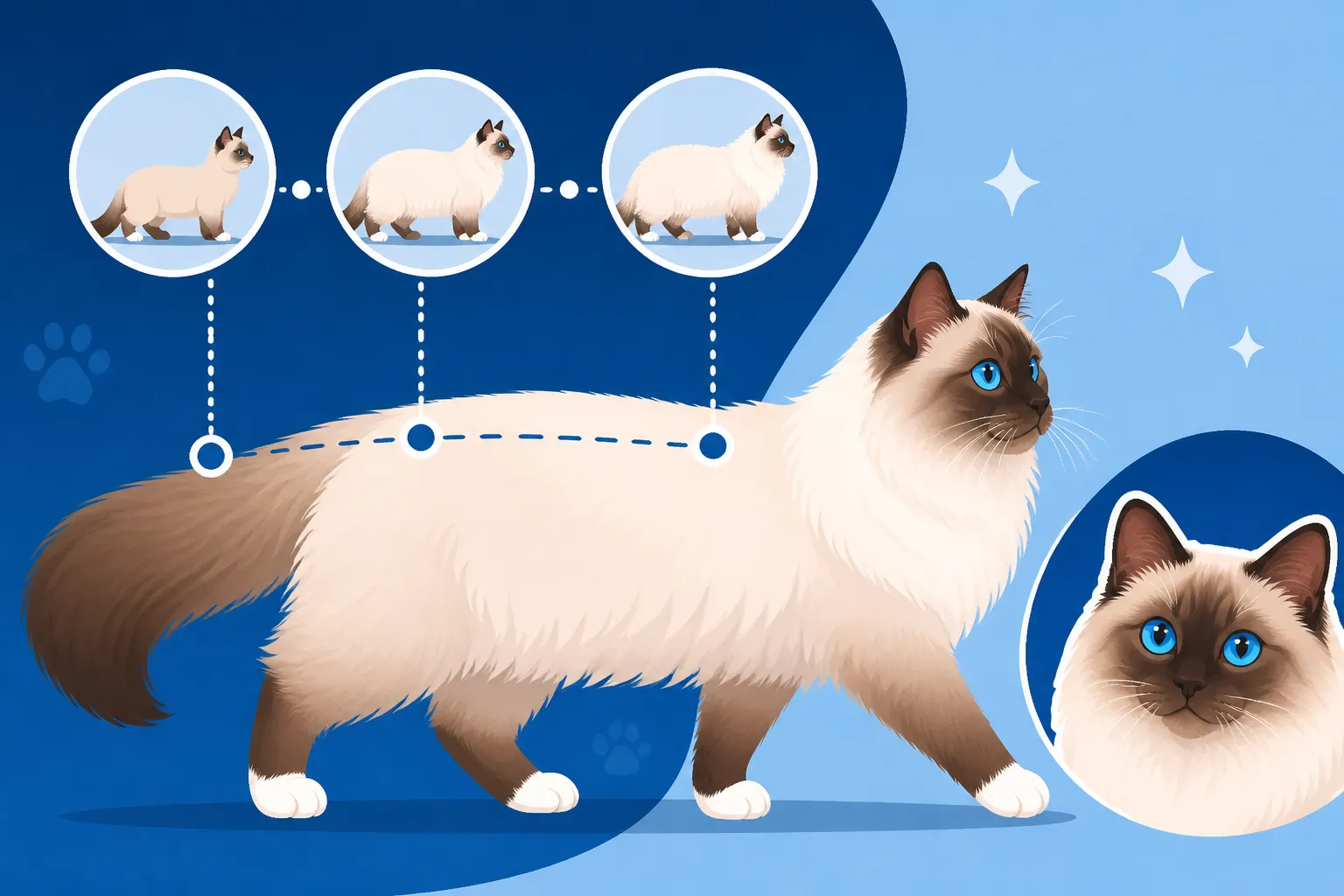
How Long a Birman Tom Grows Along the Body
One of the most common questions new Birman parents have is about the size their beautiful floof will eventually reach, especially for the boys. It's easy to look at a lanky, long-bodied adolescent Birman tom and wonder when they'll truly fill out and how long that impressive physique will get. This guide is here to walk you through the fascinating growth journey of a Birman tom, detailing the stages from playful kitten to magnificent adult, so you know exactly what to expect.
The Birman's Unique Growth Trajectory: More Than Just Length
Unlike some domestic shorthairs that seem to reach their adult size in a flash, the Birman, particularly the robust tom, takes its sweet time. It's a journey marked by distinct phases, where length often comes before bulk, and patience is truly a virtue for those admiring their developing feline friend. You'll watch them transform from a tiny, almost white bundle into a cat of considerable presence, and it's a joy to behold every step of the way.
Early Kittenhood: A Fluffy Start
When your Birman tom first joins your home, they're likely a fluffy, energetic ball of curiosity. At this tender age, usually around 12-16 weeks, they are still quite small, their pointed markings are just beginning to show, and their potential adult size is barely hinted at. They’re all curiosity and clumsiness, with oversized paws that promise future grandeur. During these initial months, their growth is rapid in terms of overall development and gaining basic weight, but the true lengthening and filling out are still on the horizon.
Think of this stage as the foundational building blocks. They're developing strong bones and learning to navigate their world, but they haven't started to stretch into their adult proportions yet. Their coat, still relatively short, will soon begin its characteristic growth, especially around the ruff and tail plume. They are, essentially, miniature versions of the majestic cats they will become, with a lot of growing still ahead of them, both physically and mentally. This early phase is critical for socialization and establishing good habits, ensuring they grow into well-adjusted adults, even if they're still several pounds short of their final weight.
The Adolescent Stretch: Length Before Bulk
As your Birman tom moves past six months and into their first year, you'll start to notice a significant change. This is the "adolescent stretch" phase. Suddenly, they'll seem to lengthen dramatically. Their bodies become lankier, their legs appear longer, and they might even look a bit gangly or awkward. This is completely normal! During this period, their skeletal structure is extending, laying the groundwork for the full length they will eventually achieve. They might look a bit disproportionate, like a teenager who's grown several inches in a summer, all arms and legs, with their future bulk yet to catch up.
Many Birman owners observe their cats becoming quite lean during this time, even if they're eating well. It's because their energy is being poured into growing long. You might find them stretching out impressively across the sofa or along a sunny windowsill, making you marvel at just how much they've grown. This is also when their coat really starts to come in, contributing to their perceived size, especially the glorious ruff around their neck. Don't be surprised if they still feel relatively light for their apparent size; the density and muscle mass will develop later. If you're wondering about their long-term development, you might find comfort in knowing that Why a Birman is Still Filling Out at Three highlights just how patient you need to be.
Understanding the Full Growth Period of a Birman Tom
The Birman isn't a "fully grown by one year" kind of cat. They are a breed known for their slow, deliberate maturation, which means you'll enjoy watching them develop and refine their physique for quite some time. This extended growth period is part of what makes them such a captivating and enduring companion. Their physical development is a marathon, not a sprint, allowing them to build a sturdy, healthy frame that will serve them well into their senior years.
Reaching Full Length: It Takes Time
While a Birman tom will gain a good deal of its length by its first birthday, it's not the final stop. Many Birmans continue to lengthen and expand their frame well into their second year, sometimes even subtly into their third. This is why you might hear breeders or experienced owners talk about Birmans "filling out" over several years. Their spine, rib cage, and limb bones are all still subtly adjusting and maturing. The full, long, rectangular body shape that is characteristic of the breed truly takes its time to establish.
Imagine tracing your Birman's body when they're a year old and then again when they're two or three. You'll likely notice a noticeable difference in their overall reach and stature. They become more substantial, their lines more defined. It's not just about getting taller or longer; it's about the entire frame reaching its genetic potential. This protracted growth also means that their internal organs and skeletal system mature at a more gradual pace, which contributes to their overall health and longevity. The article How Long a Birman Tom Grows Along the Body delves deeper into the specifics of this extended timeline.
The Weight and Muscle Gain That Follows Length
Once a Birman tom has largely achieved its maximum skeletal length, typically between 18 months and two years, the next phase of growth kicks in: filling out. This is where they start to gain significant muscle mass and density, transforming from that lanky adolescent into a truly majestic and robust adult. Their chests will broaden, their hindquarters will become more powerful, and their overall presence will increase. This is when they transition from feeling somewhat delicate to feeling quite substantial in your arms.
This filling-out period can continue for another year, meaning a Birman tom might not reach its fullest weight and musculature until it's three years old. Their glorious coat, especially the ruff and tail, also reaches its maximum thickness and length around this time, further adding to their impressive appearance. They’re building strength and developing the powerful, yet graceful, physique for which the breed is admired. If you're curious about the ultimate scale of your male Birman, How Heavy a Full Grown Birman Tom Gets provides excellent insights into their mature weight.
Factors Influencing a Birman Tom's Size
While genetics play the most significant role in determining a Birman tom's ultimate size, several other factors can influence their growth and development.
- Genetics and Lineage: This is paramount. A tom from lines known for producing larger cats is likely to be larger himself. Responsible breeders often consider the size and build of the parents and grandparents when planning litters, aiming for healthy, well-proportioned offspring.
- Nutrition: Adequate nutrition during all stages of growth is crucial. A diet rich in high-quality protein, essential fats, and balanced vitamins and minerals supports healthy bone, muscle, and coat development. Insufficient or poor-quality food during critical growth phases can potentially stunt growth or lead to a less robust adult cat.
- Overall Health: Any significant illness or chronic health issue during kittenhood or adolescence can impact a cat's ability to grow to its full potential. Regular veterinary check-ups are vital to ensure your Birman is thriving.
- Activity Levels: While Birmans aren't hyperactive, moderate, consistent play helps build muscle tone and supports skeletal health. Too little activity might lead to a less muscular build, while excessive, high-impact activity in early growth stages could potentially stress developing joints, though this is less common in the placid Birman.
Understanding these factors helps you provide the best possible environment for your Birman tom to reach its full, glorious potential. It's about supporting their natural growth rather than trying to force it.
Practical Care for a Growing Birman Tom
Nurturing a growing Birman tom is a rewarding experience, requiring attention to their specific needs as they develop. From what they eat to how they play, every aspect of their care contributes to their journey towards becoming a magnificent adult.
Tailored Nutrition for Healthy Development
Feeding a growing Birman tom isn't just about putting food in a bowl; it's about providing the right fuel for their extended growth period. High-quality nutrition is paramount, especially considering their slower maturation process and the eventual need to support a robust frame and a luxurious coat. Look for cat foods that list real meat as the first ingredient and are formulated for kittens or all life stages, ensuring a good balance of protein, fat, and essential nutrients.
Many owners find a mix of wet and dry food works best. Wet food contributes to hydration, which is vital for overall health, including kidney function, while dry kibble can help with dental hygiene and provides a consistent energy source. Brands like Chewy, with their vast selection, offer many high-quality options, from grain-free to limited ingredient diets. Fresh, human-grade food with meal plans tailored to your cat's age and activity level can also be ideal for supporting sustained growth. Even a quick search on Amazon reveals numerous reputable brands offering specialized formulas for kittens and growing cats. Remember that Why a Growing Birman Kitten Eats More Than You Expect is a crucial read for ensuring they get enough sustenance during this intensive period. Always ensure fresh water is available, perhaps even a fountain to encourage drinking, which is especially important for breeds with a predisposition to certain kidney conditions.
Encouraging Healthy Activity and Play
Birmans are known for their gentle and playful nature, and while they might not scale curtains like a Siamese, they definitely need regular engagement to develop healthy muscles and maintain a good weight. Encouraging appropriate play is key to their physical and mental well-being. Opt for interactive toys like wand teasers, laser pointers (used responsibly to avoid frustration), and puzzle feeders that stimulate their minds. They also love to chase small, soft toys, often bringing them back for another round.
The goal is regular, moderate activity. A couple of 15-20 minute play sessions a day are usually sufficient for a Birman tom, even as they approach adulthood. This helps them build and maintain muscle mass without putting undue stress on their developing joints. Remember that How Much Play a Birman Wants a Day is usually less intense than for more high-energy breeds. They also appreciate vertical spaces, like cat trees, though they might prefer mid-height perches over scaling to the absolute ceiling. Ensuring they have places to scratch and stretch is also vital for muscle and joint health.
Regular Vet Check-ups and Monitoring
Consistent veterinary care is fundamental to ensuring your Birman tom grows into a healthy adult. Regular check-ups allow your vet to monitor their growth, assess their overall health, and catch any potential issues early. During these visits, your vet will likely track their weight, listen to their heart, and perform a general physical examination. Discuss any concerns you have about their growth or development, as your vet can provide tailored advice based on their individual progress.
Beyond routine check-ups, being observant at home is important. You can easily track your Birman's length by marking a spot on the wall or using a large, soft tape measure while they are relaxed. Pay attention to how their body condition changes. Are they too thin for their length, or are they gaining weight appropriately? A Birman tom should have a lean, athletic feel during its lengthening phase and then gradually fill out with muscle. Early veterinary visits, like those detailed in What a Birman Kitten Has Had Done by Thirteen Weeks, set the stage for a lifetime of good health. A healthy Birman tom will continue to add coat and a bit of weight for several years, so don't be alarmed if they are still maturing at an age when other cats are already considered fully grown. Indeed, How Long a Birman Keeps Adding Coat and Weight confirms this extended development.
Here's a quick overview of what you can expect during your Birman tom's growth:
| Age Range | Primary Growth Focus | Physical Appearance | Activity Level | Nutritional Needs (General) |
|---|---|---|---|---|
| 0-6 Months (Kitten) | Rapid initial growth, bone development | Small, fluffy, points developing, still quite round | High | High protein, calorie-dense kitten food |
| 6-18 Months (Adolescent) | Significant lengthening of frame | Lanky, lean, long body, growing ruff and tail | Moderate-High | High-quality kitten/all life stage food |
| 18 Months – 3 Years (Young Adult) | Filling out, muscle development, coat maturation | Robust, well-muscled, broad chest, full ruff/tail | Moderate | High-quality adult/all life stage food |
| 3+ Years (Adult) | Maintenance | Full size, settled weight, luxurious coat | Moderate | Balanced adult formula, weight management if needed |
As you can see, the journey for a Birman tom to reach its full, magnificent size is a gradual one, often extending well into its third year. This extended period of development allows them to build a strong, healthy body and mature into the gentle, impressive companions we all adore. Enjoy every stage of their growth, knowing that with good care, you'll have a beautiful, long-bodied Birman tom gracing your home.
Disclaimer
This article is for general informational purposes only and does not constitute professional advice. Laws, prices and regulations vary by location and change over time. Consult a qualified professional for guidance on your specific situation.