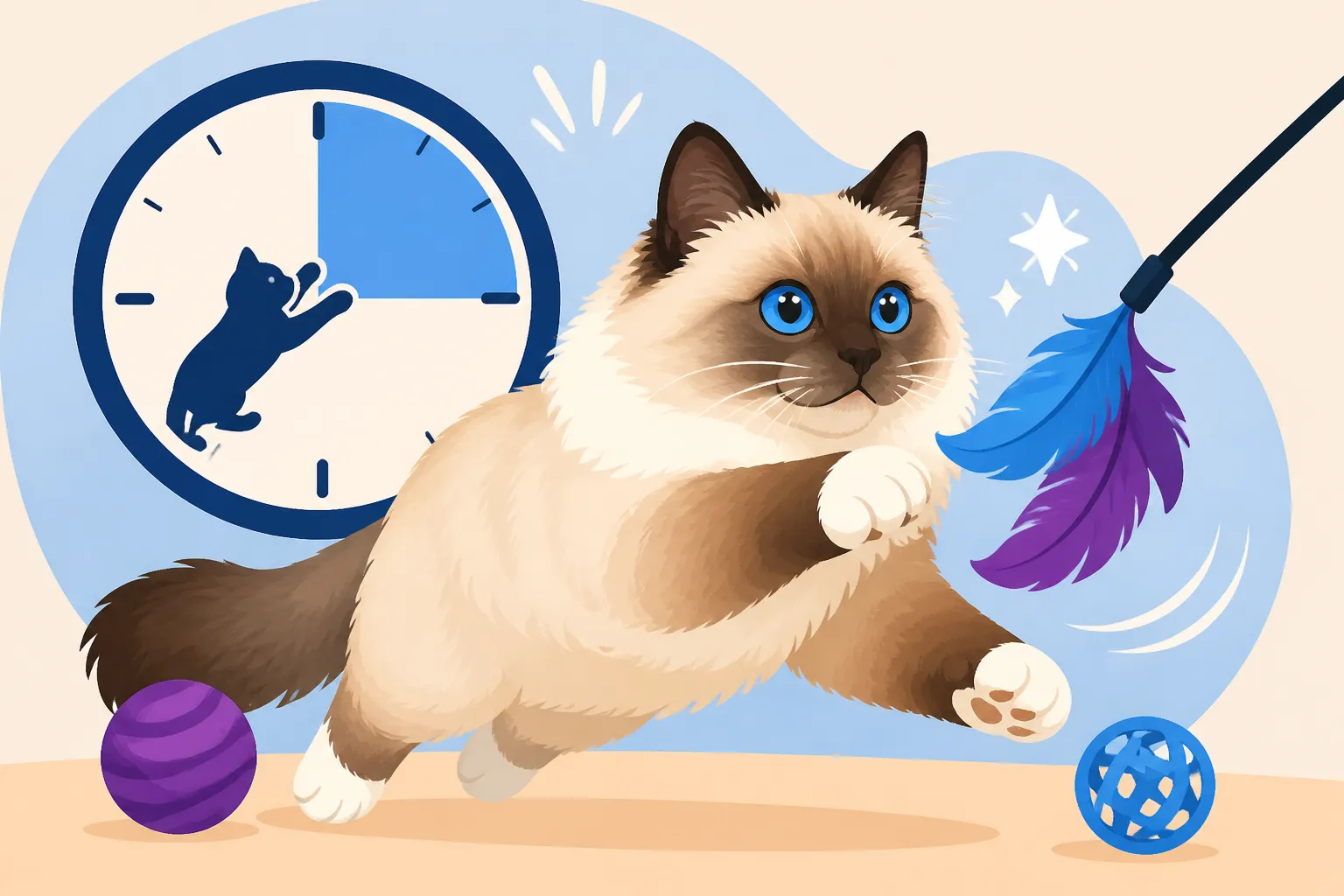
How Much Play a Birman Wants a Day
It’s a common misconception that because Birmans are known for their calm and gentle demeanor, they don't really need much playtime. Many people fall in love with their placid nature and those stunning blue eyes, thinking they’ll get a beautiful, serene lap cat that’s content to simply exist. However, beneath that silky coat and sweet expression, there’s still a cat that needs mental and physical enrichment. If you're wondering how much play your Birman truly desires to stay happy and healthy, you're in the right place. This guide will walk you through understanding your Birman's unique play needs, how to structure their daily activities, and what types of games truly capture their interest.
Understanding the Birman's Unique Play Personality
When you picture a cat playing, what often comes to mind is a blur of hyperactive energy, chasing after laser pointers or scaling cat trees with wild abandon. While some breeds certainly fit that mold, the Birman, with its serene disposition, carves out its own distinct niche in the world of feline play. It’s not that they don't enjoy a good romp; it's just that their approach to play is far more refined and, dare I say, civilized than many of their feline cousins.
The Birman's "Middle-of-the-Road" Energy Level
If you've ever spent time around a Siamese, you know what boundless energy looks like. They're constantly on the go, vocalizing their every thought, and often bouncing off the walls. On the other end of the spectrum, you have breeds like the Persian, known for their ultra-relaxed, often sedentary lifestyle, perfectly content to be a fluffy, decorative pillow. The Birman, beautifully, sits right in the sweet spot between these two extremes. They possess an elegant balance of energy that makes them active without being overwhelming.
This "middle-of-the-road" energy means your Birman won't likely be performing acrobatic feats from your curtains or demanding constant, high-octane entertainment. Instead, they have bursts of playful energy that are usually shorter and less intense. They'll wake from a nap, stretch languidly, and then perhaps pad over to you with a hopeful look, ready for a gentle game. They're not going to nag you endlessly, but they absolutely thrive on interaction. Understanding this nuanced energy level is key to appreciating their particular brand of fun. It’s why The Birman Sits Between the Siamese and the Persian, offering a wonderful blend for many households.
Quality Over Quantity: How Birmans Prefer Engagement
For a Birman, play isn't just about expending energy; it's about connection and engagement. They often prefer interactive play sessions where you are involved, rather than just batting around a toy on their own for hours. Think of it less as a solo workout and more as a shared activity. A good play session for a Birman often involves you dangling a feather wand, gently tossing a soft pom-pom, or rolling a crinkle ball. They enjoy the chase, the pounce, and the "capture," but they also value the presence and attention of their human companion.
This preference for quality engagement means that even shorter play sessions, if they are focused and interactive, can be incredibly satisfying for your Birman. Twenty minutes of engaged, one-on-one play can mean more to them than an hour of being left with a room full of toys to entertain themselves. They love feeling like they're doing something with you. This doesn't mean they won't bat at a toy mouse now and then, but their deepest satisfaction comes from shared moments.
Why a Birman Plays Gently
One of the most endearing qualities of the Birman, especially for families with children or other pets, is their inherently gentle nature during play. Unlike some breeds that might get overstimulated and use claws or teeth a bit too enthusiastically, Birmans tend to play with their claws sheathed. Their playful pounces are usually soft, their "attacks" are more theatrical than aggressive, and their bites are mere nips of affection, if they happen at all.
This gentle play style is part of their charm and why Why a Birman Plays Gently is such an important characteristic. They aren't prone to roughhousing in a way that risks injury to themselves or their playmates, be they human or animal. If a game becomes too intense for them, or if they feel overwhelmed, a Birman is far more likely to simply walk away than to lash out. This makes them incredibly safe and pleasant companions, even for young children who are still learning how to interact respectfully with animals. Their placid temperament means you rarely have to worry about an accidental scratch during a vigorous play session.
Daily Playtime Recommendations for Your Birman
So, if Birmans are active but not hyper, how much play do they actually need in a day? It’s less about a rigid schedule and more about tuning into their individual rhythms and ensuring their needs are met across different life stages.
Kitten vs. Adult vs. Senior: Age-Specific Needs
Just like humans, a Birman's play requirements evolve as they age. A tiny Birman kitten, fluffy and full of nascent energy, will naturally demand more frequent and perhaps slightly more vigorous play sessions than a wise old senior.
- Birman Kittens (up to 1 year): These little bundles of fluff are exploring the world and developing their coordination. They'll need several short play sessions throughout the day, maybe 3-5 sessions of 10-15 minutes each. Their play will be full of pouncing, chasing, and learning boundaries. This is the time to introduce them to various toys and interactive games. Even at this stage, their inherent gentleness means less frantic energy than other breeds, but they are still developing muscle and agility.
- Adult Birmans (1-10 years): Once they reach adulthood, their energy mellows a bit. Two to three focused play sessions of 15-20 minutes each day are usually sufficient. This helps them stay physically fit, mentally stimulated, and maintains the bond between you. You'll find they enjoy consistent routines and look forward to their designated playtimes. Remember, Why a Birman Keeps Playing Into Middle Age means you shouldn't neglect playtime just because they're not a kitten anymore. They still crave that interaction and mental workout.
- Senior Birmans (10+ years): As Birmans enter their golden years, their pace slows down considerably. Play sessions will become shorter and gentler, often tailored to their reduced mobility or any aches and pains they might have. One or two 5-10 minute sessions might be perfect. Soft toys, slow wand play, or even just gentle pats and interaction can be enough. The goal shifts from high-energy expenditure to maintaining mental engagement and comfort. Keep an eye out for signs like giving up old habits (What a Birman Stops Doing Once It Passes Ten), as a decrease in activity can sometimes signal discomfort rather than just age.
Structuring Play Sessions: Short, Frequent Bursts Work Best
Forget the idea of one marathon play session to exhaust your Birman for the day. Their energy profile means they thrive on shorter, more frequent bursts of activity. Imagine fitting in quick "play snacks" throughout your day rather than one big "play meal." This approach aligns perfectly with their natural inclination for short periods of activity followed by long, luxurious naps.
For example, you might do a 15-minute wand play session first thing in the morning before you head to work. Then, another quick 10 minutes when you get home, perhaps followed by a longer, more engaging session in the evening. Even a few minutes of focused play can make a big difference. These smaller, distributed sessions prevent overstimulation and keep your Birman consistently engaged without becoming overwhelmed or bored. It also ensures they have something to look forward to throughout the day, rather than waiting for one big event. Consistency is more important than duration in this case.
Recognizing When Your Birman Has Had Enough: Subtle Cues
Because Birmans are so placid and undemanding, it can sometimes be tricky to tell when they’ve had enough playtime. They're not usually ones to suddenly hiss or swipe to signal their boundaries. Instead, they communicate their limits with much more subtle cues. Learning to read these quiet signals is crucial for respectful interaction.
Look for a decrease in enthusiasm: they might stop chasing the toy with as much vigor, their pupils might no longer be dilated with excitement, or they might simply start walking away from the game. You might notice them settle down, begin grooming themselves, or simply lie down with a gentle blink. If they start looking away from the toy or seem distracted, it's probably time to call it quits. Pushing them past this point isn't beneficial; it can lead to frustration for both of you. Always end play on a positive note, perhaps with a final "catch" of the toy, allowing them to feel successful. This makes them more eager to play again next time.
The Best Types of Play to Engage Your Birman
Not all play is created equal when it comes to a Birman. Their gentle temperament and preference for interaction mean certain types of toys and games will be far more engaging than others. Forget high-tech gadgets or complicated obstacle courses; simplicity and interaction are often the keys to their heart.
Interactive Play: Wand Toys, Laser Pointers, and Fetch
Interactive play is where the Birman truly shines. These are games that involve you actively participating, mimicking the natural hunting behaviors that cats instinctively enjoy.
- Wand Toys: These are often the absolute favorites. Feather wands, strings with soft toys attached, or even simple ribbons on a stick can provide endless entertainment. The erratic, bird-like movements of a wand toy tap into their prey drive. Remember to let your Birman "catch" the toy frequently to avoid frustration. There are many fantastic options available on Amazon that are durable and engaging, from simple feather teasers to more elaborate attachments.
- Laser Pointers (with caution): While exciting, laser pointers should be used thoughtfully. Birmans love to chase the elusive red dot, and it can provide excellent exercise. However, the lack of a tangible "catch" can be frustrating. Always end a laser session by redirecting them to a physical toy they can capture and "kill," like a soft mouse or a crinkle ball, to give them that satisfying conclusion to the hunt.
- Gentle Fetch: Believe it or not, many Birmans enjoy a soft game of fetch! They might not bring it back right to your hand every time, but they often enjoy you tossing a lightweight toy (like a crinkle ball or a soft pom-pom) and then bringing it back to a general vicinity for you to toss again. It's another way to engage them with minimal effort on your part, and it strengthens your bond. Consider looking on Amazon for multi-packs of soft, quiet balls specifically designed for cats if your Birman is a fetch enthusiast.
Independent Play: Puzzle Feeders, Soft Toys, and Climbing Structures
While Birmans crave interaction, they also benefit from opportunities for independent play, especially if you work or have a busy schedule. These toys can keep their minds stimulated and offer an outlet for solitary amusement.
- Puzzle Feeders: These are brilliant for mental enrichment. They challenge your Birman to "work" for their treats or kibble, engaging their problem-solving skills. They come in various difficulty levels, from simple treat-dispensing balls to more intricate mazes. This is a fantastic way to slow down a fast eater or provide stimulation when you can't actively play. Which Puzzle Feeder Suits a Birman might surprise you; they often prefer simpler, more intuitive designs over overly complex ones.
- Soft Toys: Simple, soft toys like mice, birds, or crinkle balls are perennial favorites. Birmans often enjoy carrying these around, batting them gently, or even "killing" them with soft bunny kicks. These should be small enough for them to pick up comfortably.
- Climbing Structures (Modest): While Birmans aren't usually extreme climbers like some high-energy breeds, they do appreciate cat trees or shelves that offer a moderate height. They enjoy perching a few feet off the ground to observe their surroundings or to simply nap in a sunbeam. They don't typically aim for the ceiling, but a sturdy, mid-height cat tree with a comfortable perch can be a big hit. How Much Height a Birman Bothers to Jump For is usually quite modest, so don't feel you need to invest in a skyscraper of a cat tree.
Social Play: How Birmans Interact with Other Pets or People During Play
Birmans are famously social creatures, and their play often extends beyond one-on-one sessions with a human. They thrive on companionship, and this often translates into shared playtime.
- With Other Cats: If you have multiple Birmans or a Birman and another compatible cat, you'll often see them engaging in gentle wrestling, chasing each other, or mutual grooming that can turn into playful swatting. They tend to be very tolerant and respectful playmates. This is one of the reasons Why a Birman Does Better With Company is often recommended, as another feline friend can provide endless, gentle entertainment for them. You'll often find Why Two Birmans Cost Less Than Twice One when breeders encourage adopting littermates for companionship.
- With Dogs: Their calm and accepting nature means Birmans can often integrate beautifully into a home with a cat-friendly dog. They might not engage in intense chase games, but they can certainly enjoy lying near a dog, perhaps batting at their tail playfully, or even sharing a sunbeam. Why a Birman Settles Next to a Dog Within a Week speaks volumes about their adaptability.
- With Children: As mentioned, their gentle play style makes them excellent companions for children. They'll tolerate gentle petting and can even engage in games of hide-and-seek or soft tossing. Teaching children Teaching a Child to Support a Birman's Long Back is important, but the Birman's inherent patience often makes these interactions smooth and safe. They'll often enjoy simply being near the activity, observing with their deep blue eyes, occasionally joining in when the mood strikes.
Common Playtime Pitfalls and How to Avoid Them
Even with the best intentions, it's easy to fall into certain traps when trying to provide play and enrichment for your Birman. Being aware of these common pitfalls can help you ensure your Birman remains a happy, well-adjusted member of your family.
Overstimulation vs. Understimulation: Finding the Balance
This is perhaps the trickiest balance to strike with a Birman.
- Understimulation can lead to boredom, lethargy, or even destructive behaviors like scratching furniture or over-grooming. A Birman that doesn't get enough mental or physical engagement might become withdrawn or start to exhibit subtle signs of stress. They might stop following you from room to room or seem less interested in their surroundings.
- Overstimulation, on the other hand, is less common with Birmans due to their laid-back nature, but it can happen if play sessions are too long, too intense, or too frequent without adequate rest. While they might not show it with aggression, an overstimulated Birman might become anxious, hide more, or simply refuse to engage.
The key is finding their individual rhythm. Pay close attention to their cues. If they’re retreating or losing interest, it’s time to stop. If they’re constantly looking for attention or seem restless, they likely need more structured playtime. Remember their preference for short, frequent bursts, and always prioritize quality interaction over sheer quantity. It's a continuous learning process to understand your specific Birman's needs.
The Importance of Variety: Preventing Boredom
While Birmans aren't usually demanding, even the most patient cat can get bored with the same old routine and the same old toys day in and day out. Introducing variety is crucial to keeping them mentally stimulated and engaged.
Think about rotating their toys, perhaps having a "toy box" from which you select a few different items each week, putting the others away. This makes old toys feel new again when they reappear. Experiment with different types of wand toy attachments (feathers, ribbons, soft critters), different textures of balls, or new puzzle feeders. You don't need to spend a fortune; even a crumpled piece of paper or a cardboard box can be a source of novelty. The goal is to keep their environment fresh and interesting, tapping into their natural curiosity without overwhelming their gentle senses. A quick search on Amazon for "cat toy variety packs" can give you a lot of options to cycle through!
Ignoring Subtle Invitations: Why You Shouldn't Miss Their Quiet Cues
Birmans are not known for their loud demands. They rarely "yowl" or incessantly meow like some other breeds. Instead, they often communicate their desire for attention or play with subtle, almost imperceptible invitations. Missing these cues can inadvertently leave your Birman feeling ignored, even if you don't mean to.
A Birman might ask for play by:
- Sitting quietly next to you, gazing up with wide, hopeful eyes.
- Gently head-bunting your leg as you walk past.
- Softly trilling or purring as they approach.
- Bringing a favorite toy and dropping it near your feet.
- Pacing slightly near their favorite play area.
These are their quiet ways of saying, "Hey, I'm ready for some fun!" Because they are so undemanding, it’s easy to overlook these soft requests when you're busy. Make a conscious effort to acknowledge and respond to these invitations, even if it's just for a five-minute session. Showing them you notice and care about their needs reinforces your bond and helps them feel valued. This responsiveness is key to truly understanding What a Withdrawn Birman Is Telling You if you notice them becoming less engaged. Ignoring these gentle nudges can lead to a Birman that eventually stops trying to initiate interaction, which nobody wants.
Remember, a Birman's joy isn't expressed in boisterous chaos, but in quiet contentment and gentle engagement. By understanding their unique needs and responding with thoughtful, interactive play, you'll ensure your sacred cat of Burma remains a cherished, happy, and well-adjusted companion for years to come.
Disclaimer
This article is for general informational purposes only and does not constitute professional advice. Laws, prices and regulations vary by location and change over time. Consult a qualified professional for guidance on your specific situation.