Why Two Birmans Cost Less Than Twice One
It’s a common misconception, isn't it? You fall in love with one beautiful Birman, and then you start picturing a second one, and suddenly your mind screams, "That's double the cost!" It’s a very real concern for anyone trying to budget for their beloved companions. But what if I told you that while some costs do double, many significant expenses for owning two Birmans don't quite hit that mark, making the idea of a Birman pair much more feasible and even beneficial for their well-being? This guide will dive deep into the financial realities, uncovering where your money really goes and where you might find some surprising savings when you decide to bring home not one, but two, of these gorgeous, placid cats.
The Upfront Price of a Birman Duo: Where the Wallet Takes a Hit
Let's be completely honest upfront: the initial investment for two Birmans will be considerably more than for one. This is often the biggest hurdle for prospective owners, and it's where the "double the cost" perception feels most accurate. The price of a well-bred Birman kitten reflects the breeder's dedication, health testing, and the extensive care that goes into raising healthy, well-socialized cats. When you bring two home, whether simultaneously or a little later, you're looking at two separate purchase prices.
The Initial Purchase Price Tag
A reputable Birman breeder invests significantly in their lines, from ensuring the health and temperament of the parent cats through genetic testing for conditions like FOXN1 and PKD1, to providing optimal nutrition, veterinary care, and socialization for their kittens. This dedication naturally translates into the kitten's price. When you're ready for two, you're essentially buying two of these carefully reared youngsters. You might get a slight discount for purchasing a pair from the same litter, or even a bonded adult pair, but generally, you'll pay for each cat individually. It's an investment in two healthy lives, and it's often the most substantial single expense you'll face.
Moreover, the quality of a Birman's "gloves" (the white markings on their paws) can also impact the price. A breeder might have one kitten with perfect show-quality gloves and another with a slight "mismark," leading to different price points within the same litter. So, while you're paying for two, the exact sum can vary even then. It's always wise to ask a breeder if they offer any incentive for taking a pair, especially since Why Birman Breeders Often Sell Two Kittens Together as a pair often settle into a new home with much less stress.
Double the Initial Vet Visits and Procedures
Right after the purchase, your two new Birman kittens will need their first vet check-ups, follow-up vaccinations, deworming, and microchipping. Each of these services is typically charged per animal. If you choose to spay or neuter your Birmans, which is highly recommended for pet cats, you'll be paying for two separate procedures. These aren't insignificant costs, as they involve anesthesia, surgery, and post-operative care.
It's crucial to factor in these expenses when considering a pair. While the vet might offer a small multi-pet discount on an exam fee, the core costs of vaccinations and surgeries will apply to each cat. For instance, the cost of their first comprehensive health check, including a thorough examination and any necessary booster shots, will be for two separate individuals. However, starting these routines early is vital for their long-term health, and a healthy start can prevent more costly issues down the road. You'll want to ensure both kittens receive their full course of vaccinations and preventative parasite treatments.
Shared Ongoing Costs: Where the Savings Bloom
This is where the magic really happens for multi-Birman households. Many day-to-day expenses don't simply double when you add a second cat, and some even offer surprising economies of scale. Think about it, while you need two cats, you don't necessarily need two of everything. This is where the budget often breathes a sigh of relief.
Food and Litter: The Real Deal
You might assume twice the cats means twice the food and litter. While their consumption does increase, it's rarely a straight double. For food, buying a larger bag of high-quality kibble from a retailer like Chewy often comes with a better per-pound price. You're effectively buying in bulk, which single-cat owners can't always do without food going stale. Many Birmans are quite content with the same food, making bulk purchases practical.
Similarly with litter, you'll go through more, but buying larger containers or multi-packs is usually more cost-effective than buying two small containers. Moreover, a cat litter box that accommodates one Birman comfortably can often accommodate two, provided it's scooped regularly. Some owners will opt for an extra box to avoid territorial disputes, but the actual litter consumption often isn't a precise doubling. Plus, since Why a Birman Will Quietly Eat Everything You Leave Down without demanding, you'll find portion control is key to keeping them both healthy without overfeeding. Remember, a Birman's kidney history makes adequate water intake critical, so wet food can be a good investment.
Toys, Beds, and Cat Trees: Often Shared
Cats, Birmans included, aren't always particular about having their "own" specific toy or bed. A new cat tree or a comfy bed will often be shared, or at least take turns being occupied. While you'll want to ensure there are enough appealing options to go around to prevent squabbles, you won't need two of every single item. One really great wand toy can entertain both cats for ages, and they might even play together, chasing the same laser pointer dot or batting at the same crinkle ball.
Think about scratching posts or cat trees: a large, sturdy cat tree can become a multi-level playground and napping spot for both Birmans. They often enjoy being in close proximity, even if not directly sharing the same perch. Rather than buying two smaller, cheaper trees, investing in one robust, multi-perch structure can serve both admirably. This shared enjoyment often means you're buying quality over quantity, knowing it will get double the use, but not necessarily double the initial outlay. Which Toys Suit a Birman That Plays Quietly are perfect for sharing.
Grooming Supplies: One Set Works for Two
Birmans are known for their beautiful, silky coats, which, thankfully, are relatively easy to maintain due to their lack of an undercoat. No Undercoat Is What Makes a Birman Easy to Groom. You'll need a good quality comb, a nail clipper, and perhaps some cat-specific shampoo for the occasional bath, especially to keep those famous white gloves pristine. The good news? One set of these tools will work perfectly for both Birmans. You don't need two brushes, two nail clippers, or two bottles of shampoo.
You'll be spending time grooming each cat individually, but the initial purchase of the tools is a one-off cost that benefits both. Investing in a good quality comb, like a metal greyhound comb, means it will last for years, regardless of how many Birmans you own. This is a clear area where the cost remains singular even for a pair. You might find you spend a bit more on conditioning sprays or specialized paw wipes if you're meticulous about their white feet, but the fundamental grooming kit remains the same.
The Hidden Savings: Behavioral and Emotional Benefits
Beyond the tangible items, there are significant, often overlooked, benefits to having two Birmans that can translate into "hidden" savings, reducing stress for both you and your feline friends. Birmans are incredibly social and thrive on companionship, making them ideal candidates for multi-cat households. Why a Birman Does Better With Company is a truth many owners discover.
Emotional Well-being and Reduced Stress
A lonely Birman can develop behavioral issues stemming from boredom or separation anxiety. These might manifest as destructive scratching, excessive vocalization, or even litter box mishaps – all of which can lead to repair costs, vet bills, or specialist consultations. With a companion, Birmans often entertain each other, providing mental and physical stimulation that a single cat might lack, especially if you work long hours.
Having a playmate means they're less likely to seek out inappropriate outlets for their energy or attention. They groom each other, wrestle, and nap together, fulfilling their natural social instincts. This contentment often results in a calmer, happier household and, indirectly, saves you money on potential property damage or behavioral interventions. Why a Birman Hides Illness Behind a Placid Temperament, so a companion who notices subtle changes can also be a quiet early warning system.
Company When You're Away
If you work full-time or travel occasionally, two Birmans will keep each other company, reducing the need for costly pet sitters or boarding facilities. While you'll still need someone to check on them, feed them, and clean their litter, the mental comfort of knowing they aren't completely alone can be invaluable. A single Birman might fret more when left alone, potentially refusing food or becoming withdrawn, requiring more intense care from a pet sitter.
With a companion, they have a familiar presence, making your absence less impactful on their routine and well-being. This doesn't eliminate the need for care, but it can simplify it. A neighbor or friend might be more willing to pop in for a quick visit if they know the cats have each other for company. For longer trips, while you might still use a sitter, the cost isn't typically double what it would be for a single cat, as the visit duration is often similar. Why Boarding Unsettles a Birman More Than Most Cats highlights their need for consistent environment and company.
Training and Socialization Benefits
Two Birmans can learn from each other. Kittens are highly impressionable, and if one quickly grasps litter box etiquette or gets comfortable with grooming, the other often follows suit. This peer learning can make your job as a pet parent easier, reducing the time and effort you might otherwise spend on individual training. They also learn appropriate play boundaries from each other, leading to fewer roughhousing incidents with you.
This mutual socialization can be incredibly beneficial. They learn how to interact respectfully, sharing resources and understanding feline communication cues. This can lead to a more harmonious home environment and less stress for everyone involved. While you still need to actively participate in their training and socialization, having a built-in playmate and teacher can streamline the process.
Budgeting for a Birman Duo: Practical Financial Strategies
Bringing two Birmans into your home is a decision that brings immense joy, and with a bit of planning, it doesn't have to break the bank. Smart budgeting and strategic choices can make multi-Birman ownership a manageable and rewarding experience.
Finding the Right Breeder and Deals
As mentioned, some breeders might offer a slight discount when purchasing two kittens from the same litter. This not only helps you save a bit but also means the kittens are already familiar and bonded, making the transition to your home much smoother. Always choose a breeder who prioritizes health and temperament, providing clear documentation for genetic tests like What Testing a Birman for FOXN1 and PKD1 Together Costs and Why a Birman Breeder Still Tests for PKD. While a discounted price is appealing, never compromise on the health and ethical practices of the breeder.
Sometimes, a breeder might be rehoming a retired breeding cat or a slightly older kitten that didn't go to its original home. These cats often come with a lower adoption fee and already have established personalities, which can be a wonderful way to introduce a companion to your existing Birman or start with a pair.
Insurance Considerations for Two
Pet insurance is a lifesaver for unexpected vet bills, and with two cats, the chances of someone needing medical attention naturally increase over their lifespan. Providers like Healthy Paws often offer multi-pet discounts on their premiums. While you'll still pay for two separate policies, the discounted rate can make comprehensive coverage more affordable. It’s important to research what each policy covers, especially regarding hereditary conditions that Birmans might be prone to. Whether a Birman Policy Is Worth It Once HCM Is Excluded is a valid question to consider when looking at plans.
Having insurance for both gives you peace of mind, knowing that if one or both cats face a sudden illness or accident, you won't be hit with devastating out-of-pocket expenses. Given that How Much a Birman's First Year Costs With an Echo Included, preparing for health expenses from the start is a wise move for a Birman owner. This proactive financial planning is crucial for long-term ownership, especially as Birmans can live The Twelve to Sixteen Years a Birman Usually Gets.
Smart Shopping for Supplies
For ongoing costs like food, litter, and certain treats, leveraging online retailers like Chewy for bulk purchases or subscription services can lead to significant savings. Larger bags of premium kibble are often more cost-effective per serving, and subscribing to regular deliveries means you never run out and often get a discount. Similarly, buying large tubs of cat litter or multiple bags at once reduces the unit cost. How Much Low Dust Litter One Birman Gets Through can be substantial, so bulk buying makes sense.
Consider items that can be shared, like water fountains. Many Birmans love drinking from running water, and one large fountain can serve both cats, encouraging good hydration without needing two separate units. Investing in durable, easy-to-clean feeding bowls and litter boxes will also save money in the long run, as they won't need frequent replacement. This strategic approach to purchasing everyday essentials helps keep the combined cost well below what you might expect for two individual cats. What a Birman Budget Should Include a Yearly Echo and other preventative care, so saving on consumables helps free up funds for these vital health checks.
Here’s a quick overview of how costs often stack up for one versus two Birmans:
| Cost Category | Single Birman Expectation | Two Birmans Expectation | Reasoning |
|---|---|---|---|
| Initial Purchase | Full Price | Double Price (or slight discount) | Two individual animals bought. |
| Initial Vet Care | Full Price | Double Price | Vaccinations, check-ups, spay/neuter are per animal. |
| Food (Monthly) | X | 1.5X – 1.8X | Bulk discounts, larger bags offer better unit price. |
| Litter (Monthly) | Y | 1.5Y – 1.8Y | Bulk purchases, one large box can often suffice if cleaned well. |
| Grooming Tools | Z | Z | One set of combs, clippers works for both cats. |
| Toys & Beds | A | 1.2A – 1.5A | Many items are shared; don't need two of everything. |
| Cat Tree/Scratchers | B | 1.1B – 1.5B | One large, sturdy tree often serves both effectively. |
| Pet Insurance (Monthly) | C | 1.8C – 1.9C | Multi-pet discounts often apply, not a straight double. |
| Pet Sitter/Boarding | D | D – 1.2D | Two cats are company for each other, visits often same length. |
| Annual Vet Check-ups | E | Double E | Each cat needs individual annual exams and preventative care. |
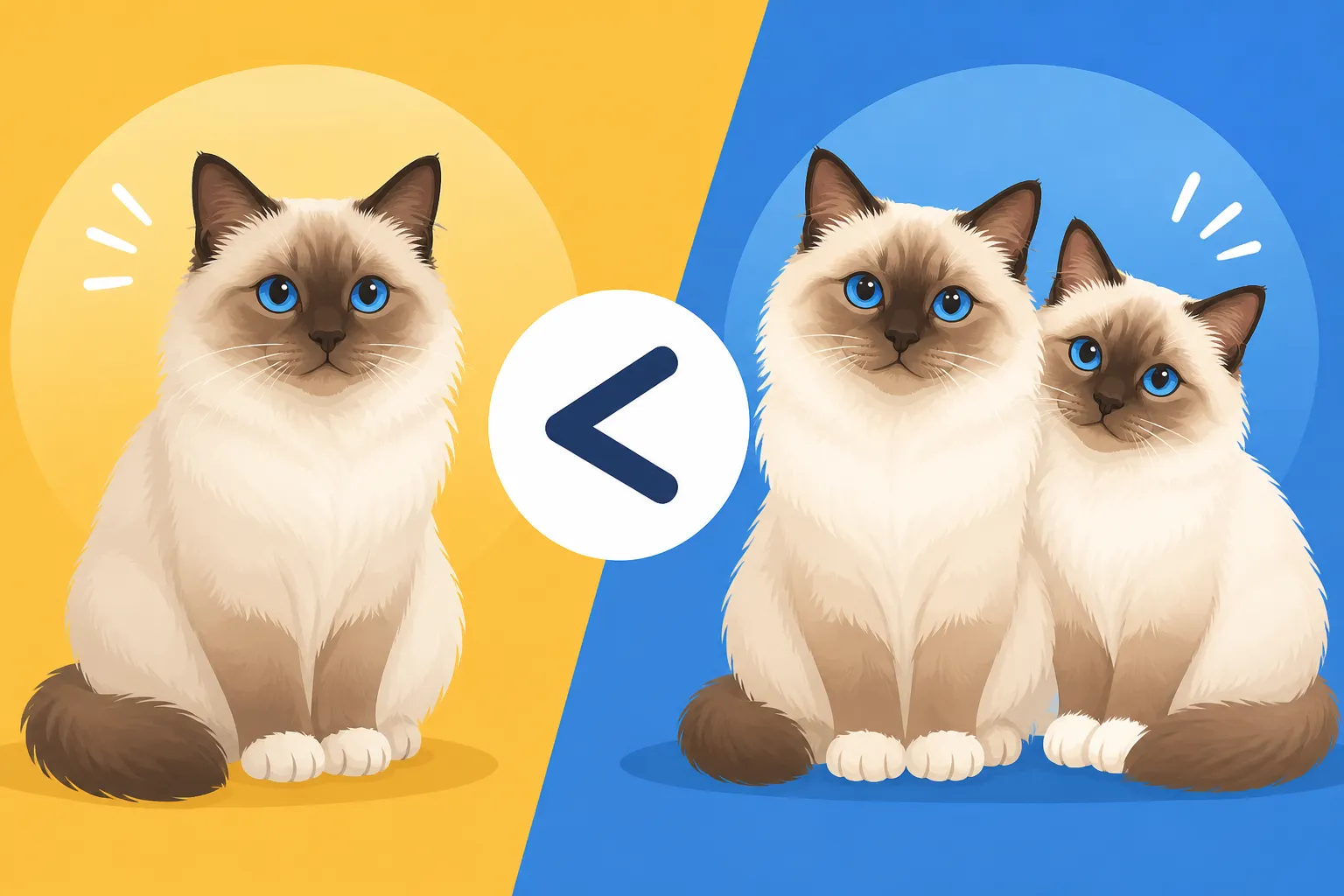
As you can see, while some crucial expenses indeed double, many others increase by a smaller margin, or even stay the same. The notion that two Birmans will precisely double your budget isn't quite accurate. In many ways, the companionship, joy, and the little practical efficiencies make welcoming two of these wonderful cats into your home a decision you won't regret.
Disclaimer
This article is for general informational purposes only and does not constitute professional advice. Laws, prices and regulations vary by location and change over time. Consult a qualified professional for guidance on your specific situation.