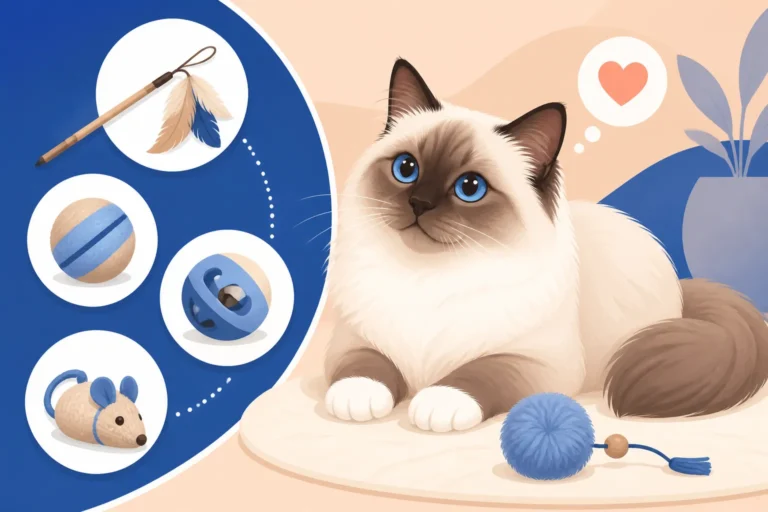
How to Make a Carrier Familiar to a Birman
We all know the scenario: you pull out the cat carrier, and suddenly your usually brave Birman transforms into a furry, four-legged shadow, disappearing under the bed or behind the sofa faster than you can say "vet visit." It's incredibly frustrating, and often heartbreaking, to have to force your beloved companion into a space they clearly associate with fear and stress. But it doesn't have to be this way! This guide is all about transforming that scary box into a familiar, even comfortable, hideaway for your Birman, making vet trips and travel much less traumatic for both of you.
Understanding Your Birman's Carrier Anxiety
It’s easy to think your Birman is being "difficult" when they bolt at the sight of the carrier, but from their perspective, it’s completely rational. Cats, by nature, are creatures of routine and comfort, and anything that disrupts that can be a source of immense stress.
Why Carriers Are a Source of Stress
For most Birmans, the carrier only ever appears when something unpleasant is about to happen: a car ride, a trip to the vet for vaccinations or a check-up, or even a move to a new home. They quickly learn to associate that particular box with these less-than-ideal experiences. Imagine if a specific suitcase only ever appeared when you were about to go to the dentist – you’d probably develop a strong aversion to that suitcase too!
Birmans, with their incredibly placid and gentle temperaments, often internalize their stress rather than showing outward aggression. This can make it harder for us to spot their fear, but it doesn't make it any less real. They might hide, become withdrawn, or simply try to make themselves invisible. Their calm demeanor, while wonderful in daily life, means they might be suffering silently. Why a Placid Birman Hides Pain The carrier represents an unknown, a confined space, and a disruption to their safe, predictable world, and that can be genuinely terrifying for a sensitive cat.
Recognizing the Signs of Fear and Discomfort
Before you can help your Birman, you need to be able to read their subtle cues. When the carrier comes out, you might notice your Birman's ears flattening, their pupils dilating, or their tail twitching nervously. Some might try to hide, darting under furniture or squeezing into tight spaces where you can't reach them.
More overt signs can include drooling, rapid breathing (panting), or even trembling. Once inside, if they’re still distressed, they might vocalize with a soft, anxious trill or a low growl, especially if they feel trapped. The Small Trill a Birman Uses Instead of a Meow In extreme cases, they might urinate or defecate inside the carrier, which is a clear sign of intense fear and serves as a major setback for future carrier training. Being able to recognize these indicators early allows you to adjust your approach and prevent further distress.
Choosing the Right Carrier for Your Birman
The type of carrier you use can make a huge difference in your Birman's comfort and your ability to get them in and out without a battle. It’s not just about getting any carrier; it’s about getting the right carrier.
Size and Comfort Considerations
First and foremost, the carrier must be appropriately sized for your Birman. These are not small cats; they have a long, rectangular body frame, and they need enough space to stand up, turn around completely, and lie down comfortably in a natural position. A carrier that is too small will feel incredibly cramped and claustrophobic, exacerbating any existing anxiety. Conversely, one that is excessively large can make them feel insecure and tossed around during transport.
Beyond size, consider the internal comfort. Good ventilation is non-negotiable, especially for a long-haired breed like the Birman, to prevent overheating and ensure a constant supply of fresh air. Look for carriers with plenty of mesh windows or openings. You'll also want to line it with soft, familiar bedding – think a favorite blanket, a soft towel, or even an old t-shirt that smells like you. This immediately makes the space more inviting and less sterile. Which Carrier Fits a Birman's Length
Material and Design Types
When it comes to carrier types, you generally have a few main choices, each with its own pros and cons for a Birman owner:
- Hard-Sided Carriers: These are typically made of sturdy plastic, are easy to clean (a huge plus if accidents happen), and offer excellent protection during travel. Their solid construction means they hold their shape well, which can be reassuring for some cats. However, they can be bulky to store, and many Birmans resist being pushed head-first through a front-opening door. For safety during car travel, a hard-sided carrier secured with a seatbelt is often recommended.
- Soft-Sided Carriers: These are often made of fabric, are lighter, and can sometimes fold down for easier storage. Many feature multiple entry points, including top-opening options, which can be a lifesaver for gently lowering a Birman inside. They tend to be more comfortable and "cozy" due to their flexible nature. The downsides are that they offer less protection in the event of an impact, can be harder to deep clean if there’s a major accident, and may not provide the same sense of security for a truly anxious cat. They're great for short trips or for initial desensitization at home.
- Top-Loading Carriers: Regardless of whether it's hard or soft-sided, a top-loading feature can significantly reduce stress for both you and your Birman. Instead of wrestling your cat into a front opening, you can simply open the top, gently lower them in, and secure them. This less confrontational method is often much preferred by cats and owners alike. You can find a wide variety of both hard and soft-sided top-loading carriers on platforms like Amazon, offering different styles and comfort features to suit your Birman's needs.
The Desensitization Process: Making the Carrier a Safe Space
The key to making the carrier familiar and safe for your Birman is consistent, positive reinforcement over time. This isn’t a one-and-done task; it’s a gradual process of changing associations.
Step 1: Carrier as Furniture (Passive Exposure)
The first and most crucial step is to integrate the carrier into your home environment. Stop hiding it away in the closet or garage, only to bring it out like a boogeyman on vet day. Instead, leave the carrier out in a common area where your Birman spends a lot of time – maybe in the living room, a bedroom, or wherever they enjoy napping. Think of it as a new piece of furniture.
Initially, remove the door completely or prop it wide open. Line the carrier with a soft blanket, a cozy bed, or a towel that already smells like your Birman or you. The goal is for it to blend into the scenery and become just another comfortable nook in their territory. You might even rub a cloth gently over your Birman's cheeks to collect their scent and then place it inside the carrier. This helps establish it as "theirs" and less intimidating. The more they see it, sniff it, and walk past it without any negative consequences, the more their apprehension will diminish.
Step 2: Positive Association with Food and Treats
Once the carrier is a permanent fixture, it’s time to start building positive associations, and what cat doesn't love food? Begin by placing high-value treats (think salmon-flavored goodies or freeze-dried chicken) near the entrance of the carrier. As your Birman gets comfortable eating these, gradually move the treats further inside the carrier, eventually placing them all the way at the back.
Once they're regularly going inside for treats, try placing their daily meals near the carrier, then just inside, and eventually, if they're willing, their entire food bowl inside the carrier. This creates a strong link between the carrier and something inherently good and rewarding. You can even use puzzle feeders, readily available on Amazon, inside the carrier to make mealtime an engaging and positive experience. Which Puzzle Feeder Suits a Birman Always praise your Birman with a soft voice and gentle strokes whenever they interact positively with the carrier, even if it's just a cautious sniff.
Step 3: Play and Exploration
Play is another fantastic way to deepen positive associations. Use your Birman's favorite wand toy or a laser pointer to entice them to chase and pounce in and out of the carrier. Make it a fun game, a place where exciting things happen. You can also sprinkle a little catnip inside or hide small toys for them to discover.
Allow your Birman to explore the carrier at their own pace. Never try to force them in or hold them inside against their will during these early stages. The entire point is to show them that the carrier is a safe, interesting, and enjoyable space, not a trap. A gentle, slow approach works best with these calm, thoughtful cats. Which Wand Toys Move Slowly Enough for a Birman Seeing them voluntarily enter and exit the carrier for play is a huge step forward in desensitization.
Step 4: Short, Controlled Closures
Once your Birman is regularly eating, napping, or playing inside the carrier with the door open, you can introduce brief periods of the door being closed. Start incredibly small: while your Birman is eating a treat or enjoying some catnip inside, gently close the door for just a few seconds.
Immediately open the door and offer another high-value treat. The key is to make the experience so short and sweet that they don’t even have time to become anxious. Gradually increase the duration: 10 seconds, 30 seconds, 1 minute, 5 minutes. Always stay nearby, speaking in a calm, reassuring voice. The goal is for them to realize that the door closing is not a permanent trap, and good things still happen. If your Birman shows any signs of distress, shorten the duration in the next session. You want to end each session on a positive note, before they get truly upset.
Advanced Training: Moving and Traveling
Once your Birman is comfortable with the carrier door being closed for extended periods inside the house, it's time to introduce movement and the car. Remember, this is still about slow, steady progress.
Practice Lifting and Moving the Carrier
With your Birman calmly inside the closed carrier, gently lift it a few inches off the floor. Hold it for a couple of seconds, put it down, and offer a treat through the bars. Repeat this several times over multiple sessions. The movement itself can be unsettling, so take it easy.
Gradually increase the duration and distance. Lift the carrier and walk a few steps with it, then put it down and reward. Slowly work up to carrying it around a room, then from one room to another. Keep your movements smooth and avoid jostling the carrier too much. The goal is for your Birman to remain relaxed, realizing that even when the carrier moves, they are still safe and comfortable. Finding a carrier with sturdy handles on Amazon can make this practice easier on you too.
Short Car Rides
This is often the most challenging part, as the car itself introduces new sights, sounds, and motions. Start small: place the carrier in the car (secured by a seatbelt or in the footwell for safety) with your Birman inside, but don't start the engine. Sit in the car with them for a few minutes, offering treats and reassurance.
Next, try starting the engine without moving. Then, very short trips – just around the block and back. Keep the car environment calm: soft music, no loud talking, and a comfortable temperature. How Quiet a Birman Is on a Long Car Journey Always end the car ride back at home with praise and treats, reinforcing that home is safe and accessible. Gradually increase the duration of the car rides, but always pay attention to your Birman’s stress levels. If they get too stressed, scale back to a shorter trip.
The Vet Visit Strategy
Even after extensive carrier training, vet visits can still be stressful. The unfamiliar smells, sounds, and other animals can be overwhelming. Continue your regular carrier practice at home, even if you don't have a vet appointment coming up. This keeps the positive associations fresh.
Before an actual vet visit, make the carrier extra inviting. Put in their favorite blanket and perhaps spray a cat-calming pheromone (such as Feliway, widely available on Amazon) inside the carrier about 15-30 minutes before departure. This can help reduce anxiety. When you arrive at the vet, ask if you can place the carrier in a quiet corner of the waiting room or even in a separate examination room if one is available, rather than right in the middle of other animals. Many vets are highly accommodating of cats, especially gentle breeds like Birmans, and can offer tips for a smoother experience. Why Vets Like Handling a Birman
| Carrier Type | Pros for Birman Owners | Cons for Birman Owners | Best Use for Birman |
|---|---|---|---|
| Hard-Sided | Easy to clean, durable, secure for travel, excellent protection in accidents. | Can be bulky, less cozy initially, Birmans may resist front-entry. | Long journeys, frequent vet visits, cats prone to accidents. |
| Soft-Sided | Comfortable, lightweight, foldable for storage, multiple entry points (especially top-loaders). | Less protective in severe impact, harder to clean major messes, may feel less secure for very anxious cats. | Short trips, calmer Birmans, initial home desensitization. |
| Top-Loading | Easier to gently lower a Birman in, reducing wrestling and stress. | Can be heavier if hard-sided, may still feel confining once inside if not accustomed. | All uses, particularly recommended for Birmans who dislike front entry. |
Conclusion
Making a carrier familiar to your Birman is a commitment, requiring patience and consistency, but it is an incredibly worthwhile endeavor. It’s an act of love that reduces stress for your feline friend and makes your life significantly easier when veterinary care or travel becomes necessary. Your Birman’s placid nature makes them quite receptive to calm, consistent training, even if it feels like a slow journey at times. Remember, every little step they take towards accepting their carrier is a victory. Soon, that scary box will just be another cozy spot in their home, and you'll wonder why you ever struggled before.
Disclaimer
This article is for general informational purposes only and does not constitute professional advice. Laws, prices and regulations vary by location and change over time. Consult a qualified professional for guidance on your specific situation.