Which Carrier Suits a Birman
Bringing your beautiful Birman anywhere can feel like a mission, especially when it involves getting them into a carrier. We all know how much our Birmans value their serene routines and calm environments, and suddenly being confined in a small space, jostled around, and exposed to new sights and smells can be incredibly unsettling for them. This guide is here to walk you through choosing the absolute best carrier for your Birman, ensuring their comfort, safety, and hopefully, making those necessary trips a little less stressful for everyone involved.
Understanding Your Birman's Travel Needs
Birmans are famously gentle and placid cats, a temperament that makes them wonderful companions but can also make travel a particular challenge. They thrive on predictability and comfort, and being thrust into an unfamiliar carrier can feel like a disruption of their entire world.
Why Birmans Dislike Travel and Carriers
It's not just your Birman; many cats find travel inherently stressful. For our Birmans, with their inherently calm and somewhat sensitive nature, this stress can be amplified. They are creatures of habit, loving their quiet corners, their familiar humans, and the comforting predictability of home. A carrier, even one that smells of home, represents a departure from this safe zone. The sounds of a car, the changing scenery, the unfamiliar smells of a vet's office or a new environment, all conspire to trigger anxiety. They might become very quiet, withdraw, or even drool excessively, which are all signs of their discomfort. Understanding What a Stressed Birman Does can help you recognize these subtle cues. Unlike some more boisterous breeds, a Birman often internalizes its stress, making it even more important for us to preempt and minimize potential discomfort.
Key Characteristics of a Birman Relevant to Carriers
When we're talking about carriers, your Birman's specific physical and behavioral traits play a huge role in what makes a good fit.
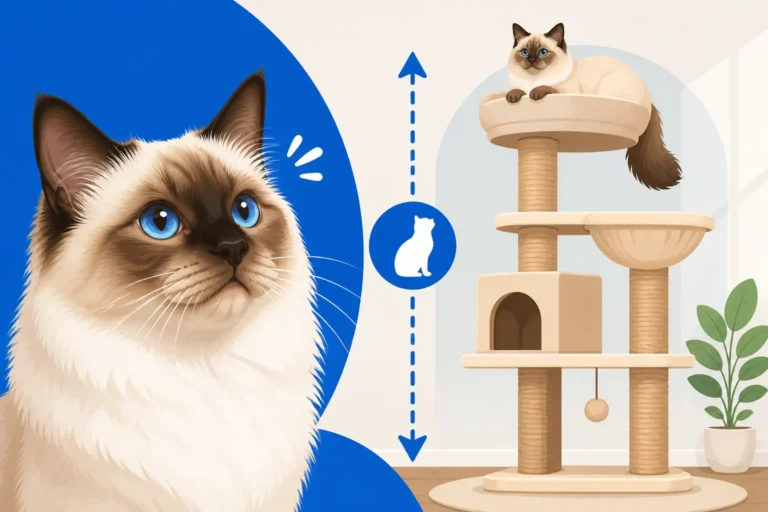
First off, Birmans are generally medium to large-sized cats, known for their long, rectangular bodies. They aren't short and cobby like some breeds; they have an elegant, stretched-out frame. This means a carrier that looks adequately sized for a typical domestic shorthair might actually be far too short for your Birman to stand, turn, or lie down comfortably. Length, not just overall volume, is critical. A carrier should allow your Birman to stand up fully, turn a complete circle, and lie down stretched out without their head or tail pressing against the sides.
Secondly, their gorgeous, silky single coat, while not prone to matting like some double-coated longhairs, still needs consideration. Good ventilation is key to prevent them from overheating, especially during warmer weather or in a stuffy car. While they don't have a thick undercoat, they can still feel the heat, and restricted airflow in a carrier can quickly become uncomfortable. Conversely, if you're traveling in colder weather, a well-ventilated carrier means you can add a warm, familiar blanket for coziness without worrying about stagnant air.
Finally, that placid temperament, while generally making them easy to handle, also means they might quietly endure discomfort rather than vocally complain. This makes it doubly important for us as owners to ensure their carrier meets all their needs, even if they aren't yowling about a too-small space. They're not often prone to scratching or tearing at carriers, which opens up more options in terms of material.
Essential Features of a Good Birman Carrier
Choosing the right carrier isn't just about picking one off the shelf. It's about thoughtful consideration of specific features that will make all the difference for your Birman.
Size and Space: The Non-Negotiables
This is arguably the most crucial factor. A carrier that is too small will exacerbate any travel anxiety your Birman might experience. Imagine being cooped up in an airplane seat that’s too small for you to stretch your legs or even shift comfortably – that's what a cramped carrier feels like to your cat. For a Birman, with their distinctive long body, this means you need to prioritize length and height over mere width. They should be able to stand up without their ears touching the top, turn around easily, and lie down in a natural, stretched-out position.
A good rule of thumb is to measure your Birman from the tip of their nose to the base of their tail, and then from the top of their head to the ground. The carrier should be at least 1.5 times the length of your cat (nose to tail) and at least the height of your cat (head to ground) when standing. Don't forget to factor in their tail length if they tend to keep it outstretched when resting. Many standard carriers are designed for average-sized cats, so you might find yourself needing a larger size than you initially anticipate. Always double-check the internal dimensions, not just the external ones, when shopping, especially if you're browsing options on platforms like Amazon.
Material and Ventilation: Keeping Them Comfortable
The material of the carrier directly impacts both durability and your Birman's comfort.
Hard-sided carriers, typically made from sturdy plastic, offer excellent protection. They are rigid, meaning they won't sag or collapse, which can be reassuring for a cat who values security. They are also incredibly easy to clean, which is a huge bonus if your Birman has an accident during travel (and let's face it, stress-induced accidents can happen!). Hard-sided carriers usually have vents or grilles on multiple sides, providing good airflow. However, sometimes the plastic can feel a bit cold, so a soft, absorbent blanket or towel inside is a must.
Soft-sided carriers, often made from nylon or similar fabrics, tend to be lighter and more flexible. They often have multiple mesh windows, offering excellent ventilation and allowing your Birman to see out, which some cats find comforting (while others might prefer more enclosed spaces). These are often more portable and can collapse for easy storage when not in use. The downside is they offer less rigid protection in case of impact, and cleaning up a major mess can be more challenging, though many come with washable liners.
Regardless of the material, aim for a carrier with ample mesh or slatted openings on at least two sides, ideally three or four. Good airflow prevents overheating, reduces stuffiness, and helps dissipate any unpleasant odors quickly, making the journey more bearable for your sensitive Birman.
Security and Access: Stress-Free Loading and Unloading
Getting your Birman into the carrier can sometimes be the most challenging part of the entire journey. Look for carriers that offer multiple access points.
Top-loading carriers are often a godsend for cat owners. Instead of trying to coax your Birman into a front-facing opening, you can gently lower them in from above. This approach can feel less confrontational and more natural for both you and your cat, especially if your Birman tends to go "ragdoll" when you try to push them in.
Front-loading carriers are more common. If you go this route, ensure the opening is wide enough that you don't have to force your Birman, potentially causing them to panic. Some carriers have openings on both the front and side, offering flexibility.
Secure latches and zippers are non-negotiable. Birmans, while generally docile, can become quite strong and determined when anxious. You don't want any accidental escapes! Look for sturdy metal zippers with clips or locking mechanisms on soft-sided carriers, and robust, easy-to-use but secure latches on hard-sided ones. Check that the entire carrier feels well-constructed and that seams are reinforced.
Finally, consider ease of cleaning. Even the calmest Birman can have an upset stomach or a nervous bladder when traveling. A carrier with a removable, washable liner or one made of materials that can be easily wiped down is a blessing. Some carriers even come apart for thorough cleaning.
Types of Carriers Best Suited for Birmans
With all those features in mind, let's look at the specific types of carriers you might encounter and how they stack up for our lovely Birmans.
Hard-Sided Carriers: Robust and Easy to Clean
Hard-sided carriers are the workhorses of the pet travel world, and for good reason. They are durable, offering the best physical protection against bumps and jostles, which can be particularly reassuring if you're traveling in a car. The rigid structure ensures that the carrier won't collapse or sag, maintaining a consistent internal space for your Birman. This stability can be a great comfort to a cat who might otherwise feel insecure in a flimsy container.
They're also, hands down, the easiest to clean. A quick wipe down with a pet-safe cleaner usually suffices, making them ideal for those unexpected accidents that can happen with a stressed cat. Many models also have screws or clips that allow them to be completely disassembled, making deep cleaning a breeze. For longer journeys or simply for routine vet visits, the consistent shape and easy maintenance of a hard-sided carrier can make them an excellent choice. Platforms like Amazon offer a wide variety of sizes, so finding one that fits your Birman's length shouldn't be too hard. Just remember to add a soft, familiar blanket or bed inside to make it more inviting.
Soft-Sided Carriers: Comfort and Portability
Soft-sided carriers offer a different set of advantages. They are typically much lighter than their hard-sided counterparts, making them easier to carry, especially if you have to walk a distance. Many are designed to be collapsible, folding flat for convenient storage when not in use – a big plus if storage space is at a premium.
These carriers often feature more padding and a "den-like" feel, which some Birmans might find more comforting than the open plastic of a hard-sided kennel. The numerous mesh windows usually provide excellent ventilation and visibility, allowing your Birman to observe their surroundings, which can either calm or stimulate them, depending on their personality. If your Birman is generally confident and enjoys looking out, a soft-sided carrier might be a good fit. They are often preferred for air travel due to their lighter weight and flexibility, sometimes allowing them to fit under the seat in the cabin (though always check airline regulations meticulously!).
The main drawbacks are less rigid protection and a trickier clean-up for major messes. However, for short trips, or for Birmans that respond well to a cozy, less industrial feel, a well-chosen soft-sided carrier can be wonderfully comfortable.
Backpack and Wheeled Carriers: Niche Solutions
For specific travel scenarios, backpack and wheeled carriers offer specialized solutions, though they might not be for every Birman.
Backpack carriers allow you to carry your Birman hands-free, which can be useful for navigating busy environments like airports or train stations, or for shorter walks. However, they can be restrictive in terms of space, and your Birman might not appreciate being bounced around on your back. It's crucial that any backpack carrier is generously sized for your Birman's length and offers excellent ventilation. Some Birmans might tolerate this well for very short distances, but it's generally not recommended for prolonged travel.
Wheeled carriers combine the convenience of luggage with cat transport. They can be a boon for owners who struggle to carry their Birman's weight, especially for longer distances. However, the ride inside can be bumpy, and the lower perspective might be disorienting for your cat. Ensure the wheels are smooth-gliding and that the carrier itself offers good suspension or padding to minimize jostling. Again, ample space for your Birman to move is paramount. These can be found on sites like Amazon, but always read reviews regarding stability and ride comfort. For most Birmans, these are best reserved for situations where carrying is simply not feasible.
| Feature | Hard-Sided Carriers | Soft-Sided Carriers |
|---|---|---|
| Protection | Excellent; rigid, durable | Moderate; flexible, less impact resistance |
| Cleaning | Very easy to wipe down, often disassemble for deep clean | More challenging for major accidents, washable liners help |
| Ventilation | Good, via grilles/slots | Excellent, via mesh windows |
| Comfort | Can be cold; needs bedding. Stable. | Often padded, den-like. Can sag. |
| Portability | Bulky, heavier | Lighter, often collapsible |
| Access | Often top and front loading options | Multiple zippered openings, sometimes top |
| Visibility | Limited to vent openings | Good, via mesh windows |
| Ideal For | Car travel, vet trips, cats needing firm security | Short trips, confident cats, air travel (check rules) |
Preparing Your Birman for Carrier Travel
Choosing the right carrier is only half the battle. Acclimating your Birman to it is just as, if not more, important. A Birman's placid nature means they might tolerate a carrier, but true comfort comes from positive association. How to Make a Carrier Familiar to a Birman is a critical skill for any Birman owner.
Making the Carrier a Safe Haven
The key here is to transform the carrier from a scary prison-on-wheels into a cozy, familiar den. Start by leaving the carrier out in a common area of your home, not tucked away in a closet. Keep the door open, or even remove it entirely, for a few days or weeks before any scheduled trip.
Place soft, familiar bedding inside – a blanket they usually sleep on, an old t-shirt that smells like you, or their favorite small bed. Add some enticing treats or their favorite toys inside. The goal is to encourage them to explore it on their own terms, to associate it with positive experiences. You might even feed them their meals near or inside the carrier. Your Birman's quiet nature means they might not vocalize their distrust, but they'll definitely appreciate the slow, gentle introduction. You want them to view it as just another piece of furniture, a place they can choose to nap in.
Consider using a feline pheromone spray inside the carrier about 15-20 minutes before you intend to use it. These sprays can help create a calming environment, reducing anxiety and making the carrier feel more secure. Brands like Feliway are widely available and can be helpful.
Acclimatization and Practice Runs
Once your Birman is comfortable walking into and out of the carrier, and perhaps even napping in it, it's time for some practice runs.
Start with very short sessions. Close the door for a few minutes while your cat is inside, staying calm and perhaps offering a treat through the grates. Don't make a big deal of it. If they remain calm, open the door and let them out. Gradually increase the time.
Next, introduce the car. Place the carrier in the car, ideally secured so it doesn't slide around. Just sit in the car with your Birman for a few minutes, maybe offer a treat. Then take them back inside. The goal is to desensitize them to the car itself.
Once they're calm in the stationary car, try very short drives – just around the block, or even just to the end of the driveway and back. Make sure the car is cool and quiet. Praise them for their calm behavior. Avoid using the carrier only for trips to the vet, as this can create a strong negative association. Sometimes, just taking them for a short, pleasant ride and bringing them straight back home, ending with a treat and praise, can help build a more positive outlook. Remember, our Birmans are generally quiet, but they notice every change, and consistent positive reinforcement will go a long way in making travel less stressful.
Disclaimer
This article is for general informational purposes only and does not constitute professional advice. Laws, prices and regulations vary by location and change over time. Consult a qualified professional for guidance on your specific situation.