How Quiet a Birman Is on a Long Car Journey
It’s a common worry, isn’t it? The thought of embarking on a long car journey with your beloved feline companion can conjure up images of endless meows, frantic scrabbling, and a generally miserable experience for everyone involved. But if you're a Birman owner, you might be pleasantly surprised by just how quietly your gentle friend handles the open road, especially with a bit of preparation. This guide will walk you through what to expect from your Birman during a car journey and how to ensure their trip is as peaceful and stress-free as possible.
Understanding the Birman Temperament and Travel
Before we even get to packing the carrier, it's crucial to understand the inherent nature of our Birman friends. Their personality plays a huge role in how they react to new experiences, including car travel.
The Birman's Naturally Placid Nature
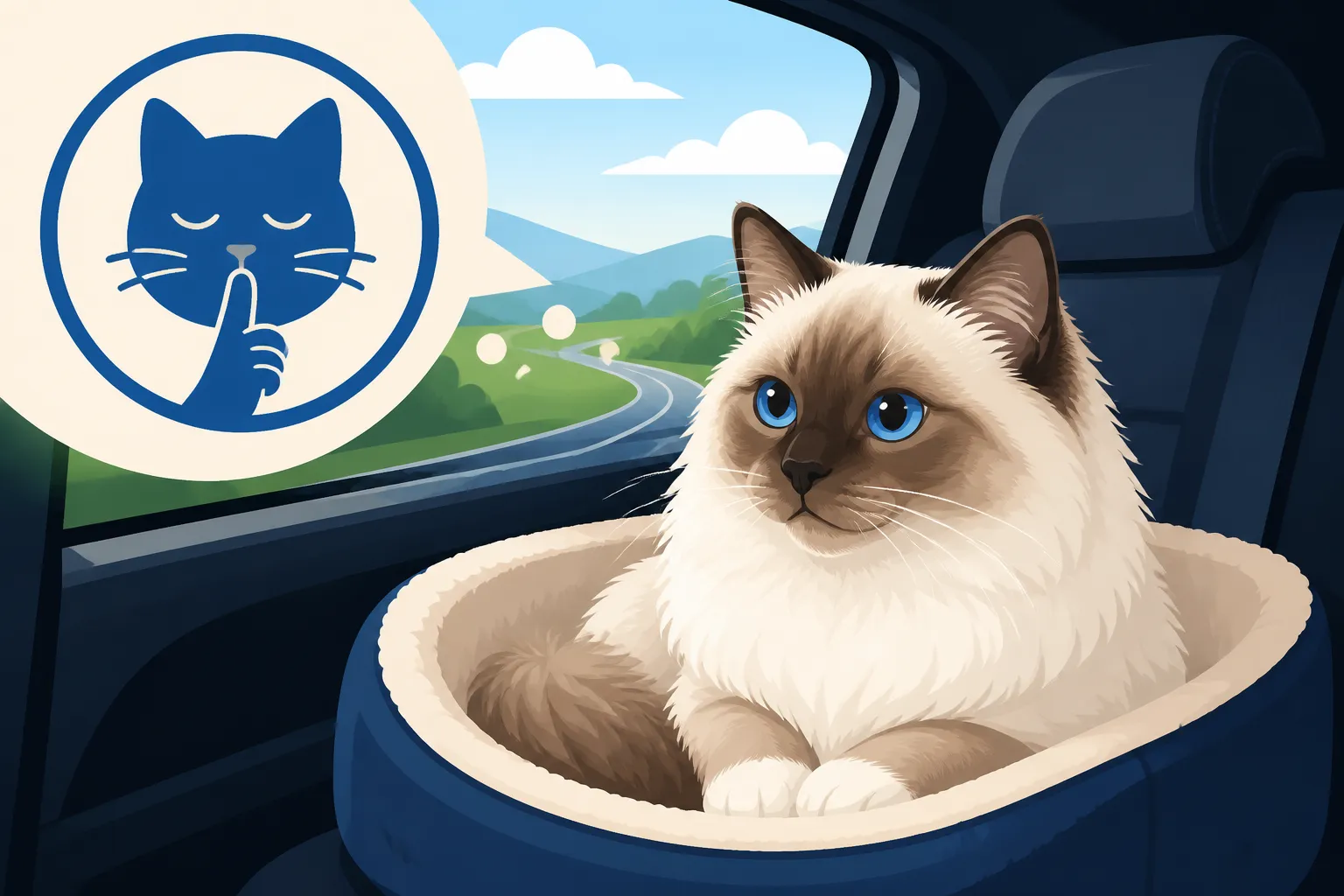
One of the most endearing qualities of the Birman cat is their incredibly gentle, placid, and undemanding temperament. Unlike some of their more vocal feline cousins, Birmans are not typically prone to extended bouts of meowing or caterwauling. They tend to be quiet observers, preferring soft trills and gentle purrs to loud declarations. This inherent calm can be a massive advantage when it comes to car travel. They're often described as the "middle ground" cat, striking a beautiful balance between the boisterousness of some breeds and the extreme shyness of others.
Your Birman might follow you from room to room, settling near you without needing constant physical contact or vocal affirmation. This quiet companionship extends to novel situations. When faced with the unfamiliar confines of a car, a Birman is less likely to panic and more likely to quietly assess the situation. They might seek comfort in the familiar scent of a blanket or the enclosed safety of their carrier, rather than loudly protesting their predicament. Their characteristic soft voice, often a quiet trill, means even if they do vocalize, it’s unlikely to be piercing or sustained. The Small Trill a Birman Uses Instead of a Meow is a good example of their communication style. You'll find they often communicate their needs and desires in much more subtle ways. Why a Birman Follows You Without Demanding Anything is a great read if you want to understand their attachment style better.
Factors That Can Influence Travel Behavior
While Birmans are generally predisposed to quiet travel, it's not a universal guarantee. Several factors can influence how your individual Birman reacts to a car journey, and it’s important to be realistic about these. Every cat is an individual, and even within the same breed, personalities can vary. Some Birmans are inherently more confident and adventurous, taking new experiences in stride, while others might be more timid and prone to anxiety.
Early socialization plays a critical role. If your Birman kitten was exposed to car rides, their carrier, and various sounds from a young age, they're much more likely to be a calm traveler as an adult. Conversely, a cat whose only car experiences have been stressful trips to the vet might understandably associate car travel with negative emotions. The length and purpose of the journey also matter. A short fifteen-minute drive to the groomer is different from a multi-hour journey across states. A trip to a new home might be met with more apprehension than a regular jaunt to a friend's house. It's important to recognize that stress in a Birman might not manifest as loud vocalizations. Instead, you might see subtle signs like hiding, excessive grooming, dilated pupils, or refusal to eat. Understanding What a Stressed Birman Does can help you interpret their non-verbal cues.
Preparing Your Birman for the Open Road
The key to a quiet and stress-free car journey for your Birman lies in thorough preparation. Don't underestimate the power of making the carrier and the car feel like safe, familiar spaces long before the big day arrives.
Carrier Comfort and Familiarity
Your Birman's carrier isn't just a box to transport them; it needs to become a sanctuary, a safe haven they associate with comfort. Start by selecting the right carrier. Look for one that's sturdy, well-ventilated, and large enough for your Birman to stand up, turn around, and lie down comfortably. Many owners find a hard-sided carrier with a top-opening door to be ideal for easier loading and access. Soft-sided carriers can also work, especially if your cat feels more enclosed, but ensure it maintains its shape and offers good airflow. Which Carrier Suits a Birman can offer more specific guidance.
The real trick is to introduce the carrier gradually. Leave it out in a common area of your home, with the door open, for days or even weeks before travel. Make it inviting by placing a soft, familiar blanket or towel inside—something that smells like home and you. Toss in a favorite toy or a few treats. Encourage your Birman to explore it on their own terms. Feed them treats near or even inside the carrier. The goal is for them to voluntarily enter it for naps or just to hang out. Never force them into it. This positive association building is paramount; it transforms the carrier from a scary prison into a familiar den. How to Make a Carrier Familiar to a Birman delves deeper into this process.
Acclimating to the Car Itself
Once your Birman is comfortable with their carrier, the next step is to introduce them to the car. Again, patience and positive reinforcement are your best friends. Start by simply putting the carrier, with your Birman inside, into the car. Close the car doors, sit with them, and just let them get used to the sounds and smells of the vehicle. Offer soft praise and perhaps a treat. Do this a few times before even turning on the engine.
Next, try short, very short, drives. Start with a five-minute loop around the block. Keep it positive: calm music (or no music), quiet talking, and gentle driving. Immediately return home and let your Birman out of the carrier, praising them for their bravery. Gradually increase the duration of these test drives. If your Birman shows signs of anxiety, like drooling or vocalizing, keep the trips shorter and focus on positive experiences. Many owners find that synthetic feline pheromone sprays or diffusers, readily available on platforms like Amazon, can help create a calming atmosphere in the car. Spray the carrier or a blanket before putting your cat in, never directly on them. Avoid giving your Birman a large meal right before a long journey, as this can lead to an upset stomach. However, ensure they have access to fresh water up until a few hours before departure, and consider offering small sips during long breaks. You'll notice Why a Birman's Appetite Goes First When It Is Unsettled when they are stressed.
The Importance of a Secure and Stable Environment
Once your Birman is in their carrier, and the carrier is in the car, ensuring stability is critical. A carrier that slides around with every turn or brake can be incredibly frightening for a cat, regardless of how calm they usually are. Secure the carrier tightly using a seatbelt or by wedging it securely on the floor behind a seat. You can also use bungee cords or cargo nets for extra security if you have a larger vehicle or hatchback. The aim is to minimize any jostling or unexpected movements.
Additionally, consider covering the carrier with a light blanket or towel, leaving one side partially open for airflow. This can significantly reduce visual overstimulation, turning the carrier into a dark, den-like space where your Birman feels safer and less exposed to the passing world outside the window. Maintain a calm atmosphere inside the car; avoid loud music, sudden shouts, or abrupt movements. Speak in soft, reassuring tones. This stable, quiet, and secure environment reinforces the idea that the car is a safe place, allowing your Birman's naturally placid temperament to shine through.
During the Journey: Keeping Your Birman Calm and Quiet
Even with the best preparation, the actual journey can present its own challenges. Knowing how to react and what to expect will help you maintain a peaceful environment for your Birman.
Monitoring and Reassurance
Throughout the journey, it’s important to regularly check on your Birman. If you’re traveling solo, use a pet camera or pull over safely to visually inspect them. Look for signs of distress, such as excessive drooling, panting, or continuous vocalization. Remember, a Birman's distress might be subtle, so keep an eye out for changes in body language, like hunched posture or wide eyes.
Speak to your Birman in a calm, soothing voice. Your presence and familiar tone can be incredibly reassuring. Avoid opening the carrier door while the car is moving, no matter how much they might seem to want out; a loose cat in a moving vehicle is a serious safety hazard. For longer journeys, plan for regular stops every few hours. During these breaks, you can offer a small drink of water and a chance to use a portable litter box in a secure, enclosed space (like inside the car, or a contained pet playpen if you're stopping at a very private area). Resist the urge to let them out of the carrier completely unless you are in a fully secure environment. If your Birman does start to vocalize, a soft trill or a quiet meow is common. How a Birman Asks Without Ever Raising Its Voice offers insight into their gentle communication. Reassure them with your voice, and if necessary, pull over for a brief, quiet break.
Minimizing Stress Triggers
Maintaining a smooth, predictable environment inside the car is paramount. Drive steadily, avoiding sudden accelerations, harsh braking, or aggressive turns. These movements can be disorienting and frightening for a cat in a carrier. Think of them as a precious cargo and adjust your driving style accordingly.
Temperature control is also vital. Ensure the car's interior is comfortable, not too hot or too cold. A well-ventilated carrier helps, but if the sun is beaming directly onto the carrier, try to offer some shade. Avoid strong, unfamiliar smells, such as air fresheners, strong perfumes, or pungent food. Cats have a highly developed sense of smell, and these can be overwhelming and contribute to anxiety. While tempting, never let your Birman roam freely in the car. Not only is it dangerous for them and you, but the extra stimulation and lack of a secure "den" can increase their stress levels significantly. Their instinct is often to hide when stressed, and a carrier provides that safe space.
What "Quiet" Really Means for a Birman
When we talk about a Birman being "quiet" on a long car journey, it’s important to temper expectations. It doesn't necessarily mean absolute, unbroken silence for hours on end. What it does mean, for most Birmans, is a general lack of frantic, loud, sustained vocalizations. You might hear the occasional soft trill, a little investigative meow, or even a low rumble of discontent. These are all part of normal feline communication and should not automatically be interpreted as extreme distress.
Instead, focus on their overall demeanor. A truly quiet Birman during travel will likely be relaxed, perhaps even napping. They might observe their surroundings through the carrier mesh with calm curiosity. You’ll be looking for relaxed body language: soft eyes (not wide and darting), ears in a neutral position (not flattened against their head), and a generally still posture. If they're tucked up with their head down, they're probably feeling secure. Birmans have a wonderful ability to be observant without being reactive. They're more likely to watch the world go by with an air of quiet contemplation rather than panicking. It's also worth remembering that Why a Placid Birman Hides Pain is a characteristic of the breed, meaning they might be quietly uncomfortable rather than loudly complaining. This is why paying attention to the subtle cues is so important.
| Indicator | Signs | Action to Take |
|---|---|---|
| Quiet/Relaxed | Napping, calm observation, occasional soft trill, purring, normal posture. | Continue steady driving, occasional verbal reassurance. |
| Mild Vocal | Soft, intermittent meows or trills, stretching, shifting position. | Gentle verbal reassurance, check temperature, offer water at next stop. |
| Stressed | Loud, sustained vocalizations, panting, drooling, dilated pupils, hiding. | Pull over safely. Assess cat, offer water, use pheromone spray. Reassure verbally. |
| Motion Sickness | Vomiting, excessive drooling, lethargy, shivering. | Pull over. Clean carrier. Offer water. Consult vet for anti-nausea medication next time. |
After the Drive: Settling Back In
The journey doesn’t end when the car stops. How you handle your Birman's arrival in a new place is just as important as the travel itself to ensure they remain calm and adjust well.
Smooth Transition to the New Environment
Once you arrive at your destination, don't just open the carrier in the middle of a bustling new room. Instead, take the carrier to a designated quiet, secure room that has already been prepared for your Birman. This room should contain their litter box, food and water bowls, and a cozy bed or blanket. Think of it as their safe zone. Placing a familiar-smelling item from home, like a blanket or a toy they love, can also help them feel more secure.
Once in the quiet room, gently open the carrier door and step back. Let your Birman emerge at their own pace. Do not try to pull them out or force them to explore. Some Birmans might confidently step out and start sniffing around immediately, while others might prefer to stay in their carrier for a while, peeking out cautiously. This waiting period is normal and should be respected. Once they've emerged, ensure they know where their food, water, and litter box are. It might take them some time to eat or drink due to the stress of travel. Giving them this initial secure base allows them to process the new smells and sounds gradually. For tips on setting up this space, consider reading How to Set Up a Room for a Birman Left Alone. This is especially crucial if you've moved house. How to Move House With a Birman offers more extensive advice on longer-term transitions.
Observing Post-Travel Behavior
After the journey, take the time to observe your Birman's behavior. In the first few hours, it's normal for them to be a little subdued, perhaps hide under furniture, or explore cautiously. They might groom themselves more than usual, which is a self-soothing behavior. Eating and drinking might be delayed, but they should eventually approach their bowls. A visit to the litter box shortly after arriving is also a good sign.
However, be watchful for signs of prolonged stress. This could include continuous hiding for many hours, refusal to eat or drink for more than 24 hours, excessive vocalization or aggression (uncommon for Birmans but possible if extremely distressed), or sudden changes in litter box habits. If you notice any of these more concerning signs, or if your Birman appears lethargic or unwell, it's always best to contact your vet for advice. Remember, Birmans are generally quiet and composed, so a significant deviation from their normal placid demeanor could indicate an underlying issue or severe anxiety. What a Withdrawn Birman Is Telling You is a vital resource for understanding these subtle shifts in their behavior. Patience is truly key during this adjustment period. Give your Birman the space and time they need, while also making yourself available for gentle reassurance when they seek it.
Disclaimer
This article is for general informational purposes only and does not constitute professional advice. Laws, prices and regulations vary by location and change over time. Consult a qualified professional for guidance on your specific situation.