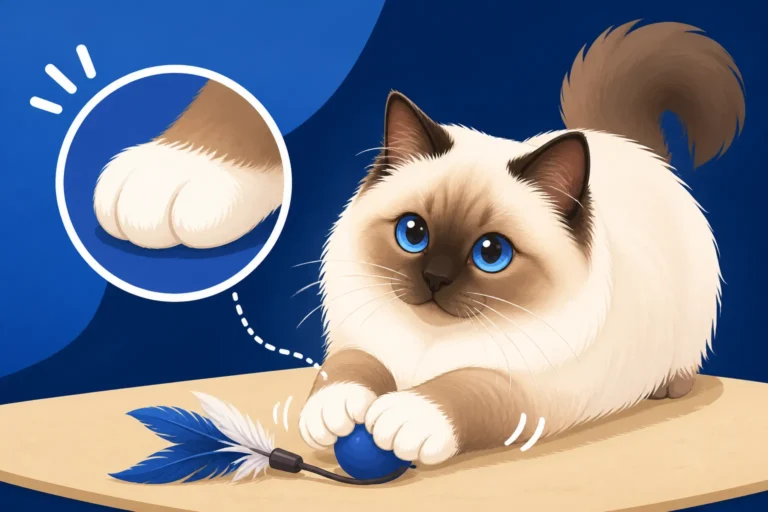
How a Birman Behaves With Visitors
It can be a little nerve-wracking when you have guests over, especially if your cat is typically shy or, conversely, a little too boisterous. Many Birman owners wonder how their wonderfully placid felines will react to new faces and unfamiliar voices in their carefully curated home environment. This guide is here to shed light on exactly How a Birman Behaves With Visitors, offering insights into their charmingly unique way of greeting and interacting with company, and how you can help everyone feel comfortable.
The Birman's Unique Approach to Strangers
One of the most endearing qualities of the Birman cat is its generally gentle and accommodating nature. They aren't typically the type to bolt under the sofa at the first sound of a doorbell, nor are they usually the ones to demand immediate attention with a loud meow. Instead, their interaction with visitors often falls somewhere in the middle, a delightful blend of curiosity and polite reserve that truly reflects their "middle cat" temperament.
The Initial Assessment: Curiosity vs. Caution
When a new person walks through your door, your Birman will likely go through a quiet, almost imperceptible assessment phase. They might not rush forward with a flurry of excited purrs like some more extroverted breeds, but they also rarely display outright fear. Instead, expect a slow, deliberate appearance from a hidden vantage point, or perhaps a calm, observant stroll into the living area. They’re taking it all in: the new smells, the different voices, the energy these fresh faces bring into their territory. This isn't rudeness; it's simply a Birman's intelligent way of understanding their environment. They're weighing up whether these new humans are friend or foe, and more often than not, they decide on friend.
Many Birman owners will recognize this behavior. It’s part of their inherently calm disposition. While some cats might be prone to anxiety or aggression with strangers, the Birman typically handles novelty with a quiet grace. They understand that their humans are comfortable with these new people, and they trust your judgment implicitly. They often have a way of making guests feel both observed and completely at ease, without being intrusive. This initial period of observation is crucial for a Birman, as it allows them to process the new stimuli at their own pace. You might find them perched on a nearby cat tree from Amazon or even casually strolling past, tail held high, just to get a closer look (and a sniff!).
No Fear, Just a Healthy Reserve
It’s easy to misinterpret a Birman’s initial reserve as shyness or aloofness, but it’s rarely either. This isn't a cat that's hiding because it's terrified; it's a cat that's observing because it's discerning. They possess a quiet confidence. They know their home is safe, and they know you are their person. Their natural placid temperament means they're less likely to be startled by sudden movements or loud laughter, which can be a huge relief if your visitors tend to be a bit boisterous.
They’re not typically "in your face" cats, especially with people they don't know. You won't find them immediately jumping onto laps or demanding pets from every guest. This polite distance is actually a sign of their well-adjusted nature. They don't feel the need to assert themselves or dominate the social situation. They are perfectly content to be part of the general atmosphere, observing from a comfortable distance until they decide to engage. This calm demeanor makes them wonderfully suited for households that frequently entertain, as they rarely cause disruption. They simply exist, beautiful and serene, until they're ready to make their move. You'll often find they become quite comfortable over the course of an evening, often graduating from a distant observer to a relaxed presence nearby, perhaps even soliciting a gentle stroke before the night is out. Why a Birman Comes Out to Meet Strangers isn't a mystery; it's usually driven by their gentle curiosity.
From Observation to Gentle Engagement
Once your Birman has completed their initial assessment, their interaction style truly shines through. They are known for their gentle, undemanding affection, and this extends to how they treat visitors. Don't expect dramatic displays, but rather subtle gestures of acceptance and warmth.
The Silent Welcome: Trills and Tail Wags
When a Birman decides a guest is acceptable (and most guests pass the test!), their welcome is often incredibly subtle. You might hear a soft, almost bird-like What a Birman Is Saying With That Short Trill as they weave around your guest's legs, or perhaps a gentle rub against an ankle. This isn't a full-throated meow, but a quiet, conversational sound that signifies their comfort and acknowledgment. Their tail might have a slight, relaxed curve, or a slow, soft sway, rather than an excited wag.
These are their ways of saying, "Hello, welcome to my home." They might even engage in a slow blink, a clear sign of trust and contentment in the feline world. If a guest offers a hand for a sniff, your Birman might tentatively touch their nose to it before deciding if a gentle head-butt is in order. It’s a very personal and unhurried form of greeting. They aren’t interested in making a grand entrance or demanding attention; they prefer to connect on a more intimate, quiet level. This is often Why a Birman Picks One Person and Still Likes Everyone, because they value those deeper, quieter bonds.
Deciding When to Interact: The Birman's Pace
The wonderful thing about a Birman is that they set their own pace. They will approach when they are ready, and not a moment before. This means they will decide if, and when, they want to be petted, or even simply sit near a guest. You might notice them slowly making their way across the room, perhaps jumping onto a nearby chair or sofa arm, not quite on the guest's lap, but certainly within petting distance. This is their way of offering an invitation. They don't want to be forced into interaction, and their placid nature means they rarely claw or bite if their boundaries are inadvertently crossed. They’ll simply move away.
It's a beautiful dance of trust and respect. For a guest, earning a Birman's quiet acceptance feels like a genuine accomplishment. It's not handed out freely but earned through calm demeanor and gentle overtures. This unhurried approach helps prevent any awkwardness, as the Birman ensures that both parties are comfortable before engaging further. This patience is a hallmark of the breed, a testament to their calm and well-mannered disposition. How Long a Birman Takes to Trust Someone New often depends on the guest's understanding of this subtle communication.
The Art of the 'Near You, Not On You' Affection
If your guests are lucky enough to receive a Birman's affection, it’s typically delivered in a distinct, understated way. As we often say, The Birman Sits Against Your Leg, Not on Your Lap. They are masters of proximity. A Birman might choose to curl up right next to a visitor on the sofa, leaning gently against their leg, or perhaps stretch out on the rug at their feet. They love company, but often prefer to be near you rather than directly on you, especially with new acquaintances. This physical closeness is their way of showing affection and inclusion without being overwhelming.
They appreciate a gentle stroke down their back or a soft scratch behind the ears, but they aren't usually demanding of constant attention. You won't find them head-butting your hand repeatedly for more petting. Instead, they will quietly soak up the affection, perhaps purring so softly you have to lean in to hear it. It’s a very low-maintenance form of companionship that many guests find incredibly charming. This is part of what makes them such popular family cats – they are present, engaged, and affectionate, but never needy.
Creating a Harmonious Environment for Your Birman and Guests
While Birmans are generally adaptable, a little preparation can go a long way in ensuring both your cat and your guests have a pleasant experience. Maintaining a sense of security and routine can help your Birman remain calm and confident, even with a house full of unfamiliar faces.
Preparing Your Birman for Company
Before your guests arrive, it's a good idea to create a calm atmosphere. You might want to give your Birman a special treat or engage in a short play session to help them feel relaxed and secure. Ensure their favorite napping spots, like a plush cat bed from Amazon, are easily accessible and in quiet areas where they can retreat if they feel overwhelmed. Having a designated "safe space," like a spare room with their litter box, food, and water, is crucial. Even if your Birman is outgoing, having this option allows them to self-regulate their interactions.
Consider playing some calming music or turning on a pheromone diffuser to help reduce any potential stress. These subtle preparations can make a big difference in how your Birman perceives the influx of new energy. It tells them, in a feline way, that everything is okay and they are still in a safe, loving environment. Even though a Birman is known for its quiet adaptability, acknowledging their need for a secure base is paramount. If you know you'll have a very busy house, having a familiar comfort item, like a blanket that smells like you, available in their safe space can provide extra reassurance. What a Stressed Birman Does can sometimes be subtle, so proactive measures are best.
Guiding Your Visitors on Birman Etiquette
It's perfectly acceptable, and often very helpful, to give your guests a quick primer on how to interact with your Birman. Explaining their gentle nature and their preference for calm, unhurried introductions can prevent accidental missteps. You might suggest:
- Allow the Birman to approach first: This respects their need to assess the situation.
- Use a soft voice and gentle movements: Loud noises or sudden gestures can be startling, even for a placid Birman.
- Offer a hand for sniffing: Let them investigate on their own terms.
- Avoid picking them up unexpectedly: While Why a Birman Rarely Fights Handling for things like grooming, they generally don't appreciate being scooped up by strangers.
- Respect their space: If they walk away, let them. They’ll come back when they’re ready.
Having a chew toy or a small wand toy handy, like those found on Amazon, can also be a great way for guests to engage with your Birman in a non-threatening way, if the cat is willing. Sometimes, a shared play experience can break the ice faster than direct petting. This guidance helps ensure that guests understand and respect your Birman's boundaries, leading to a more positive experience for everyone involved. Teaching a Child to Support a Birman's Long Back is especially important if little ones are visiting.
Here's a quick guide for guests:
| Birman Behavior Cue | What it Means | Guest Response |
|---|---|---|
| Observing from afar | Assessing you, feeling safe to watch | Ignore, let them watch, avoid staring |
| Slow blink | Feeling relaxed and trusting | Slow blink back, gentle reassurance |
| Soft trill/rub | Accepting you, inviting gentle interaction | Offer a still hand for sniffing, gentle stroke |
| Walks away | Needs space, overwhelmed, or just done | Respect their choice, do not pursue |
| Leaning against you | Showing affection, enjoying your company | Gentle petting, avoid sudden movements |
| Tail twitching | Alert, possibly overstimulated, or deciding | Observe, reduce noise/movement, offer space |
Maintaining Routine Amidst the Hubbub
Cats thrive on routine, and Birmans are no exception. Even with visitors, try to stick to your cat's regular feeding schedule and play times as much as possible. This consistency provides a sense of normalcy and security during an otherwise unusual event. If your Birman usually gets an evening play session, try to keep it, perhaps in a quieter room away from the main gathering. This helps them burn off energy and reduces any potential anxiety.
Make sure their food and water bowls are in their usual, easily accessible spots, and that their litter boxes are clean and undisturbed. Why a Birman Never Wakes You for Food means they won't tell you if they're hungry, but ensuring access to their basic needs helps them feel grounded. A reliable routine communicates to your Birman that even though there are new people, their world hasn't been completely upended. This stability allows their naturally calm disposition to shine through, helping them to better cope with the temporary disruption. How a Birman Copes With a Cold House and other environmental changes shows their adaptability, but routine adds comfort.
When the Birman's Calm Façade Hides Stress
While Birmans are generally known for their placid and easygoing temperament, it's important to remember that every cat is an individual. Sometimes, even the calmest Birman can become stressed or overwhelmed by too much company or a particularly boisterous visitor. Their natural tendency to hide discomfort can make it tricky to spot these signs.
Subtle Signs of Discomfort
Because Birmans are so gentle and generally non-confrontational, they tend to internalize stress rather than act out. This means their signs of discomfort can be very subtle. Look for changes in their normal behavior, even small ones. This could include:
- Excessive grooming: Over-grooming, especially if it seems obsessive, can be a sign of anxiety.
- Reduced appetite or thirst: If your Birman isn't eating or drinking as usual, it could be stress. Remember Why a Birman's Appetite Goes First When It Is Unsettled.
- Hiding more than usual: While initial observation is normal, prolonged hiding under furniture or in quiet corners could mean they're truly uncomfortable. Why a Birman That Hides Under the Bed Needs a Vet for serious changes, but even temporary hiding warrants attention.
- Changes in litter box habits: Accidents outside the box, or a sudden change in frequency, can indicate stress.
- Flattened ears or wide eyes: These are classic signs of fear or anxiety in cats, even if subtle.
- Increased vocalization (or lack thereof): While Birmans aren't typically chatty, a sudden increase in trills or a complete silence might be unusual.
It’s crucial to be observant of these cues. Because they are so undemanding, it’s easy to overlook these subtle shifts. A Birman won’t typically hiss, scratch, or bolt in a panic. Instead, they might become withdrawn or attempt to make themselves invisible. This makes it even more important for you, as their owner, to be their advocate and ensure their comfort. Why a Quiet Birman Is Easy to Misread cannot be overstated.
What to Do If Your Birman Is Overwhelmed
If you notice your Birman displaying any signs of stress, the most important thing is to provide them with an immediate escape route and a calm sanctuary. Gently guide them to their designated safe room, close the door, and ensure they have access to all their necessities. You might want to let your guests know that your cat has decided they’ve had enough socializing for the moment.
Reducing noise levels and providing a quiet space can help tremendously. Engaging them in a short, gentle play session once they're in their safe space might also help distract them and alleviate some tension. Sometimes, simply letting them be alone in peace is the best course of action. You can also explore calming aids, like specific pheromone diffusers from Amazon or calming treats, to help them relax. For persistent stress or dramatic changes in behavior, consulting your veterinarian is always wise, as they can rule out underlying health issues and offer further guidance. What Calms a Stressed Birman often involves peace and quiet. Remember, Whether a Birman Suits a Busy House truly depends on how well their needs are managed during social events.
Disclaimer
This article is for general informational purposes only and does not constitute professional advice. Laws, prices and regulations vary by location and change over time. Consult a qualified professional for guidance on your specific situation.