Why a Birman Plays With Its Claws In
If you've ever watched your Birman play, you might have noticed something rather endearing: they often keep their claws tucked away, even during enthusiastic bouts of chase and pounce. It’s a distinct difference from many other breeds, leaving owners wondering why these beautiful cats seem to prefer gentle interaction over full-force claw action. This guide will dive deep into the fascinating reasons behind this unique Birman trait, helping you understand their intrinsic nature and how to best nurture their placid play style.
The Birman's Innate Temperament and Its Play Style
One of the most defining characteristics of the Birman breed is its incredibly gentle and placid temperament. They are often described as "dog-like" in their devotion and "middle-ground" when compared to the boisterous Siamese or the ultra-relaxed Persian. This inherent calmness isn't just for cuddles; it profoundly influences every aspect of their behavior, including how they choose to engage in play. They're not typically ones for aggressive roughhousing.
A History of Calm: Bred for Companionship, Not Conflict
The Birman's history, steeped in legends of sacred temples and revered companionship, paints a picture of a cat designed for gentle interaction. Unlike some breeds developed for hunting prowess or even a more independent, aloof nature, the Birman has always been prized for its sweet disposition and loving presence. This means that generations of selective breeding have reinforced traits that favor peaceful cohabitation and a quiet, affectionate demeanor. Owners often remark on Why Every Standard Calls the Birman a Gentle Breed. When a cat is fundamentally wired to be calm and agreeable, it’s only natural that its play would reflect this. They don't have that innate, sharp edge that might compel other felines to always lead with their claws. Their default setting is harmony, even when batting at a favorite toy.
This deep-seated genetic predisposition means that even Birman kittens exhibit a remarkable level of control. While all kittens learn boundaries, a Birman often seems to grasp the concept of "claws in" quicker and more consistently than many of their counterparts. It's as if their internal programming includes a strong directive for gentleness. This isn't to say they can't be playful – far from it! They adore engaging with their humans and other pets, but they do it with a distinct grace that minimizes harm, a stark contrast to the occasional "love nips" or accidental scratches one might experience with other, more boisterous breeds.
The Soft-Paw Approach: Instinctive Gentle Interaction
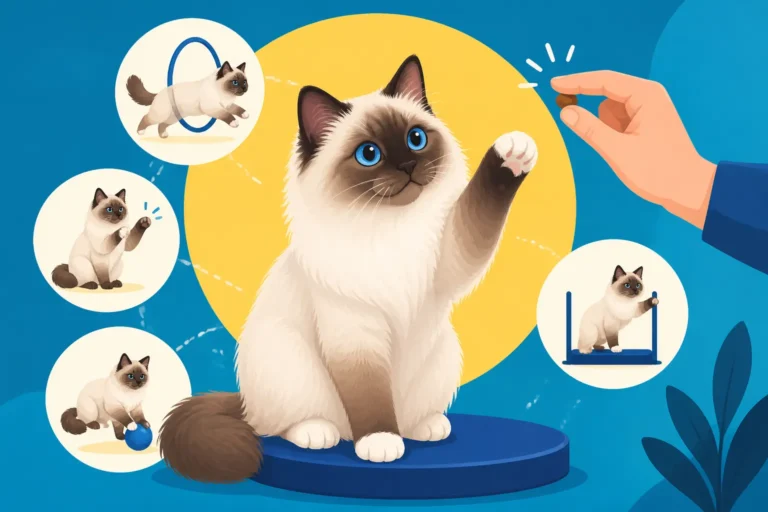
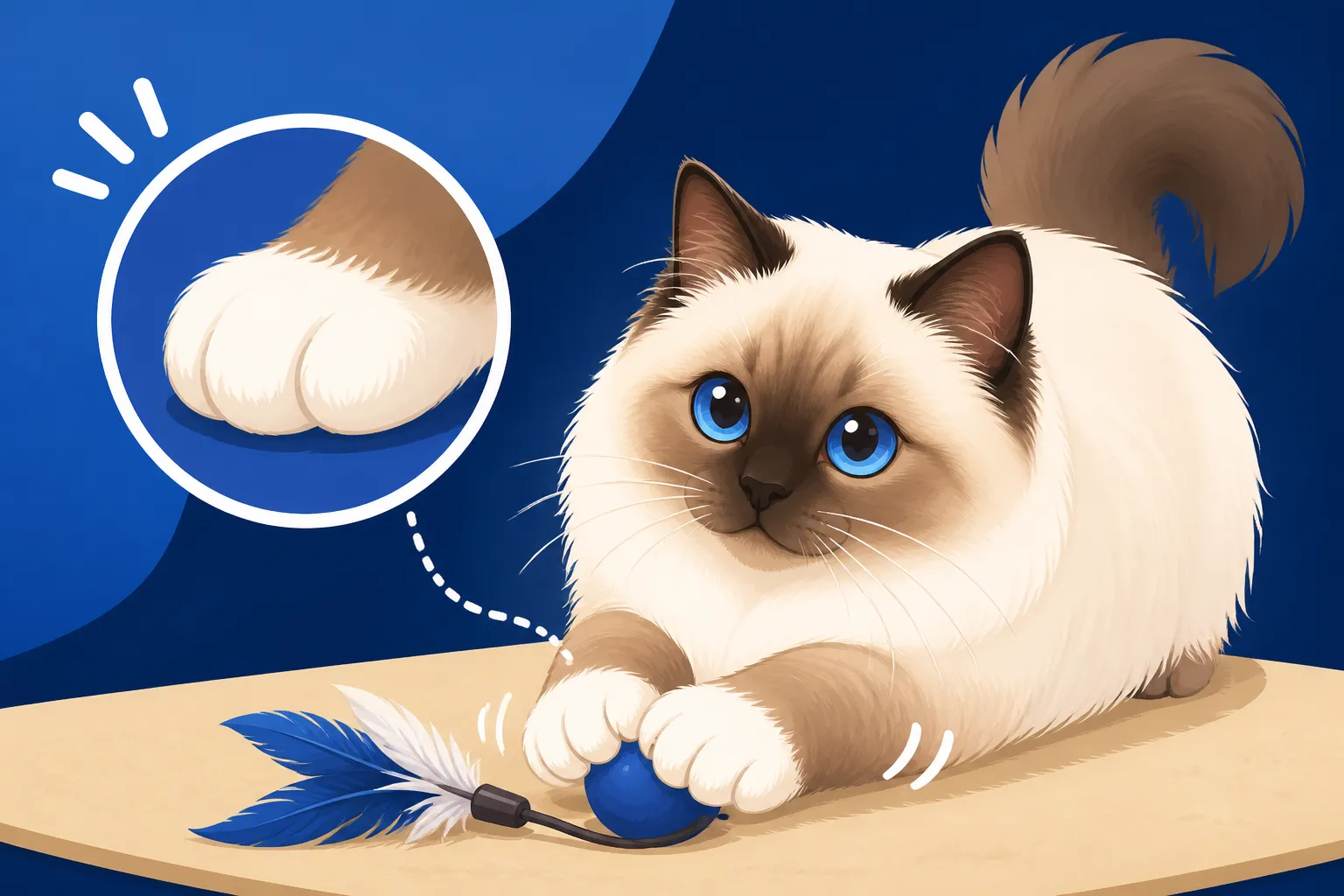
The "soft-paw" approach is almost a hallmark of the Birman. They tend to use their paws more like hands, batting and tapping at objects and people with a cushioned touch. When they pounce on a crinkly ball or chase a feather wand, their claws are often retracted or only partially extended, providing just enough grip without causing injury. It's a testament to their thoughtful nature; they seem to instinctively understand that sharp claws can hurt, and their primary goal is usually not to inflict pain, but to engage playfully.
This instinct extends to their interactions with humans and other pets. If your Birman is batting at your hand during play, you'll likely feel a soft, velvety paw rather than a needle-sharp claw. This makes them wonderfully suited for families with children or other animals, as the risk of accidental scratches is significantly reduced. They are often the cat that can happily coexist with a gentle dog, settling next to them for a nap rather than engaging in a wrestling match. This innate gentleness is a gift that Birman owners cherish, making playtime a joyful and worry-free experience.
Physical Characteristics and Their Role in Play
While temperament is a huge factor, the Birman's unique physical attributes also play a subtle role in why they tend to keep their claws in during play. Their build, their glorious coat, and even the very structure of their paws all contribute to a less aggressive, more measured approach to interaction.
Those Silky Paws and Their Sensitive Nature
Have you ever felt a Birman's paw? They are quite delicate beneath those famously white "gloves" and "laces." Covered in soft fur, they don't have the same dense, padded feel as some more robust breeds. This delicacy, combined with the often longer fur between their paw pads, might make them naturally more inclined to protect their paws from undue wear and tear or injury. They're not built for rough outdoor scrambling, and their indoor-focused lifestyle further reinforces this.
Furthermore, a Birman's paws are a key part of their signature look, especially those pristine white gloves. Keeping claws retracted during play helps maintain the cleanliness and integrity of this characteristic feature. Imagine constantly extending claws into toys or surfaces – it would quickly lead to dirt and potential staining, particularly on those pure white areas. While they don't consciously think about preserving their show-quality paws, the physical reality of their delicate, fur-covered feet subtly discourages overly aggressive, claw-intensive play. This means when you are getting out those Which Wand Toys Move Slowly Enough for a Birman, you can often see their soft paw pads rather than extended nails.
Long Hair and the Lack of a Hunting Drive
Birmans are long-haired cats, but unlike some breeds with dense undercoats, their single, silky coat is less prone to tangling and matting. However, long fur, especially around the paws and hindquarters, can still be a slight impediment to rapid, aggressive movements that involve extensive claw deployment. A cat with a shorter, sleeker coat might feel more agile for quick swipes and dives, but a Birman's luxurious attire encourages a more deliberate, flowing movement. Plus, dealing with mats, as we discuss in How to Get a Mat Out of a Birman's Coat, is something they (and we!) prefer to avoid.
More importantly, the Birman's hunting drive is generally moderate to low. While they enjoy chasing toys and engaging in predatory play, it's often more about the "game" and the interaction with their human than a primal urge to truly "kill" their prey. Their play often mimics hunting in a stylized, less intense way. They might stalk, pounce, and bat, but the final "takedown" is usually a gentle capture rather than a tearing or shredding action. This diminished intensity in their hunting instincts means their claws simply aren't needed as much to achieve their play goals.
Socialization and Environment: Shaping Gentle Habits
While genetics lay a strong foundation for a Birman's gentle play, their upbringing and living environment play a crucial role in reinforcing and refining this behavior. A well-socialized Birman in a calm, enriching home is much more likely to maintain its "claws in" policy than one raised in a stressful or overstimulating environment.
Early Learning: Kittenhood and Claw Control
The early weeks and months of a Birman kitten's life are foundational for developing good habits. Reputable breeders understand the importance of early socialization and handling. Kittens learn bite and claw inhibition from their littermates and mother. When a kitten plays too roughly, a squeal from a sibling or a corrective nip from mom teaches them to moderate their force. This is a universal cat lesson, but with Birmans, this learning seems to stick particularly well. We often discuss How to Handle a Birman Kitten From Day One with new owners, emphasizing the importance of continued gentle interaction.
When you bring a Birman kitten home, continuing this positive reinforcement is key. Playing with appropriate toys – like wands, feather teasers, or crinkle balls found on Amazon – rather than bare hands, teaches them that hands are for petting, not for rough play. Gentle correction, like ending play if claws come out too much, helps solidify the "claws in" rule. Because Birmans are so eager to please and value companionship, they tend to respond very well to consistent, gentle guidance, quickly learning to adjust their play intensity to suit their human's preferences. This early training builds on their natural inclination towards gentleness, ensuring it becomes a lifelong habit.
A Peaceful Home Fosters Gentle Play
A Birman thrives in a calm, predictable environment. They are creatures of habit and prefer a household where sudden loud noises or chaotic activity are minimal. In such a setting, a Birman feels secure and loved, which further enhances its relaxed and gentle demeanor. Stress or anxiety can sometimes cause cats to lash out or play more aggressively, even if it's not their usual nature. For a Birman, a tranquil home means they don't feel the need to resort to defensive or overzealous actions during play.
Consider a home with a playful but respectful dog, for instance. A Birman will often integrate beautifully, often preferring to curl up near their canine companion rather than engage in boisterous wrestling. Why a Birman Settles Next to a Dog Within a Week speaks volumes about their adaptable and peace-loving nature. In a household where calm reigns, their natural tendency to play with their claws in is simply allowed to flourish. Providing plenty of soft places to nap, gentle interaction, and a consistent routine reinforces their trusting nature, making them even more inclined to express their joy through soft paws and quiet purrs. You can find excellent quality cat beds and calming pheromone diffusers on Amazon that contribute to this peaceful environment.
Beyond the Claws: Understanding Birman Communication
Since Birmans often play with their claws retracted, how do they communicate their playfulness, excitement, or even their boundaries? Their communication style, much like their play, is generally subtle and relies on a combination of body language, soft vocalizations, and gentle actions rather than overt aggression. They are masters of the understated, making it important for owners to learn their nuanced cues.
The Birman's Subtle Play Signals
A Birman's approach to play is often characterized by a quiet intensity. You might see a slow stalk, a wiggling rear end, and then a swift, silent pounce. Their tails might twitch with excitement, their ears might swivel forward, and their beautiful blue eyes will be fixed on their 'prey.' But even at the peak of their play, the claws remain sheathed. They might bat repeatedly at a toy, "bunny kick" a kicker toy with their back feet (again, usually with claws tucked), or gently mouth a soft object.
Their vocalizations during play are also typically soft and undemanding. Instead of loud meows or growls, you might hear a contented trill or a soft chirrup. What a Birman Is Saying With That Short Trill is often a sign of their happiness and engagement. They might follow you from room to room, gently nudging your leg with their head or rubbing against your ankles, inviting you to join in the fun. These are their ways of asking for playtime without resorting to any rough or demanding behavior. Even when they're actively playing, they rarely raise their voice, preferring to communicate through their elegant movements and a soft, inviting presence.
When Gentle Play Becomes Disinterest or Warning
Understanding a Birman's subtle signals is key not just for initiating play, but for knowing when they've had enough. A Birman won't typically hiss or swat aggressively to end a play session. Instead, they might simply walk away, sit down and start grooming themselves, or offer a slow blink. These are their polite ways of saying, "I'm done now." This is part of Why a Birman Walks Away Instead of Swiping when they are uncomfortable or finished with an interaction.
If a Birman does feel genuinely threatened or overwhelmed, their response will still be measured. They are far more likely to retreat and hide than to engage in a full-blown confrontation. A Birman that stops playing, tucks its tail, or lowers its body language is telling you something important. It’s crucial to respect these subtle cues to maintain their trust and reinforce their gentle nature. They rely on their human companions to understand their quiet communication, ensuring their home remains a safe and peaceful haven where their unique "claws-in" play style can continue to thrive. Keeping their environment predictable, with comfortable hiding spots (like cat caves or elevated perches you can find on Amazon), also helps them feel secure enough to always default to their gentle ways.
The Birman's "Claws In" Play Style: A Deeper Look
So, we've explored the foundational temperament, physical traits, and environmental influences that contribute to the Birman's gentle, claws-in play. But let's delve a little deeper into why this matters and what it truly reflects about these magnificent felines. It's not just a quirk; it's an integrated aspect of their entire being.
The Art of the Controlled Pounce
Watching a Birman play is like observing a masterclass in controlled elegance. When they stalk a wand toy or a laser pointer dot, their movements are fluid, almost balletic. The pounce itself is often calculated, aiming to "catch" rather than to "maul." This controlled energy means less frantic flailing and, crucially, less need for extended claws to maintain balance or grip. They seem to understand the delicate physics of their own bodies, knowing they don't need sharp implements to achieve their playful objectives.
This controlled pounce is particularly evident if they're playing on a slippery surface. Many cats might splay their claws for traction, but a Birman often uses its padded paws and body weight, relying on agility rather than sharp points. This translates into fewer accidental scratches on furniture or laps, reinforcing their reputation as an exceptionally tidy and non-destructive companion. You can literally witness How Rarely a Birman Puts a Claw Into Anyone when they are fully immersed in play.
Play as a Form of Affection and Connection
For many Birmans, play isn't solely about simulating the hunt; it's a profound form of connection with their humans. Because they are so devoted and affectionate, engaging in play together is another way for them to bond. When a cat is seeking connection, it naturally avoids behaviors that might disrupt that bond, such as causing pain. Their gentle play signals their trust and their desire for continued positive interaction.
Think about How a Birman Shows Affection Without Making Demands. They might sit close by, gently head-bunt, or offer a soft trill. Their play is an extension of this same loving communication. It's an invitation to share a moment of joy and interaction, performed with the utmost respect for their playmate, whether that's you, another cat, or even a tolerant dog. This inherent consideration for others is what truly sets their play apart, making it a joy to behold and participate in.
Encouraging and Maintaining Gentle Play Habits
If you’re a Birman owner, you're already likely enjoying their gentle nature. But it's always good to know how to continue fostering these positive traits and ensure playtime remains a safe and joyful experience for everyone.
Choosing the Right Toys for Gentle Engagement
The types of toys you provide can subtly influence a Birman's play style. Opt for toys that encourage batting, chasing, and pouncing without necessitating aggressive claw use. Soft feather wands, crinkle balls, plush toys, and puzzle feeders are excellent choices. Avoid toys that might encourage biting or ripping, as these could, in some breeds, inadvertently lead to more aggressive play. For Birmans, the key is stimulation and interaction, not destruction.
Consider toys with soft textures that are easy for them to grip with their paws without extending claws. Durable fabric toys or ones made from felt are often a hit. Online retailers like Amazon offer a huge selection of appropriate toys that cater to a Birman's gentle play style, from interactive laser pointers to plush mice that can be carried around like treasured possessions. Remember, Birmans thrive on novelty, so rotating toys can keep them engaged without demanding a more aggressive approach.
Consistent Reinforcement of Gentle Behavior
While Birmans are naturally gentle, consistent reinforcement is always beneficial. When your Birman plays with its claws in, offer praise and continue the play session. If accidental claws come out (which can happen, especially with overexcitement), a quick "ouch" and temporarily pausing the game can effectively communicate that the behavior needs to stop. Birmans are highly intelligent and sensitive to their human's reactions, so they quickly learn what's acceptable.
It's also important to provide enough daily play sessions to satisfy their needs. Even a calm Birman needs regular mental and physical stimulation. We explore How Much Play a Birman Wants a Day in depth, emphasizing that consistent, engaging play helps them expend energy positively, reducing the likelihood of any frustration-induced rough play. By understanding and consistently nurturing their gentle instincts, you ensure your Birman remains the placid, loving companion you cherish, always playing with those soft, graceful paws.
| Play Characteristic | Birman Cat | Other Breeds (General) |
|---|---|---|
| Claw Usage | Mostly retracted | Often extended for grip/swatting |
| Pounce Style | Controlled, graceful | Energetic, sometimes aggressive |
| Vocalizations | Soft trills, chirrups | Meows, growls, yowls |
| Body Language | Subtle, inviting | More overt, dominant |
| Interaction Focus | Connection, gentle engagement | Hunt simulation, physical exertion |
| Tolerance of Others | High, adapts well | Varies, can be more territorial |
| Injury Risk | Very Low | Moderate to High (accidental) |
Disclaimer
This article is for general informational purposes only and does not constitute professional advice. Laws, prices and regulations vary by location and change over time. Consult a qualified professional for guidance on your specific situation.