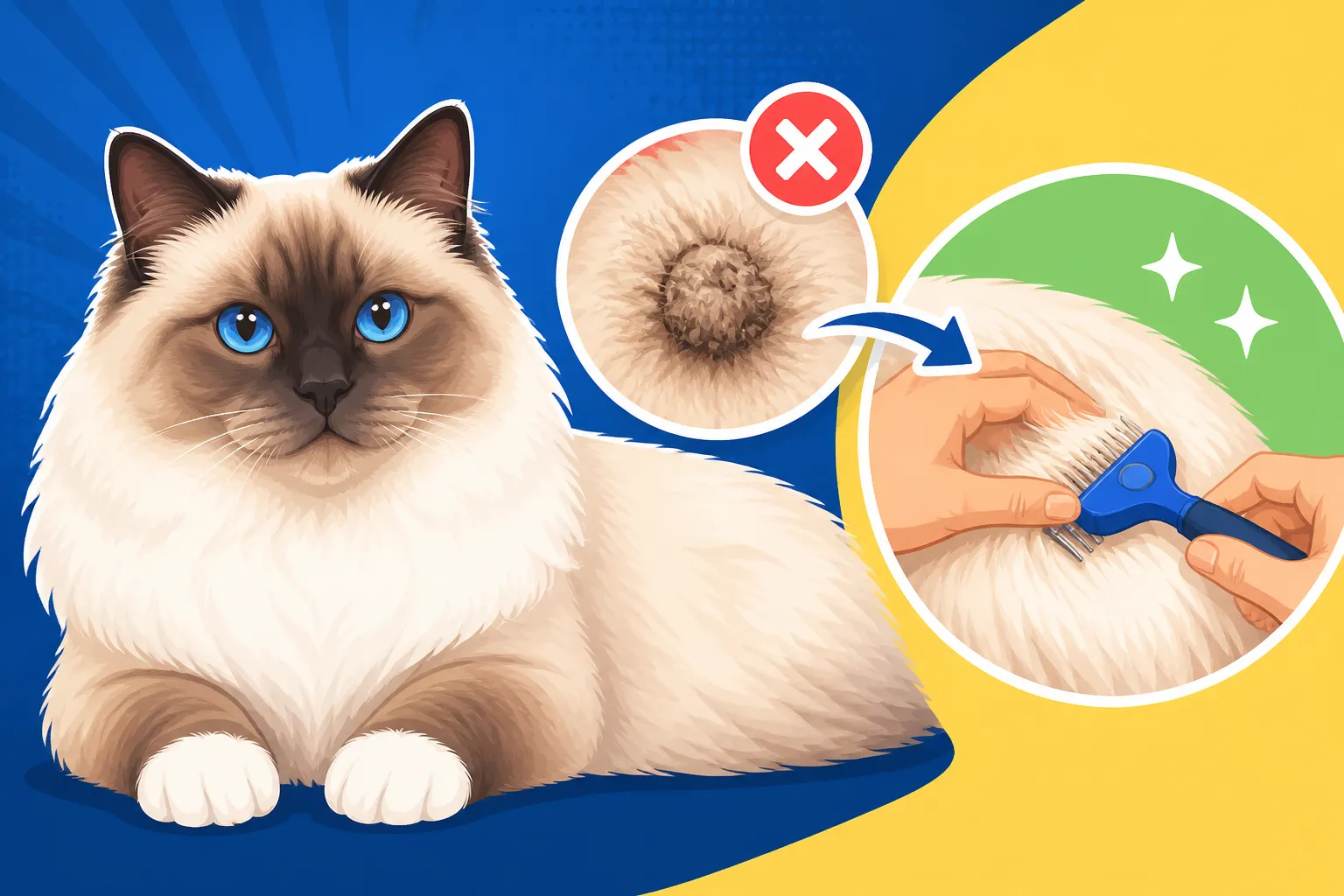
How to Get a Mat Out of a Birman’s Coat
There's nothing quite like running your fingers through the silky, luxurious coat of your beloved Birman. It’s one of their most stunning features, right? But then, out of nowhere, you hit it – a knot, a snag, a dreaded mat. It feels like a punch to the gut, doesn't it? You envision hours of wrestling, a stressed cat, and maybe even a trip to the vet. Dealing with mats can be incredibly frustrating, especially with a cat as generally placid as a Birman, who might try to hide their discomfort. This guide is here to walk you through gentle, effective ways to tackle those unwelcome tangles, understand why they happen, and most importantly, how to prevent them so you can both enjoy that beautiful, flowing coat.
Understanding Why Birmans Mat And Why They Don't Usually Mat Much
It’s a common misconception that all long-haired cats are matting magnets. While Birmans have a magnificent, flowing coat, they actually have a secret weapon against extensive matting: their unique hair type. Understanding this can help you manage their grooming needs more effectively and avoid unnecessary stress for both of you.
The Birman's Unique Coat Structure
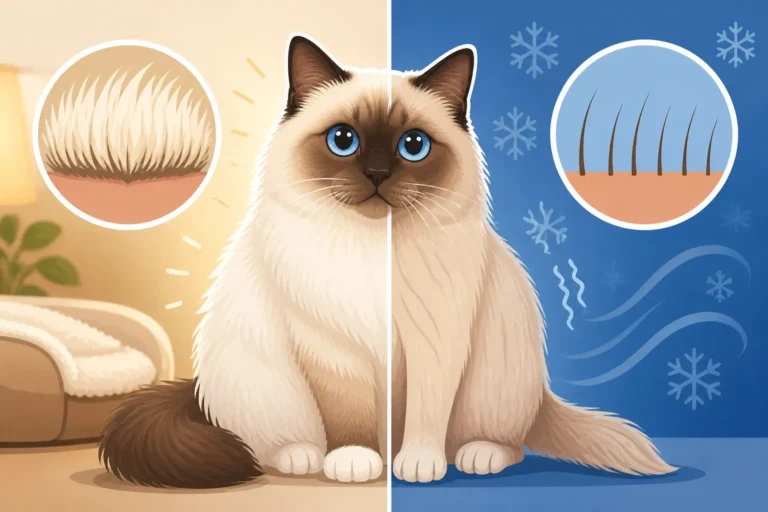
Unlike some of their fluffy cousins, like the Persian, the Birman boasts a single coat. What does this mean in practical terms? It means they don't have that dense, woolly undercoat that's notorious for trapping loose hair and forming tight, painful mats close to the skin. Instead, a Birman's coat is soft, silky, and tends to lay relatively flat against their body, giving it that characteristic flowing appearance. You'll find that their fur has a lovely, fine texture that truly runs through your fingers. This single coat is a major reason why No Undercoat Is What Makes a Birman Easy to Groom, making their grooming routine much less daunting than you might initially imagine for a cat with such a majestic mane.
This lack of a heavy undercoat is a huge advantage. It means that dead hair doesn't get tangled up underneath layers of fluff, which is often the primary culprit behind severe matting in other breeds. While no long-haired cat is entirely mat-proof, the Birman is often less prone to serious tangles compared to breeds with double coats. This means Why a Birman Mats Far Less Than It Looks Like It Should is a real phenomenon, saving you a lot of time and your Birman a lot of discomfort. However, "less prone" doesn't mean "immune." Mats can still happen, especially in certain areas or under specific circumstances, and knowing this distinction is key to keeping their coat pristine.
Common Causes of Matting in Birmans
Even with their easy-care coat, Birmans can still develop mats. Sometimes it's a simple oversight, other times it points to something deeper. Recognizing these common causes is the first step toward prevention.
One of the most frequent culprits is simply neglect. Life gets busy, we forget a day or two of combing, and suddenly, a small tangle has become a stubborn knot. Even with a single coat, loose hairs can intertwine, especially in areas of friction. Think about where your Birman loves to sleep or rub against things – these are often hot spots for mats. Another common cause can be a dietary deficiency affecting coat health. A cat's fur is a good indicator of their overall nutrition. If their diet lacks essential fatty acids or high-quality protein, their coat might become drier, more brittle, and thus more susceptible to tangles.
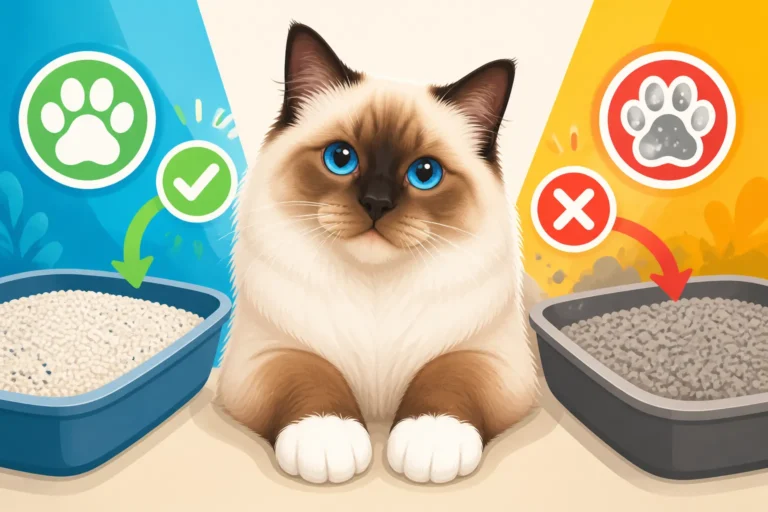
Environmental factors also play a significant role. If your Birman is particularly fond of playing in dusty areas, or if their litter isn't fine enough, particles can cling to their fur and contribute to matting, particularly around their lovely white gloves and britches. Why a Birman's Coat Carries Litter Out of the Box is a common complaint, and those tiny granules can easily get caught in the longer fur. Lastly, ageing Birmans, or those dealing with illness or pain, may find it difficult or impossible to groom themselves effectively. As a cat ages, their flexibility might decrease, making it hard for them to reach their back or hind legs. Similarly, if they're feeling unwell, self-grooming often drops down their priority list, leading to a rapidly deteriorating coat condition.
Gentle Methods for Removing Minor Mats
Spotting a mat doesn't have to send you into a panic. For smaller, less severe tangles, you can often tackle them at home with the right tools and a whole lot of patience. Remember, your Birman is generally a very gentle soul, but even they have their limits when it comes to discomfort.
The Right Tools for the Job
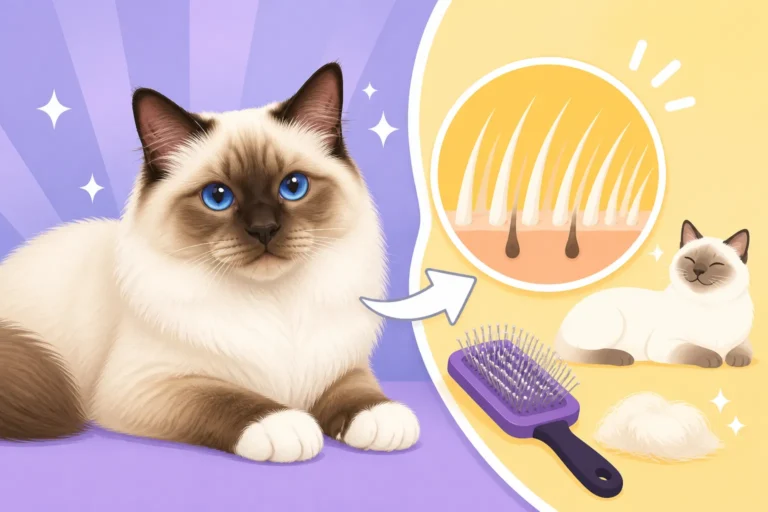
Before you even think about approaching your Birman with a comb, gather your supplies. Having everything ready minimizes stress for both of you. You’ll want a good quality metal comb with both wide and narrow teeth. The wide-toothed side is fantastic for starting on larger areas, while the finer teeth can work through smaller tangles. Avoid slicker brushes unless you're extremely gentle and experienced, as their fine, stiff wires can actually tear a Birman's delicate guard hairs. Instead, focus on combs that glide through the fur. Which Comb Gets Through a Birman's Ruff Without Pulling is crucial, especially around their beautiful neck fur.
Consider a mat splitter or a dematting tool, but use these with extreme caution, and only on mats that are not tight to the skin. Some dematting tools have blades that can cut the hair, which can be useful, but you must be incredibly careful not to nick the skin, which is surprisingly thin and fragile. For softening stubborn mats, cornstarch powder or a reputable detangling spray made specifically for cats can be a lifesaver. You can find excellent quality combs, detangling sprays, and even cornstarch suitable for pets on sites like Chewy or Amazon, making it easy to stock up on the right gear. Remember, Which Tooth Spacing Suits a Birman's Fine Coat is often a wider-toothed comb that can gently tease out tangles without catching on the fine strands.
Step-by-Step Mat Removal
Now for the delicate operation. The key here is patience, gentleness, and short sessions. If your Birman starts to get agitated, take a break and try again later.
- Locate and Assess: Gently feel around your cat's coat to find the mat. Try to get a sense of how big it is, how close it is to the skin, and how tight it feels.
- Comfort and Distraction: Find a quiet, comfortable spot. Place your Birman on your lap or on a non-slip surface where they feel secure. This is where distractions can be your best friend. A favorite treat, a puzzle feeder, or even just some soft murmurs of reassurance can help.
- Isolate the Mat: Using your fingers, gently try to separate the matted section from the surrounding healthy fur. Hold the fur at the base of the mat, against the skin, to prevent pulling on their sensitive skin as you work. This is vital for minimizing discomfort.
- Apply a Softener: Sprinkle a little cornstarch directly onto the mat, or mist it lightly with a detangling spray. Work the product into the mat gently with your fingers. This helps lubricate the hairs, making them easier to separate.
- Tease Apart, Don't Pull: Start at the very edge of the mat, using the wide-toothed end of your metal comb. Work away from the skin, not towards it. The goal is to gently tease apart individual strands or small clumps of hair. Think of it like carefully untangling a knot in string, rather than yanking it. Working a Comb Through a Birman's Ruff in Sections is a good approach; tackle one small area at a time.
- Short Strokes and Breaks: Use very short, light strokes with the comb. If you meet resistance, don't force it. Instead, try to work another angle, or use your fingers to further loosen the mat. Many short sessions are far better than one long, stressful one. If your Birman shows any sign of discomfort – a flick of the tail, a slight growl, or trying to move away – stop immediately. You can always come back to it. This step-by-step approach is ultimately How to Get a Mat Out of a Birman's Coat effectively and with the least amount of distress.
When to Call in the Professionals And What Not to Do
Sometimes, despite our best efforts, a mat proves too stubborn or too large for home removal. It's important to recognize when it's time to seek professional help, not just for your sanity, but primarily for your Birman's well-being.
Identifying When a Mat Is Too Big for Home Removal
It can be tempting to keep trying, especially if you're determined to avoid a vet visit. However, there are clear signs that a mat is beyond your capabilities and needs a professional touch. If a mat is very tight to the skin, almost like a felted patch, it's often best left to experts. These mats can pull on the skin, causing pain, bruising, or even skin infections underneath. Common problem areas where mats get particularly nasty include behind the ears, in the armpits, on the belly, and around the hind legs – basically, Where a Birman's Mats Usually Form.
If your Birman is showing signs of distress or pain when you even attempt to touch the mat, that's a huge red flag. A normally placid Birman becoming agitated or trying to hide is telling you something important. How a Birman Behaves When Ignored when unwell or uncomfortable can often involve withdrawing and not engaging, and this applies to grooming too. If they become aggressive, hiss, or attempt to bite, it's time to step back. Additionally, if there are multiple large mats, or if they cover a significant portion of their body, a professional intervention will be much quicker and less traumatic for your cat. Don't let guilt over calling for help outweigh your cat's comfort.
The Risks of Cutting Mats Yourself
Please, please, please resist the urge to grab a pair of scissors and cut out a mat. This is perhaps the biggest "do not do" in mat removal, and it's because the risks are far greater than you might imagine. A cat's skin is incredibly thin and loose, especially around mats where it can be pulled up into the tangle itself. What looks like a safe gap between the mat and the skin can disappear instantly with a slight movement from your cat, or even just as you squeeze the scissors.
Accidentally snipping your Birman's skin can lead to deep cuts, painful wounds, and costly vet visits for stitches or infection treatment. Not to mention, it's a traumatic experience that can make your cat terrified of grooming in the future. Even if you manage to avoid injury, you're likely to leave an uneven, unsightly patch of fur that takes weeks or months to grow out. When people ask Whether to Cut a Mat Out of a Birman, the overwhelming advice from experienced owners and professionals is a resounding no. It's simply not worth the risk.
Professional Grooming or Vet Intervention
When home efforts aren't enough, you have two main options: a professional groomer or your veterinarian. For mats that are large but not necessarily causing immediate distress or skin issues, a professional groomer specializing in cats – particularly longhaired breeds – is an excellent choice. They have specialized tools, techniques, and often a calm demeanor that can make the process less stressful. They can often demat more effectively or perform a "lion cut" if necessary, where the cat is shaved down to the skin to remove all mats, allowing the coat to grow back fresh. You might be surprised to find How Much a Groomer Charges for a Birman, but it's often a small price to pay for your cat's comfort and safety.
For severe matting, especially those that are extremely tight, pulling the skin, causing pain, or show signs of skin irritation underneath, a trip to the veterinarian is non-negotiable. Your vet can assess the cat's overall health, check for underlying skin issues, and, if needed, sedate your Birman to safely and completely shave off the mats. Sedation ensures the cat experiences no pain or fear during what could otherwise be a very uncomfortable procedure. Some vets may even recommend specific medicated washes or products, possibly from trusted brands that also produce high-quality food, to help the skin recover after severe matting has been removed. This approach prioritizes your cat's health and comfort above all else.
Preventing Future Mats: A Proactive Approach
The best way to deal with mats is to prevent them from forming in the first place! A consistent proactive approach will save you stress, time, and potentially money, while keeping your Birman's coat looking its best.
Consistent Grooming Routine
Establishing a regular grooming schedule is paramount. For a Birman, three times a week is often the magic number to keep their single, silky coat free of tangles and shed hair. Combing a Birman Three Times a Week is a reasonable commitment that yields great results. This isn't about lengthy, arduous sessions; even 5-10 minutes per session can make a world of difference. Focus on gently working through their ruff, britches, and under their "armpits" – the areas most prone to friction and matting.
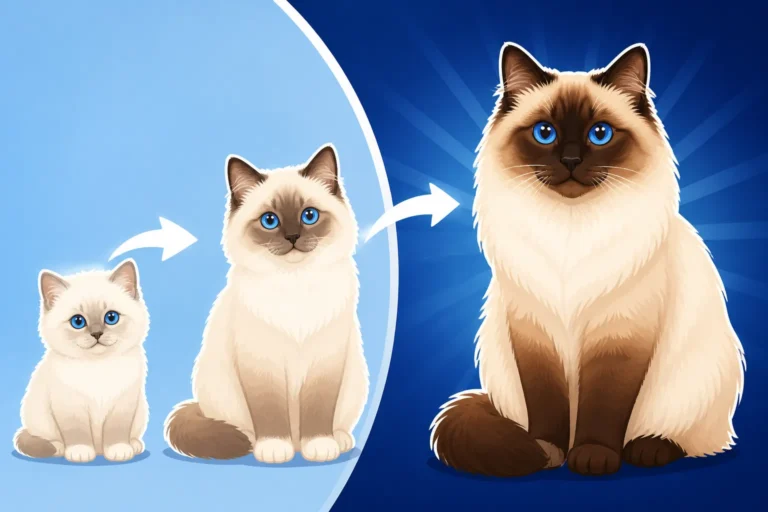
It's also crucial to start this routine early, especially if you have a Birman kitten. Familiarizing them with the comb and making grooming a positive, calm experience from a young age will pay dividends throughout their life. Use treats, soft words, and gentle strokes. How to Start Combing a Birman Kitten involves short, positive interactions, slowly increasing the duration as they get comfortable. The goal is for them to associate grooming with comfort and attention, not struggle or pain. Consistency is key; a few missed days can quickly lead to a stubborn mat.
Diet and Environment
What your Birman eats directly impacts the health and condition of their coat. A high-quality diet rich in essential fatty acids (like Omega-3 and Omega-6) and easily digestible proteins promotes a shiny, healthy coat that is less prone to dryness and matting. Look for foods that list specific animal proteins as the first ingredients. Why Omega Oils Matter for a Birman's Coat is because they contribute to skin hydration and coat elasticity, making the hair smoother and less likely to tangle. Many premium cat foods focus on balanced nutrition that supports skin and coat health.
Beyond diet, maintaining a clean environment is vital, particularly for Birmans with their pristine white gloves. Dusty litter or litter that clings to fur can easily get embedded in their delicate paw fur and cause small tangles that can quickly escalate. Opt for low-dust, fine-grained litter. Which Litter Suits a White Gloved Cat is typically one that won't leave residue or stain their beautiful white feet. Regularly cleaning litter boxes and frequently sweeping/vacuuming play areas will also help minimize debris that can get caught in their coat.
Regular Health Checks
Sometimes, matting isn't just about grooming habits; it can be a symptom of an underlying health issue. Regular veterinary check-ups are essential for detecting problems early. Your vet can identify issues like dental pain, arthritis, or other conditions that might make self-grooming difficult or painful for your Birman. For instance, an older Birman with developing arthritis might struggle to bend and groom their back or hindquarters, leading to mats. Caring for an Old Birman That Cannot Reach Its Back often involves taking over some of their grooming duties.
If you notice a sudden increase in matting, or if your Birman seems less interested in grooming themselves, it's definitely worth a vet visit. This is especially true for senior cats. As they age, mobility issues and other health concerns can impact their ability to maintain their coat. What an Old Birman Needs Once Its Ruff Starts Matting includes extra attention from you with the comb, potentially specialized diets, and regular vet assessments to manage any pain or discomfort that might be hindering their self-care. Early detection and management of health issues can prevent severe matting and keep your beloved Birman comfortable and happy for years to come.
| Feature | At-Home Mat Removal | Professional Groomer | Veterinarian (for Mat Removal) |
|---|---|---|---|
| Mat Type | Small, loose tangles, surface mats | Larger, more complex mats, minor discomfort | Severe, tight, painful mats, skin irritation |
| Tools Needed | Metal comb, fingers, cornstarch, detangling spray | Specialized combs, clippers, experience, calm handling | Clippers, anesthesia/sedation, medical expertise |
| Risk of Injury | Moderate (if not careful with combs/fingers) | Low (experienced professionals) | Very Low (under sedation, by medical professional) |
| Stress on Cat | Varies (can be high if done improperly or too long) | Moderate (can be managed with skill) | Low (cat is sedated/anesthetized) |
| Cost | Low (cost of tools) | Moderate (grooming fee) | High (vet examination, sedation, procedure fee) |
| Best For | Routine maintenance, minor tangles | Correcting neglected coats, extensive matting | Emergency mat removal, mats causing health issues |
Disclaimer
This article is for general informational purposes only and does not constitute professional advice. Laws, prices and regulations vary by location and change over time. Consult a qualified professional for guidance on your specific situation.