Why a Coat With No Undercoat Leaves a Birman Cold
It’s a common misconception that all long-haired cats are inherently warm and cozy, like little furry heat factories. Many Birman owners, especially those new to the breed, quickly realize that despite their luscious, flowing coats, these beautiful felines can actually get quite chilly, often more so than you’d expect. This guide will delve into the unique characteristics of the Birman's coat, explaining precisely why its lack of an undercoat can leave your beloved companion feeling the cold more acutely, and what you can do to ensure they stay snug and comfortable all year round.
Understanding the Birman's Unique Coat Structure
When you first run your fingers through a Birman's coat, you're immediately struck by its incredible softness and silkiness. It’s a truly magnificent feature of the breed, but this very quality is tied to why they can feel the cold. Unlike many other long-haired breeds, the Birman possesses a distinctive coat structure that lacks the insulating layers found in their fluffier cousins.
The Lack of a Dense Undercoat
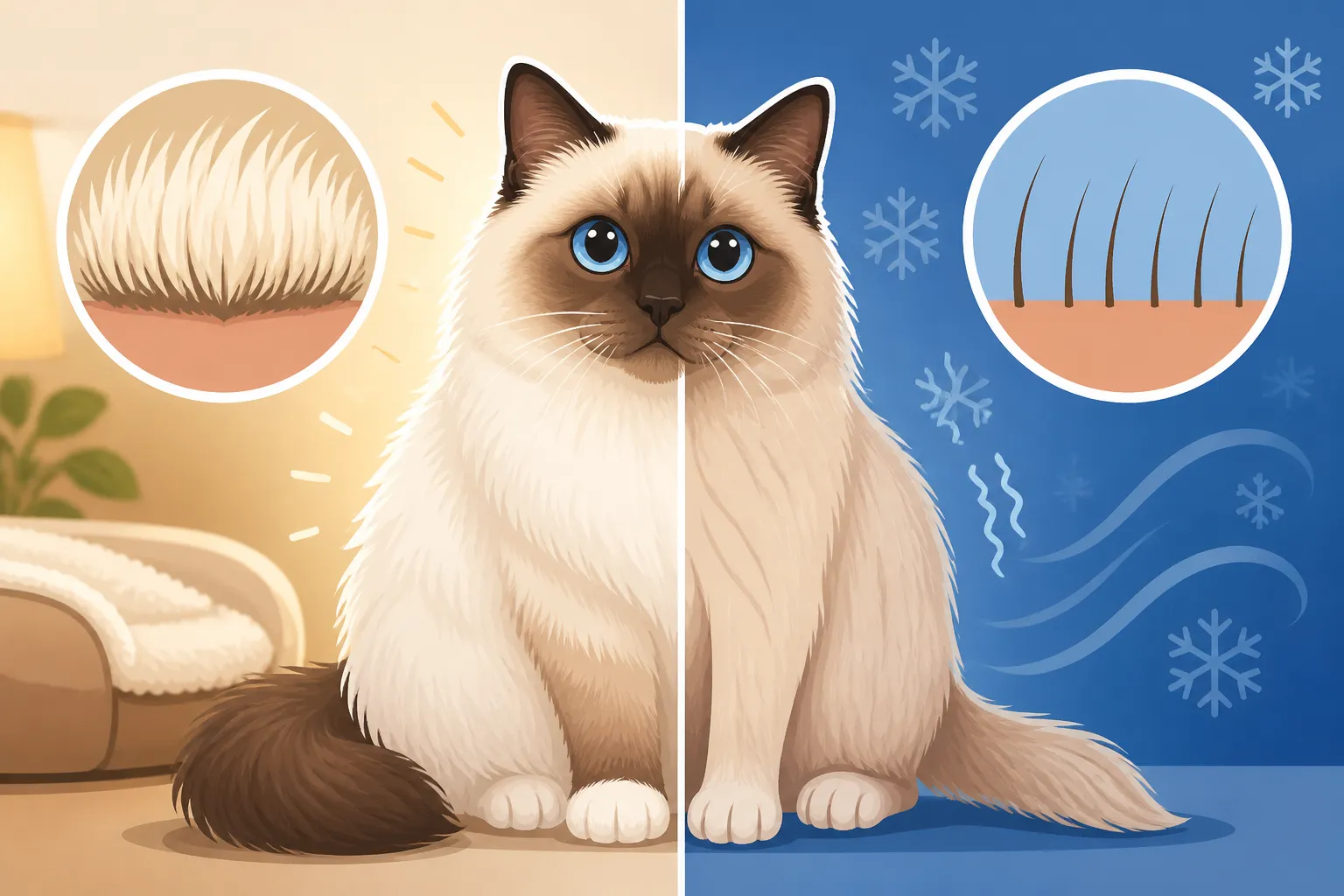
Most cats, especially those adapted to cooler climates or with thick, luxurious fur, have what's known as a double coat. This means they have a top layer of longer, coarser guard hairs that protect against the elements, and underneath that, a dense, soft, woolly undercoat. This undercoat is absolutely crucial for insulation. It traps a layer of air close to the cat's body, acting like a natural duvet to hold in warmth and keep out the cold. Think of it like wearing a thermal layer under a winter coat – both are important for staying warm.
The Birman, however, is a different story. Its coat is largely comprised of only the longer, silky guard hairs. There’s a distinct absence of that thick, woolly undercoat layer that many other long-haired breeds boast. This means they don't have that crucial trapped air pocket to protect them from temperature drops. When you compare a Birman to, say, a Maine Coon or a Persian, the difference in coat density is immediately apparent. A Persian feels like a cloud of fluff with a deep, insulating layer, whereas a Birman's fur, while long and beautiful, feels much thinner and lighter right down to the skin. This unique trait is actually a boon for grooming, as many owners will attest that No Undercoat Is What Makes a Birman Easy to Groom, making daily brushing less of a chore. But when it comes to battling a chilly draft, this structural difference becomes quite significant.
The Silky, Fine Guard Hairs
The guard hairs of a Birman's coat are truly something to behold. They are long, fine, and have an almost ethereal silkiness that allows them to flow beautifully without matting easily. This is one of the breed's most defining and beloved characteristics. However, these elegant hairs, while stunning to look at and incredibly soft to touch, aren't designed for heavy-duty insulation. They don't have the same coarse, weather-resistant texture found in some breeds, nor do they stand up in a way that creates significant air pockets.
Imagine wrapping yourself in a fine silk scarf versus a thick wool blanket. Both are beautiful, but one offers far more warmth than the other. The Birman's coat is like that luxurious silk scarf – gorgeous, delicate, and lovely, but not built for keeping out the biting cold. The way their coat drapes and flows, rather than standing out from the body in a dense cloud, further limits its insulating properties. As owners often describe, What Makes a Birman's Coat Silky Rather Than Woolly is a texture that's delightful to pet but provides less natural protection against the elements. This means that while they might look ready for a winter wonderland, a Birman often needs a little extra help to stay truly toasty.
How a Single Coat Affects Body Temperature Regulation
The practical implication of this beautiful, single coat is that a Birman's body temperature regulation is significantly different from that of a cat with a dense double coat. They simply don't have the same built-in mechanism for staying warm when the mercury drops.
Reduced Insulation Against Cold
The primary function of an undercoat is insulation. It works by trapping air close to the body, creating a thermal barrier that slows down heat loss. Think about how a down jacket or a well-insulated house works – it's all about creating pockets of still air that don't conduct heat easily. Without this dense layer of undercoat, the Birman's long, silky guard hairs lie closer to the body, allowing much more direct contact between the cooler ambient air and the cat's skin. This means heat can escape from their body much more readily.
If your home is prone to drafts, or if the temperature fluctuates, your Birman will feel those changes far more acutely than a breed with a thick, insulating coat. A slight chill in the air that a Persian might barely notice could have your Birman seeking out the warmest spot in the house. This makes it crucial for owners to be mindful of their indoor environment, especially during cooler months or in homes with less consistent heating. It's truly a case of Why a Coat With No Undercoat Is Not Warm, and understanding this helps us provide better care.
Slower Heat Retention
Beyond just losing heat faster, Birmans also have a harder time retaining heat once they've warmed up. Cats with dense undercoats can curl into a tight ball, effectively creating a self-insulating bubble where their body heat is trapped within their fur, keeping them warm for longer. The Birman, with its more open coat structure, doesn't have this same natural advantage. When they curl up, their sleek fur doesn't create the same kind of insulating barrier, meaning their body heat continues to dissipate into the surrounding environment more efficiently.
This can be particularly noticeable if your Birman has been in a warm spot and then moves to a cooler area. They might quickly feel the chill and start looking for warmth again. This isn't to say they're constantly cold, but rather that their thermal regulation is less efficient compared to many other breeds. They're simply not equipped to hold onto warmth for extended periods in cooler conditions. For this reason, you might observe them seeking out warm perches or preferring to nap in sunbeams even on days that feel mild to you. It's a key factor in How Well a Birman Copes With a Cold House, and it means they depend more on their human companions to provide consistent warmth.
Recognizing When Your Birman is Cold
Because Birmans are generally such placid and undemanding cats, they might not always make a huge fuss when they're feeling a bit nippy. It’s up to us, their devoted owners, to read their more subtle cues and ensure they're always comfortable. Learning to spot these signs is essential for their well-being.
Behavioral Cues to Watch For
A cold Birman will often change their behavior in noticeable ways, even if they aren't loudly complaining. One of the most common signs is seeking out the warmest spots in the house. This might mean snuggling right up against a heat vent, burying themselves deep under blankets, or perching on top of a radiator (if it's safe to do so). You might find them curled into an impossibly tight ball, tucking their paws and tail in close to their body, trying to minimize heat loss. They might also become more clingy, choosing to lie directly on your lap or right next to you, absorbing your body heat.
Another subtle cue can be a reluctance to move or play. If your normally active Birman seems a bit lethargic or is less interested in their usual games, it's worth checking if they're feeling cold. They might also avoid areas of the house that are particularly drafty or chilly, preferring to stay in warmer rooms. While shivering is a clear sign of being very cold, Birmans might exhibit it less frequently than short-haired breeds before finding a warm spot. Observing these subtle shifts in their preferred locations and activity levels can give you a good indication. In fact, many owners discover Where a Birman Goes When the Heating Goes Off through these very observations.
Physical Indicators of Being Chilly
Beyond behavior, there are also physical signs that your Birman might be feeling cold. Gently touch their ears, nose, or paw pads. If these extremities feel noticeably cool to the touch, it's a good indication that their body temperature might be a bit lower than ideal. Their nose, in particular, might feel cooler and slightly drier than usual.
Their posture can also tell you a lot. A cat that's warm and comfortable will often stretch out, relax, and expose their belly. A cold Birman, on the other hand, will typically be more compact, hunched, or curled up. Their fur might even appear a little "fluffed up" in an attempt to trap more air, though with their single coat, this effect is less pronounced than in double-coated breeds. Some Birmans might become a little withdrawn or quiet when uncomfortable, which can sometimes be mistaken for general contentment due to their placid nature. However, a deeper understanding reveals that Why a Birman Hides Illness Behind a Placid Temperament also applies to minor discomforts like feeling cold, so paying close attention to these cues is vital.
Strategies for Keeping Your Birman Warm and Comfortable
Knowing your Birman can feel the cold more easily means you can take proactive steps to ensure they're always comfortable. Thankfully, there are many simple and effective ways to provide the warmth and coziness they need.
Providing Warm Resting Spots
One of the easiest and most appreciated ways to keep your Birman warm is by offering dedicated cozy spots. Heated cat beds are an absolute game-changer for Birmans. These beds provide a consistent, gentle warmth that penetrates their fur, making them irresistibly snug. You can find excellent options on retailers like Chewy or Amazon, ranging from self-warming mats that use your cat's body heat to generate warmth, to electric heated beds with adjustable settings. Just ensure any electric option is specifically designed for pets and has safety features to prevent overheating. Many Birman owners will agree that Whether a Heated Bed Is Worth It for a Birman is a resounding yes, especially in cooler climates.
Beyond heated beds, simply providing soft, plush blankets and multiple cozy hideaways can make a big difference. Think about placing a soft, fleecy blanket in their favorite napping spots, or even creating a "nest" in a quiet corner with a few layers of fabric. Elevated beds or cat trees can also be beneficial, as they lift your Birman off cold floor drafts. Positioning these warm spots near a sunny window (but away from direct, intense sunlight that could lead to overheating) can also be a hit, allowing them to bask and absorb natural warmth.
Environmental Adjustments
Beyond individual bedding, consider the overall temperature and environment of your home. Maintaining a consistent indoor temperature, especially during colder months, will prevent your Birman from experiencing rapid temperature fluctuations. While you don't need to turn your home into a sauna, keeping it at a comfortable, steady warmth is ideal.
Identify and address any significant drafts coming from windows or doors. Simple solutions like draft stoppers or sealing gaps can make a noticeable difference in preventing cold air from seeping in. If you use a space heater, always ensure it's cat-safe, stable, and used only under supervision, especially with long-haired cats who might accidentally brush against heating elements. Position their favorite resting spots away from drafty areas and near gentle heat sources, if possible, without being too close to cause burns. Observe Where a Birman Chooses to Lie in Winter – they'll naturally gravitate to the warmest spots, and you can enhance those areas for them.
Nutritional Support for a Healthy Coat
While diet won't directly create an undercoat, providing high-quality nutrition can contribute to a Birman's overall coat health, which in turn helps its natural barrier function. A healthy coat, even a single one, is a better coat. Look for cat foods rich in Omega-3 and Omega-6 fatty acids, which are known to support skin and coat health, making the fur more resilient and shiny. Brands often highlight these ingredients, and fresh, balanced meals often emphasize coat-supporting nutrients.
While a sleek, well-nourished coat isn't a substitute for an undercoat, it can contribute to the coat's integrity and its ability to provide some protection. Good fats in the diet are essential for the production of healthy skin oils, which keep the fur supple and can enhance its natural barrier against external conditions. So, while feeding for warmth isn't the primary goal, feeding for optimal coat health is a valuable supporting strategy. Why Omega Oils Matter for a Birman's Coat goes beyond just aesthetics, contributing to overall skin and hair follicle vitality.
Special Considerations for Birman Kittens and Seniors
While all Birmans benefit from thoughtful temperature management, kittens and senior cats have particular vulnerabilities that require extra attention and care. Their bodies are less efficient at regulating temperature, making them more susceptible to the cold.
Vulnerabilities of Birman Kittens
Birman kittens are born almost pure white, and their points (the darker color on their extremities) develop as they grow, influenced by temperature. More importantly, their tiny bodies have less muscle and fat mass, meaning they can't generate and retain heat as effectively as adult cats. Their thermoregulation systems are also still developing in their early months. This makes them incredibly vulnerable to cold, and a chilly environment can quickly lead to health problems.
For kittens, it's absolutely crucial to ensure they have consistently warm sleeping areas. A heated bed or a cozy nest of blankets in a warmer room is essential. Keep them away from drafts and cold floors. When bringing a new Birman kitten home, ensure their new environment is warm and stable. Regularly check their temperature by feeling their ears and paws, and observe their behavior. A cold kitten will often huddle, cry, or feel lethargic. Providing a consistent, snug environment is part of What to Check on a Birman Kitten in Its First Week Home and is fundamental to their healthy development.
Challenges for Older Birmans
As Birmans age, their bodies undergo changes that can make them more sensitive to cold. Their metabolism might slow down, reducing their natural heat production. Their fur, while still beautiful, can sometimes become thinner or less dense, further reducing its already limited insulating properties. Mobility issues, such as arthritis, can also play a role. An older Birman with stiff joints might find it difficult to jump up to their favorite warm perch or to get cozy under a heavy blanket.
For senior Birmans, consistent warmth becomes even more vital. Ensure their favorite napping spots are easily accessible and provide extra padding and warmth, like an orthopedic heated bed. Monitor their weight, as a thinner senior cat will have less natural insulation. If they spend a lot of time grooming, check for any mats that might hinder their comfort, though Birmans are generally low-matting. Observing What an Old Birman Slows Down From First can give clues about their comfort levels. Providing ramps or steps to higher, warmer areas can help them access the warmth they need without strain.
Birman Coat Comparison: Single vs. Double Coat
To really drive home the difference, here's a quick comparison of the Birman's single coat versus a typical double coat found in many other long-haired breeds:
| Feature | Birman (Single Coat) | Double Coat (e.g., Persian, Maine Coon) |
|---|---|---|
| Layers | Primarily guard hairs; minimal to no undercoat | Guard hairs + dense, woolly undercoat |
| Texture | Silky, fine, flowing | Soft, fluffy, dense, often woolly |
| Insulation | Less effective; relies on trapped air from external sources | Highly effective; traps air close to the body |
| Heat Retention | Dissipates heat more quickly | Retains body heat for longer periods |
| Matting Tendency | Low; less prone to mats | Higher; undercoat can mat easily if not groomed |
| Shedding | Moderate, long fine hairs | Can be heavy, especially seasonal "blowing" of undercoat |
| Grooming Needs | Moderate (3x/week comb); How Many Minutes a Week a Birman's Coat Takes | High (daily extensive brushing) |
| Cold Sensitivity | More sensitive to drafts and lower temperatures | Generally less sensitive, better cold tolerance |
It's clear that while the Birman's coat is a joy in many ways, its structure does mean they need a bit more human assistance to stay warm.
Conclusion
The Birman cat's striking beauty, with its silky, flowing coat and piercing blue eyes, often leads people to believe it's a breed perfectly insulated against the cold. However, the reality of their unique single-coat structure, lacking the dense undercoat found in many other long-haired breeds, means they are surprisingly sensitive to chilly temperatures and drafts. They don't have that natural thermal barrier, making them less efficient at retaining body heat.
By understanding this fundamental aspect of their physiology, Birman owners can proactively create a comfortable and warm environment for their beloved companions. Providing heated beds, cozy blankets, maintaining a consistent indoor temperature, and being mindful of drafts are all simple yet crucial steps. Paying attention to their subtle behavioral and physical cues will help you recognize when your Birman is feeling cold, allowing you to respond promptly. Whether you have a playful kitten or a dignified senior Birman, ensuring they are snug and warm is an essential part of their care, contributing significantly to their overall health, happiness, and contented demeanor.
Disclaimer
This article is for general informational purposes only and does not constitute professional advice. Laws, prices and regulations vary by location and change over time. Consult a qualified professional for guidance on your specific situation.