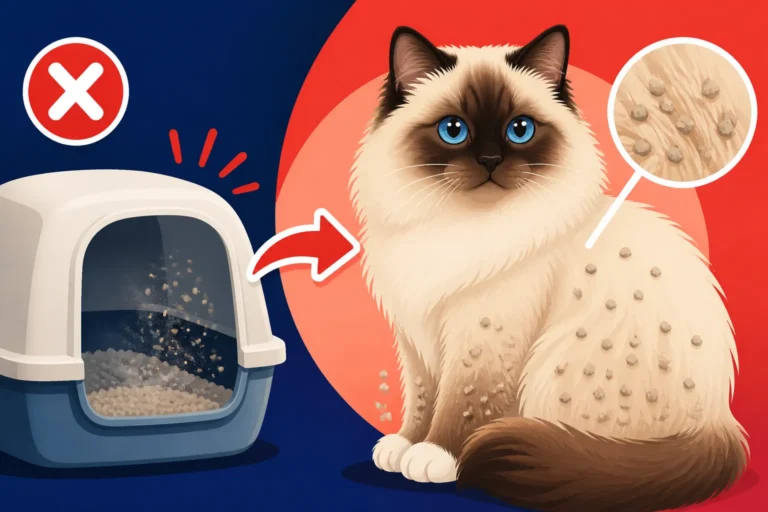
Where a Birman Expects Its Boxes to Be
One of the trickiest parts of sharing your home with a beloved Birman is figuring out their bathroom situation. You’ve probably noticed that if the litter box isn't just right, your otherwise impeccably behaved cat might start making their displeasure known in places that are decidedly not the litter box. It’s frustrating when you try your best, but your Birman seems to have a secret map in their head. This guide will walk you through exactly where your Birman expects their boxes to be, helping you create a happy, hygienic home for everyone.
Understanding Your Birman's Litter Box Preferences
Birmans are such charming, gentle souls, and while they might seem easygoing, they have very specific ideas about their personal space, especially when it comes to their litter boxes. Ignoring these subtle cues can lead to a lot of stress for your cat – and a lot of cleanup for you.
The Birman's Need for Privacy and Quiet
Unlike some of their more boisterous feline cousins, Birmans thrive in calm, predictable environments. They are not cats who appreciate a sudden scare or an audience when they're trying to do their business. Imagine trying to use a public restroom that's right in the middle of a bustling carnival – that's often how a Birman feels about a litter box placed in a high-traffic area.
Areas like busy hallways, a laundry room with its sudden, loud cycles, or even a kitchen where there's constant activity, cooking smells, and human conversation, can make your Birman feel vulnerable and exposed. They'll often hold it, or worse, find a quieter, more private spot that you probably won't be happy about. This isn't them being spiteful; it's them trying to meet a fundamental need for security and privacy. A stressed Birman is an unhappy Birman, and sometimes the signs are subtle, like a slight change in their routine or a reluctance to use a certain spot. Why a Placid Birman Hides Pain is a good read if you're trying to decipher your Birman's subtle signals.
Accessibility and Convenience for Your Birman
While Birmans are generally healthy and active, they also appreciate convenience. A litter box shouldn't feel like an obstacle course or a marathon journey. For a young, spry Birman, a little trek might be fine, but as they age, mobility can become a factor. You want to make sure the box is always easy to get to, without having to navigate furniture mazes or climb too many stairs, especially if you live in a multi-level home.
Think about how many steps your Birman would have to take from their favorite napping spot to the litter box. If it's a significant journey, they might opt for the nearest rug instead. It's not laziness, but a practical consideration for a cat that values comfort and ease. If you have a larger home, or multiple floors, the general rule of thumb is at least one litter box per floor, plus an extra. This ensures that a convenient, private spot is always within reach, no matter where your Birman decides to spend their afternoon.
The Importance of a Clean and Unscented Environment
Birmans are incredibly fastidious. Their beautiful, silky coats and pristine white gloves mean they're very aware of cleanliness. A dirty litter box is not just an inconvenience for them; it can be an affront to their delicate sensibilities. They won't tolerate a box that hasn't been scooped regularly, and they might even refuse to use it if it's too full or smelly.
Beyond scooping, the type of litter you use also matters. Their sensitive paws and those famous white "gloves" can be affected by dusty, perfumed, or rough litters. Fine, low-dust litter is often preferred, as it's gentle on their paws and less likely to cling to their long fur, which can lead to tracking or discolored gloves. Which Litter Leaves a Birman's Gloves Clean goes into more detail about how to choose the best litter. Strong artificial scents in litter can also be overpowering for their sensitive noses, leading them to avoid the box entirely. Remember, what smells "fresh" to us might smell like a chemical nightmare to a cat.
Ideal Locations for Birman Litter Boxes
Finding the perfect spot for your Birman's litter box is a bit of an art, blending their natural instincts with the realities of your living space. The goal is always to create a discreet, comfortable, and safe haven for them.
Low-Traffic Areas with Escape Routes
The ultimate spot for a Birman's litter box is a low-traffic area that offers a sense of seclusion without making them feel trapped. Think quiet corners of a spare bedroom, a seldom-used guest bathroom, or a dedicated cat room if you're lucky enough to have one. These locations provide the peace and quiet your Birman craves, allowing them to relax and feel secure during a vulnerable moment.
Crucially, any chosen spot should also have an "escape route." Cats, as predators and prey animals, instinctively want to know they can see an exit and aren't cornered. This means avoiding dead-end closets where they might feel trapped, especially if another pet or person could block their way out. An open, airy space, even if it's a corner, is much better than a small, enclosed space with only one way in and out. If you're using a covered box, which some Birmans tolerate if it's large enough, ensure it has multiple openings or is oversized. You might also want to check out Why a Birman Needs a Longer Box Than a Round Cat to ensure you're getting the right size box for their elegant, elongated bodies.
Multi-Cat Households and Litter Box Quantity
If you're like many Birman lovers, you might have more than one feline family member. This is fantastic for Birmans, as they often thrive with companionship, but it means you need to rethink your litter box strategy. The golden rule for multi-cat homes is one litter box per cat, plus one extra. So, for two Birmans, you'd ideally have three litter boxes spread throughout your home.
Distributing these boxes is key. Don't just line them all up in one room. Place them in different, private locations on different floors or in different areas of a single-story home. This prevents territorial disputes, ensures that if one box is occupied, another is readily available, and caters to individual preferences. One Birman might prefer the quiet of the upstairs landing, while another might favor the utility room. Providing options reduces stress and the likelihood of "accidents" born from competition or inconvenience.
Considerations for Older or Less Mobile Birmans
As our beautiful Birmans gracefully age, their needs can change. An older Birman might develop arthritis, experience decreased vision, or simply find jumping in and out of a high-sided box more challenging. For these cherished seniors, accessibility becomes paramount. Consider low-entry litter boxes that require minimal effort to get into. You can find many options on retailers like Chewy or Amazon.
Placement for an older Birman should prioritize proximity to their favorite resting spots and areas where they spend most of their time. If your senior Birman loves to nap in the living room, having a discreetly placed box nearby can make a huge difference to their comfort and willingness to use it. Moving a box that they've always used might also be necessary if their mobility changes. Be gentle and patient during this transition, perhaps even placing a new, accessible box right next to the old one for a while before removing the original. For more on caring for an aging Birman, read Caring for an Old Birman That Cannot Reach Its Back.
Common Litter Box Placement Mistakes to Avoid
Even with the best intentions, it's easy to fall into some common litter box placement traps. Understanding these pitfalls can save you a lot of headache and keep your Birman happy and healthy.
High-Traffic and Noisy Spots
As we've touched on, Birmans truly despise using a litter box in a busy, noisy environment. Placing a litter box in a main hallway, a busy living room, or a kitchen where people are constantly coming and going is a recipe for disaster. These spots offer no privacy, and the constant activity can make your Birman feel exposed and anxious. Imagine trying to relax and do your business while people are chatting, walking past, or a dishwasher is rumbling next to you – it's hardly serene.
Similarly, laundry rooms, despite often being out of the way, can be problematic due to the sudden, loud noises of washing machines and dryers. These unexpected sounds can be startling and stress-inducing for a cat, especially a placid Birman. They might associate the litter box with these unpleasant surprises, leading them to seek out quieter, albeit less appropriate, alternatives. The goal is to make the litter box a predictable, safe space, not a source of anxiety.
Placing Boxes Near Food and Water
This might seem like a convenient pairing from a human perspective – all their necessities in one tidy corner! However, cats, by nature, are programmed to keep their eating, drinking, and elimination areas separate. In the wild, they wouldn't eat where they relieve themselves, and this instinct holds strong even in our domesticated companions.
Placing a litter box right next to your Birman's food and water bowls can actually deter them from using either. They might stop eating well, or start avoiding the litter box, leading to inappropriate urination or holding their bladder for too long, which can cause health issues. Think of it like putting your dining table directly in your bathroom – it just doesn't feel right. Always ensure there's a good distance between your Birman's mealtime zone and their bathroom zone.
Trapping Your Birman in a Corner
While privacy is important, feeling trapped is not. Some owners opt for covered litter boxes or place open boxes deep into corners or small closets, thinking this provides maximum privacy. However, for many Birmans, this can backfire. A covered box can trap odors, making the environment unpleasant, and it can also make a cat feel vulnerable if they can't see what's coming or easily escape. Why a Covered Box Traps Litter in a Birman's Coat also highlights how these boxes can lead to litter sticking to their fur.
Similarly, placing a box in a tight, dead-end spot with only one entrance can make your Birman feel insecure. They might worry about being ambushed by another pet or a child. Cats prefer to have a clear view of their surroundings and an easy exit path. If you do use a covered box, ensure it's generously sized and perhaps position it so one side is against a wall, but the entrance faces an open space, giving them that crucial sense of security and a quick escape route if needed.
The Impact of Litter Box Placement on Birman Behavior and Health
The seemingly simple act of placing a litter box has far-reaching consequences for your Birman's overall well-being, influencing everything from their behavior to their physical health.
Preventing Inappropriate Urination and Defecation
This is often the most obvious sign that something is amiss with your litter box setup. If your Birman starts urinating outside the box – on carpets, furniture, or even your bed – it's a clear signal that they're unhappy with their current toilet situation. This isn't out of spite; it's usually a cry for help or a way to communicate that their current options aren't meeting their needs.
Poor placement, such as a noisy area, a dirty box, or one that makes them feel vulnerable, can directly lead to these inappropriate behaviors. Your Birman is essentially telling you, "I can't use that box, so I'm finding somewhere else." These "accidents" are incredibly stressful for both cat and owner, but addressing the root cause – often the litter box setup – can resolve the issue. If you notice your Birman becoming withdrawn or displaying other unusual behaviors, What a Stressed Birman Does might offer further insights into what they're trying to tell you.
Maintaining Hygiene and Coat Health
A Birman's majestic, silky coat and famous white gloves are part of their undeniable charm. However, these features also make them particularly susceptible to issues arising from a poorly placed or maintained litter box. If the box is dusty, the litter can cling to their fur, especially on their long britches and tail, leading to tracking litter throughout your home.
More critically, dusty or heavily perfumed litters can stain their pristine white paws, turning those lovely gloves an unsightly yellow or grey. Why a Birman's Gloves Go Yellow explains this phenomenon in detail. Regularly changing the litter, as explored in How Often to Change Litter for a White Footed Cat, and using low-dust, non-clumping varieties can help. Furthermore, if a Birman avoids a dirty box and has an accident elsewhere, their longer fur can become soiled, requiring immediate cleanup and potentially leading to skin irritation or matting if not addressed promptly. The placement of the box directly impacts how easily they can enter and exit without dragging their beautiful coat through soiled areas.
Addressing Specific Birman Needs
Birmans are known for their quiet, gentle disposition, which can sometimes be a double-edged sword when it comes to noticing their distress. They're not typically vocal or demanding cats, so they might suffer in silence if their litter box situation isn't ideal. This placid temperament means you, as their owner, need to be extra vigilant and proactive in anticipating their needs.
A Birman might not loudly complain about a shared, dirty, or poorly located box; instead, they might simply stop using it, or become more withdrawn. They rely on you to set up their environment in a way that aligns with their natural instincts for cleanliness, privacy, and safety. Consistent routine and thoughtful placement, combined with a clean environment, are critical for supporting their overall happiness and preventing stress-related health or behavioral issues. Remember, a content Birman is one whose basic needs, including a well-situated litter box, are consistently met.
| Aspect of Placement | Ideal for Birmans | Problematic for Birmans | Why it Matters for Birmans |
|---|---|---|---|
| Location | Quiet, low-traffic areas (spare room, guest bathroom) | Busy hallways, laundry rooms, kitchen | Preserves their need for privacy; avoids stress from noise and activity. |
| Accessibility | Easy entry/exit, near resting spots, multiple boxes | High sides, difficult to reach, single box in large home | Crucial for comfort, especially for older cats; prevents accidents from inconvenience. |
| Privacy | Open layout with escape routes, well-ventilated | Trapped in corners, fully enclosed boxes, no clear exit | Reduces feeling of vulnerability; prevents odor buildup; allows for quick escape. |
| Cleanliness | Scooped 1-2 times daily, fresh litter regularly | Infrequently scooped, dirty | Fastidious nature means they'll avoid dirty boxes, leading to inappropriate elimination. |
| Proximity | Away from food/water bowls | Right next to food/water bowls | Cats instinctively separate eating/drinking from elimination. |
| Litter Type | Low-dust, unscented, fine texture | Dusty, strongly scented, rough texture | Protects sensitive paws and white gloves; avoids respiratory irritation; prevents staining. |
Disclaimer
This article is for general informational purposes only and does not constitute professional advice. Laws, prices and regulations vary by location and change over time. Consult a qualified professional for guidance on your specific situation.