Why a Birman’s Britches Sometimes Need Trimming
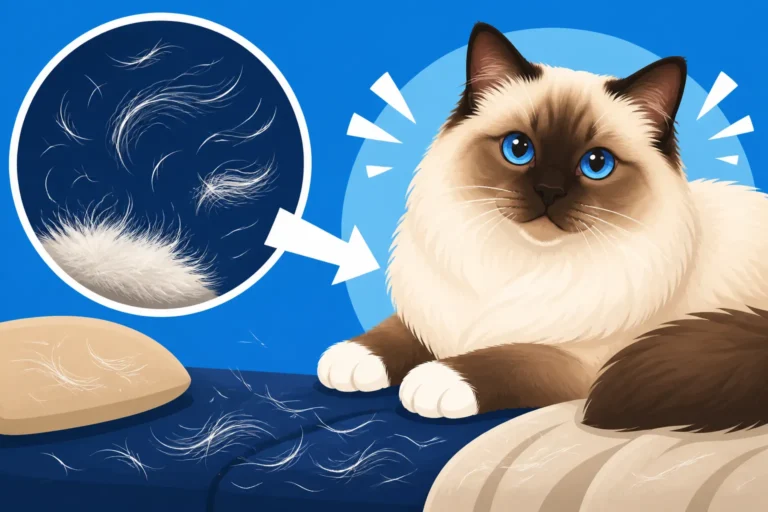
You brought home your beautiful Birman, enchanted by their silky, single coat and the promise of minimal matting, only to discover a rather unsightly and uncomfortable problem: tangled, matted fur around their britches. It’s a common frustration for many Birman parents, and this guide will walk you through exactly why this happens and what you can do to keep your beloved cat clean and comfortable.
The Birman's Unique Coat: A Double-Edged Sword
When you first learned about the Birman's coat, you probably heard all about its wonderful characteristics – the single coat, the lack of an undercoat, and how it’s less prone to matting than many other long-haired breeds. It sounds like a dream, doesn’t it? And for the most part, it truly is a fantastic coat to manage. Their fur is exquisitely soft and flows beautifully, making daily grooming feel more like a gentle petting session than a wrestling match.
The Lure of the Single Coat
It's absolutely true that the Birman's coat is a joy compared to many other long-haired breeds. Unlike a Persian, with its dense, woolly double coat that seems to spontaneously felt itself into solid blocks overnight, the Birman has a silky, flowing single layer. This means you don't have to contend with that thick, downy undercoat that sheds profusely and creates a nightmare of tangles. Many Birman owners are drawn to the breed precisely because they’re advertised as "easy groomers," and in large part, they are. You can often run a comb through their main body fur with delightful ease, gliding from neck to tail without snagging. This generally means fewer hairballs and a happier cat during grooming sessions. No Undercoat Is What Makes a Birman Easy to Groom describes in more detail why this is such a blessing.
However, "less matting" is not the same as "no matting," and it's easy to be lulled into a false sense of security. While the main body and ruff might stay beautifully free of knots with minimal effort, specific areas of a Birman's body can still present significant grooming challenges. These spots are often overlooked until they become problematic, turning a minor issue into a painful tangle that requires more drastic intervention. It’s important to understand that even with the best intentions and a generally low-maintenance coat, certain anatomical realities of a long-haired cat will always create potential hotspots for mats.
Where the Trouble Spots Lie
Despite their silky nature, Birmans do have a few notorious trouble spots where mats love to form. The most common areas are those subject to friction or those that are difficult for the cat to reach and maintain effectively themselves. These include the armpits, behind the ears where collars might rub, and, most notably, the "britches" or "pants" – the long fur on their hindquarters and around their bottom.
The fur in these regions, particularly the britches, can be quite dense and, in some Birmans, even a little coarser than the fur on their back. It’s also an area that gets a lot of action: sitting, stretching, and, of course, using the litter box. These daily activities create friction, which encourages tangles. Furthermore, the fur around the rear is unfortunately prone to coming into contact with urine and feces, which can quickly turn soft fur into a sticky, matted mess that’s both uncomfortable and unhygienic for your cat. Where a Birman's Mats Usually Form goes into more detail about these common matting areas. It’s a classic case of physics and biology conspiring against your cat's pristine appearance, and it’s why a proactive approach to these areas is so crucial.
Why the Britches Become a Battleground
The britches, those glorious tufts of fur on a Birman's hind legs, are part of what gives them their magnificent, flowing appearance. But aesthetically pleasing as they are, they’re also ground zero for some of the most stubborn grooming challenges. It’s not just about length; it's about location and function.
The Unseen Challenges of the Rear
Imagine trying to keep impeccably clean if you had long, fine hair consistently touching the ground, or coming into contact with bathroom waste. That's essentially what our Birmans are dealing with. The fur on their britches is long, often quite dense, and frames their hind legs, creating a thick barrier. This density, combined with the normal movements of walking, sitting, and stretching, generates friction, which is a prime ingredient for matting. Even a healthy, flexible Birman, dedicated to their self-grooming rituals, will struggle to effectively reach and maintain the very rear of this area. It's simply an awkward angle, requiring a level of contortion most cats aren't capable of, especially as they get older.
For an older Birman, this challenge becomes even greater. As cats age, their flexibility naturally decreases, and they might develop arthritis or other mobility issues that make it difficult to twist and turn to reach their hindquarters. Caring for an Old Birman That Cannot Reach Its Back highlights how this impacts senior cats specifically. What was once a minor inconvenience for a spry youngster becomes a significant, almost impossible task for an elderly cat. The result is often progressively worsening mats, which can pull on the skin, cause pain, and even lead to infections if left unchecked.
The Role of Litter and Hygiene
Beyond the inherent challenges of length and density, the daily act of using the litter box is perhaps the biggest contributing factor to matted britches. Every time your Birman squats to do their business, their long fur is at risk of picking up litter particles, urine, or even traces of feces.
Consider the type of litter you use. Dusty litters, especially those with very fine particles, can easily cling to the soft fur around the britches and become embedded. When this happens repeatedly, the litter particles can form hard, irritating clumps that pull on the skin and quickly lead to painful mats. Clumping litters, while great for odor control, can be particularly problematic if they get wet and adhere to the fur. Urine-soaked fur, if not immediately cleaned, can dry into a stiff, uncomfortable patch. And, let's be frank, fecal matter can get stuck in the fur, creating what are lovingly (or not so lovingly) called "dingleberries." These are not only unpleasant but are a significant hygiene risk and a fast track to severe matting. Why a Birman Needs a Litter That Does Not Stain stresses the importance of choosing the right litter for a Birman's white feet, and this principle extends to the britches too.
To mitigate this, selecting a low-dust, larger-granule litter can make a huge difference. You might explore options like paper-based litters or crystal litters that are less likely to stick to fur. Platforms like Chewy offer a wide range of low-dust, larger-pellet litters specifically designed to minimize tracking and clinging. Regularly scooping the litter box (ideally multiple times a day) also helps prevent your Birman from stepping in or squatting over soiled litter. Remember, Why a Birman's Coat Carries Litter Out of the Box isn't just about tracked litter around the house; it's about what that trapped litter can do to their delicate fur.
When Trimming Becomes a Necessity (and How to Do It Safely)
While regular combing and careful litter choice can prevent many britches-related issues, there will inevitably be times when trimming becomes the most humane and practical solution. It's not a failure on your part; it's simply acknowledging the specific needs of your Birman.
Identifying When Trimming Is Needed
So, how do you know when it’s time to pick up the trimmers? The signs are usually pretty clear if you're regularly checking your cat's hindquarters during your combing sessions. You might notice:
- Matted fur: This is the most obvious sign. Instead of flowing freely, the fur feels dense, stiff, or forms distinct clumps. These mats can pull on the skin, causing discomfort and pain, especially when your cat moves.
- "Dingleberries" or soiled fur: If you see dried feces or urine clinging to the fur around their bottom, it's definitely time for a trim to ensure hygiene and prevent skin irritation.
- Difficulty squatting or moving: A cat with severe mats in their britches might move stiffly or show hesitation when trying to use the litter box, as the mats restrict their movement or cause pain.
- Skin irritation: Persistent moisture or friction from mats can lead to red, inflamed skin underneath, which can be a precursor to infection.
While prevention through regular, gentle combing is always the goal—Combing a Birman Three Times a Week outlines a good routine—sometimes, despite our best efforts, a mat forms, or hygiene becomes an issue. In these cases, trimming is not just about aesthetics; it's about your Birman's health and comfort.
The Delicate Art of "Sanitary Trims"
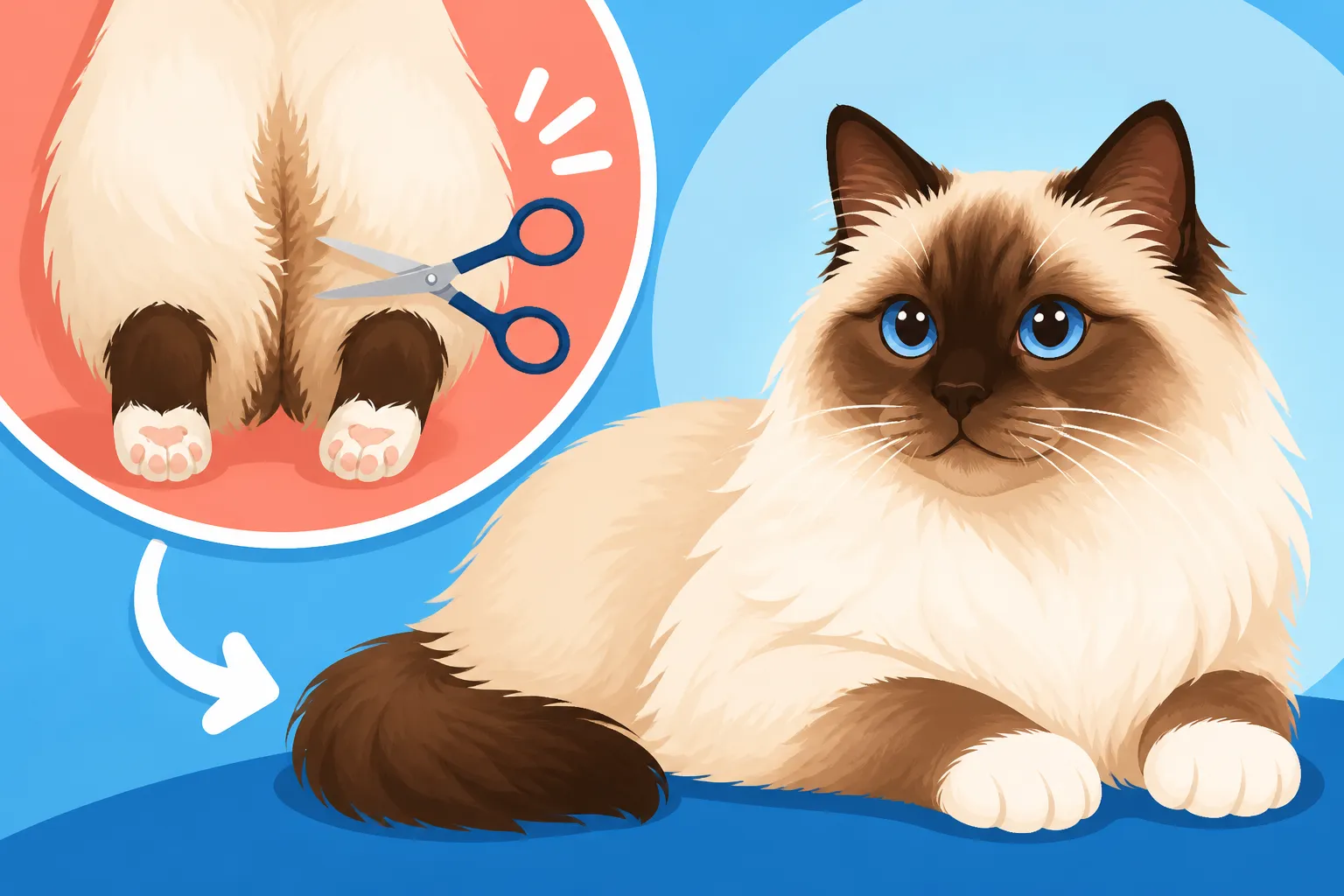
Performing a sanitary trim, sometimes called a "hygiene trim," around your Birman's britches is a delicate operation that requires patience, a gentle touch, and the right tools. The goal is to remove the problem fur safely without causing stress or injury.
Here’s a step-by-step approach:
- Gather Your Tools: You'll need either blunt-nosed grooming scissors (the kind with rounded tips to prevent accidental pokes) or a quiet, cordless pet clipper with a small blade, such as a #10 or #15 blade. I often find a small, quiet clipper less stressful for cats and safer for tight areas than scissors, but choose what you're most comfortable with. You can find excellent blunt-nosed scissors or quiet clippers on platforms like Amazon, often specifically designed for pet grooming.
- Find a Calm Environment: Choose a quiet room where your Birman feels secure. A raised surface, like a non-slip grooming table or even a towel on a sturdy counter, can help you maintain control and see clearly.
- Recruit a Helper (Optional but Recommended): If your cat isn't used to trimming, having a second person to gently hold and reassure them can make a huge difference. Their job is to keep your cat calm and still, not to restrain them forcefully.
- Position Your Birman: Gently lay your Birman on their side or have them stand, depending on what's easiest for both of you. You need clear access to their rear end.
- Identify the Area: You want to trim the fur immediately around the anus and down the back of the hind legs, creating a neat, clean area. This "sanitary patch" should be just large enough to prevent waste from sticking.
- The Trimming Process (Scissors): If using scissors, always point the tips away from the skin. Use your fingers to gently pull the fur away from the skin before cutting. Cut small sections at a time, moving slowly and carefully. Never cut directly against the skin or try to snip through a thick mat without first feeling for skin underneath. If you encounter a dense mat, try to lift it away from the skin and snip into it in layers rather than trying to cut it off flush. How to Get a Mat Out of a Birman's Coat offers further techniques for mat removal.
- The Trimming Process (Clippers): If using clippers, they are generally safer for close work. Hold the skin taut with one hand and run the clipper against the direction of hair growth for a clean cut. Be extremely careful around sensitive areas and skin folds. The vibration of the clipper can tickle, so start with short bursts and praise your cat constantly.
- Praise and Reward: Throughout the process, speak in soothing tones, offer treats, and give plenty of gentle praise. As soon as you're done, let your Birman go and give them a well-deserved reward and some quiet time.
Remember, less is often more. You're not aiming for a show groom; you're aiming for comfort and hygiene. If you're unsure or if the mats are severe and close to the skin, it’s always best to consult a professional groomer or your vet.
Professional Help and Prevention
Sometimes, the mats are too close to the skin, too extensive, or your Birman is simply too stressed to allow you to safely trim them at home. In these situations, don't hesitate to seek professional help. A vet or professional groomer has the expertise and specialized tools to safely remove even the most stubborn mats, often under sedation if necessary for severe cases, ensuring your cat's safety and comfort.
Beyond immediate trims, ongoing prevention is key. Here are some strategies:
- Consistent Combing: This is your first line of defense. Regular, gentle combing, focusing on the britches, armpits, and behind the ears, can prevent tangles from ever forming. Establish a routine early on.
- Diet for Coat Health: A high-quality diet rich in Omega fatty acids can contribute to a healthy, less prone-to-matting coat. Fresh, nutrient-dense foods can support overall health, including skin and coat condition. What Feeding a Birman for Coat Condition Costs details how diet can impact fur quality.
- Appropriate Litter: As mentioned, a low-dust, larger-granule litter can make a significant difference in keeping the britches clean.
- Regular Spot Checks: Make it a habit to quickly check your Birman’s britches after they’ve used the litter box, especially if you notice them being a bit messier than usual. A quick clean-up can prevent a larger problem.
By integrating these practices into your routine, you can significantly reduce the need for emergency britches trims and keep your Birman looking and feeling their best.
Beyond the Britches: General Grooming for a Healthy Birman
While the britches might be a particularly challenging area, a holistic approach to grooming is crucial for your Birman’s overall well-being. Their coat, while beautiful, requires consistent care to prevent other issues and ensure they remain comfortable and healthy throughout their life.
The Daily Comb and Spot Checks
Think of your Birman’s grooming routine not as a chore, but as a special bonding time. The Birman is known for its placid and affectionate nature, often enjoying the attention that comes with a gentle combing session. Establishing a routine of combing them thoroughly, ideally a few times a week, but certainly with daily spot checks, is invaluable. Focus not just on their glorious ruff and tail, but pay special attention to those notorious mat-prone areas: the armpits, behind the ears, and of course, the britches.
Use a wide-toothed comb for their longer fur, followed by a finer comb for tidying. Always be gentle, speaking in soothing tones, and if you encounter a snag, work through it patiently rather than pulling. This consistent routine will not only keep their coat immaculate but also allow you to spot any changes in their skin or body early on. How to Get a Birman Used to a Comb shares excellent tips for making this a positive experience from kittenhood. Making grooming a pleasant, predictable ritual will reinforce their trust in you and make future necessary interventions, like a britches trim, much easier to manage.
Tailoring Care to Life Stages
A Birman's grooming needs aren't static; they evolve throughout their life. A playful kitten might get into more mischief, potentially leading to more frequent clean-ups, but they're also usually more flexible and adept at self-grooming. As your Birman matures, their coat reaches its full length and density, requiring consistent attention.
However, it's in their senior years that dedicated human intervention becomes most critical. Older Birmans naturally lose some of their flexibility and might develop conditions like arthritis, making it painful or impossible for them to groom themselves effectively, especially their hindquarters. You might notice their coat becoming duller, or more mats appearing in hard-to-reach places. What an Old Birman Needs Once Its Ruff Starts Matting delves into these age-related changes, and Taking Over the Grooming an Old Birman Has Given Up provides compassionate guidance on stepping in. This is when your role as their caregiver truly shines, as you take over the essential grooming tasks they can no longer manage, ensuring their dignity and comfort.
The Bigger Picture of Birman Wellness
Grooming is far more than just aesthetics; it's a vital component of your Birman's overall health and happiness. A well-groomed Birman is a comfortable Birman, free from the pain of mats, skin infections, and hygiene issues. Beyond the coat, remember that other aspects of their care also contribute to their well-being. Regular dental care, for instance, is crucial. Birmans can be prone to dental disease, and incorporating brushing into your routine can prevent painful issues down the line. Why Gum Disease Creeps Up on a Birman is a good read on this topic.
Regular vet check-ups are also essential to catch any underlying health issues that might manifest as changes in coat quality or grooming habits. Pay attention to their appetite, energy levels, and litter box habits – any deviation could be a sign that something is amiss. By staying vigilant and providing comprehensive care, you're not just maintaining a beautiful coat; you're fostering a long, healthy, and joyful life for your cherished Birman.
Here's a quick overview of common britches issues and their solutions:
| Issue in Britches Fur | Cause | Solution | Prevention |
|---|---|---|---|
| Mats/Tangles | Friction, lack of self-grooming, debris | Gentle combing, careful trimming with blunt scissors/clippers | Regular combing (3x/week), addressing problem spots early |
| Soiled Fur (urine/feces) | Litter box hygiene, long fur contacting waste | Sanitary trim, gentle spot cleaning with pet-safe wipes | Low-dust/larger granule litter, frequent litter box scooping, immediate wipe-downs |
| Skin Irritation/Redness | Mats pulling, trapped moisture, allergic reaction | Trim away mats, clean skin, vet consultation if severe | Regular grooming, ensuring dry fur, monitoring for allergies |
| Litter Clinging | Fine-grained or clumping litter | Sanitary trim, use of alternative litter types | Switching to larger pellet or paper litter, regular paw checks |
| Difficulty with Mobility | Mats restricting movement, age-related stiffness | Professional grooming/vet assistance for severe mats, regular trimming | Maintain flexibility through play, consider joint supplements for seniors |
Disclaimer
This article is for general informational purposes only and does not constitute professional advice. Laws, prices and regulations vary by location and change over time. Consult a qualified professional for guidance on your specific situation.