Whether Paper Litter Suits a Birman
Choosing the right litter for your beloved Birman can feel like a never-ending quest, especially with their stunning white "gloves" that seem to attract every speck of dust. Many of us have tried countless brands and types, hoping to find that perfect balance of odor control, minimal tracking, and most importantly, something that doesn't stain those pristine paws. This guide will delve into whether paper litter is a viable option for your Birman, exploring its benefits, drawbacks, and practical tips for making it work for your cherished feline companion.
Understanding Birman Litter Box Needs
Before we even get into the specifics of paper litter, it's really important to consider what makes a Birman's litter box experience unique. These are not just any cats; their distinct physical traits and gentle personalities influence everything from the type of litter they prefer to how often you'll be sweeping the floor around the box. Ignoring these specific needs can lead to a messy home and an unhappy Birman, which is the last thing any devoted cat parent wants.
The Birman's White Gloves and Cleanliness
Let's face it, those beautiful white "gloves" and "laces" are a hallmark of the Birman breed. They are absolutely stunning, but they also act like little white magnets for anything dusty or discolored. When you have a cat with pristine white paws, you quickly become acutely aware of the dustiness of your cat litter. Many traditional clay litters, while effective at clumping and odor control, can leave a fine, pale residue on white fur. This isn't just an aesthetic issue; it can irritate sensitive skin, and honestly, it means more cleaning for you. You're constantly wiping down paws or finding faint yellowed patches on their immaculate white areas. This battle against discoloration is a significant factor in any litter choice, pushing many Birman owners to seek out low-dust or non-staining alternatives. It’s a real challenge to keep those white feet looking as they should, and the wrong litter can make it feel like an uphill battle every single day. For tips on maintaining their distinctive features, you might want to read Keeping a Birman's White Gloves White.
Coat Type and Litter Tracking Considerations
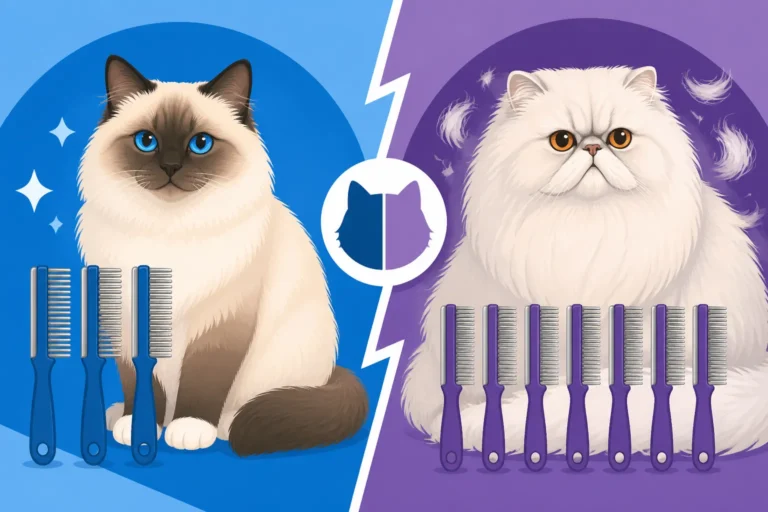
The Birman's coat is a thing of beauty – long, silky, and flowing, yet surprisingly easy to maintain compared to some other longhaired breeds because it lacks a dense undercoat. However, this magnificent single coat, particularly the longer fur on their britches and tail plume, can still be a significant factor in litter tracking. While they may not have the woolly undercoat that traps fine particles, their guard hairs are long enough to pick up loose litter as they exit the box.
This means that even with a low-dust litter, you might still find granules scattered around the house, carried out on their fur. Paper litter, depending on its form (pellets vs. crumbles), can reduce the amount of fine dust clinging to their coat but might still track larger pieces. The key is finding a balance, understanding that some level of tracking is almost inevitable with a long-haired cat, but certain litter types can definitely minimize the mess. You might think a smooth, single coat would track less, but those long hairs are adept at clinging to litter pieces, especially the larger, lighter ones often found in paper litters. This is a common complaint among Birman owners; the constant sweeping or vacuuming is just part of the routine. If you've ever wondered how much litter can escape the box, you'll find Why a Birman's Coat Carries Litter Out of the Box sheds some light on the subject.
The Birman's Dignified Nature and Litter Preferences
Birmans are known for their gentle, placid, and somewhat dignified demeanor. They appreciate routine, comfort, and a clean environment. This extends to their litter box habits. A Birman is unlikely to tolerate a dirty box, a rough litter texture, or an unpleasant smell without complaint – though their complaints might be subtle, like finding an alternative potty spot. They won't usually vocalize loudly or cause a scene, but a sudden refusal to use the box can often be traced back to dissatisfaction with the litter or its cleanliness.
This means that any litter you choose needs to be comfortable under their paws, absorb odors effectively, and be kept meticulously clean. Paper litter's texture, often softer than clay, might appeal to their sensitive paws. However, if it doesn't control odors well or becomes saturated too quickly, your Birman will let you know in their own quiet way. Their serene nature means they expect a certain standard of living, and their litter box is no exception. This quiet expectation means you have to be extra vigilant in observing their habits and ensuring their comfort.
The Pros and Cons of Paper Litter for Birmans
So, does paper litter stack up against these unique Birman needs? It’s not a simple yes or no, as there are definite advantages and some significant challenges to consider. Many Birman owners experiment with paper litter precisely because of its potential benefits, especially concerning those precious white gloves. However, it's crucial to go in with eyes wide open to its limitations.
Advantages of Paper Litter for Birman Owners
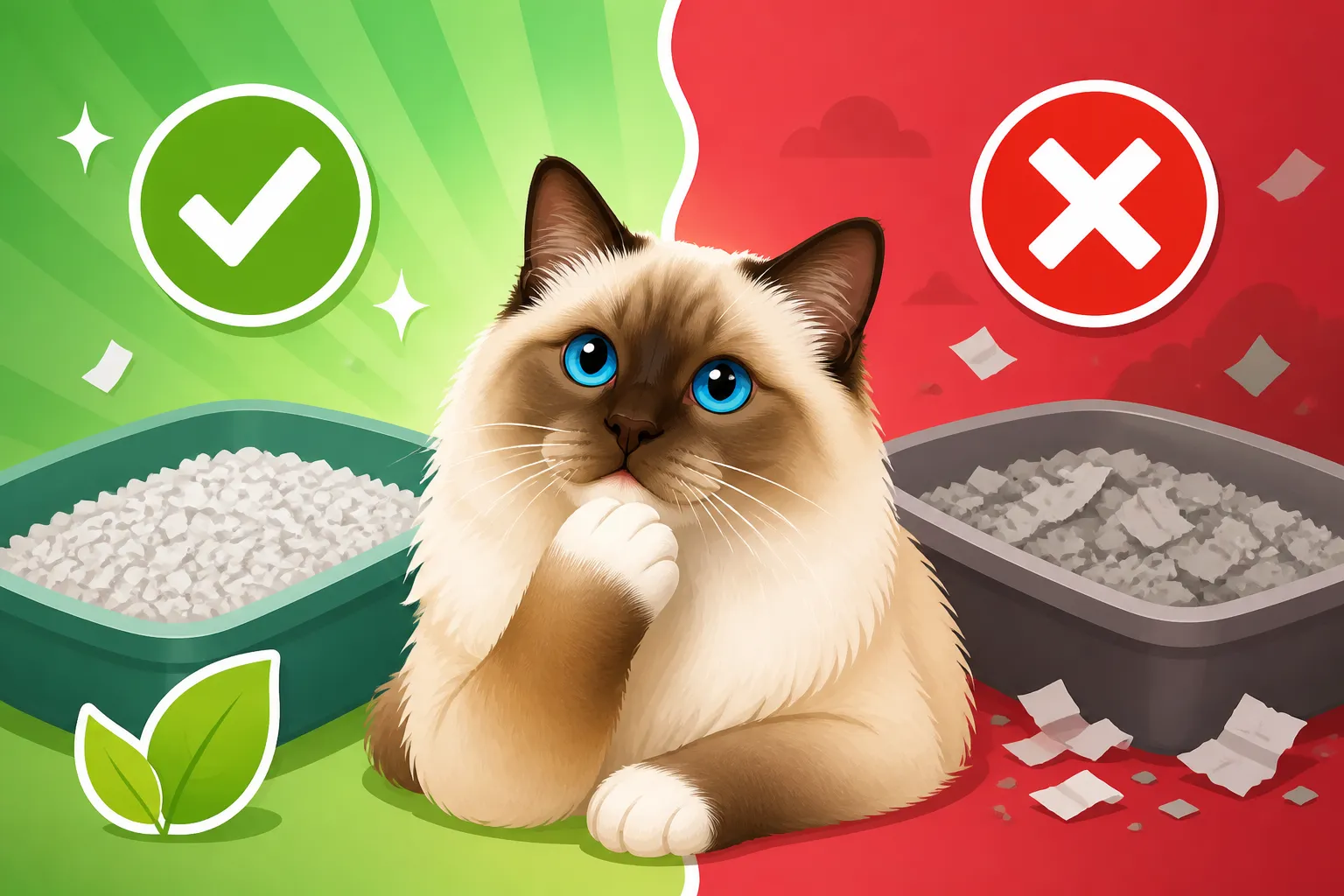
One of the most compelling reasons Birman owners consider paper litter is its low dust content. Traditional clay litters can create a fine cloud of dust when poured or scooped, which can irritate a cat's respiratory system and, as we've discussed, cling to and discolor those beautiful white paws. Paper litter, often made from recycled newspaper or virgin paper pulp, tends to be much cleaner in this regard. This means less dust in the air for you and your cat, and a significantly reduced risk of those white gloves turning a dingy gray. It helps keep your home cleaner, too, as less airborne dust settles on surfaces.
Another big plus is that paper litter is typically non-clumping. While some owners prefer clumping litter for easy waste removal, non-clumping varieties often mean less sticking to long fur. Clay clumps can sometimes get caught in a Birman's britches, leading to uncomfortable tugging or even mats if not quickly removed. Paper pellets, in contrast, tend to be smoother and less adhesive, making them less likely to cling to fur. This can be a huge relief for both you and your Birman, reducing the stress of grooming out stuck-on litter. Additionally, most paper litters are made from recycled materials, making them a more environmentally friendly choice for those who are conscious about their carbon pawprint. This aligns with a desire to live a more sustainable lifestyle, offering a practical way to reuse materials.
Disadvantages and Challenges with Paper Litter for Birmans
However, paper litter isn't without its downsides, and these are particularly relevant for Birman owners. The first major hurdle is odor control. Many paper litters, especially the plain, unscented varieties, simply don't have the same absorbency or odor-neutralizing power as some clay or silica gel options. This can mean that you'll notice smells quicker, requiring more frequent scooping and full litter box changes. For a cat as fastidious as a Birman, an odoriferous box might prompt them to seek out alternative, less desirable places to do their business. You might find yourself needing to change the litter twice as often as you would with other types.
Another significant challenge is tracking. While paper pellets might not cling as much as fine clay, they can be larger and lighter, meaning they are easily kicked out of the box and carried by a Birman's long fur or caught in their paw pads. You might find yourself constantly sweeping up paper pellets from around the litter box, and they can certainly get spread throughout the house. For a comprehensive guide on managing this, take a look at Why a Birman's Coat Carries Litter Out of the Box. Furthermore, the absorption method differs; paper typically absorbs urine and then starts to break down or become saturated, rather than clumping. This can make it harder to precisely remove all soiled litter, sometimes leaving behind damp, smelly bits that contribute to odor. This often means more frequent complete litter changes are necessary, which can increase your overall litter consumption and cost.
Types of Paper Litter to Consider
If you're leaning towards giving paper litter a try, it's helpful to know there isn't just one kind. They come in a few different forms, each with its own characteristics that might appeal more or less to your Birman and your lifestyle.
| Paper Litter Type | Description | Birman Suitability Factors |
|---|---|---|
| Pellets | Small, cylindrical pieces, often compacted | Low dust, less likely to stick to fur. Can be harder for sensitive paws. May track large pieces. |
| Crumbles | Softer, looser, more irregular shapes | Softer texture for paws. Can be dustier than pellets. May track more fine particles. |
| Shredded | Loosely shredded paper, less compacted | Very soft for paws. Poor odor control. Prone to messiness and high tracking. |
Paper Pellets: These are often made from recycled newspaper, compressed into small, dense cylinders. They are generally the least dusty of the paper litter options and less likely to cling to long fur. However, some Birmans might find the hard, uniform texture less comfortable under their paws compared to softer options. The pellets can also track, but usually in larger, easier-to-spot pieces. Brands like Yesterday's News often produce these.
Paper Crumbles: This type is less compacted, with softer, more irregular pieces. It's often favored for its softer feel under a cat's paws, which might be more appealing to a sensitive Birman. The downside is that crumbles can sometimes be a bit dustier than pellets, and their irregular shape might mean slightly more adherence to fur or paw pads, leading to increased tracking of smaller particles. These are often found under generic store brands or specialty pet eco-brands.
Shredded Paper: This is simply shredded paper, often recycled, and can be quite soft. While gentle on paws, it typically offers the poorest odor control and becomes saturated quickly. It's also highly prone to tracking and scattering, making it generally less practical for Birmans unless used as a very short-term solution (e.g., post-surgery where other litters are contraindicated). In most cases, it requires far too much maintenance and can quickly become unhygienic.
When making your choice, consider your Birman's individual preference, as well as your tolerance for odor and tracking. Some Birmans are pickier than others, and what works for one might not work for another. Exploring different types within the paper litter category can help you pinpoint the best fit. Remember, you're looking for that sweet spot that satisfies both your cat's comfort and your desire for a clean home and beautiful white paws.
Making the Switch and Maintaining Paper Litter
Deciding to try paper litter is one thing, but actually implementing the switch and maintaining it effectively for your Birman requires a bit of strategy. Cats, especially Birmans with their preference for routine, can be resistant to change, so a gradual approach is key. Once they're on board, ongoing maintenance is crucial to keep things hygienic and pleasant for everyone.
How to Introduce Paper Litter to Your Birman
Cats are creatures of habit, and suddenly swapping out their usual litter can lead to confusion or outright rejection. A gradual introduction is always best. Start by mixing a small amount of the new paper litter with their existing litter in one of their boxes. Over several days, or even a week, slowly increase the proportion of paper litter while decreasing the old type. If you have multiple litter boxes, introduce the new paper litter in one box while keeping the others familiar. This gives your Birman options and allows them to adjust at their own pace.
Observe their behavior closely. If they seem hesitant or start avoiding the box with the new litter, slow down the transition or even revert slightly before trying again. Patience is crucial here. The goal is a smooth transition where your Birman barely notices the change, or at least accepts it without stress. A new texture or smell can be off-putting, so giving them time to acclimate is an act of kindness. Why a Birman Accepts a Food Change Without Complaint offers insights into how adaptable Birmans can be to change, which might be helpful here.
Daily Maintenance for Paper Litter and White Feet
Maintaining paper litter, particularly with a white-gloved Birman, requires diligence. Because paper litter often has less potent odor control and doesn't clump, daily scooping of solid waste is absolutely essential. For urine, which saturates the pellets or crumbles, you'll need to remove the damp, discolored portions regularly. This usually means digging out the wet areas, which might be a bit more challenging than scooping a solid clay clump.
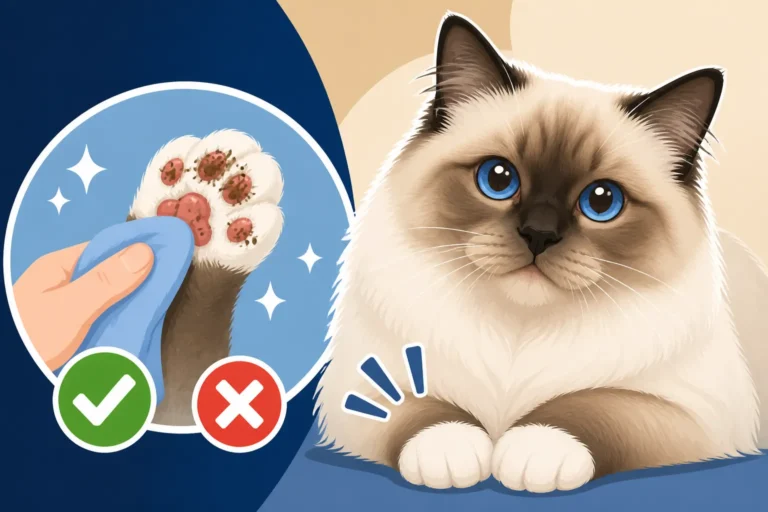
Beyond daily scooping, full litter changes will likely be more frequent than with clumping clay. Depending on how many Birmans you have and the size of your litter boxes, you might need to change the entire contents every few days to once a week. This regular complete change is vital for odor control and hygiene, keeping those white paws from stepping into dirty, saturated litter. Consider using a litter box liner for easier cleanup, and always wash the box thoroughly with mild soap and water between changes. Remember, a clean box is paramount for a Birman, especially when trying to protect their white gloves. For advice specific to white-footed cats, Which Litter Suits a White Gloved Cat and Why White Feet Change Which Litter You Buy offer excellent guidance. Regularly wiping their paws with a damp cloth after litter box visits can also help keep them sparkling clean, although this takes a particularly calm and cooperative Birman!
When Paper Litter Might Not Be the Best Fit
Despite its advantages, paper litter simply isn't for every Birman or every household. If you find yourself struggling with persistent odor issues, even with frequent cleaning, paper litter might not be cutting it. Some Birmans are more sensitive to smells, and if the litter isn't neutralizing odors effectively, they might start eliminating outside the box, which is a clear sign of dissatisfaction.
Similarly, if the tracking of paper pellets or crumbles becomes unmanageable, spreading throughout your home despite mats and careful litter box placement, it might be time to reconsider. While some tracking is normal, excessive mess can be frustrating for you and unhygienic for your cat. Also, if your Birman consistently refuses to use paper litter, even after a slow transition, it's a strong indicator that the texture or sensation simply isn't comfortable for them. Forcing the issue will only lead to stress and potential behavioral problems.
In these situations, exploring other low-dust, non-staining litter options like certain silica gel crystals or even finely ground corn or walnut shell litters might be a better alternative. The market offers a wide variety of choices specifically designed to reduce dust and tracking, so don't be afraid to keep experimenting until you find the perfect fit for your precious Birman. Ultimately, the goal is a happy, healthy cat and a harmonious home, even if it means trying a few different options along the way. Your Birman's overall well-being and the cleanliness of their stunning coat are worth the effort.
Disclaimer
This article is for general informational purposes only and does not constitute professional advice. Laws, prices and regulations vary by location and change over time. Consult a qualified professional for guidance on your specific situation.