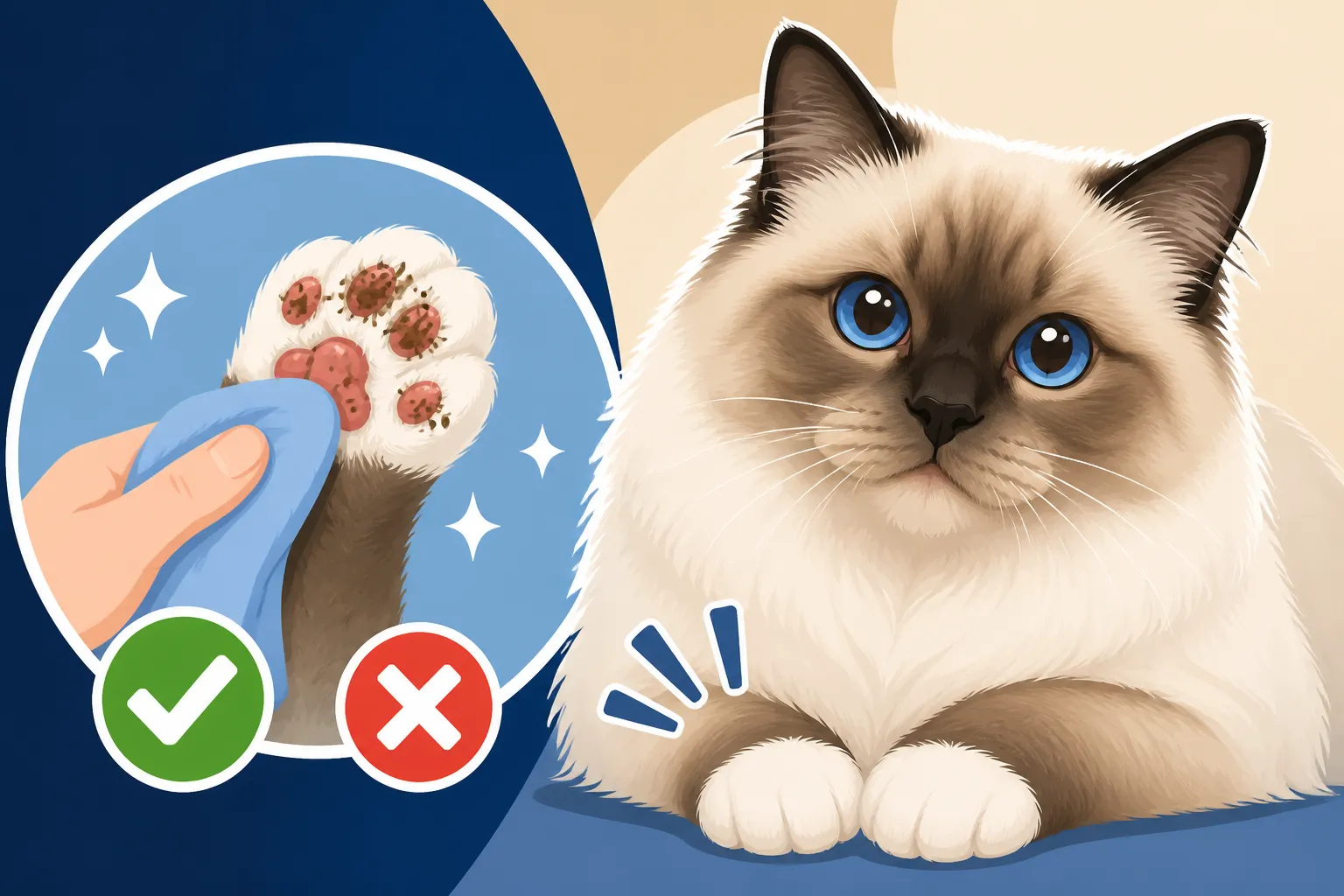
Whether a Birman Needs Its Paws Wiped
Oh, the sheer beauty of those pristine white paws on a Birman cat! They're absolutely stunning, a hallmark of the breed, yet anyone who shares their home with one quickly realizes that those gorgeous "gloves" can become a magnet for dirt, dust, and all sorts of household mysteries. It’s a common frustration, isn't it? You want them to stay immaculate, but daily life happens. This guide is here to walk you through exactly when and why your Birman's paws might need a little wipe, what you can do about it, and how to keep those famous white mittens sparkling.
The Birman's Distinctive White Gloves and Why They Get Dirty
One of the most enchanting features of the Birman is their unique white "gloves" on all four paws, often complemented by "laces" or "gauntlets" running up the back of their hind legs. This isn't just a pretty marking; it's a specific genetic trait that truly sets them apart. But, let's be real, while they look exquisite, they also act like little white sponges, ready to show off every speck of dirt they encounter.
The Allure and Challenge of Those White Mittens
There's nothing quite like watching a Birman gracefully pad across the floor, their sapphire eyes gleaming, with those perfectly contrasting white feet. Breeders work tirelessly to achieve those Perfect Birman Gloves Are Almost Impossible to Breed, and they're a key part of the breed standard. You can imagine the heartbreak when those pristine white socks get discolored or mucky. It’s a constant battle against the forces of gravity and everyday messes. While we adore their placid temperament and quiet affection, we also accept that this unique trait comes with a bit of extra maintenance.
Common Culprits: What Gets on a Birman's Paws?
So, what exactly turns those snowy gloves into something a little less appealing? The usual suspects are often right under our noses (or rather, their paws):
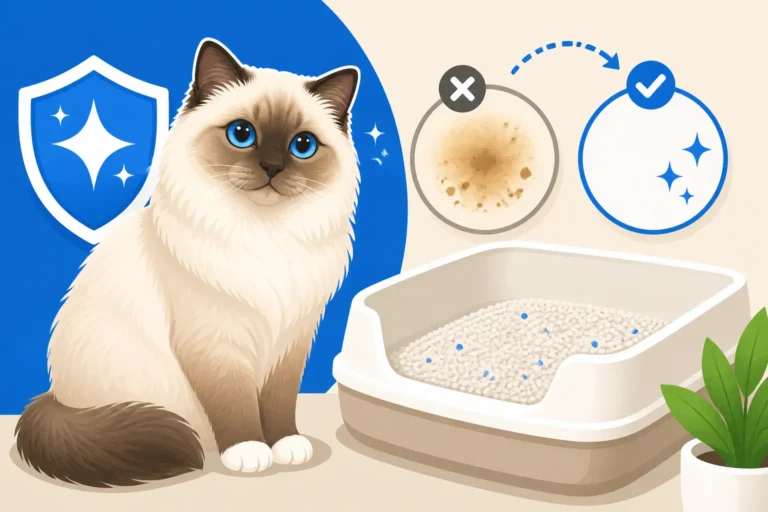
- Litter Box Adventures: This is probably the number one offender. Even with the best intentions, tiny particles of litter can cling to paw pads and the fine fur between the toes. If you're using clay litter, those little bits can quickly turn white fur into a dingy off-white or even a stained yellow, especially if the litter is dusty or absorbent. We'll talk more about how Litter Discolors a Birman's White Feet later.
- Food and Water Bowls: Birmans, like all cats, aren't always the tidiest eaters or drinkers. A drip from the water bowl or a stray piece of wet food can easily get on their paws as they finish their meal or step away. This isn't just about staining; sometimes, it can lead to sticky or crusty bits building up.
- Household Dust and Debris: Our homes, no matter how clean, accumulate dust, pet hair, and tiny particles from outside. A Birman's low-slung body and those white feet mean they're often sweeping up whatever is on the floor as they walk. Think about running your finger along a dusty surface – now imagine that on white fur!
- "Mystery" Messes: Let's face it, cats are curious. They might step in a spilled drink, track through a bit of mud brought in on a shoe, or investigate something sticky on the floor you didn't even know was there. These unexpected encounters can be the most challenging to clean.
When and Why Paw Wiping Becomes Necessary
The short answer is: yes, sometimes your Birman will definitely need its paws wiped. It’s not just about aesthetics; it's also about hygiene and keeping your home clean. You wouldn't want to track mud through your house, and neither does your Birman, even if they don't consciously realize it.
Post-Litter Box Protocol for White Feet
This is probably the most frequent reason you'll find yourself needing to wipe those precious paws. Birmans have a single coat, but their paw tufts and the fur between their toes can still pick up litter. If you're using a fine-grain clumping litter, you might notice tiny pieces sticking. If it's a dustier type, those white gloves can quickly look dull and dirty. Not to mention, if a cat steps in something a bit… moist… in the box, that quickly becomes a hygiene issue for them and for your home. Keeping their feet clean after toilet trips is a crucial step in maintaining their overall cleanliness and preventing potential skin irritation. Choosing Which Litter Suits a White Gloved Cat can make a huge difference here.
Protecting Your Home from Paw Prints
Those beautiful white paws don't just pick up dirt; they can also spread it. Imagine your Birman finishing a vigorous digging session in the litter box, then hopping onto your favorite light-colored sofa for a nap. Or perhaps they walk across a freshly mopped floor and then saunter onto your clean carpet. Dirty paw prints on furniture, bedding, or pristine floors are a common complaint from Birman owners. A quick wipe can save you from a bigger cleaning job later. It's a small effort that can prevent a lot of visible grime from transferring to your soft furnishings.
The Impact of Outdoor Adventures (or Accidents) on Birman Paws
While many Birmans are indoor-only cats (and for good reason, given their trusting nature and stunning looks), sometimes they might have a supervised outing in a catio or even sneak out briefly. If they do venture outdoors, even just onto a patio, their paws can pick up mud, leaves, tiny stones, or allergens. It's not just the visible dirt; think about pesticides or other chemicals they might encounter. Even indoors, unexpected spills or a messy craft project can lead to "accidental" adventures for those curious paws. Wiping their paws in these situations is non-negotiable for their health and your peace of mind. Why a White Gloved Cat Should Never Be Let Out is something I often talk about, and paw cleanliness is a big part of that decision.
How to Effectively Wipe Your Birman's Paws
Now, the big question: how do you actually do this without turning it into a wrestling match? With a Birman's generally Why a Birman Rarely Fights Handling temperament, it’s usually quite achievable, but patience and the right technique are key.
Gathering Your Gentle Cleaning Arsenal
Before you even approach your Birman, make sure you have everything ready. This minimizes the time they have to be held still and reduces their stress.
- Soft cloths or paper towels: Keep a supply of clean, soft cloths, old washcloths, or even sturdy paper towels handy.
- Lukewarm water: A small bowl of lukewarm water is usually all you need. Avoid anything too hot or too cold, as this can startle your cat.
- Pet-safe wipes (optional): For quick clean-ups or when you're on the go, pet-safe wipes can be a lifesaver. Look for unscented, alcohol-free options specifically designed for cats. Brands like Burt's Bees or Earthbath often have good options, available at retailers like Chewy or Amazon.
- Treats: Crucial for positive reinforcement! Have your Birman's favorite treats ready to reward good behavior.
- A calm, quiet space: Choose a spot where your Birman feels secure and won't be distracted by other pets or loud noises. A familiar lap or a soft blanket on a table might work well.
The Art of the Gentle Paw Wipe
Once you have your supplies, approach your Birman calmly. I always suggest making this part of a regular How to Get a Birman Used to Grooming routine, even if it's just a quick check.
- Start with gentle handling: Sit your Birman on your lap or a comfortable surface. Gently hold one paw, stroking it for a moment before you begin the wipe. Your goal is to make them associate paw handling with positive attention.
- Moisten your cloth: Dip a corner of your cloth into the lukewarm water and wring it out so it's damp, not dripping wet. If using a pet wipe, have it ready.
- Wipe the pads: Gently wipe the paw pads, paying attention to any visible dirt or litter. Work between the toes carefully, as particles can get lodged there.
- Clean the fur: Wipe the white fur on the top of the paw and around the lower leg, where the "glove" extends. Be gentle, never tugging at the fur. If there are stubborn stains, a little extra gentle rubbing might be needed, but avoid harsh scrubbing. Sometimes, a tiny bit of pet-safe shampoo (diluted) might be needed for persistent stains, but this usually requires a full paw wash.
- Repeat for all paws: Move to the next paw, repeating the process. Always reward your Birman with praise and a treat after each paw, or even during, if they're particularly cooperative.
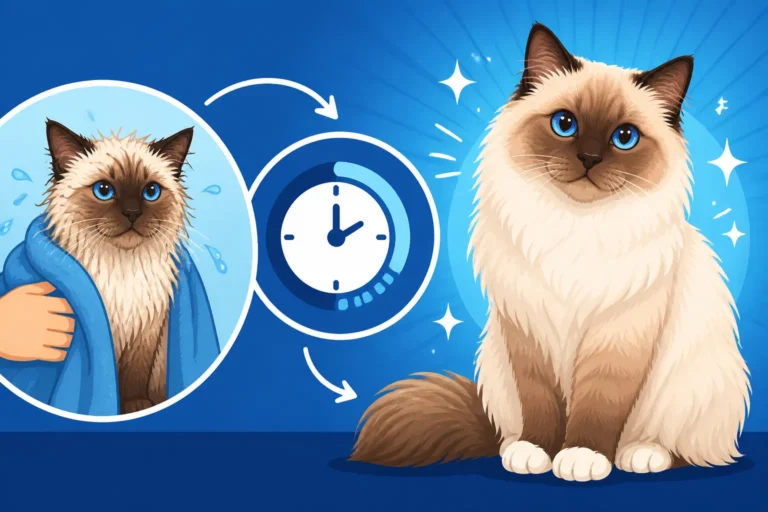
- Dry thoroughly (if wet): If the paws got quite wet, gently pat them dry with a clean, dry towel. This is especially important for long-haired breeds to prevent skin irritation or matting.
Remember, this isn't a race. Take your time, speak in soothing tones, and if your Birman gets stressed, take a break and try again later.
Making it a Positive Experience (or at Least Tolerable!)
Consistency is your best friend here. The earlier you start, the better.
- Start young: If you have a Birman kitten, begin gently touching their paws from day one. Make it part of their daily cuddle time. This early desensitization makes them much more accepting of paw handling as adults. What a Birman Kitten Should Learn by Twelve Weeks definitely includes accepting paw touches.
- Associate with positive things: Always pair paw wiping with something your Birman loves. Treats, gentle praise, a favorite toy. Make it a routine that ends with a reward.
- Short and sweet sessions: Don't try to get all four paws perfectly clean in one go if your cat is resistant. Start with just one paw, reward, and let them go. Gradually increase the duration as they become more comfortable.
- Regularity: The more often you do it, the more accustomed your Birman will become. Even if their paws don't look visibly dirty, a quick "pretend" wipe with a dry cloth and a treat can reinforce the positive association.
Preventing Excessively Dirty Paws
While wiping is a reality for Birman owners, there are definitely steps you can take to minimize how often you need to do it. Proactive measures go a long way in keeping those gloves pristine.
Choosing the Right Litter to Minimize Tracking and Stains
This is perhaps the biggest game-changer for white-gloved cats. The type of litter you use can significantly impact how dirty your Birman's paws get.
- Low-dust formulas: Opt for litters marketed as "low dust" or "dust-free." Less dust means fewer particles clinging to fur and less residue to stain white paws.
- Larger granule size: Litters with slightly larger, heavier granules tend to track less than very fine, lightweight litters. They're less likely to stick to paws.
- Non-clay alternatives: Consider silica gel crystals or wood-based litters. Silica gel, for instance, is often dust-free and absorbs moisture without clumping, reducing stickiness. Wood pellets can be good, but they sometimes break down into sawdust which can still track.
- Pelleted litters: Paper or wood pellets are excellent for reducing tracking and dust. However, some cats don't like the texture underfoot, so introduce them gradually.
- "White" litters: Some brands offer white or very light-colored litters, which, while not preventing dirt, at least don't add dark pigment if they do stick. However, Why White Feet Change Which Litter You Buy isn't just about color; absorbency and dust are more critical.
Brands like World's Best Cat Litter (corn-based) or Pretty Litter (silica gel) often come up in discussions for low-dust, low-tracking options. You can find a wide variety on Chewy and Amazon.
Strategic Litter Box Placement and Mat Usage
Where you place the litter box and what you put around it also makes a difference.
- High-sided boxes: These can help contain litter kick-out, which means less litter on the floor for your Birman to track through.
- Litter mats: Invest in a good quality litter mat with textured surfaces designed to catch granules from paws as your cat exits the box. Place it directly in front of the exit point. There are many options available on Amazon, from rubber to honeycomb designs.
- Multiple boxes: If you have multiple cats or a large home, having several litter boxes can reduce the amount of time each cat spends in one, potentially reducing how much they kick out.
- Regular scooping: A clean litter box is less likely to have wet, sticky clumps for paws to encounter. Scoop at least once, preferably twice, daily.
Regular Grooming for Overall Paw Health and Cleanliness
Paw wiping is just one piece of the grooming puzzle. A comprehensive approach will help keep your Birman in top shape.
- Daily brushing: While your Birman's lack of undercoat makes it easy to groom (No Undercoat Is What Makes a Birman Easy to Groom), a daily brush through their silky coat, including around their legs and paws, can remove loose fur and any superficial dirt before it becomes ingrained.
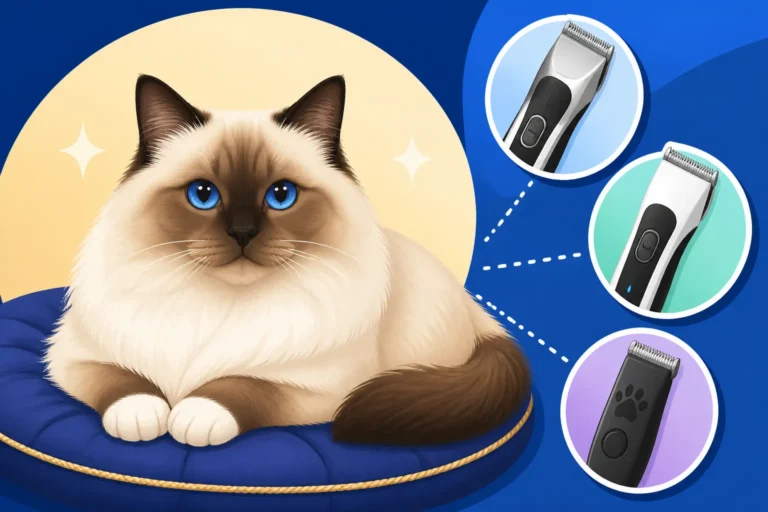
- Trim paw tufts: The fur between your Birman's paw pads can grow quite long, which makes it a magnet for litter and debris. Gently trimming this fur flush with the paw pads (using blunt-nosed scissors) can significantly reduce tracking and make paw wiping easier. Be incredibly careful not to cut the delicate paw pads.
- Nail trims: Regular nail trims prevent your Birman's claws from becoming too long, which can contribute to litter retention and general clumsiness that leads to stepping in messes. Trimming the Claws Inside a Birman's White Gloves is an essential part of their routine care.
- Periodic baths: While Birmans don't typically need frequent baths, a full bath can be beneficial if their paws (or coat) are particularly stained or dirty. Just be sure to use a cat-specific shampoo and rinse thoroughly.
By being mindful of their environment, choosing appropriate litter, and integrating paw care into a positive grooming routine, you can keep those beautiful Birman gloves looking their best and enjoy many years of pristine cuddles.
| Litter Type | Pros for White Gloved Birmans | Cons for White Gloved Birmans |
|---|---|---|
| Clay (clumping) | Widely available, excellent odor control, good clumping | Often very dusty, fine particles stick to paws, can stain white fur |
| Silica Gel (crystal) | Very low dust, good odor absorption, less tracking (larger beads) | Can be more expensive, some cats dislike texture, sharp edges if crushed |
| Paper Pellets | Very low dust, eco-friendly, excellent odor control | Less appealing texture for some cats, can break down into fine dust |
| Wood Pellets | Low dust, natural scent, eco-friendly | Can break down into sawdust, some cats dislike texture, can track |
| Corn/Wheat Based | Natural, biodegradable, good clumping and odor control | Can have some dust, can be tracked, risk of mold if not kept dry |
| Activated Charcoal | Excellent odor control | Can be very dark, visible if tracked, potential for black residue on paws |
Disclaimer
This article is for general informational purposes only and does not constitute professional advice. Laws, prices and regulations vary by location and change over time. Consult a qualified professional for guidance on your specific situation.