Why Litter Discolors a Birman’s White Feet
It’s a tale as old as time for Birman cat guardians: you adore those stunning, pristine white "gloves" that grace your furball's paws, a hallmark of the breed's ethereal beauty. But then, almost overnight, they start to look… dingy. Yellow. Or worse, distinctly stained. It’s truly disheartening to see this signature feature lose its sparkle, and you might find yourself wondering if you're doing something wrong or if it's just an inevitable part of living with a white-footed cat. This guide is here to unravel the mystery of why litter discolors a Birman's white feet, offering practical, empathetic advice and proven strategies to keep those sacred paws looking their absolute best.
The Birman's Distinctive Paws and Coat Type
The Birman cat is renowned for its striking appearance, a beautiful blend of pointed coloring, deep blue eyes, and that truly unique silky coat. Among its most cherished features are those immaculate white paws, known as "gloves." Understanding the nuances of their physical attributes is the first step in protecting them from discoloration.
Birman's Signature White Gloves
The white "gloves" on a Birman are not just a charming aesthetic; they are a defining characteristic of the breed, often considered their most sacred feature according to legend. These pure white markings typically extend up the front paws to the "bracelet" joint, and on the back paws, they end in a point or "lace" that runs up the hock. Breeders strive for perfect symmetry and crisp lines, and for owners, maintaining their pristine appearance is a point of pride. It's these very white areas, however, that act like a canvas, making any stain, no matter how small, incredibly obvious. We fall in love with these cats partly because of these unique markings, so it's natural to feel frustrated when they don't stay as pure white as we'd like. Imagine a Birman without its distinctive white paws, it would fundamentally change its appearance and breed identity, underscoring just how important these gloves are. What a Birman Would Look Like Without Its Gloves
The Single Coat and Its Interaction with Debris
Unlike many long-haired breeds such as Persians or Maine Coons, the Birman boasts a single coat, meaning it lacks a dense undercoat. This gives their fur a wonderfully silky, soft texture that is relatively easy to groom and less prone to severe matting. No Undercoat Is What Makes a Birman Easy to Groom While this single coat might mean fewer hairballs for you to contend with and less overall shedding in comparison to some double-coated breeds, it doesn't mean it's immune to picking up debris. The longer guard hairs on their paws and around their britches can still act like tiny brooms, sweeping up dust, litter particles, and whatever else might be on the floor. While the lack of an undercoat prevents deeply embedded litter, the visible outer layer is highly susceptible to superficial staining, especially on those pure white areas. This silky texture, while a joy to touch, offers little barrier against tiny, staining particles. How Much a Coat With No Undercoat Actually Sheds
The Colorpoint Gene and Pigmentation
Birmans, like Siamese and Ragdolls, are "colorpoint" cats. This means their body color is determined by a temperature-sensitive albinism gene. The cooler extremities of their body – their face, ears, tail, and paws (before the white gloving) – develop darker pigmentation, while the warmer parts of their torso remain lighter. This unique genetic trait is responsible for their iconic "points." While the colorpoint gene dictates the darker areas, the white gloves are a separate genetic modifier that prevents pigment from forming on the paws. Because these "gloves" are essentially unpigmented white fur, they are far more porous and absorbent than darker, pigmented fur. This lack of pigment means there's nothing to obscure stains; instead, they stand out in stark contrast, making even the slightest discoloration a noticeable issue. It's this beautiful genetic quirk that makes their white gloves so striking but also so vulnerable to environmental staining.
Unmasking Litter-Induced Discoloration
So, why does litter specifically target those beautiful Birman paws? It's often a combination of the litter's physical and chemical properties, coupled with your cat's natural habits. Understanding these mechanisms is crucial to preventing the problem.
The Chemical Composition of Litters
Not all litters are created equal, and their chemical makeup can play a significant role in paw discoloration. Traditional clay litters, while effective at clumping and odor control, often contain fine dust particles. These microscopic particles can cling to your Birman's delicate fur, and over time, the minerals and dyes within them can react with the fur, causing a yellow or brownish tint. Some litters, especially those that are scented or colored, use artificial dyes or fragrance compounds that can directly transfer to white fur, much like a fabric dye would. Even natural litters, such as those made from corn or pine, can sometimes contain natural oils or tannins that, when combined with moisture, can leave a yellowish residue. It's not always just dirt; sometimes, it's a chemical interaction that’s causing the dullness.
Dust, Dyes, and Clumping Agents
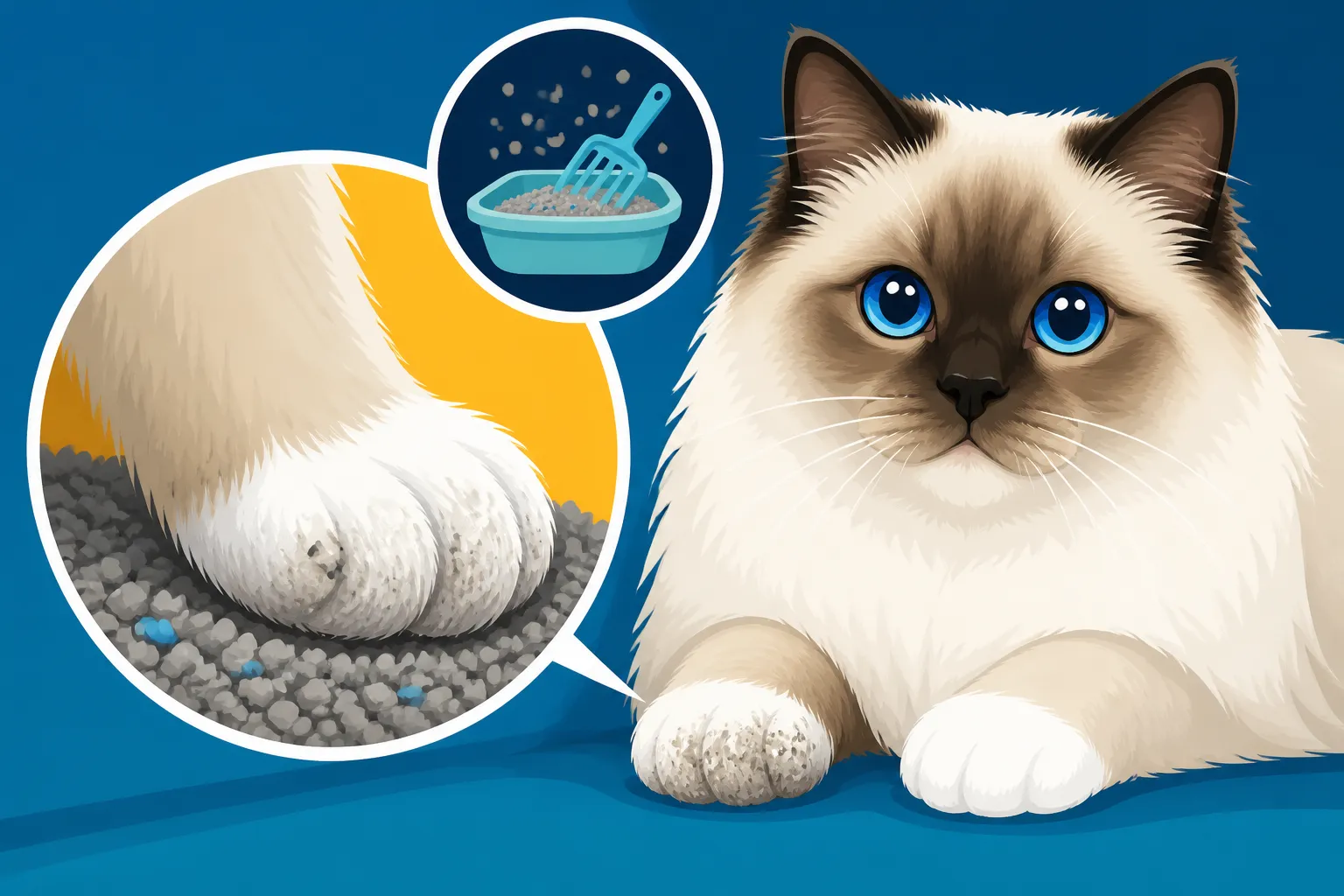
Let's get down to the gritty details. The most common culprit for dingy white paws is dust. Even "99% dust-free" litters can still produce a fine powder that, to a cat's ultra-sensitive nose and incredibly absorbent fur, is anything but dust-free. This dust embeds itself into the silky hairs of the Birman's gloves. When your cat then grooms itself, it's essentially working these microscopic particles deeper into the fur, or even ingesting them, though the immediate concern is the visible stain.
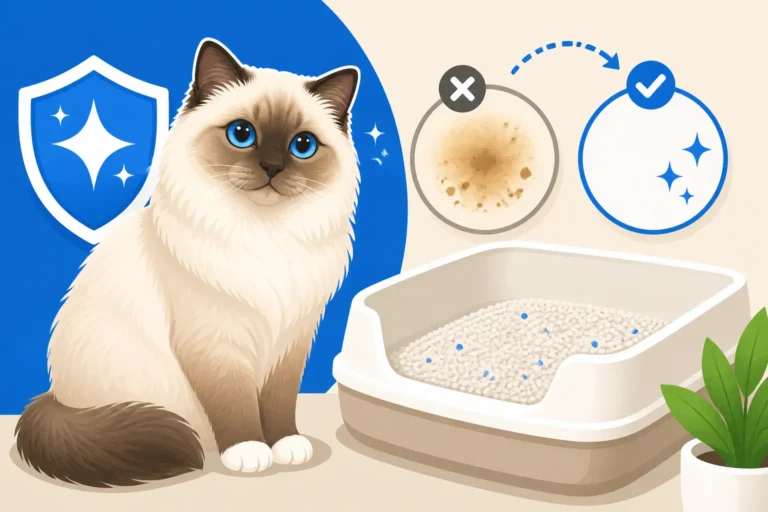
Beyond dust, some litters are actually colored. While perhaps appealing to humans, a blue or green-tinted litter is a disaster waiting to happen for white paws. The dyes can easily rub off, leaving a distinct, unnatural hue. Furthermore, the very clumping agents that make litter so convenient can be problematic. When a Birman steps in wet, freshly clumped litter, or if the litter adheres to residual moisture on their paws, these agents can form a sticky, clay-like paste. Once this paste dries and hardens, it traps dust and urine residue directly onto the fur, making it incredibly difficult to remove and causing deep-set stains. Why Dusty Litter Ruins a Birman's Gloves
Moisture and Bacterial Growth
The equation for discolored paws often involves one key ingredient: moisture. Cats, being fastidious creatures, will often bury their waste, and in doing so, their paws inevitably come into contact with soiled or damp litter. If any urine or fecal matter adheres to their paw fur, even in tiny amounts, it creates a breeding ground for bacteria. These bacteria, combined with the minerals and organic matter from the litter, can cause significant yellowing and staining. Think of it like a persistent stain on white laundry – the longer it sits, especially in a moist environment, the harder it is to remove.
Even if your Birman is meticulously clean, stepping on damp litter that has absorbed some urine can be enough. The fur absorbs this moisture and any dissolved solids or pigments, leading to gradual discoloration. The constant cycle of stepping in litter, absorbing moisture, and then the fur drying can deeply set these stains. This is why addressing both the litter type and the cleanliness of the litter box is paramount, as residual moisture is a major accelerant for unsightly paw discoloration.
Proactive Measures for Pristine Paws
The good news is that with a bit of vigilance and the right choices, you can significantly reduce, if not eliminate, litter-induced discoloration on your Birman's beautiful white gloves. Prevention truly is the best medicine here.
Choosing the Right Litter Type
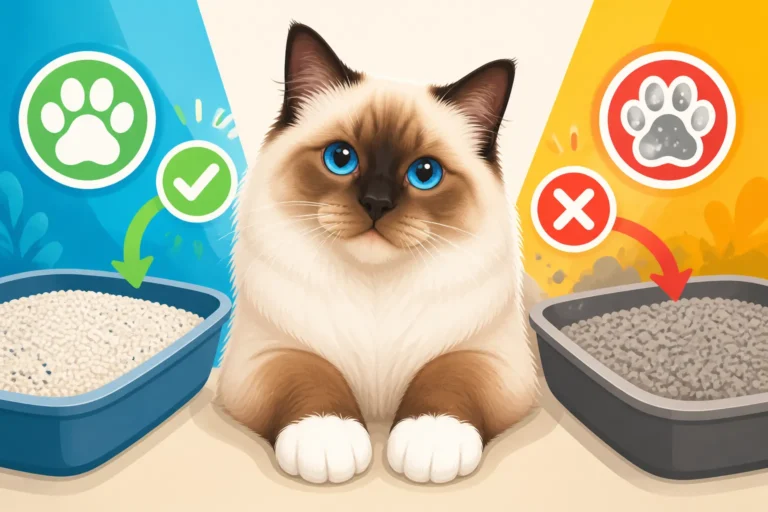
This is perhaps the most impactful step you can take. For a white-gloved Birman, your primary goal should be a litter that is as dust-free, unscented, and natural as possible.
- Low-Dust Clay Litters: If you prefer clay, invest in premium brands specifically labeled "99% dust-free" or "low-tracking." While no clay litter is completely dust-free, these are a vast improvement.
- Silica Gel Litters: These crystal litters are excellent at absorption and produce very little dust. They can be a good option, but some cats dislike the texture.
- Paper Pellets: Made from recycled paper, these are virtually dust-free, soft on paws, and highly absorbent. However, their odor control can be weaker, and they can turn to mush if very wet. Whether Paper Litter Suits a Birman
- Pine or Corn Litters: These natural alternatives can offer good odor control and absorbency. Be aware that pine pellets break down into sawdust, which can still be a source of dust, and some corn litters can have their own type of fine dust or even allergen concerns for sensitive cats or humans.
- No Dyes or Scents: Absolutely avoid any colored or artificially scented litters. The dyes will stain, and the scents often come from chemicals that can also interact with fur.
Many reputable pet retailers, such as Chewy, offer a wide variety of these low-dust and natural litter options. It's worth experimenting (gradually!) to find what works best for your Birman and your household. Remember, choosing the right litter is fundamental to keeping those paws bright. Which Litter Suits a White Gloved Cat
Optimizing Litter Box Hygiene
Even the best litter won't save white paws if the litter box isn't impeccably clean. This is where diligent hygiene comes into play.
- Scoop Frequently: This might sound obvious, but for a Birman, scooping at least twice daily is non-negotiable. Ideally, scoop immediately after they use the box if you're home. This minimizes the chance of your cat stepping into soiled or wet litter, which, as we discussed, is a primary cause of staining and bacterial growth.
- Regular Full Changes: Beyond daily scooping, the entire litter box needs regular cleaning. Depending on the litter type and number of cats, a full litter change and washing of the box should happen every one to two weeks. Use warm water and a mild, unscented soap, rinse thoroughly, and make sure the box is completely dry before adding fresh litter.
- Litter Mats: Place a litter mat outside the box to trap any particles that cling to your Birman's paws as they exit. There are many designs, from textured rubber to soft fabric, that can help remove loose litter before it gets tracked onto your floors – and crucially, before it has a chance to rub onto those white gloves.
- Sufficient Boxes: Ensure you have enough litter boxes. The general rule is one box per cat, plus one extra. More boxes mean less concentrated use for each, reducing the accumulation of soiled litter. This simple step can dramatically improve overall hygiene. How Often to Change Litter for a White Footed Cat
Regular Paw Checks and Cleaning
Even with the best litter and the cleanest box, some maintenance will likely still be necessary. Incorporating regular paw checks and gentle cleaning into your routine can make all the difference.
- Daily Paw Inspection: Take a minute each day to gently examine your Birman's paws. Look between their toes, on the pads, and especially on the top of their white gloves for any signs of dust, dirt, or discoloration.
- Immediate Spot Cleaning: If you notice any fresh grime, a quick wipe with a pet-safe paw wipe or a damp, soft cloth is often all that's needed. These wipes are designed to be gentle and non-irritating, perfect for a quick clean-up. You can find many brands of pet-safe wipes easily on Amazon or at your local pet supply store.
- Gentle Combing: As part of your regular grooming routine, pay special attention to the fur on their paws. A fine-toothed comb can help gently remove any loose litter particles or dust that might be clinging to the fur before it has a chance to set into a stain. This proactive approach contributes significantly to Keeping a Birman's White Gloves White.
- Establishing a Routine: Cats thrive on routine. If you start these paw checks and gentle cleanings from a young age, your Birman will likely become accustomed to it, making the process stress-free for both of you. It's all about consistent, gentle care. Whether a Birman Needs Its Paws Wiped
Tackling Existing Stains and Ensuring Long-Term Radiance
Sometimes, despite our best efforts, a stain might sneak through. Don't despair! There are effective and gentle ways to address existing discoloration and strategies to maintain your Birman's coat health for lasting radiance.
Gentle Cleaning Techniques
When you're faced with an already discolored paw, harsh scrubbing or strong chemicals are definitely not the answer. These can irritate your cat's skin, damage their delicate fur, and make them averse to future grooming.
- Warm Water and Mild Pet Shampoo: For more stubborn stains, a small bath focusing just on the paws can work wonders. Fill a small basin with lukewarm water and use a tiny amount of a pet-safe, tearless shampoo specifically formulated for cats. Gently lather the stained areas, being careful not to get water in their ears. Let the shampoo sit for a minute or two to loosen the stain.
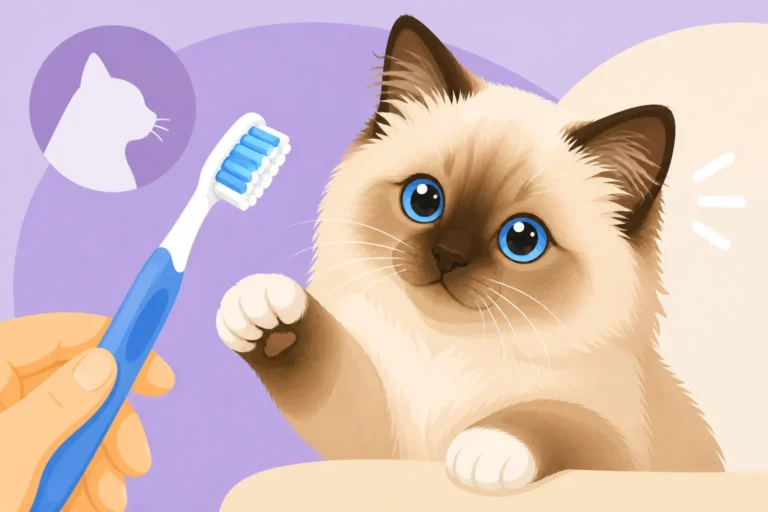
- Soft Brush or Cloth: Use a soft toothbrush or a clean, soft cloth to gently work the shampoo into the fur and loosen the stain. Avoid vigorous scrubbing.
- Thorough Rinsing: Rinse the paw thoroughly under lukewarm running water, ensuring all shampoo residue is gone. Any leftover product can cause irritation or attract more dirt.
- Gentle Drying: Pat the paw dry with a soft towel. You can also use a hairdryer on a low, cool setting if your cat tolerates it, making sure to keep it moving and not overheat the fur. Ensure the paws are completely dry to prevent skin issues.
- Frequency: Remember, Birmans generally don't need frequent full baths. Focused paw cleaning should be reserved for when it's truly necessary. How Rarely a Birman Needs More Than Its Feet Washed While some products are marketed as "whitening," always check if they are safe for cats and avoid anything with harsh bleaches or peroxides. The goal is gentle, effective cleaning that prioritizes your Birman's comfort and safety. Here's a quick guide for washing those white feet: How to Wash a Birman's White Feet
Dietary Considerations for Coat Health
It might seem indirect, but your Birman's diet plays a crucial role in the overall health and quality of their coat, which in turn can influence how susceptible their fur is to staining and how well it cleans up. A healthy, well-nourished coat with strong, resilient hair shafts is less likely to absorb and retain stains compared to dry, brittle, or damaged fur.
- Omega Fatty Acids: Ensure your cat's diet includes adequate levels of Omega-3 and Omega-6 fatty acids. These essential fats are vital for healthy skin and a shiny, supple coat. They help maintain the natural oils in the fur, which can create a slight barrier against environmental contaminants and help keep the coat in optimal condition. Many high-quality cat foods incorporate these, or you can use a vet-approved supplement.
- High-Quality Protein: Protein is the building block of hair. A diet rich in high-quality animal protein will support healthy hair growth, leading to a stronger, more vibrant coat.
- Hydration: Adequate hydration is also key for overall health, including skin and coat. Consider incorporating wet food into your Birman's diet, as it helps increase their water intake, which is beneficial for kidney health and can reflect in coat quality.
- Premium Food Options: Quality nutrition can contribute to excellent coat health from the inside out. While no food will prevent all stains, a healthy coat is better equipped to resist and recover from them. A diet designed for overall wellness, therefore, is an important part of maintaining those pristine paws.
When to Consult a Vet
While most paw discoloration is litter-related, there are times when it might signal an underlying health issue that requires veterinary attention.
- Persistent or Worsening Stains: If, despite your best efforts with cleaning and litter management, the discoloration persists, worsens, or is accompanied by other symptoms, it's time to visit the vet.
- Skin Irritation or Redness: If you notice redness, swelling, sores, or excessive licking or chewing of the paws, this could indicate an allergy, infection (bacterial or fungal), or contact dermatitis. These conditions often lead to discoloration from saliva staining or inflammation.
- Unusual Odor: A strong, unpleasant odor emanating from the paws, even after cleaning, can be a sign of a bacterial or yeast infection.
- Changes in Behavior: If your Birman starts limping, showing pain when their paws are touched, or generally becomes withdrawn or lethargic, it could be a sign of a paw injury or a more systemic illness. Birmans are known for their placid temperament and can often hide discomfort, so any change in their usual demeanor should be taken seriously. Why a Quiet Birman Is Easy to Misread
- Diagnosis and Treatment: Your veterinarian can perform a thorough examination, take skin scrapings or cultures if needed, and diagnose any underlying issues. They can then recommend appropriate treatment, which might include medicated paw soaks, antibiotics, antifungals, or dietary changes. Don't try to self-diagnose or treat these conditions, as you could inadvertently make them worse. Prompt veterinary care ensures your Birman's comfort and long-term health.
By understanding the unique aspects of your Birman's paws and coat, making informed choices about litter, maintaining meticulous hygiene, and knowing when to seek professional help, you can keep those beautiful white gloves looking as sacred and pristine as they were meant to be. It takes a little effort, but the joy of seeing your Birman's perfectly kept paws is truly worth it.
Here's a quick comparison of common litter types and their impact on those beautiful white Birman paws:
| Litter Type | Pros for White Paws | Cons for White Paws |
|---|---|---|
| Low-Dust Clay | Good clumping, widely available, decent odor control | Still produces some fine dust; can stick if wet; minerals can stain |
| Regular Clay | Affordable, good clumping | Very dusty; major source of staining; can be harsh |
| Silica Gel (Crystal) | High absorption; very low dust; good odor control | Can be sharp on paws for sensitive cats; some cats dislike texture |
| Pine Pellets | Natural, biodegradable, good odor control | Breaks down into sawdust (can be dusty); requires frequent changing |
| Paper Pellets | Recycled, soft, virtually dust-free, good for sensitive paws | Poorer odor control; turns mushy when wet; less absorbent than clay |
| Corn/Wheat Based | Natural, clumping, good odor control | Can be dusty; potential for mold or allergens; may stick to fur when wet |
Disclaimer
This article is for general informational purposes only and does not constitute professional advice. Laws, prices and regulations vary by location and change over time. Consult a qualified professional for guidance on your specific situation.