How Rarely a Birman Needs More Than Its Feet Washed
As a Birman parent, you've probably heard the whispers, maybe even read some alarming articles, about long-haired cats and their supposedly endless grooming needs. It’s easy to feel overwhelmed, imagining hours spent battling mats and wrestling your sweet companion into a bathtub. But here's the honest truth, straight from someone who has lived with these incredible felines for years: a Birman almost never needs a full bath. This guide is here to reassure you and break down exactly why, and what kind of gentle care your Birman truly thrives on.
The Birman's Coat: A Silken Dream, Not a Matted Nightmare
Let's address one of the biggest misconceptions right away: the Birman's coat, while undoubtedly long and luxurious, is fundamentally different from many other long-haired breeds. This difference is the key to understanding why they are, surprisingly, quite low maintenance in the bathing department.
The Myth of the High-Maintenance Longhair
When people picture a long-haired cat, they often conjure images of dense, woolly undercoats that trap loose fur, leading to persistent, painful mats. Think of some of the older, more traditional Persian lines, for example. Their glorious coats require significant daily effort to prevent felted patches from forming close to the skin. It’s a lot of work, and it's completely understandable why new Birman owners might dread signing up for something similar.
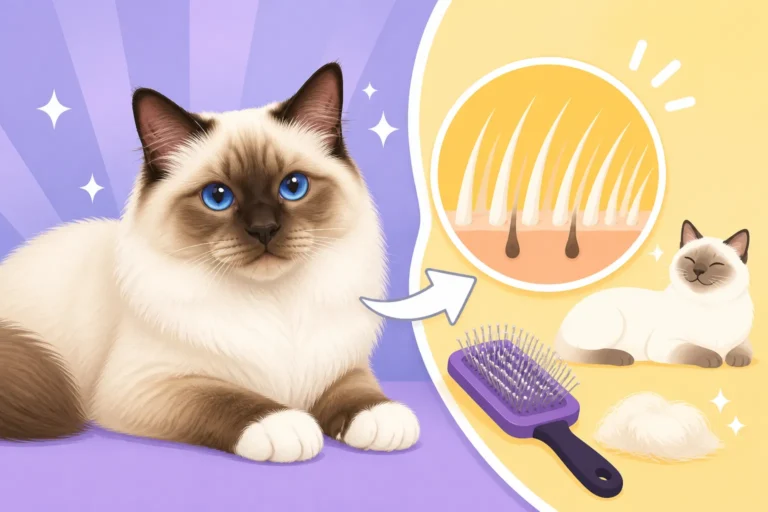
However, the Birman is a different beast entirely. They possess what's often referred to as a "single coat." What does this mean in practical terms? It means there's no dense, fluffy underlayer to contend with. Their fur consists primarily of soft, silken guard hairs. This unique texture makes their coat less prone to tangling and far less likely to develop the thick, matted pelts that plague other breeds. It truly runs through your fingers like silk, shedding loose hair with remarkable ease when combed. It's a design that seems almost tailor-made for busy cat owners who still want the elegance of a long-haired companion. No Undercoat Is What Makes a Birman Easy to Groom delves deeper into this fascinating aspect of their fur.
Where Mats Actually Form on a Birman
While the Birman's coat is wonderfully low-maintenance, it's not entirely mat-proof. It's crucial to understand where you might encounter minor tangles, so you can focus your grooming efforts efficiently. You won't typically find full-body matting unless there's a serious underlying health issue or extreme neglect. Instead, the most common areas for small knots or "tangles" on a Birman tend to be:
- Behind the ears: This is a classic spot for any cat, where movement and friction can cause a small snarl.
- In the armpits (axillary region): Again, a high-friction area where legs rub against the body.
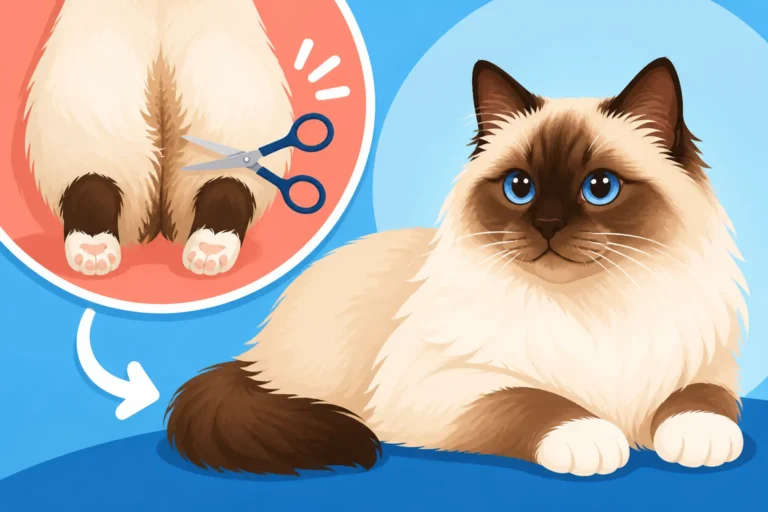
- On the "britches" (hind legs): The longer fur here, combined with sitting and movement, can sometimes form small, loose knots.
- Around the ruff: The magnificent collar of fur around their neck, while stunning, is also the longest and can sometimes get a little tangled, especially during seasonal shedding.
These aren't generally tight, skin-pulling mats, but rather looser tangles that can usually be gently worked out with a wide-toothed comb or your fingers. Compared to breeds where mats can form across the entire torso and belly, the Birman's specific trouble spots are limited and manageable. This distinction is vital for setting realistic grooming expectations. Why a Birman Mats Far Less Than It Looks Like It Should further explores why these cats buck the longhair trend.
Daily and Weekly Grooming Routines: Gentle Care is Key
Since full baths are mostly off the table for a Birman, what does a regular grooming routine look like? It's all about gentle, consistent care that prevents issues before they start, focusing on the coat's natural qualities and the cat's comfort.
The Gentle Art of Combing
The cornerstone of Birman grooming is regular, gentle combing. You’re not trying to aggressively de-shed or strip the coat; you’re simply helping it release loose hairs and prevent the minor tangles we discussed.
Aim for two to three times a week, spending about ten minutes each session. Forget the slicker brushes or harsh deshedding tools that can damage a Birman's delicate guard hairs. Instead, invest in a good quality metal comb with both wide and medium-spaced teeth. A Greyhound comb or a similar style works wonderfully. Which Comb Gets Through a Birman's Ruff Without Pulling offers more specific advice on tools.
When combing, remember to be gentle. Start at the extremities and work your way inward, always moving with the lay of the fur. Pay particular attention to the ruff, the britches, and behind the ears. If you encounter a small tangle, don't pull! Instead, hold the fur at the base of the tangle with one hand to prevent skin pull, and gently tease the knot apart with the wide-toothed side of the comb or your fingers. A touch of cornstarch or a pet-safe detangling spray can sometimes help loosen stubborn knots. Your Birman will quickly learn to appreciate these quiet, bonding sessions. My own Birman, Luna, will often stretch out on the sofa, purring contentedly as I gently comb through her magnificent tail plume.
Beyond the Comb: What Else Does a Birman Need?
While combing is paramount, a complete Birman care routine includes a few other vital elements that are often far more important than bathing for their overall health and well-being.
- Nail Trims: Regular nail trims are essential to prevent claws from becoming too long, sharp, and potentially getting caught or growing into their paw pads. Most Birmans are quite amenable to having their paws handled, especially if introduced early. Aim for trims every 2-4 weeks, just nipping the very tip to avoid the quick.
- Ear Cleaning: Check your Birman's ears weekly. They should be clean and free of excessive wax or odor. If you see dirt or a little waxy buildup, gently wipe the outer folds with a soft cotton ball dampened with a vet-approved ear cleaner. Never insert anything into the ear canal.
- Dental Care: This is often overlooked, but absolutely critical. Birmans, like many cats, can be prone to dental disease. Establishing a routine of brushing their teeth a few times a week with a pet-specific toothbrush and toothpaste can make a huge difference. If brushing isn't feasible, discuss other dental hygiene options like dental treats or water additives with your vet. How Dental Disease Progresses in a Birman sheds light on this important topic. Compared to the rarity of full baths, consistent dental care is a non-negotiable part of responsible Birman ownership.
The Truth About Birman Baths and "Dirty" Feet
So, if combing and other routine care are the focus, when does a bath actually come into the picture for a Birman? The answer, for the vast majority of Birman owners, is almost never.
Why Full Baths Are Almost Never Necessary
Birmans are fastidiously clean creatures. Their silky single coat is remarkably good at self-cleaning, and they spend a significant portion of their day meticulously grooming themselves. The absence of a dense undercoat means that dirt and dander don't get trapped as easily against the skin. Most minor dust or debris will be removed during their self-grooming or during your regular combing sessions.
A full bath can actually strip the natural oils from their skin and coat, leading to dryness, irritation, and potentially making their fur more prone to static and tangles, not less. Furthermore, many cats find the bathing experience incredibly stressful, and unnecessary stress is something we always want to avoid for our feline companions. Save the full baths for truly unavoidable situations, such as:
- Medical necessity: If your vet prescribes a medicated bath for a specific skin condition.
- Serious contamination: If your Birman accidentally gets into something truly messy, sticky, or toxic that cannot be spot-cleaned. Think motor oil, paint, or a very unfortunate encounter with a skunk (though Birmans are typically indoor cats, so this is less common).
In these rare instances, use a cat-specific shampoo, lukewarm water, and ensure a calm environment. Rinse thoroughly and dry completely to prevent chilling. For everything else, embrace the power of spot cleaning! How Rarely a Birman Needs More Than Its Feet Washed is a phrase you’ll come to live by.
The Perpetual Quest for Pristine White Gloves
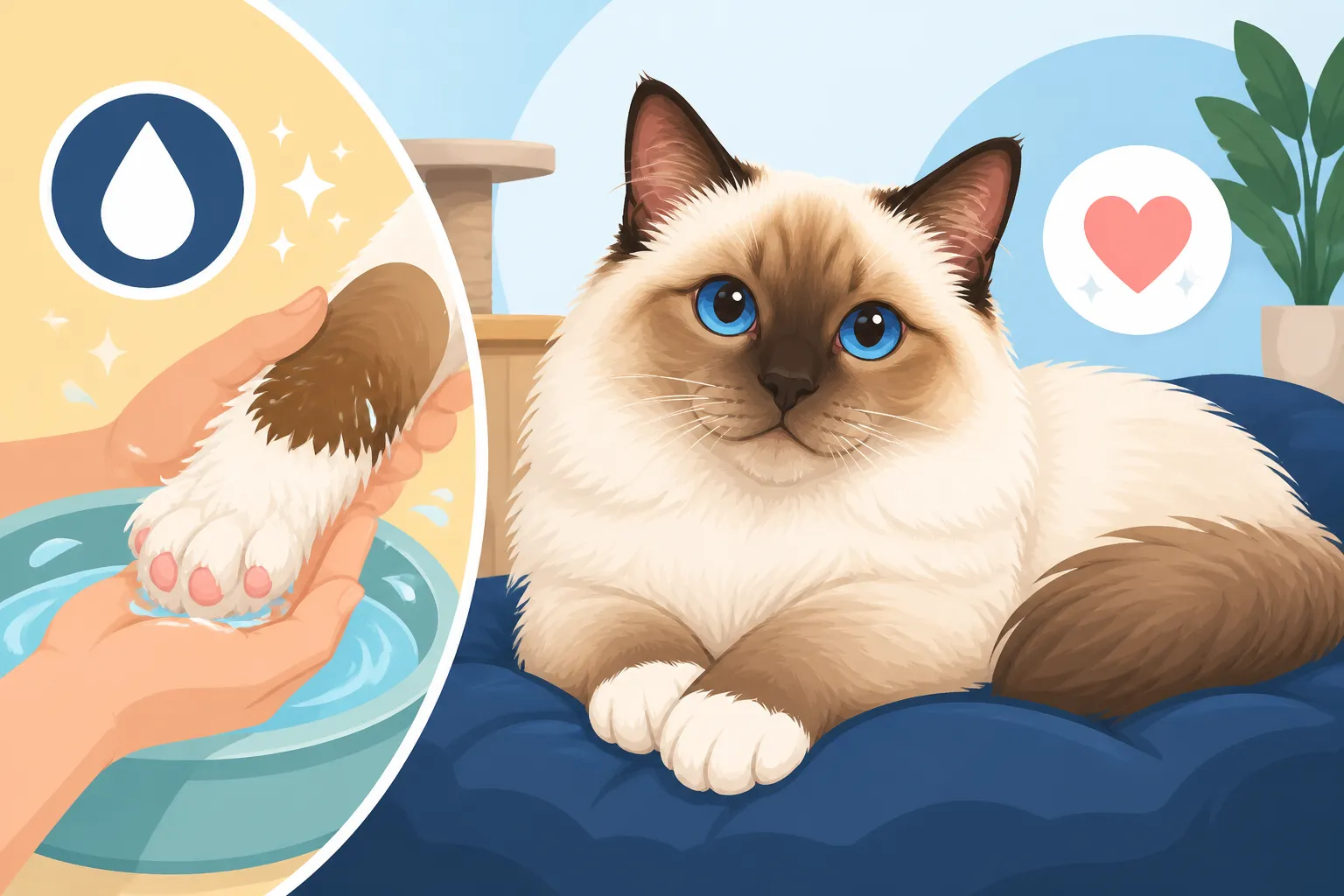
One area where a little targeted "bathing" might be necessary is those famous white gloves and laces. Birmans are renowned for their pristine white paws, but anyone who lives with one knows these delicate white areas can pick up discoloration surprisingly easily. Walking through dusty litter, stepping in a spilled drink, or even just daily exploring can leave those lovely white paws looking a bit… less than pristine. This is often where Birman owners feel the most pressure to "clean" their cat.
Instead of a full bath, focus on spot cleaning those white areas. Here's how you can keep those gloves gleaming:
- Warm Water Wipe: For everyday dust or minor discoloration, a soft cloth or cotton ball dampened with plain warm water is often all you need. Gently wipe the affected area.
- Pet-Safe Shampoo Foam: If it’s a bit more stubborn, create a small amount of lather from a gentle, pet-safe shampoo (look for brands on Chewy or Amazon that specify "whitening" or "tearless" for cats, but always check ingredients carefully). Apply the foam to the discolored area, gently massage, and then rinse very thoroughly with a clean, damp cloth. You want to avoid leaving any residue that could irritate the skin or attract more dirt.
- Litter Choice Matters: This is huge! Dusty or dark-colored litter is the enemy of white paws. Opt for a high-quality, low-dust, clumping litter in a light color. Many owners find unscented clay or corn-based litters from brands available on Chewy to be effective in keeping paws cleaner. Changing the litter frequently also makes a big difference. Why Litter Discolors a Birman's White Feet offers more tips.
- Paw Wipes: Keep some pet-safe paw wipes handy for quick clean-ups, especially after a litter box visit or an adventurous stroll through the house.
It’s a constant battle, but these targeted approaches are far less stressful for your cat and more effective for those specific white areas than a full dunk in the tub.
Maintaining Coat Health Through Diet and Environment
While physical grooming is important, a truly healthy, easy-to-manage Birman coat starts from within and is influenced by its living environment. These factors play a significant role in reducing the need for extensive cleaning and preventing common coat issues.
Nutrition's Role in a Healthy Coat
Just like with humans, what your Birman eats directly impacts the health and appearance of their skin and fur. A high-quality diet is paramount for a shiny, soft, and naturally resilient coat.
- Protein Power: As obligate carnivores, cats need a diet rich in animal-based protein. This is the building block for healthy hair growth. Ensure your cat's food lists a quality meat source as the first ingredient. A Birman with a protein-deficient diet might have a duller, coarser coat that is more prone to tangling.
- Essential Fatty Acids: Omega-3 and Omega-6 fatty acids are crucial for skin and coat health. These help maintain skin hydration, reduce dryness, and give the coat its characteristic silky sheen. Look for foods that include ingredients like salmon oil, flaxseed, or fish oil. Some premium wet foods are specifically formulated for coat health.
- Hydration: Adequate water intake is vital for overall health, including skin and coat. Wet food contributes significantly to a cat's daily water intake. If your Birman primarily eats dry kibble, ensure they have multiple fresh water sources, including a pet fountain, to encourage drinking. Which Wet Food Suits a Birman's Kidney History provides context on how diet links to common Birman health considerations. A well-hydrated cat with healthy skin will have a better-looking coat that is less likely to become dry or brittle, which can lead to breakage and tangles.
Environmental Factors and Coat Condition
Beyond diet, the immediate environment your Birman lives in can also impact their coat and, by extension, how often you feel the need to "clean" them.
- Humidity and Temperature: Extremely dry indoor air, especially during winter months when heating systems are running, can make a Birman's coat prone to static and dryness. This can lead to more tangles and a less smooth texture. A humidifier in your home can help maintain a healthier environment for both you and your cat's skin and coat. Conversely, while Birmans are largely indoor cats, extreme heat can also impact coat quality, making them more prone to shedding. Why a Birman Living Somewhere Cold Gets Darker illustrates how temperature affects even their colouration.
- Clean Living Space: A clean home environment means less dust, dirt, and debris for your Birman's coat to pick up. Regular vacuuming and dusting contribute to keeping their fur cleaner between grooming sessions. This is especially true for those precious white gloves!
- Comfortable Resting Spots: Providing clean, comfortable beds and blankets can help protect their coat from accumulating dirt or becoming matted in high-friction areas. You might notice your Birman gravitates to certain cozy spots. Keeping these clean is an easy way to help maintain their coat.
By addressing these factors, you're investing in a naturally healthy coat that looks and feels good, further reducing the rare instances where any kind of washing might seem necessary.
| Grooming Need | Birman (Single Coat) | Persian (Double Coat) | Ragdoll (Semi-Longhair) |
|---|---|---|---|
| Combing Frequency | 2-3 times/week | Daily, often twice a day | 3-4 times/week |
| Matting Tendency | Low (mostly minor tangles) | High (dense undercoat) | Moderate (longer belly fur) |
| Full Baths Needed | Rarely (only if truly soiled) | Occasionally, for show | Infrequently |
| Primary Tool | Metal Comb | Metal Comb & Slicker Brush | Metal Comb |
| Key Focus | Gentle detangling, paw hygiene | Undercoat management, dematting | General neatness, belly |
Ultimately, caring for a Birman's coat is a wonderfully gentle and rewarding experience. You'll find that their natural cleanliness and the unique texture of their fur mean that you'll spend far more time enjoying their serene company than you ever will battling a bath. Focus on consistent combing, targeted spot cleaning for those adorable white feet, and a top-notch diet, and your Birman will remain a beautiful, low-maintenance companion.
Disclaimer
This article is for general informational purposes only and does not constitute professional advice. Laws, prices and regulations vary by location and change over time. Consult a qualified professional for guidance on your specific situation.