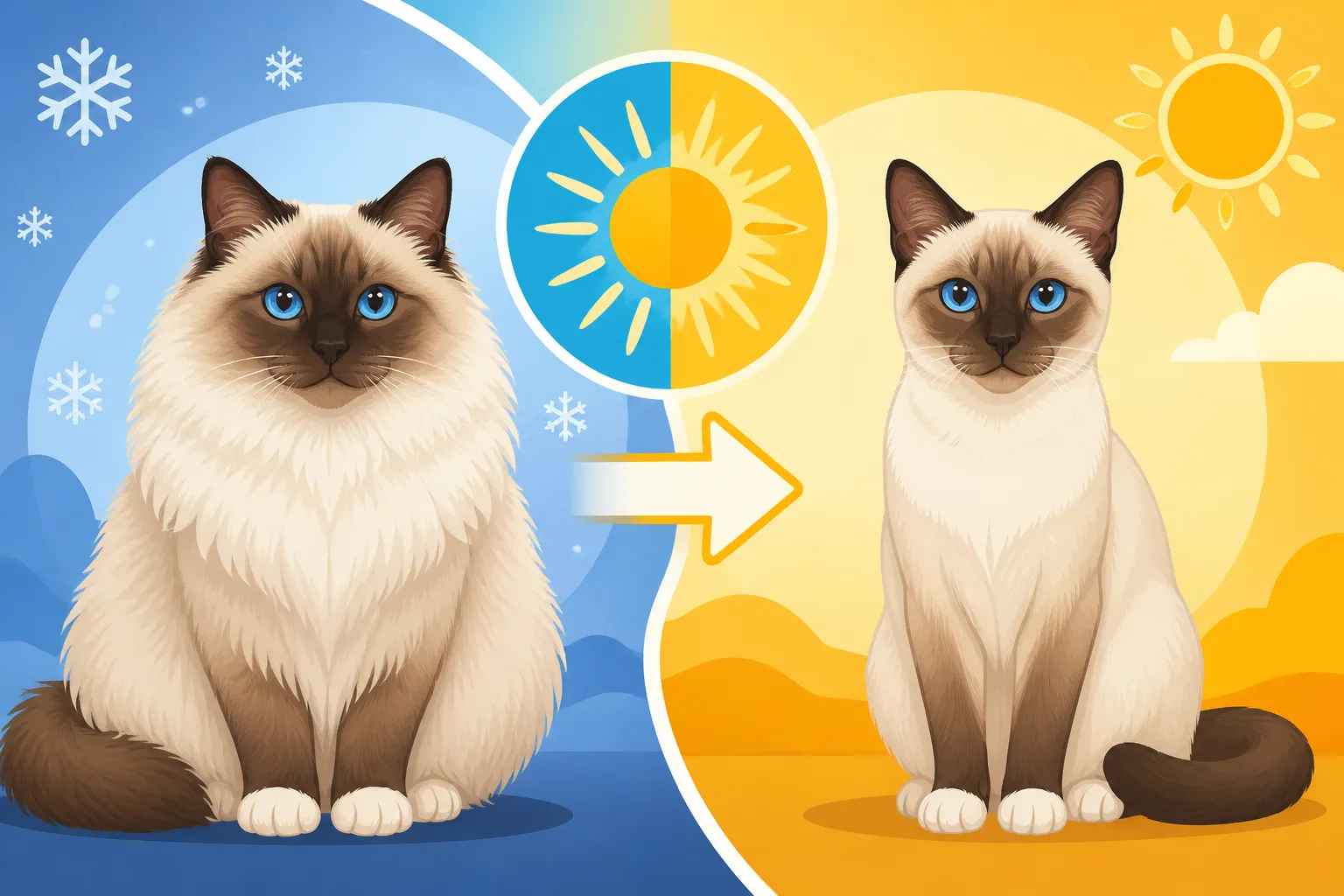
Whether a Birman’s Ruff Disappears in Summer
It's completely normal to gaze at your Birman's magnificent ruff, especially as the temperatures begin to climb, and wonder if all that glorious fur is going to stick around or if your kitty will suddenly look like a sleek short-hair. Many of us worry about our Birmans getting too hot or shedding excessively as the seasons change. This guide aims to clear up those concerns, explaining exactly how your Birman's unique coat responds to summer, and what you can do to keep them comfortable and looking splendid.
Understanding the Birman's Unique Coat Structure
The Birman cat is truly special, not just in temperament but also in its captivating coat. Unlike many other long-haired breeds, Birmans possess a distinct coat structure that plays a huge role in how they manage heat and shed throughout the year. Understanding this foundation is key to appreciating how their ruff behaves in warmer months.
The Absence of a Dense Undercoat
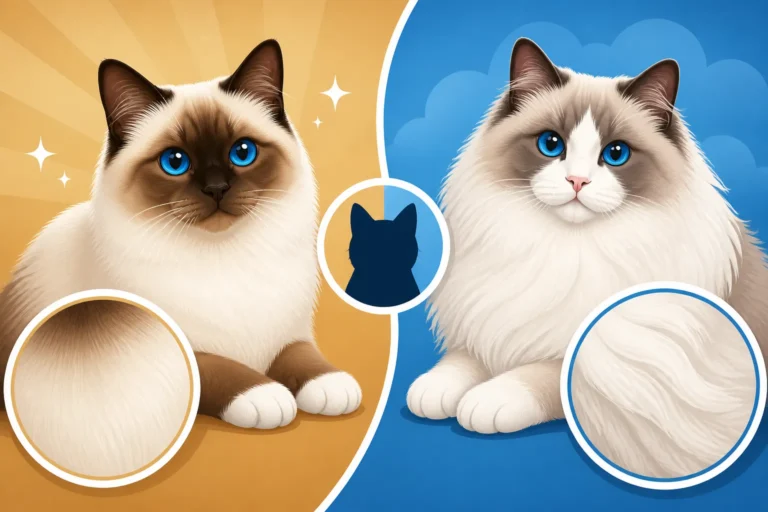
One of the most defining characteristics of the Birman's coat, and honestly, a huge relief for their owners, is the lack of a dense, woolly undercoat. If you’ve ever owned a Persian or a Maine Coon, you’ll know the sheer volume of fluff that comes with a double coat. Birmans, on the other hand, are blessed with a single coat that feels incredibly silky and fine, almost like human hair. This means less bulk overall, which is a major factor in their comfort during summer.
This unique structure is why Birmans are often considered No Undercoat Is What Makes a Birman Easy to Groom. Their fur doesn't trap as much heat close to the body, and it doesn't form those dreaded mats and tangles quite as readily as a cat with a thick insulating layer underneath. It’s a trade-off, of course; they aren’t quite as insulated in frosty weather, but they typically handle warmer indoor temperatures with more grace.
When you run your hands through a Birman's coat, you'll notice it falls back into place almost immediately, rather than standing up on end with a cushion of fluff. This is a direct result of that missing undercoat. It’s not just about aesthetics; it fundamentally changes how their body thermoregulates and how much grooming effort is required from us.
How the Single Coat Influences Shedding and Warmth
Because of their single coat, Birmans do shed, but typically not in the overwhelming cascades you might expect from a long-haired cat. Their shedding tends to be more consistent year-round, with a noticeable increase during seasonal changes, rather than dramatic "blow-outs" where an entire undercoat is shed. This means you’ll find some Birman hair on your furniture and clothes most days, but it rarely reaches the suffocating levels associated with some other breeds.
In terms of warmth, this single coat is a double-edged sword. In winter, while it offers some protection, it means Birmans might seek out warmer spots in the house more actively than their double-coated cousins. You might find them curled up near a radiator or snuggled under a blanket. How a Birman Copes With a Cold House reveals just how important indoor climate control is for them. Conversely, in summer, this lighter coat works in their favor, allowing body heat to dissipate more easily.
The goal of a Birman's coat is not extreme insulation, but rather protection and elegance. It keeps them clean, provides a degree of natural oil, and, of course, gives them their distinctive plush appearance. So, while you'll still notice shedding, especially as spring turns to summer, it's not the massive, insulating layer being discarded that you'd see in, say, a Siberian. This is also why we tend to ask Whether a Birman Has Any Undercoat at All in the first place, because it feels so different.
Seasonal Changes and the Birman's Ruff
The Birman's ruff, that beautiful collar of longer fur around their neck, is one of their most iconic features. It's often the first thing people notice, and it adds so much to their regal appearance. So, when summer rolls around, it's natural to wonder what happens to this magnificent adornment.
Does the Ruff 'Disappear'?
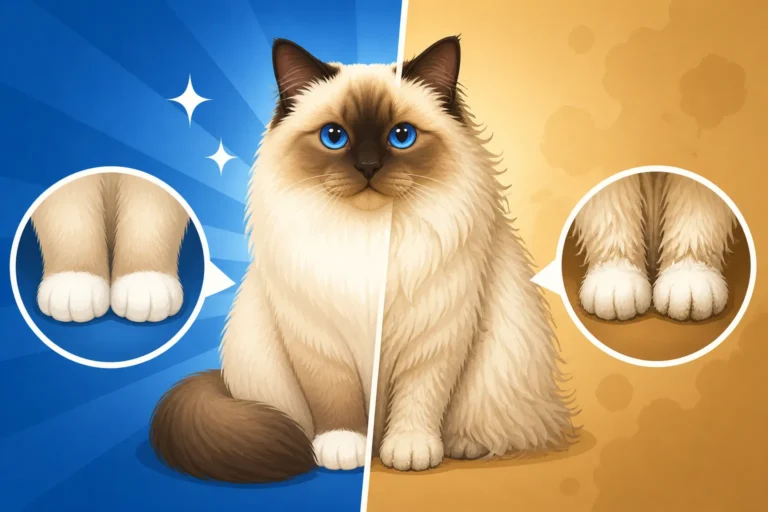
No, your Birman's ruff does not "disappear" entirely in the summer, but it will absolutely appear less dense and less voluminous than it does in the colder months. Think of it more as a natural thinning and shedding rather than a complete vanishing act. The ruff, like the rest of their coat, is responsive to environmental temperatures and the cat's own internal biological clock.
During the spring and early summer, your Birman will shed some of the longer, slightly thicker hairs that contribute to the full, lush look of their winter ruff. This is their body's way of adapting to the rising temperatures, reducing the insulating layer to stay cooler. You'll likely notice more fur collecting on your comb during your regular grooming sessions, and perhaps a few more Birman tumbleweeds around the house. This seasonal shedding is completely normal and healthy.
The underlying structure of the ruff remains, but the individual hairs might be thinner, shorter, or simply less numerous. It's a subtle change to our human eyes, but for your Birman, it makes a significant difference in comfort. You'll still see the distinct outline of the ruff, but it won't have the same "fluff factor" as it did when winter was biting. For more on this, you might find Why a Birman's Ruff Is Its Longest Fur interesting, as it explains the inherent length that remains.
The Role of Temperature in Coat Density
Temperature is the primary driver behind these seasonal coat changes in Birmans. Cats, much like other mammals, use their fur to help regulate their body temperature. In colder weather, a denser coat (even a single one) provides more insulation, helping to keep them warm. As temperatures rise, the body signals for a lighter coat, prompting the shedding of those excess hairs. This process isn't just about the ambient air; indoor heating and cooling also play a role.
If your Birman lives in a consistently air-conditioned home, their coat changes might be less dramatic than a cat living in a house with wider temperature fluctuations. However, even with climate control, the natural light cycles (photoperiod) influence a cat's hormonal responses, which in turn dictate shedding patterns. So, while your home environment can mitigate some extremes, you'll still observe a natural ebb and flow in their coat density.
It’s an amazing biological adaptation. Imagine walking around in a heavy winter coat all summer! Your Birman feels the same, and their body responds by thinning out their fur. This doesn't mean they'll be uncomfortable if your house gets a little warm, but it's a good reminder to always provide fresh water and cool spots for them. We often ask When a Birman Drops Its Coat because the changes are so noticeable around the change of seasons.
Managing Your Birman's Coat Through the Seasons
While your Birman's coat naturally adapts to the seasons, there are definitely things you can do as an owner to help them stay comfortable and keep that beautiful fur in tip-top shape all year long, even when the ruff is a little less majestic.
Grooming Routine Adjustments for Warmer Months
Even though a Birman's single coat is generally Why a Single Coat Mats Less on a Birman, regular grooming is still essential, especially during periods of increased shedding. In summer, you might find yourself combing your Birman a little more frequently than your usual routine. Instead of the three times a week suggested for winter, you might opt for four or five shorter sessions to remove loose hair.
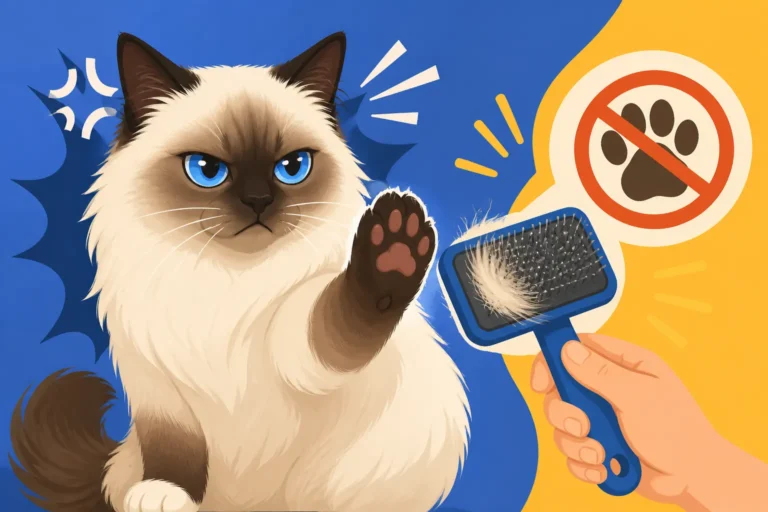
A good quality metal comb with both wide and fine teeth is your best friend here. Gently work through their fur, paying extra attention to the ruff, britches, and tail plume, where any mats are most likely to form. This not only removes shed hair, preventing uncomfortable tangles, but it also helps to distribute natural skin oils, keeping their coat healthy and shiny. A gentle slicker brush can also be used, but always be careful not to pull their delicate hair. You can find excellent grooming tools on platforms like Chewy or Amazon.
Beyond combing, consider a damp cloth wipe-down on particularly hot days. This can help to remove loose hairs and provide a slight cooling sensation. Remember, grooming isn't just about beauty; it's a bonding experience and a crucial part of preventative care for their skin and coat health. Making sure to perform Combing a Birman Three Times a Week year-round, adjusting frequency as needed, makes all the difference.
Supporting Coat Health Through Nutrition and Environment
A healthy coat starts from within, and nutrition plays a huge role in how well your Birman's fur looks and feels. Ensure your cat is on a high-quality diet rich in protein and essential fatty acids, particularly Omega-3s and Omega-6s. These nutrients are vital for skin health and a lustrous coat. You might notice some premium cat foods specifically highlight coat-supporting ingredients.
In terms of environment, providing cool spots for your Birman during summer is paramount. This could be a cooling mat, a tiled floor, or simply ensuring your home is well-ventilated. Many Birmans appreciate a window perch in a shaded area where they can observe the outside world without baking in direct sunlight. Access to fresh, cool water at all times is also crucial to prevent dehydration, which can impact skin and coat quality.
If you notice any unusual changes in your Birman's coat — excessive hair loss outside of normal shedding, patchy baldness, or dull, greasy fur — it’s always best to consult your veterinarian. While some changes are seasonal, others can be indicative of underlying health issues, allergies, or nutritional deficiencies. Maintaining a healthy coat is a year-round commitment that truly benefits your beloved Birman.
Common Misconceptions About Birman Coat Changes
When it comes to our beloved Birmans, there's a lot of information floating around, and sometimes it can be hard to separate fact from fiction, especially regarding their beautiful coats. Let's tackle a couple of common misunderstandings.
Distinguishing Normal Shedding from Health Issues
It’s easy to panic when you see more fur than usual, especially if you’re new to owning a long-haired breed or are simply attentive to your cat's well-being. However, it's important to understand that seasonal shedding, particularly as temperatures change, is a perfectly natural process for your Birman. Their bodies are intelligently adjusting to maintain optimal comfort. You might notice a bit more fluff on the furniture or in their favorite sleeping spots, and that’s generally fine. How Much a Coat With No Undercoat Actually Sheds highlights that even with a single coat, there will be shedding.
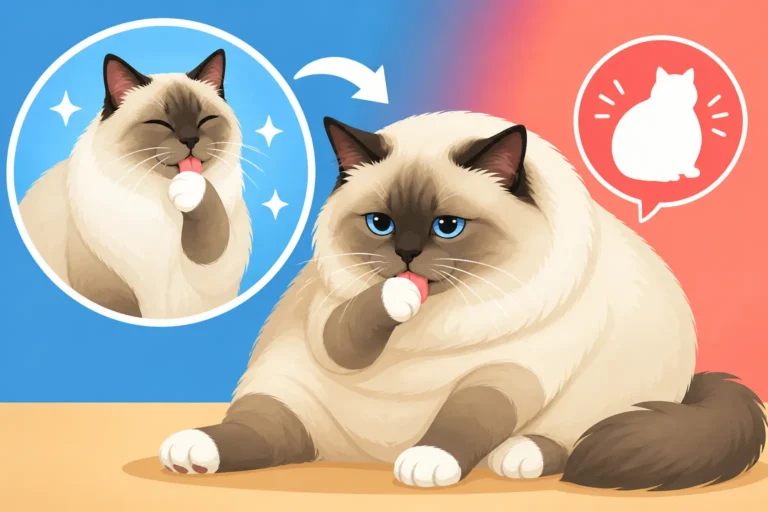
However, distinguishing normal shedding from a potential health issue means looking for other signs. Is the shedding symmetrical, or are there bald patches? Is your cat itching excessively, or are there any signs of skin irritation like redness, bumps, or flakes? Does the coat suddenly look dull, greasy, or feel brittle? Is your Birman grooming themselves constantly, to the point of creating bald spots? These are the indicators that point to something more than just a seasonal coat change.
A healthy Birman's coat, even when shedding, should still look relatively healthy and feel soft. The underlying skin should appear clear and free of irritation. If you have any doubts, a quick call or visit to your vet can provide peace of mind and address any potential issues early. It’s always better to be safe than sorry when it comes to their health.
Why Drastic Changes Might Warrant a Vet Visit
While a slight reduction in the density of your Birman's ruff during summer is normal, any truly drastic or sudden changes in their coat warrant professional attention. For example, if large clumps of hair are falling out, if their skin underneath appears inflamed or infected, or if they seem generally unwell in addition to the coat change (e.g., lethargy, appetite changes, increased thirst), it’s time to see the vet.
Hormonal imbalances, allergies, parasites (like fleas or mites), fungal infections (like ringworm), nutritional deficiencies, or even systemic illnesses can manifest with noticeable coat and skin problems. Your Birman's fur is often a fantastic barometer for their overall health. A vet can perform a thorough examination, and if necessary, run tests like skin scrapings, blood work, or allergy panels to get to the root of the problem.
Don't ignore persistent or worrying coat issues, thinking it's "just shedding." While Birmans are generally robust cats, their quiet and placid nature means they can sometimes hide discomfort or illness until it's quite advanced. Being proactive about unusual coat changes can help you catch and treat potential health problems before they become more serious, ensuring your Birman lives a long, happy, and healthy life with you.
| Seasonal Coat Aspect | Winter Appearance | Summer Appearance | Grooming Focus |
|---|---|---|---|
| Ruff Density | Full, thick, lush | Thinner, less voluminous | Removing loose hairs to prevent mats |
| Overall Coat | Denser, slightly longer | Lighter, finer texture | Daily or near-daily combing, especially during peak shedding |
| Shedding Level | Consistent, moderate | Increased, particularly in spring/early summer | Regular brushing to minimize hair around the house |
| Matting Risk | Low, but possible in areas of friction | Very low, due to lighter coat | Spot checks on britches, armpits, behind ears |
| Comfort Priority | Warmth, insulation | Cooling, ventilation | Providing cool resting spots, fresh water |
Disclaimer
This article is for general informational purposes only and does not constitute professional advice. Laws, prices and regulations vary by location and change over time. Consult a qualified professional for guidance on your specific situation.