How Big a Birman’s Ruff Gets in Winter
It's a common thought for us Birman owners when the colder months roll around: "Wow, is my cat getting fluffier, or is it just me?" You might notice your beloved Birman's beautiful neck ruff seems to expand, transforming into an even more magnificent frame for their sweet face. This guide is here to unravel the mystery of the Birman's winter ruff, explaining exactly how the cold influences its growth and what that means for your grooming routine and their overall care.
Understanding the Birman's Distinctive Coat and Ruff
First, let's chat about what makes a Birman's coat so unique in the feline world. Unlike many other longhaired breeds that boast a thick, woolly double coat, our Birmans are special. Their fur is often described as silky, flowing, and surprisingly low-maintenance because of its specific structure.
The Birman's Single Coat vs. a Double Coat
When you run your hand through a Birman's fur, you'll immediately notice its luxurious, almost cashmere-like feel. This isn't just a coincidence; it's due to their single coat. What does this mean, exactly? Well, most cats have two layers of fur: a soft, dense undercoat for insulation and a protective topcoat of longer, coarser guard hairs. Birmans, however, largely lack that insulating undercoat. This is fantastic news for shedding and matting, as it means significantly less maintenance compared to a Persian or a Maine Coon. It's truly what makes a Birman so easy to groom. This unique characteristic is why you'll often hear that No Undercoat Is What Makes a Birman Easy to Groom. You might also be interested to learn Why a Birman's Single Coat Never Developed a Woolly Layer.
Without that dense undercoat, their long guard hairs are what provide both warmth and that magnificent flowing appearance. It's a key part of their charm and why they feel so incredibly soft to the touch.
Defining the Birman's "Ruff" and Where It Grows
Now, onto the star of the show: the ruff! The ruff is essentially the longer, denser fur that frames your Birman's neck and chest, cascading down like a glorious mane. Think of it as a natural, fluffy scarf that adds so much to their regal look. While a Birman's entire coat is long and silky, the fur around their neck, shoulders, and chest is specifically bred to be even longer and thicker. You'll also find some beautiful longer fur on their britches and a magnificent plume on their tail, but the ruff is truly a standout feature. It’s Why a Birman's Ruff Is Its Longest Fur. It gives them that lion-like quality and is a huge part of the breed standard. Throughout the year, this ruff is prominent, but as we’ll explore, it undergoes a noticeable change with the seasons.
The Seasonal Transformation: How Winter Impacts the Ruff
This is where your observation about your Birman getting fluffier in winter comes in! You're absolutely not imagining things. The colder temperatures indeed play a significant role in how substantial that beautiful ruff becomes. It's a natural, evolutionary response to the environment, even for our pampered indoor companions.
The Role of Temperature in Coat Growth
Cats, much like many other mammals, are influenced by ambient temperature and daylight hours when it comes to their coat growth. As the days shorten and the mercury drops, a Birman's body signals its hair follicles to produce a denser, sometimes slightly longer, coat. This isn't just about growing new fur; it's also about retaining the fur they already have more effectively and thickening each individual strand. While Birmans don't develop a new, heavy undercoat like some breeds, their existing guard hairs respond to the cold by becoming more profuse, especially in areas vital for insulation like the ruff.
This physiological response is a remnant of their wild ancestry, designed to help them stay warm. Even though most Birmans live a luxurious indoor life with climate control, their ancient instincts still kick in. You might notice the change subtly at first, perhaps just thinking your cat looks particularly handsome one morning, then realizing it's the sheer volume of fur around their neck that's caught your eye. How a Birman's Points Darken With Cold is another temperature-related change you might observe.
Visual Changes in Ruff Size and Density During Colder Months
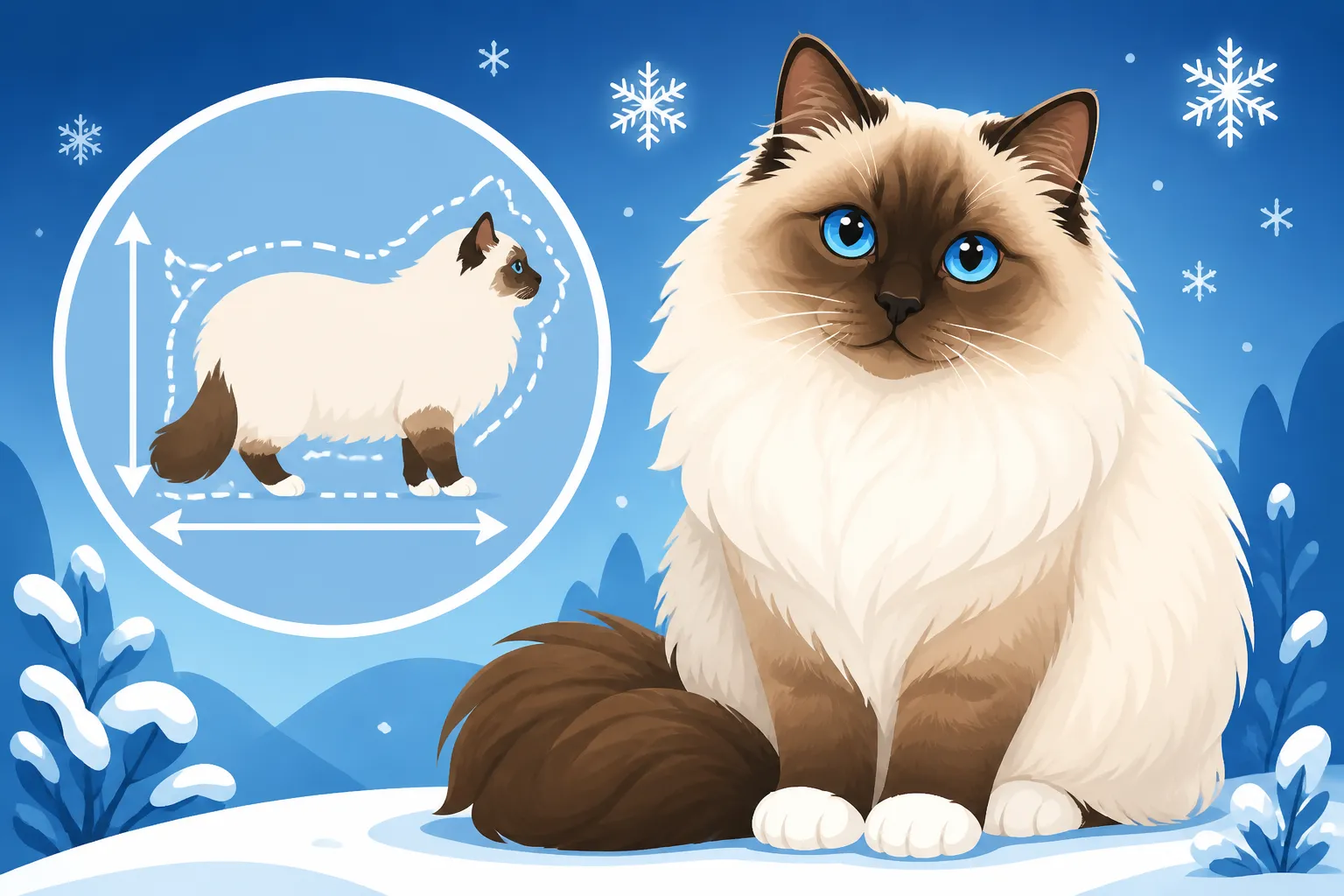
So, how big does a Birman's ruff actually get in winter? It's not usually a dramatic overnight transformation, but rather a gradual increase in both length and density. Visually, the ruff will appear fuller, thicker, and more pronounced. Imagine an already beautiful frame around their face suddenly becoming even more opulent.
- Increased Volume: The individual hairs making up the ruff become more abundant and stand away from the body slightly more, giving an impression of greater depth and fluffiness. It's like they've donned a thicker, more luxurious scarf.
- Enhanced Length: While the growth isn't extreme, the fur in the ruff can elongate a bit, contributing to that impressive, flowing cascade down their chest. You'll find that their already How Long a Birman's Coat Actually Is gets a subtle boost, particularly around the neck.
- Denser Feel: When you stroke their ruff, you'll feel a noticeable difference in its plushness. It provides an almost cloud-like texture, which is exactly what their body needs for a bit of extra warmth.
This winter ruff can become quite magnificent, often making their head appear smaller in proportion to their glorious mane. It’s a stunning seasonal display of their natural beauty, and for us owners, it means even more luxurious fur to adore.
Factors Beyond Temperature Affecting Ruff Development
While cold is the primary trigger, a few other elements can subtly influence the size and health of your Birman's winter ruff:
- Genetics: Just like humans, some Birmans are naturally predisposed to having a more abundant coat and a larger ruff than others, regardless of the season. Their genetic blueprint plays a huge role.
- Age: Younger Birmans, especially those still maturing, may not develop their full ruff potential until they are around two to three years old. Conversely, some older Birmans might experience a slight thinning of their coat, or it might become less vibrant, though their ruff will still respond to cold.
- Nutrition: A healthy diet rich in essential fatty acids and proteins is crucial for a strong, lustrous coat year-round, and especially for supporting that magnificent winter growth. We'll delve into this more later.
- Overall Health: Any underlying health issues can manifest in a dull or sparse coat. A Birman in peak condition will naturally grow a more splendid winter ruff.
Grooming and Care for a Winter Birman Ruff
With a fuller, more substantial ruff, your grooming routine might need a slight adjustment to ensure your Birman stays comfortable and mat-free. The goal isn't to fight the fluff, but to maintain its health and beauty.
Essential Grooming Tools and Techniques for a Thicker Ruff
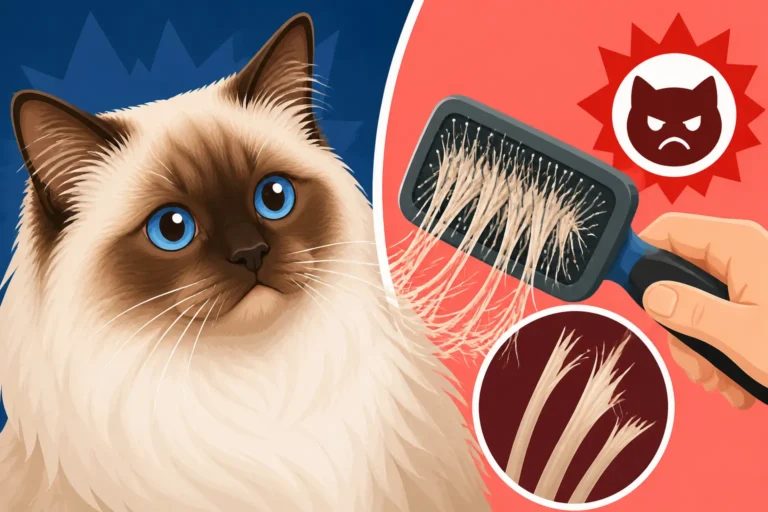
Even with their "easy-to-groom" single coat, a denser winter ruff can be more prone to tangles if neglected. The key is consistent, gentle care. You'll want to ensure you have the right tools on hand. A good quality metal comb with both wide and fine teeth is indispensable. For particularly fluffy areas like the ruff, a comb with rotating teeth can be a godsend, as it glides through without pulling. Avoid slicker brushes, as they can pull and damage the delicate guard hairs of a Birman's coat.
Instead, focus on thorough combing, especially around the ruff, armpits, and britches, which are common spots for mats. Use the wide-toothed side of your comb first to gently work through any larger sections, then follow with the finer teeth to ensure all tangles are removed. Make it a bonding experience, not a chore! Your cat will appreciate the gentle touch. Which Comb Gets Through a Birman's Ruff Without Pulling is a great resource to explore specific comb types.
Preventing Mats and Tangles in the Denser Winter Coat
Prevention is always better than cure when it comes to mats. While Why Three Combings a Week Is Enough for a Birman usually holds true year-round, you might find yourself adding an extra session or two during the peak winter fluff season, especially if your Birman is particularly playful or enjoys burrowing into blankets.
Here are some tips:
- Regular Combing: Stick to a consistent schedule. A quick, gentle comb-through daily or every other day can make a huge difference in preventing small tangles from becoming stubborn mats.
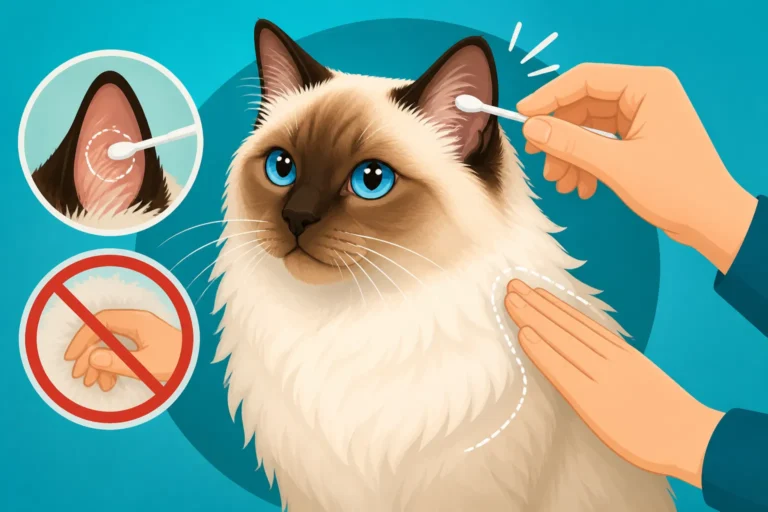
- Target Trouble Spots: Pay extra attention to the areas where mats are most likely to form: behind the ears, under the chin (part of the ruff!), in the armpits, and around their britches.
- Gentle Detangling: If you encounter a knot, don't yank! Gently work it apart with your fingers first, then use the wide-toothed comb. You can use a tiny bit of cornstarch or a cat-safe detangling spray to help loosen the hairs.
- Consider a Trim (Rarely): It's almost unheard of for a Birman to need a full clip, but in very rare cases of severe matting in the ruff that can't be combed out, a vet or professional groomer might carefully trim a small area. This is a last resort, as it affects the beauty of their coat.
Remember, a consistent routine helps your Birman get used to the process, making it more pleasant for both of you.
Nutritional Support for a Healthy Winter Ruff
A cat's coat is a direct reflection of its internal health, and a magnificent winter ruff is no exception. Good nutrition is paramount. Ensure your Birman is on a high-quality diet, rich in animal-based protein and healthy fats.
Omega-3 and Omega-6 fatty acids, often found in fish oils or specially formulated cat foods, are particularly beneficial for skin and coat health. These "good fats" help keep the fur strong, shiny, and less prone to breakage, which is especially important for the longer hairs of the ruff. Look for cat food brands that specifically highlight skin and coat health, or consider a supplement recommended by your vet. Brands like Chewy often carry a wide selection of foods and supplements catering to these needs, and you can find many highly-rated options on Amazon as well.
Hydration is also key. While not directly influencing ruff size, sufficient water intake contributes to overall health, which in turn supports a healthy coat. Encourage drinking with water fountains or offer wet food, which helps boost their water intake. You can learn more about how diet influences their coat by reading Why a Birman's Coat Needs Fat in the Diet.
Living with a Lush Winter Ruff
Beyond grooming, a denser winter ruff has a few practical implications for daily life, mostly in delightful ways, but also with a few considerations for your Birman's comfort and cleanliness.
Keeping the Ruff Clean and Pristine
That beautiful, flowing ruff is unfortunately also a magnet for anything your Birman might brush against. Food particles, litter dust, and even just general household dust can accumulate in the longer, denser fur.
- Food Management: If your Birman is a messy eater, you might find their ruff dips into their wet food. Consider bowls with slightly higher sides or a wider, flatter design that keeps their ruff clear. Regularly wiping their chin after meals can help prevent food from drying and matting in their fur.
- Litter Choice: Fine, dusty litter can easily cling to the long hairs of the ruff and track around the house. Opt for low-dust or dust-free litter to minimize this. Also, while Birmans are generally fastidious, a thicker ruff might make it a tad harder for them to reach every spot during self-grooming. A light daily comb can whisk away any stray bits.
- Regular Spot Checks: Just a quick visual check daily, especially after they've been exploring, can catch any debris before it becomes embedded or causes a mat.
Ensuring Comfort and Warmth for Your Birman in Winter
While the winter ruff is a natural adaptation for warmth, remember that Birmans don't have that thick insulating undercoat. They are still an indoor breed and appreciate a comfortable, warm environment. Their ruff provides some insulation, but it's not a complete shield against very cold temperatures.
- Cozy Spots: Your Birman will seek out warm spots in the house. Provide soft, comfortable beds, perhaps near a sunny window or a gentle heat source. They might even decide your lap is the best warm spot in the house, which, let's be honest, is a bonus for you!
- Temperature Consistency: Try to keep your home's temperature consistent. Sudden drafts or significant drops can make them uncomfortable, despite their fluffier ruff. Remember, Why a Coat With No Undercoat Leaves a Birman Cold.
- Outdoor Adventures (Cautiously): While some Birmans enjoy supervised outdoor time in a secure catio or on a leash, extreme cold or snow is generally not suitable for them. Their beautiful white "gloves" on their paws offer no protection from ice or chemicals, and their single coat isn't designed for harsh winter elements. Whether a Birman Should Ever Go Outside in Snow is a firm no for most owners.
The magnificent winter ruff is a natural wonder, enhancing the Birman's already stunning appearance. By understanding its purpose and making minor adjustments to your care routine, you can ensure your Birman stays healthy, comfortable, and beautifully fluffy all winter long.
Grooming Comparison: Year-Round vs. Winter Ruff
Here's a quick look at how the grooming needs shift slightly when your Birman's winter ruff comes in:
| Aspect of Care | Year-Round Routine | Winter Ruff Considerations |
|---|---|---|
| Combing Frequency | 2-3 times per week, 10-15 minutes per session | Potentially daily or every other day, especially in peak fluff season. |
| Focus Areas | All over, with attention to armpits and britches | Extra emphasis on the ruff, under the chin, and behind the ears. |
| Tools Needed | Wide-toothed metal comb, fine-toothed metal comb | Same tools, but rotating-tooth combs can be beneficial for denser ruffs. |
| Mat Prevention | Consistent combing, prompt attention to tangles | Even more vigilance, as increased density can lead to faster mat formation. |
| Cleaning | Spot cleaning for accidents, occasional foot washing | More frequent spot checks for food/litter in the ruff. |
| Nutritional Support | High-quality diet for general health | Ensure diet is rich in Omega fatty acids for optimal coat strength and shine. Foods that focus on high-quality ingredients often support coat health. |
| Overall Observation | Monitoring for general coat health and shedding patterns | Increased awareness of comfort and cleanliness of the denser ruff. |
Disclaimer
This article is for general informational purposes only and does not constitute professional advice. Laws, prices and regulations vary by location and change over time. Consult a qualified professional for guidance on your specific situation.