Cleaning a Birman’s Ears Without Touching the Ruff
One of the lovely quirks of owning a Birman is their magnificent ruff – that beautiful, silky collar of fur around their neck and ears. While it adds to their regal appearance, it can present a unique challenge when it comes to routine care, especially when you need to clean their ears. You want to make sure your Birman's ears are sparkling clean without accidentally matting, irritating, or getting moisture trapped in that gorgeous, delicate fur. This guide will walk you through how to gently and effectively clean your Birman's ears, specifically focusing on techniques to protect that glorious ruff.
Understanding Your Birman's Ears and Their Unique Challenges
The Birman, with its striking point coloration and luxurious, single coat, has ears that are generally well-set and medium-sized. While they don't typically have excessive hair inside the ear canal like some other longhaired breeds, the fur surrounding the ear, particularly the ruff, is plentiful and fine. This fine texture means it can easily get wet, tangled, or even irritated if not handled with care during grooming.
The Anatomy of a Birman's Ear and Why the Ruff Matters
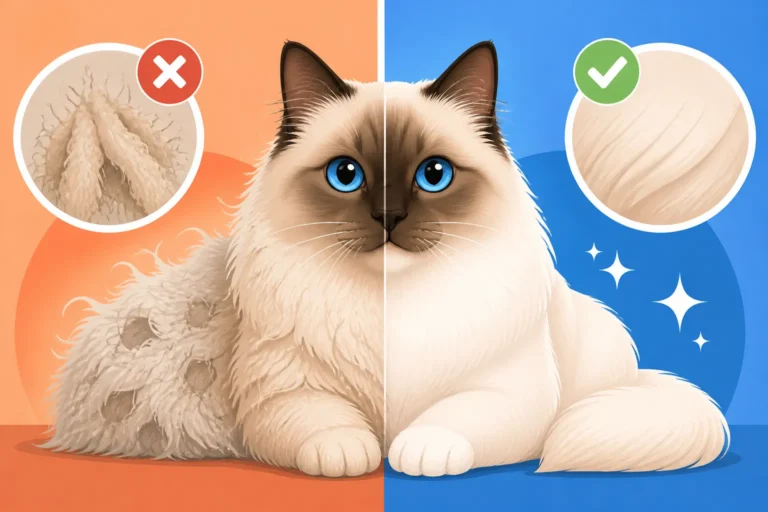
A Birman's ears are positioned relatively wide apart, with a slight forward tilt, adding to their sweet, open expression. The ear canal itself is L-shaped, which is common in cats, and it naturally produces a small amount of wax to trap debris and keep the ear healthy. However, the outer part of the ear, the pinna, is framed by that distinct ruff. This long, silky fur can act like a sponge, soaking up any liquid that drips during cleaning, leading to dampness against the skin.
Dampness in fur, especially fine fur like the Birman's, is a recipe for trouble. It can cause mats to form surprisingly quickly, which are not only uncomfortable but can pull on the delicate skin around the ear. More concerning, persistent dampness can create a warm, moist environment that's perfect for bacterial or yeast overgrowth, potentially leading to an infection. Our goal here is to get the ear clean while keeping the surrounding ruff as dry and pristine as possible, preserving its lovely flow.
What Healthy Birman Ear Wax Looks Like and What Doesn't
Knowing what "normal" looks like is your first line of defense in keeping your Birman healthy. When you peer into your Birman's ears, you should generally see a clean, pale pink canal. There might be a small amount of light brown or reddish-brown wax – this is entirely normal and serves a protective function. It should be virtually odorless, and the skin inside the ear flap should look smooth and healthy, without any redness or swelling. You can learn more about this by checking out What a Birman's Ear Wax Should Look Like.
However, there are clear warning signs that something is amiss. If you notice a dark brown or black, crumbly discharge that looks a bit like coffee grounds, that's a classic sign of ear mites. A yellowish or greenish discharge, especially if it's accompanied by a foul odor, usually indicates a bacterial infection. A reddish-brown, waxy discharge with a sweet or yeasty smell often points to a yeast infection. Any excessive redness, swelling, scratching, head shaking, or sensitivity when you touch their ears means it's time for a vet visit, not more home cleaning. Never try to clean an ear you suspect is infected, as you could push the infection deeper or cause your Birman undue pain.
Why Regular Ear Checks Are Crucial for a Placid Breed
Birmans are famously gentle and placid cats. They're often described as "quiet observers" rather than attention-demanding vocalists. While this makes them wonderful companions, it also means they tend to hide discomfort or illness. A Birman might silently suffer with an ear issue for a while before showing obvious signs of distress. They might just become a little more withdrawn, perhaps sleeping a bit more, or subtly scratching at an ear when they think you're not looking. This is why proactive, regular checks are so important.
By making ear checks a routine part of your grooming regimen – perhaps while you're giving them their weekly combing (after all, Combing a Birman Three Times a Week is a must!) – you can catch potential problems early. A quick visual inspection, a gentle sniff, and a light touch around the ears should be enough to assess their health. Consistency helps your Birman get used to the handling, making actual cleaning less stressful when it is needed. Remember, a Why a Placid Birman Hides Pain is a cat that needs extra vigilance from its devoted human.
Gathering Your Gentle Ear Cleaning Arsenal
Before you even think about cleaning your Birman's ears, it's essential to have all your supplies laid out. Rummaging for a cotton ball halfway through the process only adds stress for both you and your cat. Getting prepared minimizes the time your Birman needs to tolerate the procedure and ensures you have everything you need to do it effectively and safely, particularly when navigating around that beautiful ruff.
Choosing the Right Ear Cleaner for Sensitive Birman Ears
The type of ear cleaner you use is paramount. You need a veterinary-approved solution specifically formulated for cats. These cleaners are typically pH-balanced to match a cat's ear canal and often contain ingredients that help break down wax and dry the ear gently, preventing future issues. Look for formulas that are alcohol-free, as alcohol can be irritating and drying to delicate ear tissues, especially if your cat already has sensitive skin or inflammation. Many good options are available through online retailers like Chewy or Amazon.
Avoid using homemade remedies like vinegar and water solutions, hydrogen peroxide, or rubbing alcohol. These can be too harsh, disrupt the natural pH balance, and potentially cause more harm than good. Your vet can recommend a specific brand, or you can find reputable products from well-known pet care lines. Some popular ingredients to look for include salicylic acid (for gentle exfoliation), lactic acid (for pH balance), and aloe vera (for soothing). Always check the expiration date on your cleaner and store it according to the manufacturer's instructions.
Essential Tools Beyond the Cleaner and What to Avoid
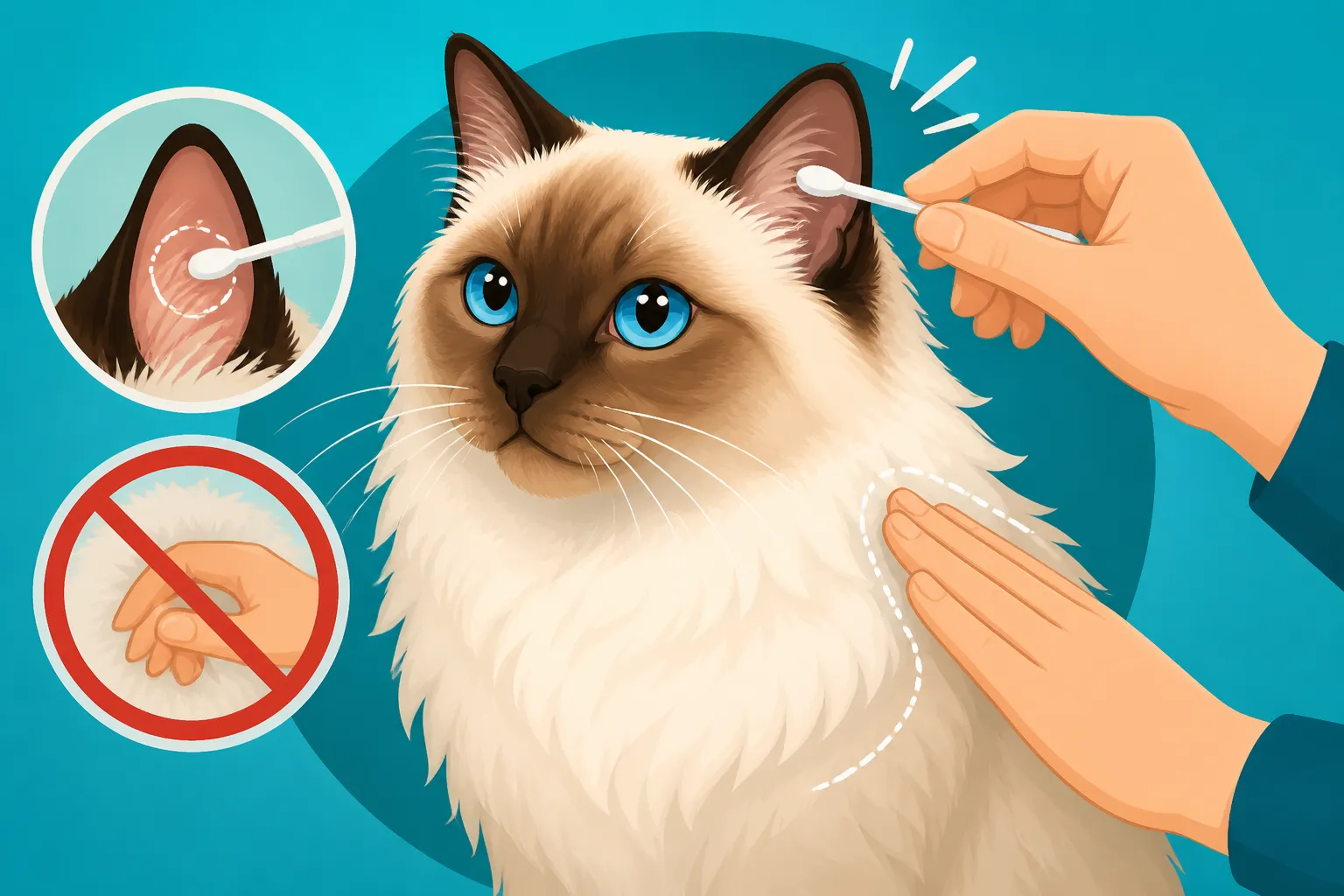
Beyond the cleaner itself, you'll need soft cotton balls or gauze pads. I prefer cotton balls because they're absorbent and can be shaped to fit your finger for gentle wiping. Some people use cotton swabs for the outer folds of the ear, but never, ever insert a cotton swab into your Birman's ear canal. The L-shaped canal makes it incredibly easy to push debris further down, potentially damaging the eardrum or compacting wax. Think of it like trying to clean a bottle with a stick – you just push the gunk deeper.
You might also want some small, clean towels or paper towels on hand for any drips, especially around the ruff. A favorite treat will be invaluable for positive reinforcement, turning a potentially unpleasant experience into something your Birman associates with good things. A headlamp can be surprisingly helpful to illuminate the ear canal, giving you a clearer view without having to awkwardly position a lamp. You could also keep a fine-toothed comb nearby, not for the ear itself, but to gently part the ruff if needed, and to smooth it back down afterward.
Preparing Your Birman and Yourself for a Calm Experience
Approach ear cleaning when your Birman is relaxed and receptive, not when they're zooming around the house after a toy. A quiet time of day, perhaps after a nap or a relaxed cuddle session, is ideal. If your Birman is new to grooming, start with very short sessions. Just handling their ears gently, praising them, and offering a treat, without any actual cleaning, can build positive associations. Remember, How to Get a Birman Used to a Comb also applies to getting them used to general handling.
Lay out all your supplies on a clean surface beforehand. Warm the ear cleaner slightly by placing the bottle in a bowl of warm water for a few minutes; cold liquid can be a shock to sensitive ears. Choose a location where you and your Birman are comfortable, ideally on a surface that gives you good leverage but won't be too high if your cat decides to make a break for it. A non-slip mat can also help. Keep your voice calm and reassuring throughout the process. Your demeanor heavily influences your Birman's comfort level.
The Step-by-Step Guide to Ruff-Friendly Birman Ear Cleaning
Now for the actual cleaning! The key here is precision and gentleness, with a constant awareness of that beautiful ruff. The goal is to get the cleaning solution into the ear canal and the subsequent wiping into the ear folds, without letting liquids or debris saturate the surrounding fur.
Positioning Your Birman for Optimal Access
Finding the right position is half the battle. If your Birman is cooperative, sitting them on your lap, facing away from you, often works well. You can gently cradle their head in one hand, using your thumb to pull the ear flap up and back, exposing the ear canal. This gives you a clear view and helps to keep the ruff out of the way. If your Birman is a bit more squirmy (even the placid Birmans have their moments!), you might need a second person to help gently hold them. This person can offer calm reassurance and treats, while you focus on the ear.
Alternatively, if your Birman prefers to be on a table, position them so they are facing away from you, and you are standing behind them. Gently place one arm over their back, holding them close, while using your other hand to maneuver the ear. Some cats find it less intimidating if they are wrapped loosely in a soft towel, leaving just their head exposed. This "burrito wrap" can prevent them from backing away or using their paws to swat at the cleaner. The most important thing is that both you and your Birman feel as secure and comfortable as possible.
The Gentle Art of Applying Cleaner Without Soaking the Fur
Once you have the ear flap gently pulled back to expose the opening of the ear canal, hold the ear cleaner bottle close to the ear. The trick to protecting the ruff is to administer the liquid directly into the canal opening quickly and deliberately, minimizing drips. Fill the ear canal with the solution, following the product's instructions for quantity – it's usually enough to make a squelching sound when you massage.
After applying the cleaner, immediately move to the next step: massaging the base of the ear. This helps distribute the cleaner deep into the ear canal, loosening wax and debris. You should hear a satisfying squishy sound as you massage. Don't be afraid to massage for 20-30 seconds. While you're massaging, keep a cotton ball or a clean towel handy to catch any overflow that might try to escape and trickle onto the ruff. This proactive step is crucial for keeping the surrounding fur dry. Remember, our goal is to clean the ear, not give the ruff a bath!
Wiping Away Wax and Debris Carefully
After massaging, your Birman will likely want to shake their head. This is completely normal and helps dislodge loosened debris. Let them shake! Once they've had their shake, use a fresh, soft cotton ball or gauze pad wrapped around your finger to gently wipe out the visible wax and debris from the outer ear folds and the opening of the ear canal. Again, do not insert your finger or the cotton ball deep into the ear canal. You are only cleaning what you can see.
Change cotton balls as needed until they come out relatively clean. Be very gentle; the skin inside the ear is delicate. If you encounter any mats in the ruff nearby that might have gotten slightly damp, you can gently pat them dry with a clean, soft cloth or a piece of paper towel. Follow up with a fine-toothed comb to separate the hairs of the ruff and ensure no dampness or cleaner residue remains trapped. Remember, the goal is clean ears and a pristine ruff. Finish with lots of praise and that favorite treat!
Common Pitfalls and Troubleshooting for Birman Ear Care
Even with the best intentions and techniques, ear cleaning can sometimes throw a curveball. From recognizing signs of deeper problems to managing a reluctant Birman, having a plan for common challenges can make the process smoother and safer. It's about being prepared for what might come up and knowing when it's time to call in the professionals.
When to Call the Vet: Signs of Infection or Deeper Problems
As we discussed earlier, a minor amount of light brown wax is normal. However, any persistent dark, crumbly, or foul-smelling discharge, redness, swelling, head tilting, pain on palpation, or excessive scratching around the ears warrants an immediate trip to the veterinarian. These symptoms are not just signs of dirty ears; they often point to an underlying infection (bacterial, yeast, or parasitic like ear mites) that requires specific medical treatment. Attempting to clean an infected ear with over-the-counter solutions without a vet's diagnosis can exacerbate the problem, push infection deeper, or simply delay appropriate treatment.
Your vet will be able to properly examine the ear canal with an otoscope, take a swab for microscopic analysis, and prescribe the correct medication. Sometimes, problems like polyps, foreign bodies, or even allergies can manifest as ear issues. A Birman's placid nature means they might Why a Birman Hides Illness Behind a Placid Temperament, so be extra vigilant. Don't hesitate or try to self-diagnose; when in doubt, a professional opinion is always best for your beloved Birman.
Dealing with a Reluctant Birman and Making it a Positive Experience
Not all Birmans will be perfectly compliant during ear cleaning, especially if it's a new or infrequent experience. If your Birman struggles, tries to bite, or becomes overly stressed, don't force it. Forcing the issue can create a negative association that makes future attempts even harder. Instead, stop the session and try again another day when both of you are calmer. Consider breaking the process down into smaller, manageable steps. Start with just holding their head, then progress to touching the ear, then perhaps just inserting the cleaner, and so on, rewarding at each step.
Positive reinforcement is your best friend. Offer high-value treats (perhaps something special from Chewy or Amazon you know they love), gentle praise, and calm petting throughout and immediately after the process. You can even try doing a brief "mock" cleaning where you go through the motions but don't actually use any liquid, ending with a treat. This helps build trust and acceptance. For very anxious cats, your vet might even suggest a mild sedative for initial grooming sessions, but this is a last resort and should only be done under veterinary guidance. Remember to keep all handling gentle, much like when you are How to Handle a Birman for Nail Trimming.
Maintaining Ear Health Between Cleanings
The best way to manage ear cleaning frequency is to prioritize prevention and regular observation. If your Birman's ears are generally healthy, they might only need a full cleaning every few weeks to a month, or even less frequently. Routine weekly checks, however, should be non-negotiable. This involves simply lifting the ear flap, taking a quick peek, and having a gentle sniff. This quick check can be incorporated into your regular petting or grooming sessions.
Ensure your Birman's general health is well-maintained, as overall wellness often impacts ear health. A good quality diet, appropriate hydration (like encouraging drinking from a fountain), and managing any underlying allergies can all contribute to healthier ears. If your Birman spends time in a catio or has access to outdoor spaces (though Why a White Gloved Cat Should Never Be Let Out is generally sound advice), they might pick up more environmental debris or pollen, potentially requiring slightly more frequent checks. Consistency in care is truly key to keeping those Birman ears healthy and their ruff magnificent.
| Characteristic | Healthy Birman Ear | Unhealthy Birman Ear |
|---|---|---|
| Appearance | Pale pink, clean, minimal hair inside canal | Red, swollen, inflamed, discharge visible |
| Wax | Small amount, light brown to reddish-brown, soft | Excessive, dark brown/black (coffee grounds), yellow/green, crusty |
| Odor | None or very faint, natural feline smell | Foul, yeasty, sweet, or strong odor |
| Behavior | No scratching, head shaking, or sensitivity | Frequent scratching, head shaking, ear rubbing, pain when touched, head tilting |
| Ruff Area | Dry, clean, no mats or irritation | Damp, matted fur around ear, skin irritation |
| Discharge Type | None, or a trace of light wax | Crumbly, waxy, pus-like, watery |
Disclaimer
This article is for general informational purposes only and does not constitute professional advice. Laws, prices and regulations vary by location and change over time. Consult a qualified professional for guidance on your specific situation.