How Many Years a Birman’s Points Take to Finish Darkening
One of the most enchanting experiences of bringing a Birman kitten into your home is witnessing their stunning transformation. They arrive as tiny, almost pure white fluff-balls, and then, day by day, week by week, their beautiful "points"—the darker coloration on their ears, face mask, paws, and tail—begin to emerge and deepen. This gradual process is truly a marvel, and it leaves many new Birman parents wondering just how long this incredible darkening act takes to reach its full, majestic potential. This guide will walk you through the fascinating journey of your Birman's point development, from kittenhood right into their golden years.
The Science Behind a Birman's Pointed Perfection
It might seem like magic how a white kitten grows into a cat with such distinct, dark extremities, but it's actually a beautiful piece of genetic science at play. Understanding this fundamental mechanism helps us appreciate why their points develop the way they do and why it's a journey, not an instant change.
The Tyrosinase Enzyme and Temperature Sensitivity
At the heart of the Birman's distinctive coloration is a genetic mutation that affects the tyrosinase enzyme. This enzyme is crucial for producing melanin, the pigment responsible for color in skin and fur. In Birmans and other pointed breeds, this enzyme is temperature-sensitive. What does that mean for your kitty? It means the enzyme only works effectively in cooler parts of the body.
Think of it like this: where the body temperature is lower, typically the extremities like the ears, nose, paws, and tail, the enzyme can do its job and produce pigment, resulting in darker fur. In the warmer core of the body, the enzyme is less active or completely inactive, leading to the lighter, creamy body color we adore in Birmans. This isn't just a quirk; it's the very definition of a colorpoint cat. It's a genetic blueprint that dictates how their colors will unfold, creating that stunning contrast we all love.
Born White: A Kitten's Early Life in the Womb
It can be quite surprising for first-time Birman owners to see their newborn kittens, as they are almost entirely pure white. You might even wonder if you've got the right breed! This happens for a very logical reason, thanks to that temperature-sensitive enzyme we just talked about. While nestled snugly in their mother's womb, the ambient temperature is consistently warm and uniform across their entire body.
Because the tyrosinase enzyme can't function properly in such warmth, very little melanin is produced during gestation. The entire kitten develops as if it's one big warm zone. Once they are born and exposed to the cooler outside world, the magic truly begins. This initial pristine white coat is a temporary canvas, waiting for the cooler air to activate the genetic artistry that will eventually define their gorgeous points. It's a charming detail that highlights the unique biology of Why a Birman Kitten Is Born Almost White.
The Timeline of Point Development in Birman Kittens
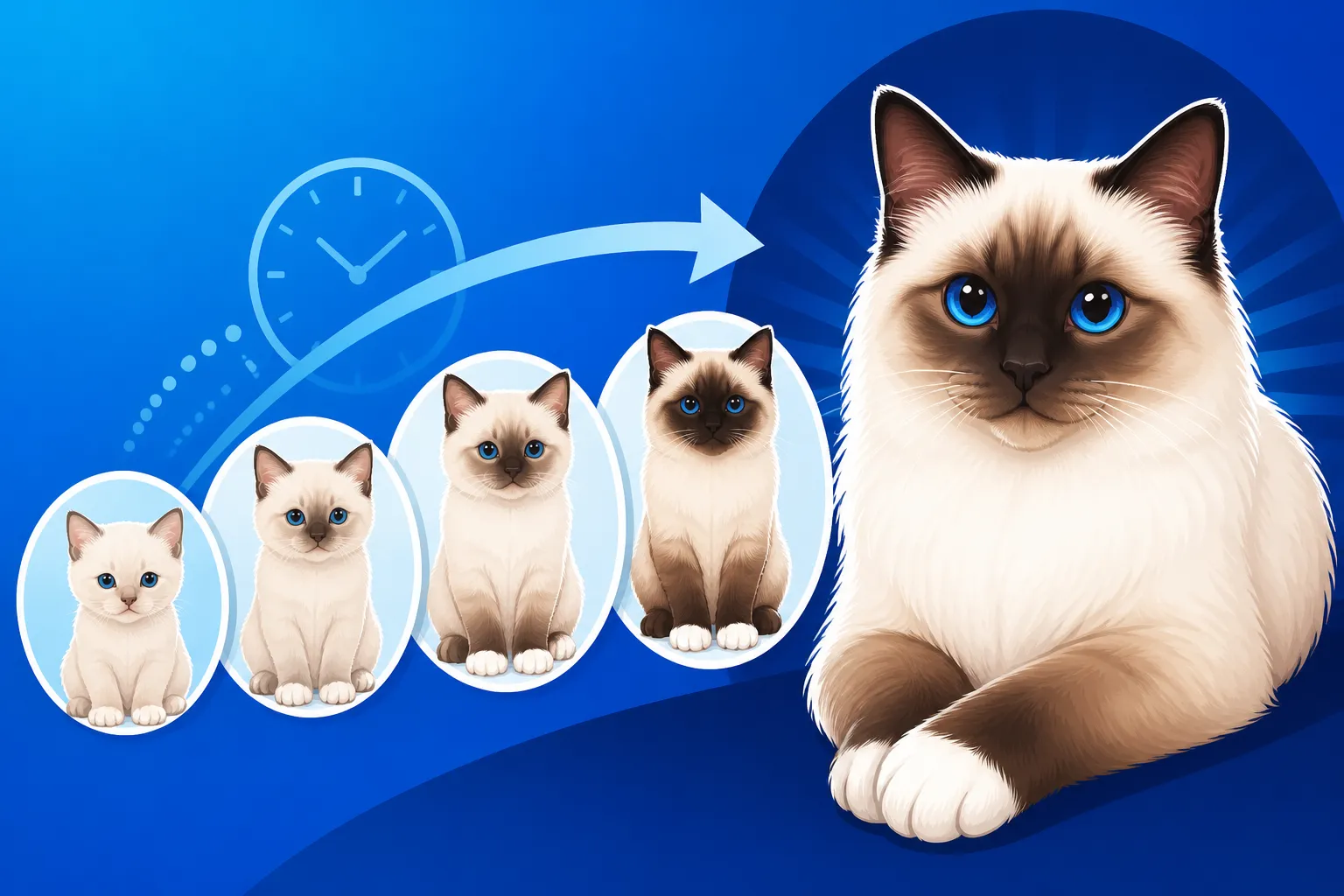
Watching a Birman kitten develop their points is like seeing a photograph slowly coming into focus. It’s a process that starts almost immediately after birth, but it’s definitely not a race to the finish line. Each stage brings new colors and deeper shades, making every week an exciting discovery.
First Peeks: Ears, Nose, and Tail
Once your little Birman kitten is out of the womb and into the cooler air, the temperature-sensitive tyrosinase enzyme can finally get to work! The parts of their body that are naturally coolest, and therefore the first to experience the temperature drop, are the first to show their true colors. You'll typically notice the very tips of their ears and the delicate skin on their nose starting to show a faint hint of color within the first few days or weeks.
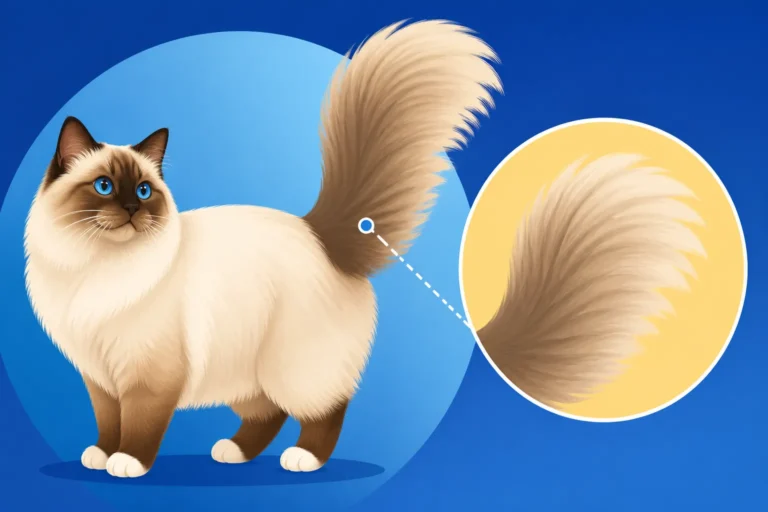
This isn't a dramatic shift; it's often a subtle smudge or a very pale version of their eventual point color. Soon after, the tail will also begin to show a slight darkening. These are the vanguard of their points, signalling the onset of their unique Birman pattern. It’s a joy to observe, a slow unveiling of the beauty that is to come.
The Body and Paws: A Slower Transformation
While the ears, nose, and tail start to show early, the body and paws take a little longer to catch up. The body itself will remain a creamy off-white or light gold for quite some time. The 'mask' on their face around their eyes and muzzle, and of course, their magnificent 'gloves' and 'laces' on their paws, are also slower to develop their full intensity. You'll see How a Birman Kitten's Points Come In gradually.
The paws, especially the front gloves, might start with just a faint shading, and the distinct white of the gloves will become more pronounced as the darker color surrounding them deepens. The "laces" on their back legs, which should ideally extend up the hock, will also take time to fill in. This slower development for the main body and paws is simply because these areas are slightly warmer than the extreme tips, so the pigment production is a more leisurely process. It’s important to remember that this isn't a flaw; it's just how the Birman's genetics express themselves over time.
Factors Influencing the Rate and Depth of Point Darkening
It's not just a straightforward genetic switch; several external and inherent factors can play a role in how quickly and how deeply your Birman's points develop. Understanding these can help you appreciate the nuances of your cat's unique coloration journey.
Environmental Temperature: The Cold-Weather Effect
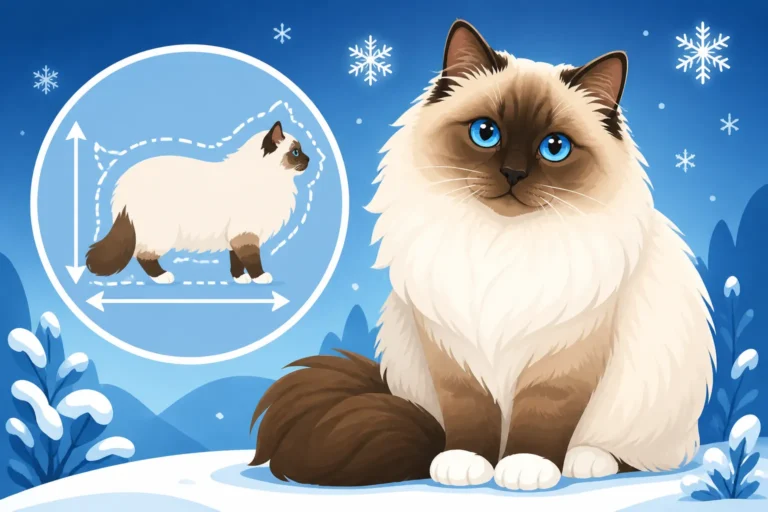
One of the most significant external influences on your Birman's point development is the environmental temperature they live in. Since the tyrosinase enzyme is temperature-sensitive, cooler temperatures lead to more active pigment production and, consequently, darker points. If your Birman lives in a consistently cool climate or a house kept at a lower temperature, you might notice their points developing faster and reaching a deeper shade earlier than a Birman living in a warmer environment.
Conversely, a Birman that spends most of its time in a very warm house might have slower-developing points and a slightly lighter overall point color. It's a fascinating phenomenon, almost like their fur is a living thermometer, reacting to its surroundings. This is why you often hear breeders talk about Why a Birman Living Somewhere Cold Gets Darker. It's not about them being cold, per se, but about the sustained ambient temperature allowing the color to flourish.
Diet and Nutrition: Supporting Healthy Coat Development
While diet doesn't directly change the genetic expression of the colorpoint gene, it absolutely plays a vital role in overall coat health and vitality, which can indirectly impact how well and how richly the points develop. A healthy cat with a well-nourished coat will often display more vibrant and true-to-type colors. Think of it as providing the best possible canvas for the genetic artwork to appear.
High-quality food, rich in essential fatty acids like Omega-3 and Omega-6, along with adequate protein, contributes to a shiny, healthy coat. If a cat is nutritionally deficient, their fur might appear dull, brittle, or less vibrant, potentially making the point colors seem less intense. So, while you can't feed your Birman darker points, you can certainly support their body in producing the best possible coat. Many premium and fresh cat foods focus on coat health and overall feline well-being, which reflects in their stunning coats.
Genetics and Lineage: Understanding Inherited Shades
Beyond environmental factors, the most profound influence on your Birman's point color, and the ultimate depth it will achieve, lies squarely in their genetics and lineage. The specific shade of points—whether seal, blue, chocolate, lilac, red, or cream—is entirely determined by the genes inherited from their parents. A Birman whose parents and grandparents were known for their deep, rich seal points is likely to develop equally deep seal points, assuming good health and appropriate environmental conditions.
Breeders carefully select for strong, clear point coloration in their breeding programs. While the temperature sensitivity of the tyrosinase gene dictates where the color appears, other genes determine the hue and intensity. This is why reputable breeders provide detailed pedigrees and can often give you a good indication of what to expect from your kitten's points based on their ancestral lines. It’s a testament to the careful work involved in preserving the beauty of the breed.
The Full Spectrum: When a Birman's Points Are Truly "Finished"
This is often the million-dollar question for Birman owners: when will my cat's points stop changing? The truth is, it's a longer journey than many people expect, stretching well beyond their playful kitten months.
Beyond the Kitten Stage: Maturation into Adulthood
While you'll see clear point coloration by the time your Birman kitten is a few months old, especially around 6-9 months, their points are far from their final depth. Many Birmans continue to darken and refine their point coloration throughout their adolescent period and into early adulthood. It's not uncommon for a Birman to still be deepening its point color up to two or even three years of age!
During this time, the mask on their face will become more defined, the tail plume will achieve its full glory, and those gorgeous gloves and laces will settle into their permanent, striking contrast against the body. Patience is key during this phase; your young adult Birman is still very much a work in progress, blossoming into their full splendor. It’s part of the joy of owning this breed, seeing them mature into such magnificent animals. You can find more details on How Many Years a Birman's Points Take to Finish Darkening in various breed resources.
Lifelong Changes: Ageing and Continued Darkening
Even after reaching their adult coloration around the age of two or three, the story of your Birman's points isn't entirely over. The temperature-sensitive gene continues to operate throughout their life, which means as they age, their points can actually continue to darken, albeit at a much slower pace. You might find that an older Birman, particularly those in their senior years, develops remarkably deep, almost smudgy point colors, sometimes even showing some light 'sooting' or darkening on their body fur as well.
This is a natural part of Why a Birman's Points Darken as It Ages. Older cats might have a slightly lower overall body temperature or their metabolism might change, leading to a subtle increase in pigment production over many years. It's a gentle, ongoing process that adds another layer of character to their already beautiful appearance. Many owners are surprised to see just how dark their Birman's points can become by the time they are ten or twelve years old, sometimes almost looking black in the case of seal points.
Managing Expectations and Enjoying the Birman's Evolving Beauty
Understanding the science and timeline behind your Birman's point development helps to set realistic expectations and allows you to truly appreciate the unique beauty of this process. It’s a journey, not a destination, and every stage has its own charm.
Documenting the Journey: Photos and Observations
One of the most delightful aspects of owning a Birman is watching their points come in. It’s something I always encourage new owners to document! Take regular photos – perhaps once a month – from kittenhood right through their first few years. You’ll be absolutely amazed when you look back at how much they’ve changed. You might even want to create a little photo album or digital gallery dedicated to their "color journey."
Pay attention to the subtle shifts: the first hint of color on their ears, how their nose leather darkens, the gradual appearance of their tail rings, and the deepening contrast of their gloves and laces. It’s a living, breathing work of art unfolding before your eyes. You can even find affordable cameras and photo storage solutions on sites like Amazon to help you capture every moment of this beautiful transformation. Discussing this journey with your breeder, who has seen many litters mature, can also be incredibly insightful.
When to Consult Your Vet About Coat Changes
While most changes in your Birman's point coloration are entirely normal and part of their unique genetic expression, there are very rare instances where an unusual or drastic change in coat color or quality could be indicative of an underlying health issue. For example, a sudden and significant lightening of points, particularly if accompanied by other symptoms like lethargy, changes in appetite, or poor coat condition, could be a red flag.
Nutritional deficiencies, certain metabolic disorders, or even some hormonal imbalances can impact coat health and pigmentation. If you ever notice something that just doesn't seem right with your Birman's coat or overall health, don't hesitate to reach out to your veterinarian. They can rule out any medical concerns and reassure you that your cat's beautiful, evolving coat is just doing what comes naturally. A healthy Birman will typically have a soft, silky coat and clear, vibrant point coloration. Caring for a Birman Once Its Points Have Gone Dark also involves regular vet check-ups to ensure their overall well-being.
| Age / Stage | Expected Point Development |
|---|---|
| Newborn to 2 weeks | Almost pure white, faint blush on ears and nose sometimes visible. Body temperature still quite uniform. |
| 3-6 weeks | Distinct, though still light, color emerging on ear tips, nose leather, and tail. Early signs of facial mask. Paws may show very subtle shading. |
| 2-4 months | Points (ears, mask, tail) noticeably darker and more defined. Gloves and laces on paws becoming clearer and more contrasted, though still not final. Body coat remains light. Feeding a Birman Kitten While Its Points Come In is crucial during this growth phase. |
| 5-12 months | Points continue to deepen in color and expand. Facial mask is well-developed. Gloves and laces are prominent but may still lack full density of color. Body may start to show a very slight warming in tone. |
| 1-2 years | Point coloration approaches its mature shade and density. Gloves and laces are typically well-defined. Body color is stable, though it might still be quite light. |
| 2-3 years | Often considered "finished" with point development. Color is at its deepest and most saturated. Body color is set. |
| 3+ years (Seniority) | Points may continue to subtly darken over many years, becoming richer and sometimes spreading slightly onto the body (especially in very cool environments). |
Disclaimer
This article is for general informational purposes only and does not constitute professional advice. Laws, prices and regulations vary by location and change over time. Consult a qualified professional for guidance on your specific situation.