Why an Old Birman Loses Muscle Before It Loses Fat
It's a common, often worrying, observation for us Birman parents: you look at your beloved senior cat, and while they might not seem to be losing overall weight, you notice they're looking a bit bonier. Their shoulders might feel sharper, their spine more prominent, or their hindquarters less filled out. This isn't just your imagination, and it's certainly not a simple case of fat loss. This guide will help you understand why an old Birman often loses muscle before it loses fat, what signs to watch for, and how you can support their health and comfort through their golden years.
The Subtle Shift in an Aging Birman's Body
As our Birmans gracefully age, their bodies undergo a variety of changes, some more obvious than others. We might notice them slowing down, perhaps sleeping a little more, or not quite jumping to those high shelves they once frequented. What often goes unnoticed, or is simply misinterpreted, is a fundamental shift in their body composition. It's not just about weight on the scale; it's about what that weight is made of. Many senior Birmans, even those who maintain a seemingly healthy weight, experience a decline in muscle mass, often before there's any significant loss of fat. This can be a silent thief of vitality, impacting their strength, mobility, and even their immune response.
Understanding Sarcopenia in Feline Friends
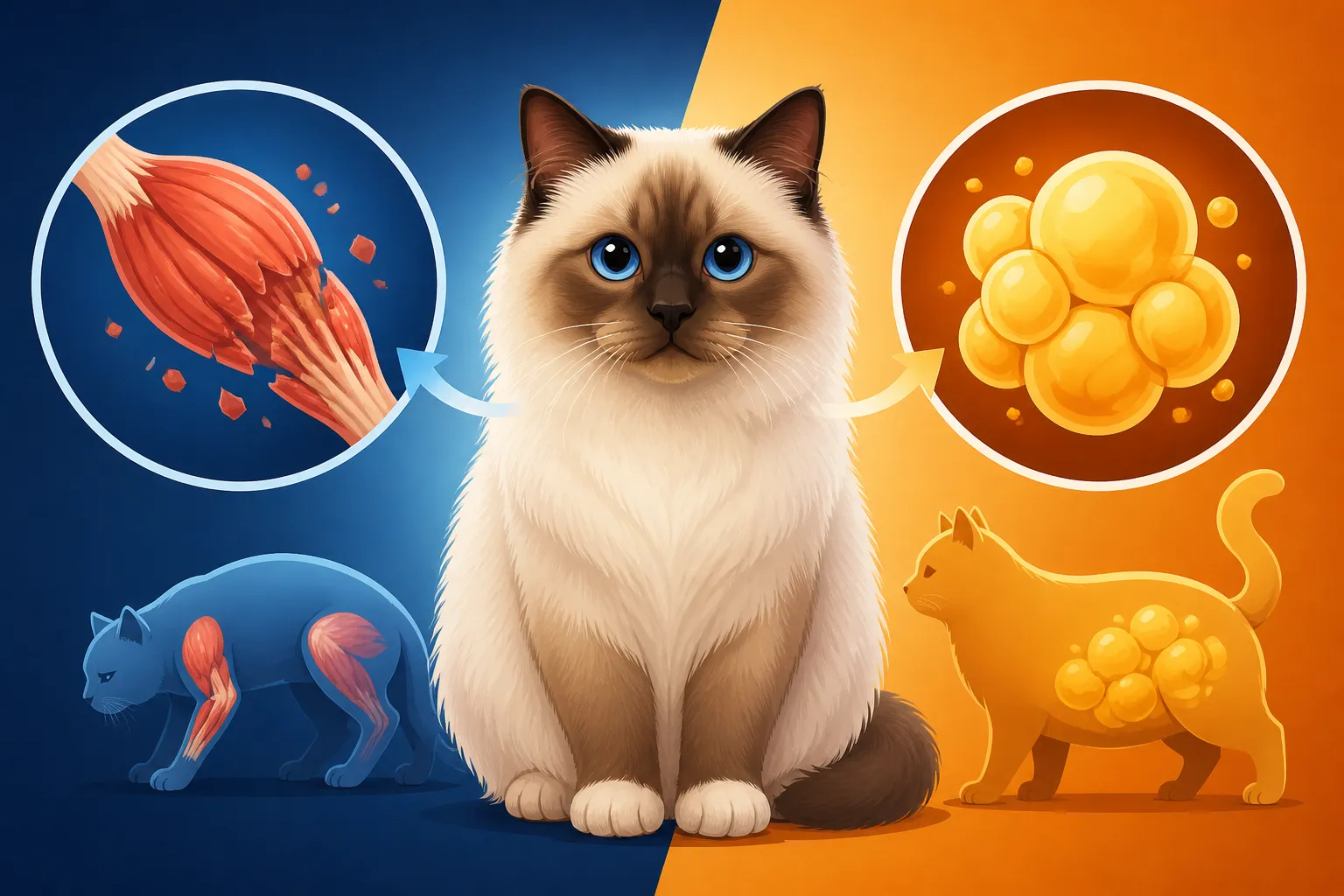
The clinical term for this age-related muscle wasting is sarcopenia, and it’s a reality for many older cats, including our serene Birmans. Sarcopenia isn't simply a symptom of illness; it's a natural, progressive process linked to aging. It means the body starts to break down muscle tissue at a faster rate than it can rebuild it. This happens even in cats that are otherwise healthy and eating well. It's a cruel trick of nature that silently reduces their strength and resilience, making them more vulnerable to injury and slower to recover from any health setback. For a cat known for its placid temperament, like the Birman, this can be particularly subtle to spot initially. Why a Quiet Birman Is Easy to Misread applies not just to illness but also to the gradual changes of aging.
Why Muscle First, Not Fat?
You might wonder why nature would prioritize muscle loss over fat loss in aging felines. The answer lies in complex metabolic and hormonal shifts that occur with age. As Birmans get older, their metabolism can become less efficient at utilizing protein to maintain and build muscle. There can be a reduced sensitivity to anabolic signals (those that promote growth), and an increase in catabolic signals (those that promote breakdown). Additionally, their overall activity levels naturally decrease, providing less stimulus for muscle maintenance. Unlike fat, which is primarily an energy reserve, muscle is metabolically active tissue crucial for movement, strength, and even immune function. Losing fat would directly impact energy reserves, which the body is often keen to hold onto as a survival mechanism. Muscle, however, can be "sacrificed" more readily, especially if the cat isn't actively using it or if dietary protein intake isn't sufficient to counteract the natural breakdown processes. It's a testament to the fact that What an Ageing Birman Slows Down From is often more than just a reduction in overall energy.
Spotting the Signs: Is It Muscle Loss or Just Weight Loss?
Distinguishing between general weight loss and specific muscle loss (sarcopenia) in your Birman is really important because it guides how you and your vet approach their care. Sometimes, a cat might be losing weight overall, including fat and muscle, due to an underlying illness. But with sarcopenia, the scale might not budge much, or your Birman might even appear to be gaining a little fat as their body compensates for lost muscle, giving them a softer, less toned feel despite their bony protrusions. This can be incredibly frustrating for owners who are trying their best to keep their beloved pets healthy.
The Feel Test: Ribs, Spine, and Pelvis
One of the most effective ways to tell if your Birman is losing muscle, rather than just fat, is through regular hands-on checks. Our Birmans have that luxurious, silky coat that can hide a lot, making visual assessment tricky. You need to feel their body. Gently run your hands along their sides. Can you feel their ribs more distinctly than before, even if they still have a soft layer over them? Move your hands down their spine, from their neck to their tail. Does it feel bonier, almost like you can count each vertebra more easily? Pay attention to their hips and hind legs. The muscles in their hindquarters, particularly around the pelvis, can diminish, making the hip bones more prominent. This is a tell-tale sign that muscle is wasting. Learning How to Feel a Birman's Ribs Under a Silky Coat is an invaluable skill as they age.
Another area to check is their shoulders and the top of their head. These areas, particularly the temporalis muscles on either side of their skull, can appear sunken if muscle loss is significant. While a healthy Birman should have a long, rectangular frame, an aging one might start to look more angular and less filled out, even if their belly seems a bit softer. This 'skinny fat' phenomenon is a classic indicator of sarcopenia, where fat is retained or even slightly increased as muscle mass declines.
Changes in Movement and Activity
Your Birman's behavior and mobility are huge indicators of their muscle condition. Have you noticed them hesitating before jumping onto the sofa, or perhaps choosing a lower perch? Maybe they used to effortlessly leap onto the kitchen counter but now need a stepping stool or just give up altogether. This isn't necessarily just laziness; it can be a direct result of weakened leg muscles. A Birman whose hind legs are losing muscle might struggle to get up after a nap, or you might see a subtle tremor when they stand. Why an Old Birman Stops Using the Stairs is a clear red flag, signaling that their strength and agility are diminishing.
They might also move with less grace, their gait becoming a bit stiffer or more cautious. Perhaps they no longer sprint through the house in bursts of "zoomies" like they used to, or their play sessions are shorter and less intense. Even subtle changes, like not following you from room to room as enthusiastically or spending more time just observing rather than engaging, can point towards muscle weakening. If you notice Why a Birman That Stops Following You Needs a Vet, it’s definitely time for a check-up, as muscle loss could be a contributing factor or a symptom of something else.
Appetite and Overall Demeanor
While sarcopenia can occur even with a good appetite, a noticeable decrease in food intake can accelerate muscle loss. Some older Birmans might become pickier eaters, or simply eat less overall. It's important to monitor their eating habits. Are they finishing their meals? Are they still interested in treats? An underlying health issue that causes a reduced appetite will certainly contribute to muscle wasting.
However, sometimes a Birman experiencing sarcopenia can maintain a strong appetite, which can make diagnosing the issue even harder. They might be eating "enough" calories, but perhaps not enough high-quality protein specifically targeted at maintaining muscle mass. Their placid, undemanding nature means they often hide discomfort or changes in their body well. Why a Placid Birman Hides Pain is a truth every Birman owner knows, and it extends to subtle physical changes too. Regular veterinary check-ups and open communication with your vet about any changes in your Birman's physical appearance or behavior are essential to catch these shifts early.
Nurturing Lean Mass: Dietary & Lifestyle Adjustments for Senior Birmans
Once you understand that your Birman is susceptible to age-related muscle loss, the next logical step is to explore what you can do to help. The good news is that there are many proactive measures we can take to support our senior Birmans, focusing on both their nutrition and their daily lives. It's about providing the right building blocks and encouraging gentle activity to keep them as strong and comfortable as possible for The Twelve to Sixteen Years a Birman Usually Gets.
Protein Power: The Key to Muscle Maintenance
When it comes to senior cats, the old advice of "lower protein" due to kidney concerns is largely outdated and can actually exacerbate muscle loss. Modern veterinary science suggests that aging cats, particularly those losing muscle, need more high-quality protein, not less, to combat sarcopenia, provided their kidneys are healthy. This is because their bodies become less efficient at processing protein, meaning a higher intake is needed just to maintain existing muscle mass. Look for cat foods with a high percentage of animal-based protein, which is more digestible and utilizable for felines. You're aiming for a diet that actively helps maintain Which Protein Level a Birman's Ruff Needs to Stay Full, as a healthy coat is often a sign of good overall nutrition.
Consider switching to a senior-specific formula if you haven't already. Brands often formulate these diets with higher protein levels, sometimes with added supplements. You could explore options available on platforms like Chewy, which offers a wide range of veterinary-approved senior diets from various brands. Some owners even turn to fresh food delivery services, which can offer highly palatable, protein-rich meals, often a boon for older cats who might be losing interest in traditional kibble. Always discuss dietary changes with your veterinarian, especially if your Birman has any pre-existing health conditions.
Hydration and Supplements
Hydration is critically important for senior Birmans, especially since many long-haired breeds, including the Birman, can be predisposed to kidney issues later in life. Muscle wasting can further impact overall organ function, making water intake even more vital. Why a Birman's PKD History Makes Water Intake Matter cannot be stressed enough. Wet food is an excellent way to boost hydration, as it contains a high percentage of water. If your Birman is primarily on dry kibble, consider adding water to it, offering a cat water fountain (many cats prefer moving water), or simply making sure there are multiple fresh water bowls around the house.
Beyond protein, certain supplements can be beneficial. Omega-3 fatty acids (like EPA and DHA) can help reduce inflammation, which contributes to muscle breakdown, and support overall joint health. Glucosamine and chondroitin can help maintain joint cartilage, making movement more comfortable. Antioxidants might also play a role in reducing cellular damage. Again, talk to your vet before introducing any supplements to ensure they are appropriate for your individual Birman's needs and won't interfere with any medications. You can often find reputable pet supplements on Amazon, but always prioritize veterinary recommendations.
Gentle Exercise and Mental Engagement
While you won't be training your senior Birman for the feline Olympics, gentle, consistent activity is crucial for muscle preservation. Just like with humans, "use it or lose it" applies to our cats. Encourage short, low-impact play sessions. Wand toys that mimic prey can be great, allowing them to stretch and pounce without too much strain. Avoid activities that involve high, strenuous jumps if you suspect significant muscle loss or joint discomfort. Remember, Which Toys Suit a Birman That Plays Quietly might be different from their kittenhood favorites.
Environmental enrichment is also key. Make sure their favorite perching spots are easily accessible with ramps or lower steps. Place food and water bowls in areas that don't require significant effort to reach. Mental stimulation, such as puzzle feeders with small, high-value treats, can keep their minds active and encourage gentle movement. A happy, engaged cat is more likely to stay active, even if that activity looks a little different than it did in their younger years. Don't forget that What an Old Birman Needs Once Its Ruff Starts Matting might include help with grooming, which can also become a bonding and gentle movement opportunity.
Partnering with Your Vet: Proactive Care for Senior Birmans
You are your Birman's first line of defense, but a trusted veterinarian is your essential partner in navigating their senior years. Regular vet visits become even more critical as your Birman ages, providing the professional insight and intervention needed to manage age-related changes, including muscle loss. Don't wait until things are visibly wrong; proactive care can make a world of difference in their quality of life.
The Importance of Regular Check-ups
For senior Birmans, "annual" vet visits often become "biannual" or even more frequent, depending on their health status. These regular check-ups allow your vet to closely monitor your cat's weight, body condition, muscle mass, and overall health. They can spot subtle changes that might indicate early sarcopenia or other underlying health issues before they become serious. What a Birman's Yearly Panel Should Include After Eight years old typically expands to include more comprehensive blood work, urine analysis, and potentially blood pressure checks, all of which provide a clearer picture of organ function and overall health.
During these visits, be honest and detailed about any changes you've observed at home – in their eating habits, activity levels, litter box use, or even subtle shifts in their personality. This anecdotal evidence, combined with your vet's clinical assessment, creates the most complete picture of your Birman's well-being.
Monitoring Weight and Body Condition Score
The scale can be misleading. As we've discussed, a Birman might maintain their weight while losing muscle and gaining fat. This is where the Body Condition Score (BCS) comes in, which your vet will assess. The BCS is a hands-on method to evaluate the amount of fat and muscle on your cat's body, usually on a scale of 1 to 9. A score of 5 is ideal, meaning they have a healthy lean build. Your vet will feel your Birman's ribs, spine, and waist to give them a score. You should keep track of Why a Birman's Weight Should Be Recorded Every Visit and how their BCS changes over time.
Even a slight shift in BCS, particularly a drop in muscle mass despite a stable weight, can be an early indicator of sarcopenia or another issue. Your vet can provide specific guidance on diet and exercise tailored to maintain an optimal BCS and slow the progression of muscle loss. They might also suggest specific exercises you can encourage at home to target certain muscle groups.
Addressing Underlying Health Issues
Sarcopenia itself is a natural part of aging, but it can be exacerbated or mimicked by other health conditions. If your Birman is losing muscle rapidly, or if the loss is accompanied by other symptoms, your vet will want to rule out other medical issues. Conditions like hyperthyroidism (an overactive thyroid), kidney disease, inflammatory bowel disease, or certain cancers can all lead to significant weight and muscle loss. For example, Why a Thin, Hungry Old Birman Needs a Thyroid Test is critical, as hyperthyroidism can cause rapid muscle wasting even while the cat eats voraciously.
Your vet might recommend specific diagnostic tests to investigate these possibilities. Catching and managing these underlying conditions is vital, as treating them can significantly improve your Birman's overall health, slow muscle loss, and greatly enhance their quality of life in their senior years. Remember, our Birmans are stoic, and by the time they show obvious signs of distress, an issue may be quite advanced. This makes proactive veterinary care not just beneficial, but essential.
Disclaimer
This article is for general informational purposes only and does not constitute professional advice. Laws, prices and regulations vary by location and change over time. Consult a qualified professional for guidance on your specific situation.